
Embarking on a journey to the heart of the Great Plains often conjures images of endless skies, rolling prairies, and a serene pace of life. However, for those planning to explore the captivating landscapes and vibrant communities of North Dakota, there’s an intriguing detail that can profoundly impact travel plans: its unique time zone situation. Unlike most states that adhere to a single standard time, North Dakota straddles two distinct time zones – a geographical quirk that demands a little extra attention from visitors. This duality adds an interesting layer to the travel experience, influencing everything from flight schedules and hotel bookings to the timing of your visits to iconic landmarks and local attractions.
Understanding the time zones in North Dakota is more than just a matter of setting your watch; it’s about seamlessly integrating into the local rhythm, ensuring you don’t miss out on planned activities, and making the most of every moment in this surprisingly diverse state. From the bustling urban centers in the east to the rugged Badlands in the west, the concept of time shifts, creating a dynamic backdrop for an unforgettable adventure. This guide will unravel the intricacies of North Dakota’s time zones, offering insights and practical advice to help you navigate your journey through the Flickertail State with confidence and ease.
The Dual Clocks of North Dakota: Central vs. Mountain Time
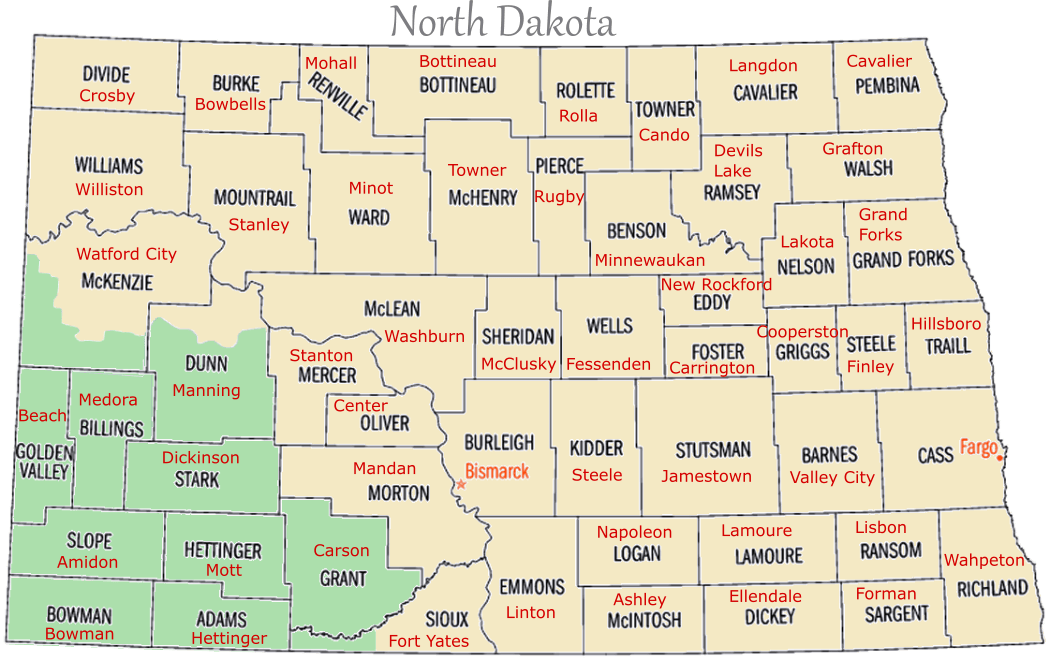
At its core, North Dakota operates on two different time standards: Central Time (CT) and Mountain Time (MT). The vast majority of the state, including its most populous cities, falls within Central Time. However, a significant portion of its western counties observes Mountain Time, creating a fascinating, albeit sometimes confusing, temporal divide. This split isn’t arbitrary; it’s a practical arrangement influenced by geography, historical precedent, and economic ties to neighboring regions.
Understanding the Geographic Divide
The imaginary line delineating Central Time from Mountain Time in North Dakota generally follows the course of the Missouri River and then extends northward. For practical purposes, most counties west of the Missouri River observe Mountain Time.
Cities and Regions in Central Time (CT):
- Fargo: The largest city in North Dakota, a hub for culture and commerce, located in the southeastern part of the state.
- Grand Forks: Home to the University of North Dakota and a vital agricultural center, situated in the northeast.
- Bismarck: The state capital, positioned centrally along the Missouri River.
- Minot: Known for its air force base and annual Norsk Høstfest, located in the north-central region.
- Other notable areas include Jamestown, Devils Lake, and Valley City.
Cities and Regions in Mountain Time (MT):
- Williston: A booming city in the far west, often considered the heart of the state’s oil country.
- Watford City: Another significant hub in the western oil fields, close to Theodore Roosevelt National Park.
- Stanley: A smaller community located west of Minot.
- New Town: Situated on the Fort Berthold Indian Reservation along Lake Sakakawea.
- The entirety of Theodore Roosevelt National Park, including the popular tourist town of Medora, observes Mountain Time.
To clarify the standard offset:
- Central Time (CT) is UTC-6 during standard time and UTC-5 during Daylight Saving Time.
- Mountain Time (MT) is UTC-7 during standard time and UTC-6 during Daylight Saving Time.
Both zones in North Dakota observe Daylight Saving Time (DST), meaning clocks spring forward by one hour in March and fall back in November. This ensures that the one-hour difference between CT and MT remains consistent throughout the year.
Historical Context and Practical Reasons
The establishment of time zones in the United States dates back to the late 19th century, primarily driven by the needs of railway companies for standardized scheduling. Initially, the Interstate Commerce Commission (ICC) and later the Department of Transportation (DOT) were tasked with defining these zones. For North Dakota, the decision to split the state wasn’t made on a whim. The western part of the state has historically had stronger economic and cultural ties to Montana, which is entirely within Mountain Time. Maintaining a consistent time with its western neighbor facilitates business, trade, and social interactions across the state border. Furthermore, the natural geographic boundary of the Missouri River provided a convenient and logical demarcation point for the time zone line, helping to minimize confusion for residents and travelers alike. This thoughtful division reflects a pragmatic approach to regional integration within the broader national time framework.
Travel Planning Across North Dakota’s Time Zones
For the intrepid traveler, the time zone split in North Dakota isn’t a hurdle but an interesting facet to consider in your trip preparations. Thoughtful planning can transform what might seem like a minor inconvenience into an opportunity for a smoother, more enjoyable journey through the Northern Plains.
Seamless Itineraries: Booking and Scheduling

When orchestrating your North Dakota adventure, every booking and reservation requires a quick check of the local time zone.
- Flights: If you’re flying into or out of North Dakota, pay close attention to the local departure and arrival times. Major airports like Hector International Airport (FAR) in Fargo, Grand Forks International Airport (GFK) in Grand Forks, Bismarck Municipal Airport (BIS) in Bismarck, and Minot International Airport (MOT) all operate on Central Time. However, if your itinerary includes flying into Williston’s Sloulin Field International Airport (ISN) or connecting through smaller regional airports in the west, remember these are on Mountain Time. Always confirm the time zone for your specific airport codes.
- Hotel Bookings: Whether you’re reserving a luxurious suite in Bismarck or a cozy lodge near Theodore Roosevelt National Park, confirm the check-in and check-out times in the local time zone. A one-hour discrepancy could mean an unexpected early check-out or a delayed arrival. Many booking platforms will automatically adjust, but a quick verification never hurts.
- Event Schedules and Reservations: Attending a performance at the Medora Musical, a historical tour in Bismarck, or a dining experience in Fargo? All scheduled times will be local. If you’re traveling from Fargo (CT) to Medora (MT) for an evening show, you’ll “gain” an hour, but remember that the actual travel time will make it feel like less of a gain. Conversely, heading east means “losing” an hour, so plan your departures accordingly to avoid missing a reservation.
- Meeting Up with Others: Clear communication is paramount when coordinating with travel companions or local contacts across the time zone divide. Always specify which time zone you’re referring to (e.g., “Let’s meet at 9 AM CT” or “The tour starts at 10 AM MT”).
Navigating Attractions and Experiences
North Dakota offers a diverse array of attractions, and the time zone split often coincides with geographical and experiential differences.
- Western Wonders (Mountain Time): The iconic Theodore Roosevelt National Park is entirely within Mountain Time. This means that sunrise hikes in the Badlands or evening stargazing sessions near Medora will be an hour “earlier” than they would be in the eastern part of the state. Other western attractions like the Maah Daah Hey Trail and the Fort Union Trading Post National Historic Site (on the border with Montana) also observe MT. This gives you an extra hour of daylight in the evening during summer, perfect for exploring the rugged beauty of the west.
- Eastern Exploration (Central Time): Cities like Fargo and Grand Forks offer urban delights, including the Fargo Air Museum, the Plains Art Museum, and bustling downtown districts. Further south, Bismarck provides historical insights at the North Dakota Heritage Center & State Museum and riverside recreation along the Missouri River. These destinations run on Central Time, aligning with the rhythms of the Upper Midwest.
- Border-Straddling Adventures: Some experiences naturally bridge the time zones. Driving the scenic Lewis and Clark Trail across the state will involve crossing the time line, as will exploring areas around the massive Lake Sakakawea. The Knife River Indian Villages National Historic Site, though officially in Central Time, is close enough to the divide that travelers from the west might feel the shift. Even the famous International Peace Garden, straddling the border between North Dakota and Manitoba, Canada, primarily observes Central Time, aligning with most of Manitoba. Always be mindful of which side of the clock you are on to maximize your enjoyment.
Maximizing Your North Dakota Experience: Lifestyle and Local Culture
Embracing the unique temporal landscape of North Dakota is an essential part of a fulfilling travel experience. It’s not just about avoiding missed appointments; it’s about appreciating how time shapes the daily lives and distinct cultures across this expansive state.
Adapting to the Pace: Tips for Visitors
A little preparation goes a long way in ensuring a smooth transition between time zones.
- Double-Check All Times: This cannot be stressed enough. Whether it’s a museum opening, a restaurant reservation, or a scheduled tour, always confirm the time and explicitly ask which time zone it refers to, especially if you’re traveling across the state. Most reputable establishments catering to tourism will be adept at communicating this.
- Utilize Technology: Your smartphone or smartwatch is your best friend. Most devices automatically update to the local time zone when you cross the boundary, but it’s wise to have a world clock widget that shows both CT and MT, or at least your original time zone, for easy comparison.
- Consider Sunset and Sunrise: The one-hour difference can significantly impact your perception of daylight, particularly in summer. In Mountain Time, the sun rises and sets later by the clock, meaning longer perceived evenings for outdoor activities and later morning light. This can be fantastic for evening hikes in Theodore Roosevelt National Park or enjoying a scenic drive.
- Dining and Evening Activities: Be mindful of local dining hours. Restaurants in Mountain Time counties might open and close an hour later by your internal Central Time clock. Plan your meals and entertainment accordingly to avoid arriving too early or too late.
Beyond the Clock: Embracing North Dakota’s Unique Offerings
While the time zone split is a practical consideration, it also subtly underscores the geographic and cultural diversity of North Dakota. The state truly offers a unique blend of experiences, from the historic Old West charm of Medora and the rugged Badlands in the west, to the agricultural heartland and vibrant cities of the east.
The western part of the state, firmly in Mountain Time, often evokes a sense of vastness and a connection to the frontier spirit. This is where Theodore Roosevelt National Park dominates the landscape, offering unparalleled opportunities for hiking, wildlife viewing, and reflection amidst dramatic geological formations. The pace here can feel a little more relaxed, in tune with the natural rhythms of the Great Plains.
Conversely, the Central Time portion of North Dakota bustles with larger urban centers like Fargo, Bismarck, and Grand Forks. Here, you’ll find a lively arts scene, diverse culinary experiences, and a rich tapestry of American, Native American, and Scandinavian heritage. These areas, particularly in the Red River Valley, are agricultural powerhouses and reflect the hardworking, community-focused spirit often associated with the Midwestern United States.
Whether you’re exploring the historical significance of the Lewis and Clark Trail, enjoying the recreational opportunities on Lake Sakakawea, or immersing yourself in the local culture of a small town, understanding the time zones in North Dakota allows you to fully appreciate the state’s natural beauty, rich history, and warm hospitality. It’s a minor detail that, when accounted for, ensures your journey through this captivating state is as seamless and enjoyable as the endless prairie skies themselves. So, set your watch, plan your route, and prepare to discover the vibrant heart of the Flickertail State, one time zone at a time.
LifeOutOfTheBox is a participant in the Amazon Services LLC Associates Program, an affiliate advertising program designed to provide a means for sites to earn advertising fees by advertising and linking to Amazon.com. Amazon, the Amazon logo, AmazonSupply, and the AmazonSupply logo are trademarks of Amazon.com, Inc. or its affiliates. As an Amazon Associate we earn affiliate commissions from qualifying purchases.