
Embarking on a journey from the bustling streets of New York to the sun-drenched shores of Australia is an epic adventure, a true testament to the vastness of our planet. It’s a trip that ignites the imagination, promising encounters with unique wildlife, breathtaking landscapes, and a vibrant culture distinct from anything you’ve experienced before. However, before you start dreaming of kangaroos and the Great Barrier Reef, a crucial question looms large: just how long will you be airborne? The answer, as with many things concerning international travel, is not a simple one-size-fits-all.
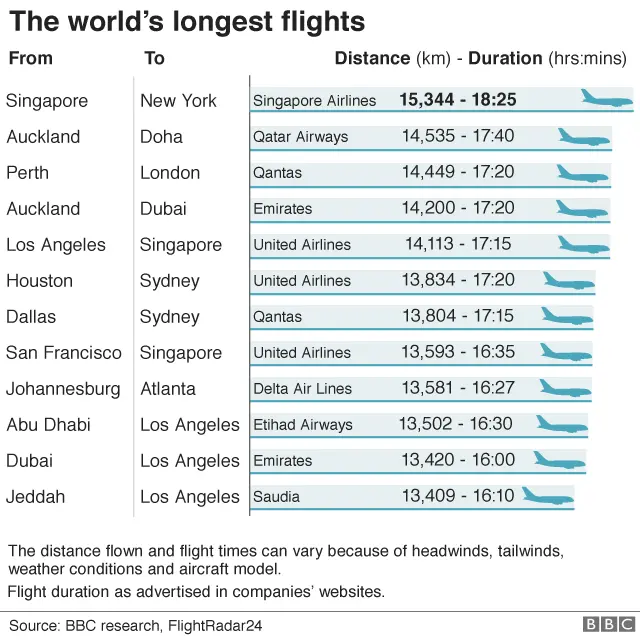
The flight duration from New York to Australia is significantly influenced by a variety of factors, primarily the specific route, the presence and duration of layovers, and the prevailing wind conditions. Unlike direct flights that might connect closer continents, this trans-Pacific trek almost invariably requires at least one stop, often two, to refuel and allow passengers to stretch their legs. Therefore, while the actual time spent in the air might be substantial, the total travel time, from wheels-up in New York to wheels-down in Australia, can stretch considerably.
Understanding the Flight Dynamics
When we talk about “flight time,” it’s essential to differentiate between the pure airtime and the total journey. Pure airtime refers to the hours you spend with the plane cruising at altitude. The total journey encompasses this airtime, plus the time spent on the ground during layovers, boarding, taxiing, and deplaning. For a trip from New York to Australia, the total journey time is often the more impactful figure for planning purposes.
Direct vs. Connecting Flights: The Crucial Distinction
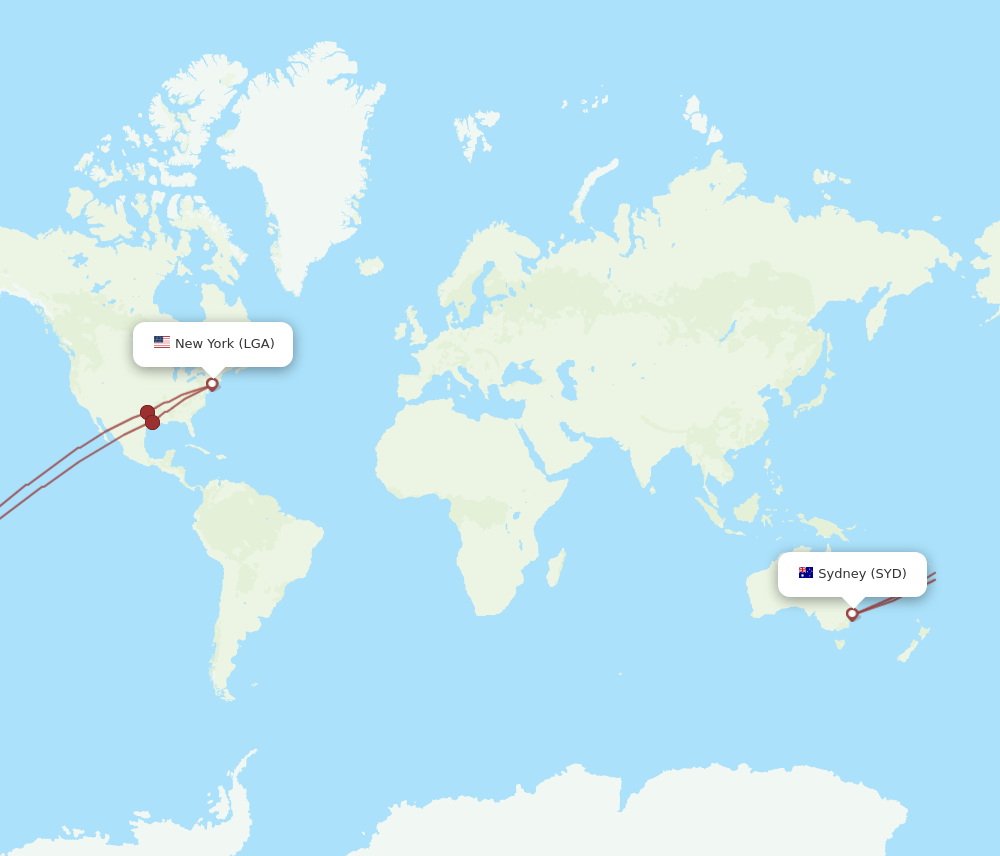
The concept of a “direct flight” between New York and Australia is, for all intents and purposes, a myth. Due to the immense distance, no commercial airline currently offers a non-stop service connecting these two points. This means every journey will involve at least one stopover. These layovers are typically in major international hubs, which can range from cities in Asia like Seoul, Tokyo, or Singapore, to hubs in the Middle East like Doha or Dubai, or even on the West Coast of the United States such as Los Angeles or San Francisco.
The duration of these layovers is a significant variable. Some flights are designed with relatively short connections, aiming to minimize overall travel time. Others may offer longer layovers, which can be an opportunity to briefly explore the layover city, grab a meal, or simply rest before the next leg of the journey. The length of the layover directly impacts the total travel time, turning a long flight into an extended expedition.
The Impact of Layover Locations
The choice of layover city can also influence the overall flight path and, consequently, the duration.
-
Flights via Asia: These are often the most common and can be quite efficient. Flights often depart New York, fly across the United States, and then head west across the Pacific Ocean. The layover might be in Seoul (South Korea), Tokyo (Japan), or Singapore. From these hubs, the flight continues to major Australian cities like Sydney, Melbourne, or Brisbane. The total travel time for these routes typically ranges from 20 to 26 hours.
-
Flights via the West Coast of the United States: Another popular option involves flying from New York to a major hub on the West Coast like Los Angeles or San Francisco. After a layover, you’ll then embark on the long haul across the Pacific to Australia. This route can sometimes involve slightly shorter flight times for the trans-Pacific leg itself, but the initial flight across the United States adds to the overall duration. Total travel times can again fall within the 20 to 26-hour range, depending heavily on the layover.
-
Flights via the Middle East: While less direct, some itineraries might route through hubs like Doha (Qatar) or Dubai (United Arab Emirates). This typically involves a flight from New York to the Middle East, followed by a very long flight from there to Australia. These routes tend to be the longest, often pushing the total travel time to 25 to 30 hours or even more, due to the longer distances and more extensive flight legs.
The Role of Jet Streams and Weather
Beyond the planned route and layovers, the natural world also plays a role in flight times. Jet streams, which are fast-flowing, narrow air currents found in the upper atmosphere, can significantly impact flight durations. Flying with a jet stream (a tailwind) can shorten flight times, while flying against one (a headwind) will lengthen them. Airlines strategically plan routes to take advantage of favorable jet streams whenever possible, particularly on long-haul flights. Weather patterns, especially around departure and arrival airports, can also cause delays, adding unexpected time to your journey.
Estimating Your Total Travel Time
Given these variables, providing a single definitive answer to “How long is the flight to Australia from New York?” is challenging. However, based on common flight paths and layover durations, a reasonable estimate for the total travel time is between 20 and 30 hours.
- The Shorter End (Around 20-22 hours): This usually involves efficient connections through Asian hubs or the West Coast of the United States, with minimal layover times.
- The Average (Around 22-26 hours): This is the most common range for flights with one moderate layover.
- The Longer End (26-30+ hours): This often accounts for longer layovers, less direct routes (like those through the Middle East), or potential delays.
When booking your flight, pay close attention to the total elapsed time listed by the airline. This figure will give you the most accurate representation of your entire journey from departure to arrival. It’s also wise to factor in an additional buffer for potential unforeseen delays, especially if you have onward travel arrangements or a tight schedule upon arrival in Australia.
Preparing for the Long Haul
A flight of this magnitude requires more than just booking a ticket; it demands preparation. To make the journey as comfortable and manageable as possible, consider the following:
In-Flight Comfort and Entertainment
With many hours spent in the confined space of an airplane cabin, comfort is paramount. Pack items that will help you relax and stay entertained.
- Comfort Essentials: Bring a neck pillow, an eye mask, and earplugs to aid sleep. Comfortable clothing, loose-fitting and layered, is essential. Consider bringing a cozy blanket or shawl, as cabin temperatures can fluctuate.
- Entertainment: While most long-haul flights offer in-flight entertainment systems with movies, TV shows, and music, don’t rely solely on them. Download your favorite movies, TV series, podcasts, and audiobooks onto your devices. A good book or an e-reader can also be a welcome companion.
- Connectivity: If you plan to work or stay connected, inquire about in-flight Wi-Fi availability and cost. Be aware that it can be expensive and sometimes unreliable.
Navigating Layover Strategies
Layover periods can be a blessing or a curse, depending on how you approach them.
- Embrace the Break: If you have a longer layover, use it to your advantage. Step out of the main terminal if time and visa regulations allow, and explore a bit of the layover city. Even a short walk in a nearby park or a meal at a local restaurant can break the monotony of travel.
- Airport Amenities: Most major international airports offer a range of amenities, including comfortable lounges (some accessible with premium tickets or through lounge passes), duty-free shopping, diverse dining options, and even relaxation areas or spas. Research your layover airport in advance to see what it offers.
- Stay Hydrated and Move: During layovers, it’s crucial to rehydrate and move your body. Walk around the airport, do some gentle stretches, and drink plenty of water. This will help combat the effects of dehydration and stiffness from sitting for extended periods.
Staying Healthy on Board
The combination of recycled air, dehydration, and sitting for long durations can take a toll on your health.
- Hydration is Key: Drink copious amounts of water. Avoid excessive alcohol and caffeine, as they can contribute to dehydration.
- Movement Matters: Get up and walk the aisle every hour or so to improve circulation and prevent blood clots. Simple in-seat exercises, like ankle rotations and leg stretches, can also be beneficial.
- Sleep Schedule: Try to adjust to Australia’s time zone as much as possible during the flight. If it’s nighttime in Australia, try to sleep. If it’s daytime, stay awake and exposed to light.
Planning Your Australian Adventure
Once you have a clearer understanding of your flight duration, you can better plan the rest of your trip. Whether you’re heading to the vibrant city life of Sydney, the cultural hub of Melbourne, or the tropical paradise of Queensland, knowing your travel time is the first step to an unforgettable experience.
Choosing Your Australian Destination
Australia offers an incredible diversity of experiences, catering to every type of traveler.
- For the City Explorer: Sydney boasts the iconic Opera House and Harbour Bridge, alongside world-class dining and shopping. Melbourne is renowned for its laneway cafes, vibrant arts scene, and sporting events.
- For the Nature Lover: The Great Barrier Reef offers unparalleled snorkeling and diving opportunities. Uluru, the majestic sandstone monolith in the heart of the Northern Territory, is a spiritual and visually stunning landmark. The lush rainforests of Daintree National Park and the stunning coastline of the Great Ocean Road are also must-sees.
- For the Wildlife Enthusiast: From unique marsupials like kangaroos and koalas in their natural habitat to the diverse marine life on the Great Barrier Reef, Australia is a haven for animal encounters.
Accommodation and Lifestyle Considerations
Your choice of accommodation and travel style will also be influenced by the length of your stay and your budget.
- Hotels and Resorts: Australia offers a vast array of hotels, from luxury resorts in prime locations like Hamilton Island to boutique hotels in city centers. Consider booking accommodations that offer amenities to help you recover from your long flight, such as a pool or a spa.
- Apartments and Villas: For longer stays or family trips, self-contained apartments or villas can provide more space and flexibility, allowing you to feel more at home.
- Budget Travel: For budget-conscious travelers, hostels, guesthouses, and caravan parks are widely available. These options often offer opportunities to meet other travelers and immerse yourself in local culture.
- Luxury Travel: For those seeking a more indulgent experience, Australia has an abundance of luxury lodges, private villas, and high-end resorts that offer exclusive experiences and impeccable service.
Ultimately, the flight from New York to Australia is a significant commitment of time, but it is a journey that rewards the traveler with experiences of a lifetime. By understanding the factors influencing flight duration and preparing accordingly, you can ensure your adventure down under begins on the right foot, making the long hours in the air a worthwhile prelude to the wonders that await.
LifeOutOfTheBox is a participant in the Amazon Services LLC Associates Program, an affiliate advertising program designed to provide a means for sites to earn advertising fees by advertising and linking to Amazon.com. Amazon, the Amazon logo, AmazonSupply, and the AmazonSupply logo are trademarks of Amazon.com, Inc. or its affiliates. As an Amazon Associate we earn affiliate commissions from qualifying purchases.