
For travelers planning a visit, business professionals scheduling meetings, or anyone simply curious about the rhythm of life in the Motor City, understanding the local time zone is fundamental. Detroit, Michigan, operates within the Eastern Time Zone, adhering to both Eastern Standard Time (EST) and Eastern Daylight Time (EDT) depending on the season. This places Detroit five hours behind Coordinated Universal Time (UTC-5) during EST and four hours behind (UTC-4) during EDT. This seemingly simple fact has a ripple effect across all aspects of travel, tourism, and daily lifestyle in this vibrant Midwestern United States hub, influencing everything from flight schedules and hotel check-ins to local attractions’ operating hours and the timing of major events.

Understanding the Eastern Time Zone: EST and EDT
The concept of time zones, while seemingly straightforward, plays a crucial role in global connectivity and local scheduling. For Detroit, being firmly entrenched in the Eastern Time Zone means it shares its temporal rhythm with many major cities along the United States’s East Coast, including New York City, Boston, Miami, and Atlanta, as well as significant parts of eastern Canada.
The Basics: Eastern Standard Time vs. Eastern Daylight Time
The distinction between EST and EDT is tied to Daylight Saving Time (DST).
- Eastern Standard Time (EST): This is the default time observed during the colder months. From early November to early March, Detroit operates on EST, which is UTC-5. During this period, the days are shorter, and setting the clocks back by an hour helps align sunrise with typical waking hours.
- Eastern Daylight Time (EDT): As spring approaches, Detroit, like most of the United States, springs forward an hour, switching to EDT. This occurs on the second Sunday in March and lasts until the first Sunday in November. EDT is UTC-4, effectively extending daylight into the evening hours during the warmer seasons. This adjustment, often referred to as “Spring Forward” and “Fall Back”, aims to make better use of natural daylight, benefiting everything from outdoor activities and tourism to energy consumption.
For travelers, this seasonal shift is crucial. Arriving in Detroit during the transition periods requires a quick mental adjustment. Most modern smartphones and electronic devices will automatically update, but it’s always wise to double-check local times, especially when coordinating with people in different time zones or planning specific events. This is particularly relevant for those traveling from the Central Time Zone (UTC-6/-5) or further west, where the time difference can be more significant and lead to potential confusion upon arrival.
Why Michigan Stays in EST/EDT
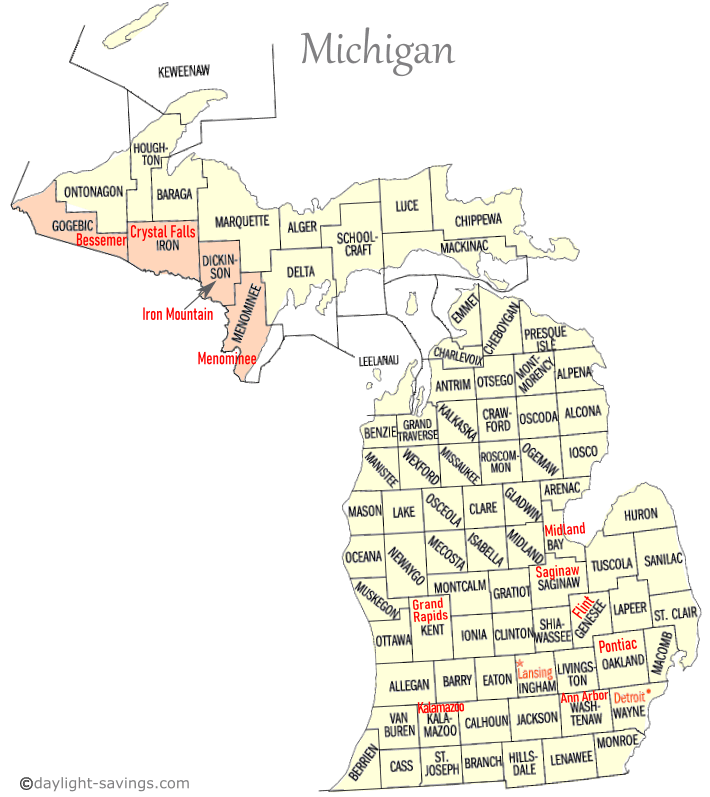
Michigan’s adherence to the Eastern Time Zone is primarily due to its geographic location and strong economic and cultural ties to the eastern United States. While a portion of the Upper Peninsula technically falls west enough to be in the Central Time Zone, the vast majority of the state, including its largest population centers like Detroit, Grand Rapids, and Lansing, remains in EST/EDT. This consistency simplifies commerce, communication, and travel within the state and with its closest major partners.
The decision to keep the entire Lower Peninsula in one time zone streamlines business operations, educational schedules, and government functions. Imagine the logistical nightmare if one half of a metropolitan area like Detroit were an hour ahead or behind the other – it would significantly complicate everything from public transport to coordinated emergency services. This uniformity ensures a cohesive rhythm for the state, benefiting residents and visitors alike.
Navigating Detroit: Time Zone Tips for Travelers
Understanding Detroit’s time zone is more than just knowing what time it is; it’s about seamlessly integrating into the local lifestyle and maximizing your travel experience. From booking accommodations to exploring landmarks and engaging in local tourism, being mindful of the clock is paramount.
Planning Your Detroit Itinerary
When planning your trip to Detroit, factor in the Eastern Time Zone for all your arrangements.
- Flight and Train Schedules: All arrival and departure times for Detroit Metropolitan Wayne County Airport (DTW) or Amtrak services will be listed in local Detroit time. If you’re flying from the west, remember you’ll effectively “lose” an hour or two (or more) when you land, which can contribute to jet lag.
- Hotel Check-in/Check-out: Most Detroit hotels, whether luxury options like the Shinola Hotel or the Detroit Marriott at the Renaissance Center, or boutique accommodations such as The Siren Hotel, typically have check-in times around 3:00 PM and check-out times around 11:00 AM or 12:00 PM local time. Be aware of this, especially if you have early morning arrivals or late departures, and consider requesting early check-in or late check-out if needed. Some hotels near the Detroit-Windsor Tunnel might cater to cross-border travelers, so confirming times is always a good idea.
- Restaurant Reservations: Popular Detroit restaurants, from upscale dining in Downtown Detroit to casual eateries in Corktown or Greektown, operate on EST/EDT. Making reservations in advance, especially for weekend evenings, is highly recommended.
Business and Leisure: Adapting to the Local Time
Whether your travel to Detroit is for business or leisure, understanding the local time impacts your schedule.
- Business Stays: If you’re in Detroit for corporate events or meetings, all appointments will naturally adhere to the local Eastern Time. This is particularly important when coordinating with colleagues in other time zones, such as those on the West Coast who will be three hours behind. Many business-focused hotels, like those in the GM Renaissance Center, are well-equipped to assist with time zone differences for international guests.
- Leisure Activities: Detroit’s vibrant cultural scene and numerous attractions also follow the Eastern Time Zone. Concerts at the Fox Theatre, games at Comerica Park, Ford Field, or Little Caesars Arena, and performances at various Midtown Detroit venues will all commence at their scheduled EST/EDT times.
Beyond the Clock: Detroit’s Vibrant Lifestyle and Time Zone Integration
The time zone isn’t just a technical detail; it shapes the rhythm of life in Detroit, influencing everything from peak tourist hours to the flow of daily commerce and leisure. Detroit’s connection to the Eastern Time Zone also strategically aligns it with major markets and transportation hubs, making it an accessible and convenient destination.
Famous Detroit Landmarks and Their Operating Hours
When exploring Detroit’s rich history and cultural attractions, their operating hours will, of course, be set to local time.
- The Henry Ford Museum and Greenfield Village: These iconic Dearborn institutions, celebrating American innovation and the legacy of Henry Ford, typically open between 9:00 AM and 10:00 AM and close between 3:00 PM and 5:00 PM EST/EDT, varying by season.
- Detroit Institute of Arts (DIA): Home to an impressive collection of art, including the famous Detroit Industry Murals by Diego Rivera, the DIA generally welcomes visitors from mid-morning to late afternoon.
- Motown Museum: “Hitsville U.S.A.” where the legendary Motown sound was born, has specific tour times that are rigorously scheduled. Booking in advance and arriving promptly at your Eastern Time slot is essential.
- Belle Isle Park: This urban oasis in the Detroit River is generally accessible from early morning until late evening, providing ample daylight hours for enjoyment, especially during EDT.
- Architectural Gems: Exploring structures like the Guardian Building or the Fisher Building might involve self-guided tours during business hours or specific guided tours. Always check their websites for the most current information, which will be in Detroit local time.
Understanding these operating hours in relation to Detroit’s time zone allows for efficient planning of your travel itinerary, ensuring you make the most of your visit without missing out on key experiences.
Detroit Hospitality: Hotels and Accommodation in Sync
Accommodation providers in Detroit are well-versed in managing time zone differences for guests arriving from various parts of the globe. From the moment you book your stay to your final check-out, all services are synchronized with the local Eastern Time Zone.
- Booking and Confirmation: When booking online, ensure that the times displayed for availability, check-in, and check-out are clearly understood in relation to your home time zone. Confirmation emails will almost always specify times in the property’s local time.
- Amenities and Services: Hotel amenities, such as breakfast hours, fitness center access, spa appointments, and concierge services, all operate on Detroit’s time. For those experiencing jet lag, luxury resorts like MGM Grand Detroit or MotorCity Casino Hotel often provide 24-hour room service or facilities that cater to guests adjusting to the new time.
- Long-term Stays: For those considering long-term stays in Detroit for work or extended tourism, adapting to the Eastern Time Zone becomes a daily rhythm. Serviced apartments and extended-stay hotels are designed to help make this transition as comfortable as possible, providing home-like conveniences that aid in establishing a local routine.
Cross-Border Considerations: Detroit and Canada
One unique aspect of Detroit’s location is its proximity to Canada. The Detroit River separates Detroit, Michigan, from Windsor, Ontario. Conveniently, both cities observe the same Eastern Time Zone (EST/EDT). This simplifies cross-border travel immensely, whether you’re using the Ambassador Bridge or the Detroit-Windsor Tunnel for business or pleasure. You won’t need to adjust your watch when crossing the Canada-US border, making a day trip to Windsor a seamless experience. This shared time zone facilitates economic ties, cultural exchange, and family visits between these two closely linked cities.

Conclusion
In summary, Detroit, Michigan, operates within the Eastern Time Zone, observing Eastern Standard Time (UTC-5) during winter months and Eastern Daylight Time (UTC-4) from March to November. This temporal alignment, shared with much of the United States’s East Coast and neighboring Ontario, Canada, is a critical piece of information for anyone engaging with the city.
For those planning to explore Detroit’s rich automotive history, vibrant arts scene, diverse culinary landscape, or booming business districts, being aware of the time zone is the first step toward a well-planned and enjoyable experience. From coordinating flights and hotel bookings to ensuring you arrive on time for a game, concert, or museum tour, the Eastern Time Zone dictates the rhythm of this dynamic city. So, set your watches, plan your itinerary, and get ready to immerse yourself in the unique lifestyle and tourism offerings of The D. With this knowledge in hand, your travels to Detroit are sure to be on time and unforgettable.
LifeOutOfTheBox is a participant in the Amazon Services LLC Associates Program, an affiliate advertising program designed to provide a means for sites to earn advertising fees by advertising and linking to Amazon.com. Amazon, the Amazon logo, AmazonSupply, and the AmazonSupply logo are trademarks of Amazon.com, Inc. or its affiliates. As an Amazon Associate we earn affiliate commissions from qualifying purchases.