
The allure of exotic pets has long captured the imagination, and for some, a monkey seems like the ultimate companion. In the vast and diverse landscape of Texas, where vast ranches meet bustling cities, the question of whether one can legally own such a primate is a pertinent one. This exploration delves into the intricacies of Texas law regarding exotic animal ownership, with a particular focus on primates, and navigates the complex web of regulations that govern what creatures can and cannot be kept as pets. While Texas is often perceived as a state with fewer restrictions, particularly on firearms and land use, its stance on exotic animals is more nuanced, influenced by public safety, animal welfare, and conservation concerns.
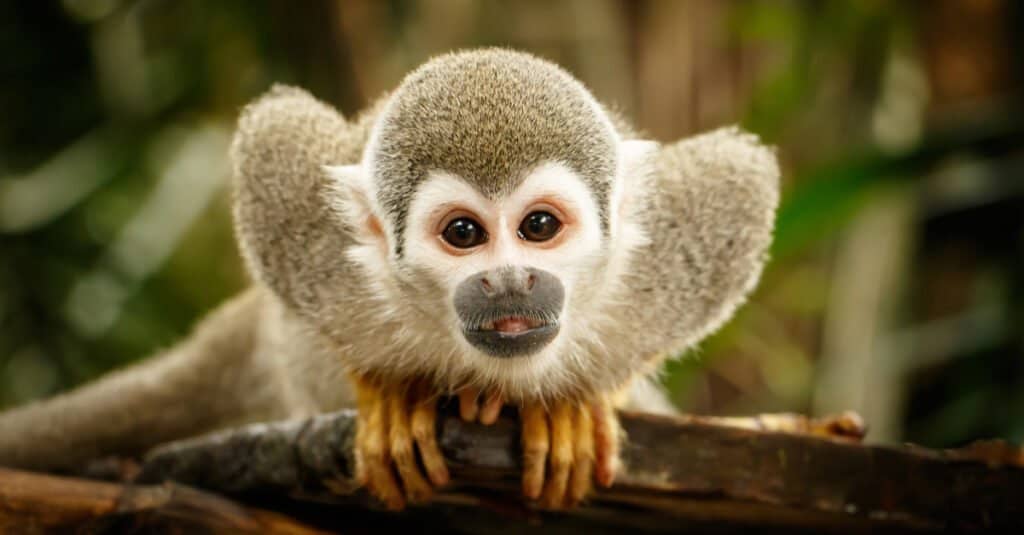
The desire to own a monkey can stem from various motivations. Some are drawn to their intelligence and perceived human-like qualities, imagining a unique bond and an enriching lifestyle. Others might be captivated by the idea of possessing a rare and impressive animal, a status symbol of sorts. However, the reality of monkey ownership is far more demanding and ethically complex than the romanticized notion often portrayed in media. These are wild animals with intricate social structures, specific dietary needs, and behavioral patterns that are difficult to replicate in a domestic setting. Furthermore, their ownership is subject to stringent legal frameworks designed to protect both the animals and the public.
Navigating Texas’s Exotic Animal Laws: A Primate Perspective
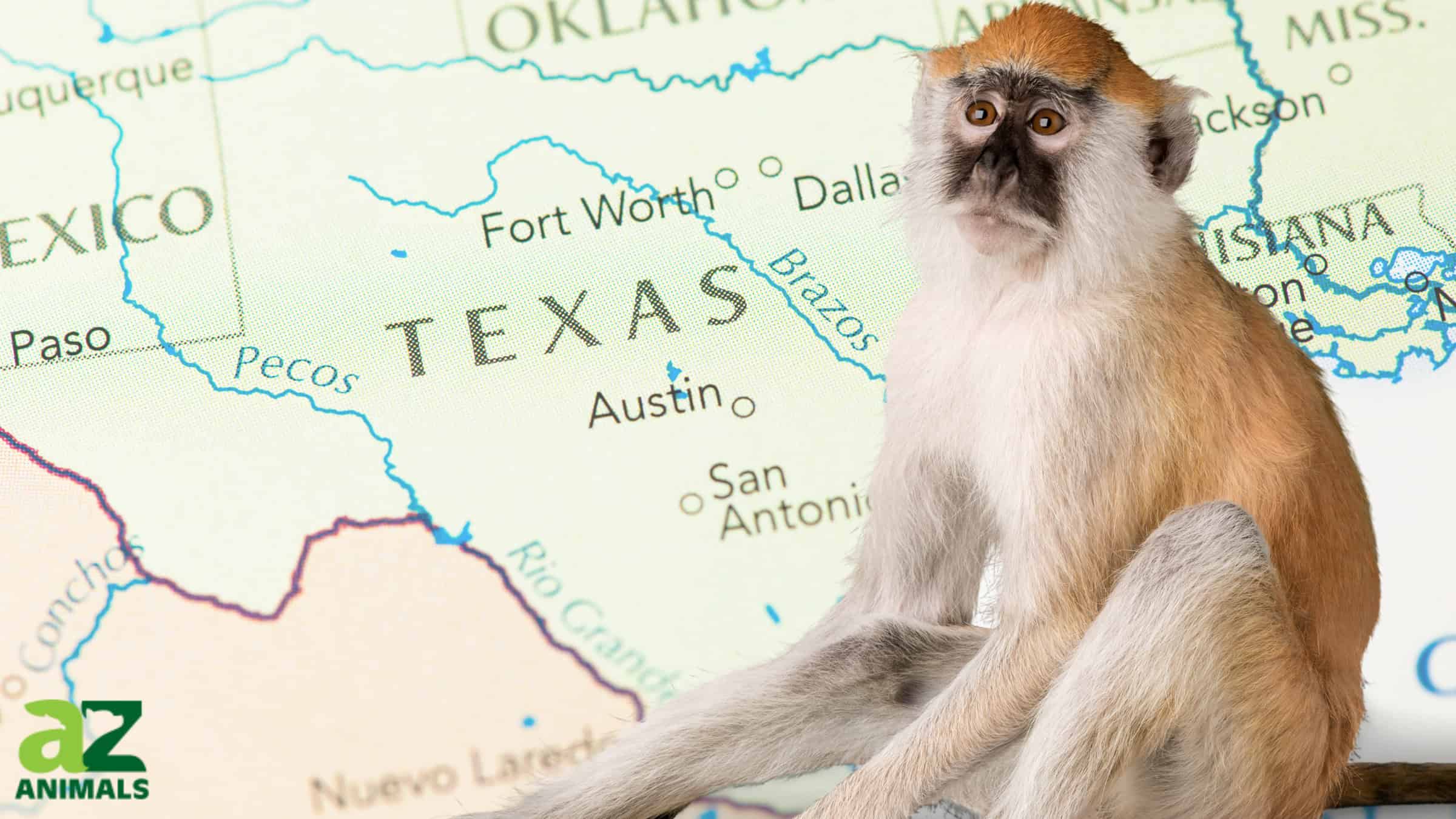
Texas maintains a layered approach to regulating exotic animal ownership, overseen primarily by the Texas Parks and Wildlife Department (TPWD) and the Texas Animal Health Commission (TAHC). The legality of owning a monkey in Texas is not a simple yes or no answer but depends heavily on the specific species of monkey, its origin, and the intended purpose of ownership. The state categorizes wildlife, and animals deemed dangerous or invasive often fall under strict prohibitory rules.
The Role of Texas Parks and Wildlife
The Texas Parks and Wildlife Department plays a crucial role in identifying and regulating exotic species that pose a threat to native ecosystems or public health. Their regulations are often based on scientific assessments of an animal’s potential to become invasive, its capacity to transmit diseases, and its inherent dangerousness. For primates, this often translates to a cautious approach. Many monkey species are considered exotic and, depending on the classification, may require special permits or be outright prohibited from private ownership.
The TPWD’s regulations are detailed and aim to strike a balance between the desire for exotic pet ownership and the need for ecological preservation and public safety. They maintain lists of prohibited species, and if a particular monkey falls under these categories, private ownership is generally not permitted. This is a critical first step for anyone considering such an exotic companion. The classification process by TPWD considers factors such as the animal’s reproductive potential, its ability to survive and reproduce in the Texas environment, and its potential impact on native wildlife.
Understanding Species-Specific Regulations
The broad category of “monkey” encompasses a vast array of species, each with its own biological characteristics and associated risks. Texas law often differentiates between various primate families and species. For instance, a small Marmoset might be viewed differently than a larger Capuchin or a more potentially aggressive Macaque. The Texas Animal Health Commission also weighs in, particularly concerning diseases that primates can transmit to humans or livestock, known as zoonotic diseases.
Primates, in general, are known carriers of various diseases, some of which can be serious or even fatal to humans. This public health concern is a significant factor in regulatory decisions. Therefore, even if a specific monkey species is not explicitly listed as prohibited by TPWD, its ownership might still be subject to strict quarantine, health screening, and veterinary oversight. This underscores the responsibility that comes with even attempting to own such an animal.
Permit Requirements and Animal Health
If a particular monkey species is permissible for ownership in Texas, it almost invariably requires a permit. These permits are not easily obtained and typically involve demonstrating that the applicant can provide appropriate housing, care, and security for the animal. The Texas Animal Health Commission might require extensive veterinary records, proof of specialized enclosure construction, and a detailed plan for the animal’s diet and enrichment. The process is designed to ensure that only responsible and capable individuals are granted permission to own these animals.
The health of the animal is paramount. Regular veterinary check-ups by a veterinarian experienced with exotic animals are usually mandated. Furthermore, owners must be prepared for the potential costs associated with specialized veterinary care, which can be significantly higher than for common domestic pets. The TAHC’s involvement ensures that diseases that could impact human or animal populations are managed and prevented from spreading.
Beyond Legality: The Realities of Monkey Ownership
Even if an individual successfully navigates the legal hurdles and obtains the necessary permits to own a monkey in Texas, the journey is far from over. The practicalities and ethical considerations of keeping a monkey as a pet are substantial and often underestimated. This section delves into the significant challenges that prospective owners must confront.
The Demanding Nature of Primate Care
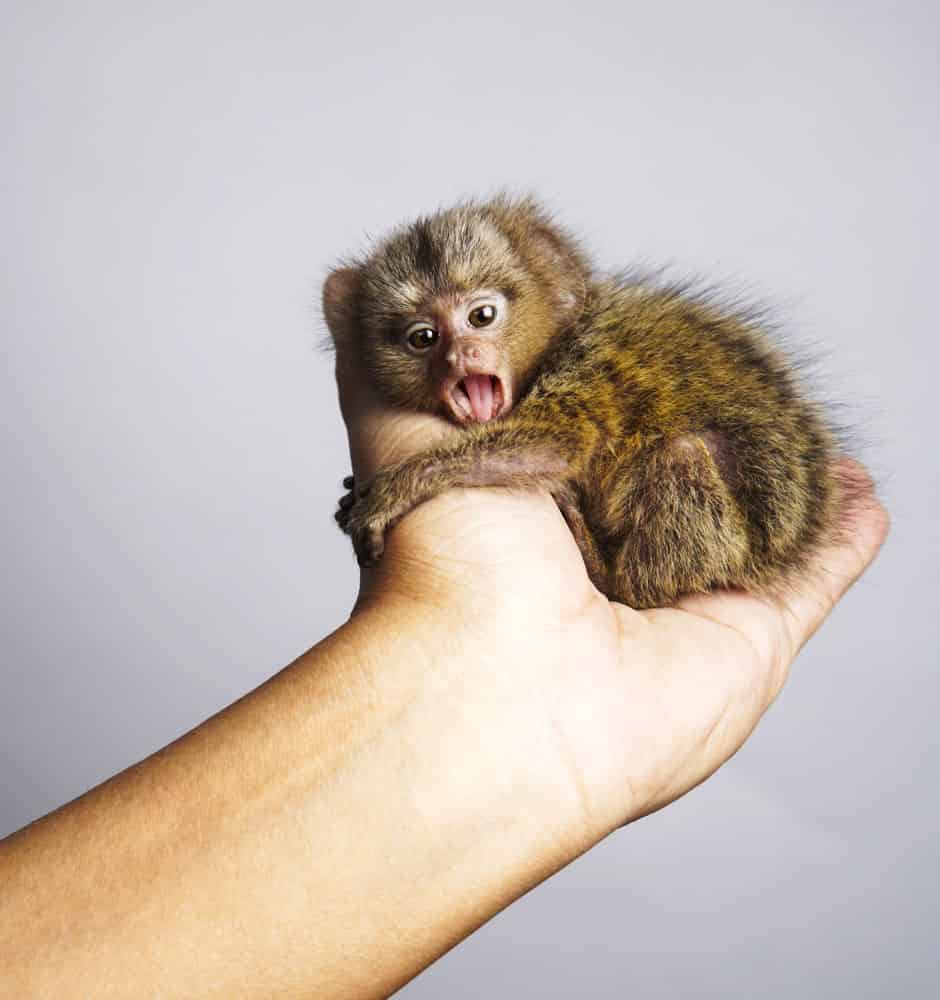
Monkeys are not domesticated animals in the same way as dogs or cats. They possess complex behavioral needs that are difficult to meet in a typical household environment. Social interaction, intellectual stimulation, and a specific diet are crucial for their well-being. A lonely or bored monkey can develop severe behavioral problems, including self-harm, aggression, and destructive tendencies. Providing an environment that mimics their natural habitat, with ample climbing structures, foraging opportunities, and social engagement, is a monumental task.
Their dietary requirements are also highly specific. Many species require a varied diet of fruits, vegetables, insects, and sometimes specialized primate chow. Improper nutrition can lead to serious health issues, including metabolic bone disease and dental problems. Furthermore, monkeys can be notoriously difficult to house-train. They are naturally inclined to defecate and urinate wherever they please, which can create significant sanitation challenges within a home.
Socialization and Behavioral Challenges
Primates are highly social creatures, often living in complex hierarchies within their natural troops. When kept in isolation or with only human interaction, they can experience significant psychological distress. This can manifest in a variety of behavioral issues, including aggression towards humans or other pets, anxiety, and depression. The natural instinct of a monkey is not to be a subservient pet but a wild animal with its own set of social dynamics and communication methods.
As monkeys mature, their behavior can change dramatically. What might be an adorable infant can grow into a strong, unpredictable adult. Male monkeys, in particular, can become territorial and aggressive, especially during mating season. The strength and dexterity of their hands and mouths mean they can inflict serious bites and scratches, posing a significant risk to owners, family members, and visitors. Many owners find themselves unable to safely handle their adult monkeys, leading to heartbreaking decisions about rehoming or sanctuary placement.
The Ethical Imperative: A Wild Animal’s Place
Beyond the legal and practical challenges, there is a profound ethical question to consider: is it right to keep a wild animal, especially one as intelligent and social as a monkey, in a domestic setting? Many animal welfare organizations and primatologists argue strongly against private ownership of monkeys. They emphasize that these animals are not suited for life as pets and that their complex needs can rarely be fully met outside of their natural environments or specialized zoological facilities.
The exotic pet trade also raises ethical concerns regarding animal sourcing. While some monkeys might be bred in captivity, others may be taken from the wild, contributing to population declines and disrupting ecosystems. Furthermore, the demand for exotic pets fuels an industry that can sometimes involve inhumane treatment during capture, transport, and sale. For these reasons, many people who are passionate about animal welfare choose not to pursue monkey ownership, opting instead to support conservation efforts in their natural habitats or to engage with monkeys in ethical and responsible ways, such as visiting reputable sanctuaries or wildlife parks.
Alternatives to Owning a Monkey in Texas
Given the significant legal, practical, and ethical challenges associated with monkey ownership in Texas, many individuals who are captivated by these primates seek alternative ways to appreciate them. Fortunately, Texas offers several avenues for experiencing and learning about monkeys without the immense responsibility and potential risks of private ownership.
Supporting Conservation and Sanctuaries
One of the most impactful ways to engage with the world of monkeys is by supporting organizations dedicated to their conservation and welfare. Texas is home to several reputable animal sanctuaries and wildlife rehabilitation centers that provide a safe haven for rescued exotic animals, including primates. Visiting these facilities, donating to their cause, or volunteering time can be incredibly rewarding. These organizations often offer educational programs that provide valuable insights into monkey behavior, biology, and conservation needs.
Places like the San Antonio Zoo or the Fort Worth Zoo offer opportunities to see various primate species in well-designed enclosures, allowing for observation and learning. These institutions are committed to the ethical treatment and care of their animals, and their exhibits often include educational information about the species and their roles in the wild. Supporting these reputable institutions indirectly contributes to the broader understanding and conservation of primates.
Experiencing Monkeys in Naturalistic Settings
For those who dream of observing monkeys in environments that are closer to their natural habitats, visiting accredited zoos and zoological parks is an excellent option. These facilities invest heavily in creating species-appropriate enclosures that promote natural behaviors and provide enrichment. Texas boasts several world-class zoos that house a diverse range of primate species, allowing visitors to witness their antics and learn about their unique characteristics from knowledgeable staff.
The Houston Zoo, for example, often features exhibits with primates, offering visitors a chance to observe them and learn about their conservation status. These experiences provide a window into the lives of these fascinating creatures without the inherent difficulties and ethical dilemmas of private ownership. It allows for appreciation and education while ensuring the animals’ well-being is prioritized.
Ultimately, the question of whether it is legal to own a monkey in Texas is complex, with stringent regulations in place to protect both public safety and animal welfare. While outright prohibition for many species exists, even permissible ownership requires extensive permits, specialized knowledge, and significant resources. The demanding nature of primate care, coupled with the ethical considerations surrounding keeping wild animals as pets, leads many to conclude that alternative avenues for appreciating these remarkable creatures are both more responsible and more fulfilling. Texas offers a variety of ways to connect with the primate world, from supporting conservation efforts to visiting educational institutions, ensuring that the fascination with these animals can be pursued ethically and responsibly.
LifeOutOfTheBox is a participant in the Amazon Services LLC Associates Program, an affiliate advertising program designed to provide a means for sites to earn advertising fees by advertising and linking to Amazon.com. Amazon, the Amazon logo, AmazonSupply, and the AmazonSupply logo are trademarks of Amazon.com, Inc. or its affiliates. As an Amazon Associate we earn affiliate commissions from qualifying purchases.