
When planning a trip to the Sunshine State, most travelers envision endless stretches of pristine beaches, exhilarating theme park adventures, and vibrant cityscapes. Questions about hurricanes, humidity, and even alligators often arise, but one query that surprisingly surfaces from time to time is: “Does Florida get earthquakes?” For those accustomed to the seismic activity of other parts of the world, it’s a valid concern. However, the short answer is a reassuring “very rarely,” and when they do occur, they are almost universally minor and imperceptible to most.
Florida is renowned globally as a premier travel destination, attracting millions to its sun-drenched shores and world-class attractions. From the magical realm of Walt Disney World Resort in Orlando to the vibrant nightlife of Miami, the state offers an unparalleled array of experiences. Understanding the geological stability of your chosen destination is a fundamental aspect of responsible travel planning, contributing to a sense of security and allowing you to fully immerse yourself in the local culture and activities. This article delves into the seismic realities of Florida, dispelling myths and providing a comprehensive overview for the discerning traveler, ensuring your focus remains on creating unforgettable memories rather than worrying about ground tremors.

Unpacking Florida’s Seismic Profile: A State of Calm
Unlike regions famously situated along tectonic plate boundaries, such as California or Japan, Florida enjoys a remarkably tranquil geological existence. Its position far from these active zones is the primary reason for its general seismic serenity, making it one of the safest places in the United States from an earthquake perspective.
The Geological Lowdown: Why Florida Stays Still
Florida rests on a very stable part of the North American tectonic plate, far from any major fault lines that could generate significant seismic activity. The state’s geological foundation primarily consists of ancient limestone bedrock, which is generally not prone to the sudden, violent movements associated with major earthquakes. This stable platform means that the immense stresses and pressures that drive seismic events in other parts of the world simply aren’t present here in a significant way.
The geological stability is a significant factor contributing to Florida’s appeal as a long-term stay or retirement destination, offering peace of mind to residents and visitors alike. When considering accommodation, from luxury villas in Naples to family-friendly resorts near Daytona Beach, the underlying stability of the land adds an unseen layer of comfort. It means that the elaborate architecture of famous landmarks like the Ringling Museum in Sarasota or the historic structures of St. Augustine are built on solid ground, unaffected by the tectonic shifts that challenge builders in other regions. This fundamental geological truth underpins the very fabric of life in the Sunshine State, allowing its vibrant tourism and real estate sectors to flourish without the constant specter of seismic disruption.
Historical Tremors: Rare Occurrences and Distant Ripples
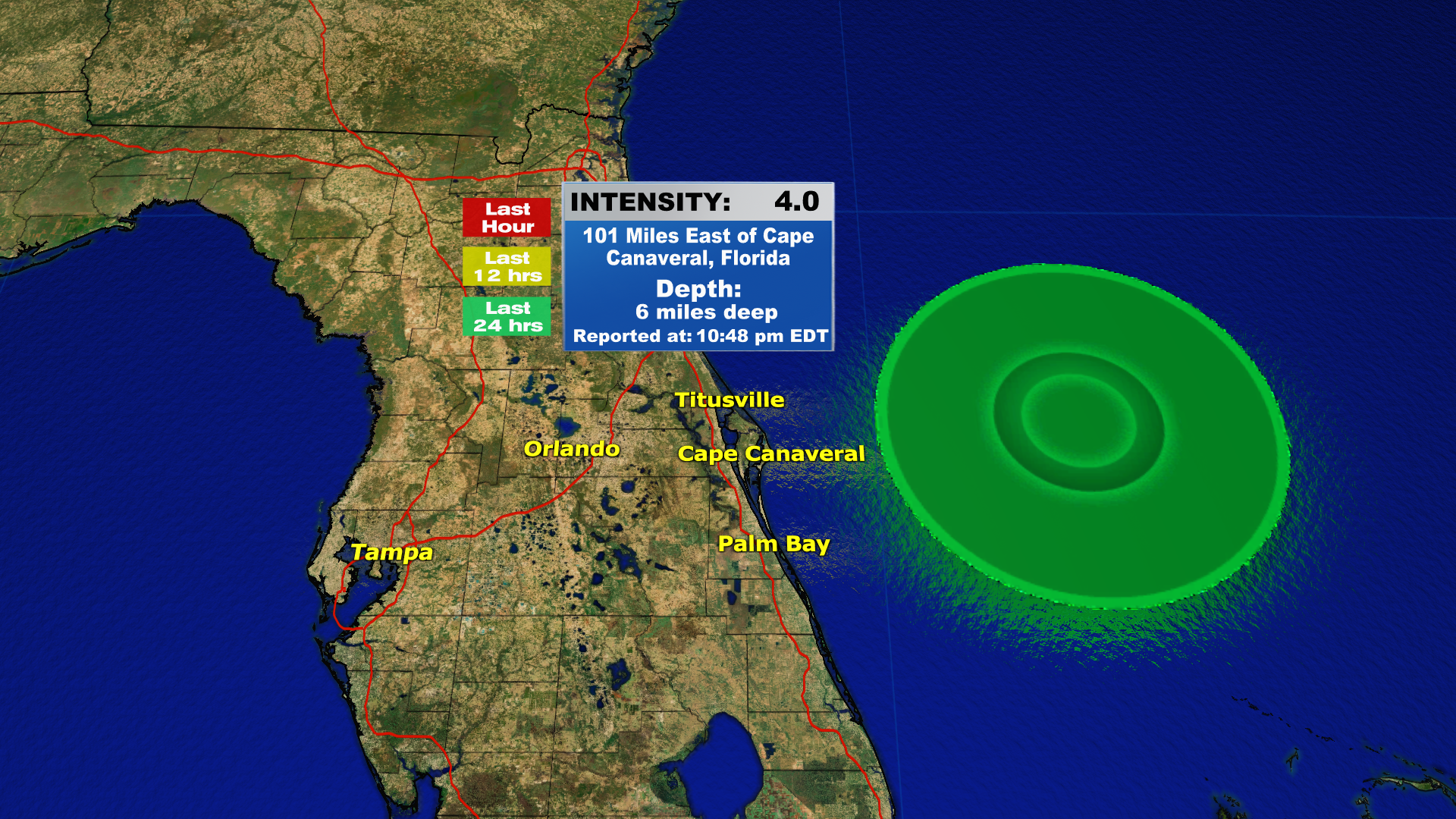
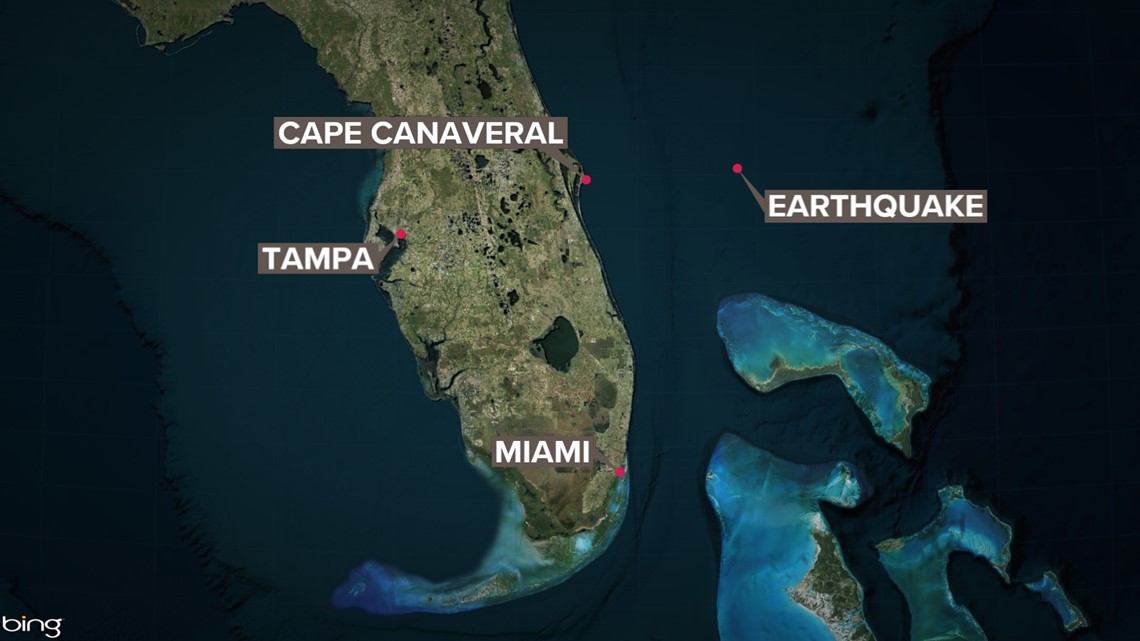
To put Florida’s seismic history into perspective, one must understand the rarity and low intensity of the events that have occurred. Records show that the state has experienced only a handful of minor earthquakes throughout its recorded history, none of which have caused significant damage or widespread concern. These events are typically low-magnitude, often barely perceptible, and are more likely to be felt as a slight tremor or vibration rather than a violent shake.
Many of the “earthquakes” reported in Florida are actually distant events. Tremors from significant earthquakes originating in the Caribbean Sea, the Gulf of Mexico, or even as far away as Mexico can occasionally ripple across the stable bedrock of the state. These distant reverberations are usually felt only by those in high-rise buildings or by very sensitive individuals, and they pose no threat to life or property. For example, a significant earthquake in the Gulf of Mexico in 2006, with a magnitude of 5.9, was widely felt across Florida, but it caused no damage and served primarily as a curious conversation starter. Such events are a testament to the interconnectedness of our planet’s geology, but they do not indicate a local seismic hazard.
Differentiating Earthquakes from Florida’s Other Geological Events
While genuine earthquakes are exceedingly rare in Florida, the state is not entirely devoid of ground movement. It is crucial for travelers and residents to understand the difference between actual seismic activity and other geological phenomena that can sometimes be mistaken for earthquakes.
Sinkholes: The Sunshine State’s More Common Ground Movement
Perhaps the most well-known geological event in Florida, and one often confused with an earthquake by the uninitiated, is the formation of sinkholes. Sinkholes occur when the limestone bedrock beneath the surface erodes due to groundwater, creating subterranean caverns that eventually collapse, causing the surface ground to subside. These events can be dramatic and damaging, swallowing homes, roads, and other structures.
However, sinkholes are fundamentally different from earthquakes. Earthquakes are caused by the sudden release of energy along fault lines, leading to seismic waves that shake the ground. Sinkholes, by contrast, are a localized phenomenon resulting from the collapse of an underground cavity. While both involve ground movement, their origins, mechanisms, and impacts are distinct. Travelers to Florida should be more aware of the signs and risks of sinkholes, particularly during periods of heavy rain or drought, than they are of earthquakes. Information on localized sinkhole activity is often available from local authorities, though significant, sudden sinkholes are still relatively uncommon and localized events.
Distant Quakes and Their Faint Echoes
As mentioned, some of the ground tremors experienced in Florida are actually the distant echoes of powerful earthquakes originating far away. The sheer size of the North American tectonic plate means that vibrations from major seismic events, even those thousands of miles away, can propagate through the Earth’s crust and be faintly felt in stable regions like Florida.
These distant tremors are analogous to feeling the faint rumble of a faraway thunderstorm. They are not indicative of local geological instability and pose no threat. While interesting from a scientific perspective, they have no practical implications for tourism or daily life in Florida. For a traveler enjoying the calm waters off South Beach or exploring the historic districts of Jacksonville, the remote possibility of feeling such a distant tremor should not factor into their travel plans or safety concerns. The focus should remain on enjoying the abundant attractions and experiences Florida has to offer.
Travel Safety in Florida: Focusing on Real Risks, Not Rare Ones
For anyone planning a trip to Florida, understanding the actual safety considerations is far more practical than dwelling on the near-mythical threat of earthquakes. The state’s unique geography and climate present different, more tangible considerations for travelers.
Hurricane Preparedness: A Prudent Approach for Travelers
The most significant natural hazard in Florida is undoubtedly hurricanes and tropical storms, particularly during the Atlantic hurricane season from June 1st to November 30th. While earthquakes are geological anomalies, hurricanes are an annual meteorological reality that travelers should be aware of and prepared for.
If you are planning a trip during hurricane season, it is wise to:
- Monitor Weather Forecasts: Stay updated on storm developments through reliable sources.
- Consider Travel Insurance: Comprehensive travel insurance that covers hurricane-related cancellations or interruptions is highly recommended. Many policies offer “cancel for any reason” options that provide additional flexibility.
- Have a Flexible Itinerary: Be prepared to adjust your plans, postpone, or even evacuate if a storm threatens your chosen destination. Hotels often have specific hurricane policies, so it’s good to inquire when booking.
- Know Your Accommodation’s Plan: Resorts and hotels like the JW Marriott Orlando, Grande Lakes or The Don CeSar on St. Pete Beach typically have emergency protocols in place for guests during severe weather events.
Understanding and preparing for hurricane season is a prime example of responsible tourism, ensuring a smooth and safe experience even in the face of Florida’s more common natural phenomena.
Sun, Storms, and Wildlife: Navigating Florida’s Natural Environment
Beyond hurricanes, other aspects of Florida’s natural environment require common-sense precautions from travelers:
- Sun Protection: The Florida sun is powerful. Sunscreen, hats, sunglasses, and seeking shade, especially during peak hours, are essential to prevent sunburn and heatstroke.
- Afternoon Thunderstorms: Especially common during the summer months, sudden, intense thunderstorms can bring heavy rain and lightning. They usually pass quickly, but it’s wise to seek shelter indoors when they strike.
- Water Safety: Whether swimming in the Atlantic Ocean or the Gulf of Mexico, or enjoying water parks, always be mindful of currents, marine life, and local advisories.
- Wildlife Awareness: Florida is home to diverse wildlife, including alligators, snakes, and various insects. While encounters are usually harmless, especially in tourist areas, it’s always best to observe from a distance and avoid feeding wild animals, particularly in natural preserves like Everglades National Park.
These practical safety tips ensure that your focus remains on enjoying the incredible attractions and experiences Florida has to offer, without undue concern for geological events that rarely, if ever, impact daily life or travel plans.
Why Florida Remains a Premier Travel Destination
Despite the negligible risk of earthquakes, it’s important to circle back to why Florida continues to captivate visitors from across the globe. Its allure is undeniable, built on a foundation of diverse attractions, world-class hospitality, and a lifestyle that caters to every conceivable traveler.
Iconic Attractions and Pristine Beaches Beckon
Florida’s reputation as a top travel destination is well-earned. The state boasts an unparalleled collection of theme parks, from the enchanting kingdoms of Magic Kingdom and Epcot at Walt Disney World Resort, to the thrilling rides of Universal Studios Florida and Islands of Adventure at Universal Orlando Resort, and the animal encounters at Busch Gardens Tampa Bay and SeaWorld Orlando. These destinations offer immersive experiences that draw millions of families, couples, and solo adventurers year after year.
Beyond the man-made marvels, Florida’s natural beauty is equally compelling. The state’s coastline stretches for thousands of miles, offering an incredible variety of beaches. From the sugar-white sands of Siesta Key Beach near Sarasota to the lively shores of Clearwater Beach and the vibrant energy of South Beach in Miami, there’s a perfect spot for every beach lover. The unique ecosystem of the Everglades National Park offers an opportunity for wildlife viewing unlike anywhere else, while the laid-back charm of the Florida Keys, culminating in the eccentric beauty of Key West, provides a tropical escape that feels worlds away. Historical towns like St. Augustine, the nation’s oldest continuously inhabited European-established settlement, offer a glimpse into centuries of rich history and architecture. Even the scientific marvels at the Kennedy Space Center stand testament to humanity’s ambition, all on ground that rarely trembles.
Accommodation and Lifestyle Choices for Every Traveler
The diversity of Florida’s offerings extends to its vast array of accommodation options and lifestyle experiences. Whether you’re seeking a luxurious retreat, a budget-friendly stay, or something in between, Florida delivers.
- Luxury Travel: The state is home to some of the world’s most opulent resorts, like The Ritz-Carlton, Amelia Island, The Breakers Palm Beach, or the Four Seasons Resort Orlando at Walt Disney World Resort. These establishments offer unparalleled amenities, exquisite dining, and impeccable service, catering to those who desire the finest travel experiences. Private villas and exclusive club communities such as Ocean Reef Club or Fisher Island Club provide secluded luxury and bespoke services.
- Budget Travel: For cost-conscious travelers, Florida also provides a wealth of affordable hotels, motels, and vacation rentals, particularly outside of peak season or in less tourist-heavy areas like Tallahassee or parts of Jacksonville. Hostel options are available in major cities, and camping is popular in the state’s numerous parks.
- Family Trips: Resorts designed with families in mind, such as Gaylord Palms Resort & Convention Center or Loews Portofino Bay Hotel at Universal Orlando Resort, offer kid-friendly pools, activities, and dining options. Vacation rentals, from beachfront condos in Fort Lauderdale to spacious homes in Orlando, provide ample space and amenities for larger groups.
- Business Stays: Major cities like Miami, Orlando, and Tampa are equipped with extensive convention centers and business hotels, supporting a thriving corporate travel segment. The state’s reliable infrastructure, including its minimal seismic risk, ensures business operations can proceed without unexpected geological interruptions.
This comprehensive range of options ensures that every visitor can tailor their Florida experience to their specific preferences and budget, making the state an inclusive and welcoming destination for all.
Planning Your Flawless Florida Escape
In conclusion, the answer to “Does Florida get earthquakes?” is a resounding “almost never, and when it does, they are insignificant.” The geological stability of the Sunshine State is one of its silent strengths, ensuring a secure backdrop for its bustling tourism industry. Travelers to Florida can rest assured that seismic activity is not a concern that requires any special preparedness.
Instead of worrying about ground tremors, focus your planning efforts on embracing the genuine magic that Florida offers. Prepare for glorious sunshine, occasional afternoon showers, and the vibrant life that thrives both in its urban centers and pristine natural environments. Dive into the thrilling adventures of its theme parks, relax on its world-famous beaches, explore its rich history, and savor its diverse culinary scene.
Florida remains an extraordinary tapestry of experiences, from the upscale shopping and dining of West Palm Beach to the serene beauty of Amelia Island. With an understanding of its minimal seismic risk, you are free to fully immerse yourself in the journey, confident that your adventure in the Sunshine State will be as smooth and stable as the ground beneath your feet. Enjoy your perfectly planned Florida getaway, secure in the knowledge that your biggest decision will be choosing which incredible attraction to visit next, not whether to brace for a tremor.
LifeOutOfTheBox is a participant in the Amazon Services LLC Associates Program, an affiliate advertising program designed to provide a means for sites to earn advertising fees by advertising and linking to Amazon.com. Amazon, the Amazon logo, AmazonSupply, and the AmazonSupply logo are trademarks of Amazon.com, Inc. or its affiliates. As an Amazon Associate we earn affiliate commissions from qualifying purchases.