
While the allure of sunshine, pristine beaches, and vibrant theme parks often draws visitors to the Sunshine State, the path to becoming a police officer in Florida is a journey that requires dedication, specific qualifications, and a commitment to public service. The state boasts a robust law enforcement system, encompassing a diverse range of agencies from the Florida Highway Patrol to municipal police departments in bustling cities like Miami and Orlando, and sheriff’s offices serving its many counties. This guide will delve into the essential steps and considerations for aspiring law enforcement professionals in Florida, touching upon the lifestyle, qualifications, and training involved, all within the context of the state’s unique landscape and opportunities.
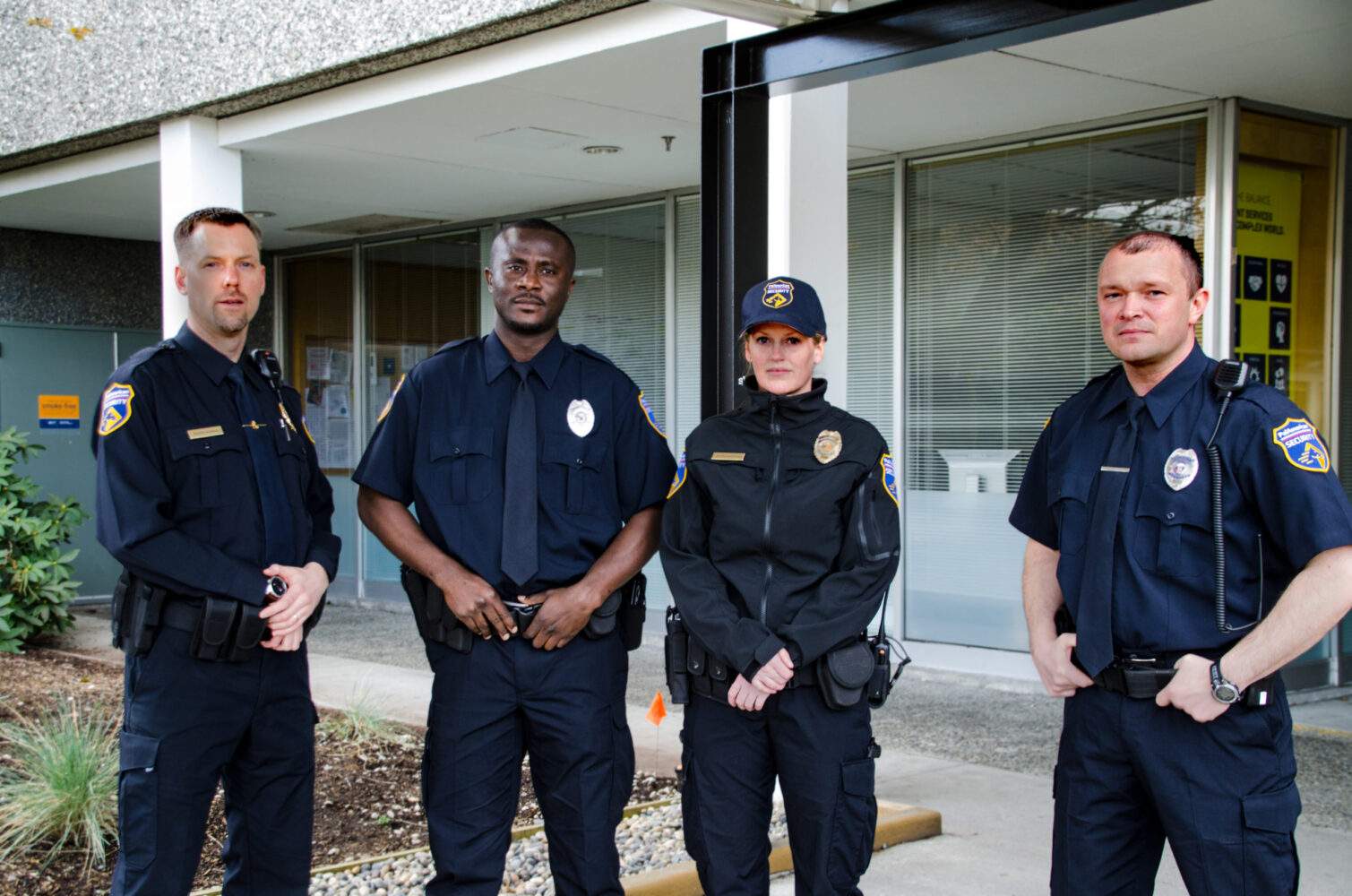
The Foundation: Eligibility and Requirements
Embarking on a career in law enforcement in Florida necessitates meeting a set of fundamental criteria established by the state and individual agencies. These requirements are designed to ensure that only the most capable and trustworthy individuals are entrusted with the responsibility of upholding the law and protecting its citizens. Understanding and fulfilling these prerequisites is the crucial first step for anyone dreaming of wearing the badge in the Sunshine State.
Age and Citizenship
A primary eligibility requirement for becoming a police officer in Florida is being at least 21 years of age. This age stipulation is common across most law enforcement agencies nationwide, reflecting the maturity and experience deemed necessary for the demanding role. Applicants must also be a U.S. citizen. This requirement is standard for all federal, state, and local government positions, underscoring the trust and responsibility associated with public service.
Education and Training
While a four-year college degree may not be a mandatory requirement for all Florida police departments, most agencies will expect applicants to have a high school diploma or a GED. However, possessing some college credits or an associate’s degree can often provide a competitive edge and may be a preferred qualification for certain positions or promotional opportunities. Beyond academic qualifications, the cornerstone of law enforcement training in Florida is the successful completion of a state-certified law enforcement academy. These academies are rigorous, typically lasting several months, and cover a comprehensive curriculum including criminal law, constitutional law, police procedures, firearms proficiency, defensive tactics, crisis intervention, and driver training. Graduates must then pass the state certification exam administered by the Florida Department of Law Enforcement (FDLE) to be licensed as law enforcement officers.
Physical and Mental Fitness
The physical demands of being a police officer are significant. Applicants must pass a stringent physical fitness test designed to assess their strength, agility, and cardiovascular endurance. This may include running, push-ups, sit-ups, and a timed obstacle course. Beyond physical prowess, mental fortitude is equally critical. Candidates undergo thorough psychological evaluations, including interviews and written tests, to assess their emotional stability, decision-making skills under pressure, and suitability for the stresses of the job. A clean bill of mental health is paramount for handling the often-traumatic situations officers encounter.
Background Check and Criminal History
A comprehensive background investigation is an integral part of the hiring process. This involves reviewing an applicant’s criminal history, driving record, employment history, and personal references. Any history of felony convictions, certain misdemeanors, or significant drug use can disqualify an individual from becoming a police officer. Agencies are looking for individuals with a proven track record of integrity, honesty, and good moral character. This scrutiny ensures that those entering law enforcement have the trust and respect of the community they serve.
The Application and Hiring Process
Once an individual meets the basic eligibility criteria, the journey continues through a multi-stage application and hiring process. This process is designed to thoroughly vet each candidate and identify those best suited for the responsibilities of a police officer. It is often a competitive endeavor, requiring patience and perseverance.
Application Submission and Initial Screening
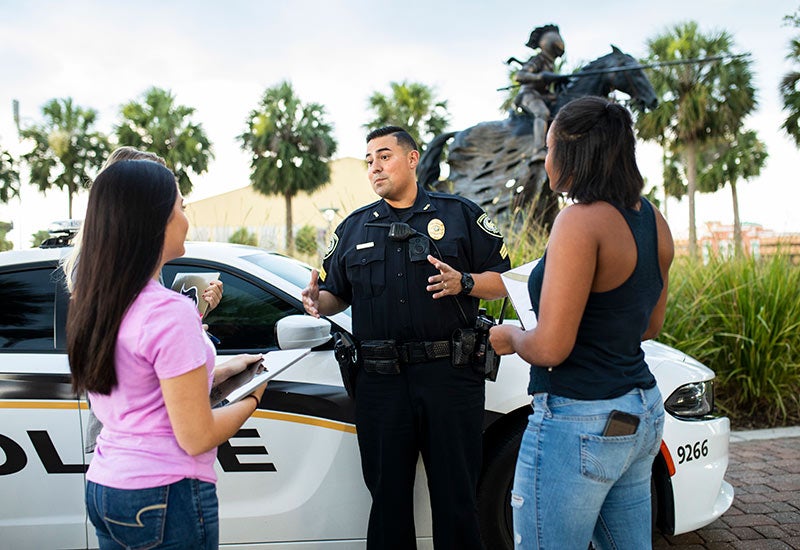
The first formal step is typically submitting a detailed application, either online or in person, to a specific law enforcement agency. This application will require extensive personal information, including education, work history, and references. Agencies will then conduct an initial screening of applications to identify candidates who meet the minimum qualifications. Those who successfully pass this stage will be invited to proceed to subsequent steps in the hiring process.
Written Examinations and Aptitude Tests
Many Florida police departments utilize written examinations and aptitude tests as part of their screening process. These tests often assess an applicant’s reading comprehension, writing skills, logical reasoning, and ability to understand and apply information. Some exams may also focus on situational judgment, presenting hypothetical scenarios to gauge how a candidate might react in real-world policing situations. Performing well on these assessments demonstrates an applicant’s cognitive abilities and problem-solving skills, which are essential for effective policing.
Oral Interviews and Background Investigations
Candidates who perform well on written tests will typically be invited for one or more oral interviews. These interviews, often conducted by a panel of officers and supervisors, are designed to assess communication skills, demeanor, motivation, and overall suitability for the role. Applicants will be asked about their experiences, their understanding of law enforcement, and their reasons for wanting to become an officer. Following successful interviews, the comprehensive background investigation, as mentioned earlier, will commence in earnest. This phase can be extensive and may involve home visits, interviews with friends, family, and employers, and a review of financial records.
The Polygraph Examination and Medical Evaluation
As part of the rigorous vetting process, many agencies require candidates to undergo a polygraph examination, commonly known as a lie detector test. This is used to verify the accuracy of information provided by the applicant throughout the hiring process, particularly regarding their background and any past transgressions. Finally, candidates must pass a thorough medical examination to ensure they are physically capable of performing the duties of a police officer. This includes vision, hearing, and general health assessments to rule out any underlying conditions that could impair their ability to perform their job effectively or safely.
Beyond the Badge: Lifestyle and Career Development
Becoming a police officer in Florida is not just about passing tests; it’s about embracing a unique lifestyle and committing to continuous growth. The role demands a high level of personal sacrifice, resilience, and a deep-seated desire to serve the community. Florida, with its diverse population and varied geography, offers a wide spectrum of experiences for law enforcement officers.
The Demands of the Job and Community Engagement
The daily life of a police officer can be unpredictable, involving patrolling streets, responding to calls for service, investigating crimes, and interacting with the public. This requires officers to be adaptable, observant, and skilled in de-escalation techniques. Building trust and rapport with the communities they serve is a critical aspect of modern policing. Officers in Florida often find themselves engaged in community policing initiatives, working to foster positive relationships and address local concerns, whether in the bustling urban environment of Tampa or the more rural settings found across the state. The lifestyle necessitates a strong sense of duty and a willingness to put the safety and well-being of others before one’s own.
Opportunities for Specialization and Advancement
The Florida law enforcement landscape offers numerous avenues for specialization and career advancement. After gaining experience as a patrol officer, individuals may have the opportunity to join specialized units such as K-9, SWAT (Special Weapons and Tactics), narcotics, or traffic enforcement. Many departments also offer pathways to detective roles, leadership positions like sergeant or lieutenant, and administrative functions. The Florida Department of Law Enforcement (FDLE) itself provides various specialized roles and career paths for experienced officers seeking to contribute to state-level investigations and law enforcement initiatives. Continuous training and professional development are often encouraged and sometimes required for advancement, ensuring officers remain at the forefront of policing techniques and legal changes.

The Personal Impact and Reward of Service
The career of a police officer in Florida is undeniably challenging, marked by long hours, stressful situations, and the potential for personal risk. However, for many, the rewards far outweigh the difficulties. The opportunity to make a tangible difference in people’s lives, to contribute to the safety and security of communities, and to uphold justice is a profound source of satisfaction. The camaraderie among fellow officers, the respect of the community, and the knowledge that one is serving a vital public purpose are powerful motivators. For those who feel a calling to protect and serve, a career in law enforcement in Florida offers a path of purpose, impact, and lifelong learning. Whether it’s the vibrant energy of South Beach or the tranquil surroundings of the Florida Keys, the commitment to public safety remains a constant, making the journey to becoming a police officer in Florida a noble and rewarding pursuit.
LifeOutOfTheBox is a participant in the Amazon Services LLC Associates Program, an affiliate advertising program designed to provide a means for sites to earn advertising fees by advertising and linking to Amazon.com. Amazon, the Amazon logo, AmazonSupply, and the AmazonSupply logo are trademarks of Amazon.com, Inc. or its affiliates. As an Amazon Associate we earn affiliate commissions from qualifying purchases.