
The sunshine state of Florida is a vibrant tapestry of natural wonders, and among its most charming inhabitants are the numerous small lizards that dart across patios, bask on sun-drenched rocks, and explore the lush vegetation. For visitors and residents alike, spotting these quick-moving creatures is a common and often delightful experience. But what exactly are these ubiquitous little lizards called? The answer, like the diversity of Florida’s ecosystems, is not a single name but a collection of species that share the Sunshine State as their home.
While many people might simply refer to them as “little lizards,” several specific species are frequently encountered. The most common and arguably the most recognizable is the Anole. Often referred to as the “American chameleon” due to its ability to change color, the Green Anole (Anolis carolinensis) is a familiar sight throughout Florida. These slender lizards typically sport a bright green hue, but they can shift to brown or even a grayish tone depending on their mood, environment, and temperature. Males are distinguished by a brightly colored dewlap, a flap of skin under their throat, which they extend to attract females or ward off rivals. They are insectivores, feeding on ants, flies, crickets, and other small invertebrates, making them beneficial inhabitants of gardens and natural areas. Their presence is a testament to the thriving insect life in Florida.
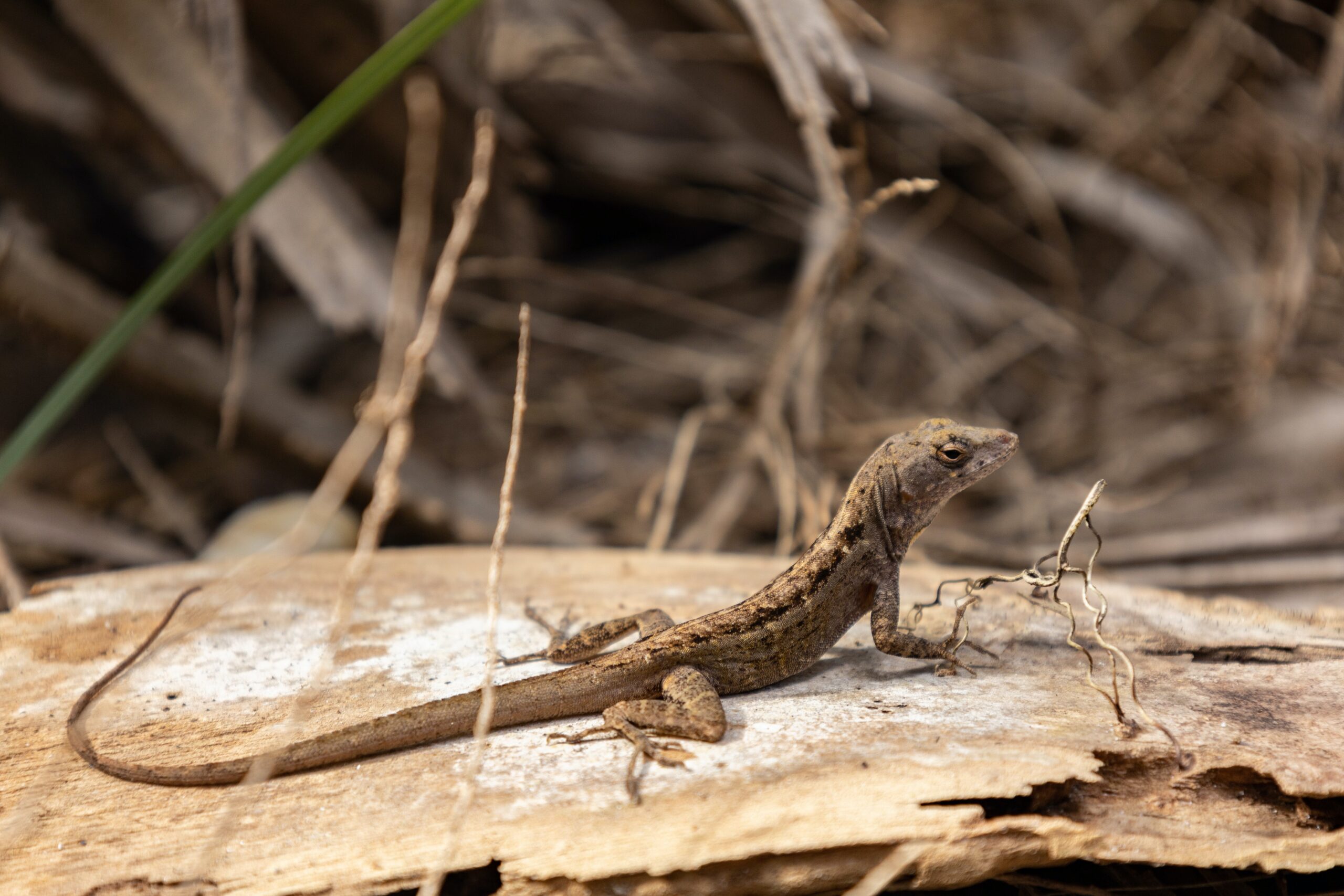
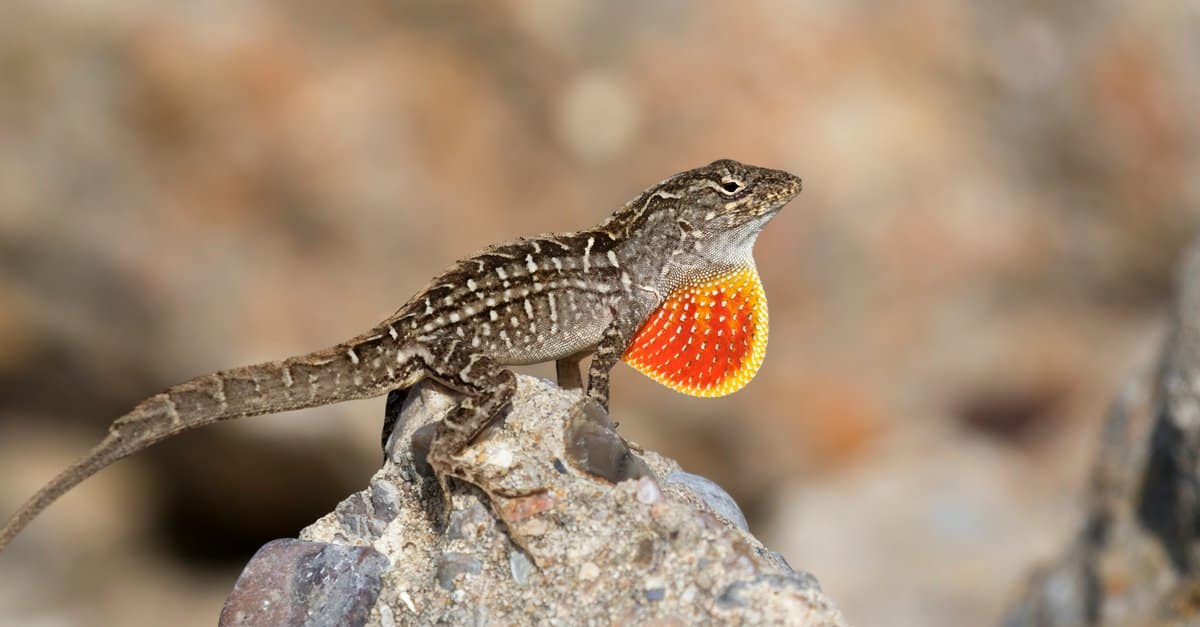
Beyond the common Green Anole, another frequently observed lizard, especially in more urbanized or disturbed areas, is the Cuban Brown Anole (Anolis sagrei). Introduced from Cuba and the Bahamas, this species has become well-established and often outcompetes the native Green Anole in certain habitats. As their name suggests, they are typically brown, though they can vary in shades from light tan to dark chocolate. They also possess a dewlap, which is often reddish-orange in males. The Cuban Brown Anole is an important part of the Florida ecosystem, contributing to insect control, though their invasive status is a topic of ecological concern.
Exploring Florida’s Lizard Diversity: Beyond the Anoles
While anoles are undoubtedly the most visible small lizards in Florida, the state hosts a richer reptilian community. Understanding these other species can greatly enhance any nature exploration, whether you’re on a leisurely stroll through a Florida State Park, relaxing at a resort, or simply enjoying the backyard of your accommodation.
The Tiny and the Swift: Skinks and Geckos
Among the smaller and often more elusive residents are the skinks. These lizards are characterized by their smooth, shiny scales and their often cylindrical bodies. They tend to be ground-dwellers or live in leaf litter and mulch, making them harder to spot than their arboreal anole cousins.
The Eastern Five-lined Skink: A Striped Marvel
One of the most common skinks encountered in Florida is the Eastern Five-lined Skink (Plestiodon fasciatus). Young Eastern Five-lined Skinks are particularly striking, possessing bright blue tails that contrast sharply with their dark bodies and five distinct yellowish stripes running down their length. As they mature, the blue tail fades, and the stripes become less prominent, with adult males often developing an orange or reddish head, especially during the breeding season. These skinks are often found in wooded areas, gardens, and near structures, where they hunt insects and other small invertebrates. Their quick movements and tendency to dart into cover make observing them a rewarding challenge for any nature enthusiast.
The Ground Skink: A Miniature Master of Camouflage
Another diminutive inhabitant of Florida is the Ground Skink (Scincella lateralis). As its name suggests, this is a very small lizard, often only a few inches in length, including its tail. They are masters of camouflage, perfectly blending into their surroundings of leaf litter, pine needles, and sandy soil. Their coloration is typically a dull brown or tan, with a darker stripe along their sides. They are rarely seen out in the open, preferring to stay hidden amongst the undergrowth, foraging for tiny insects, mites, and springtails. Spotting a Ground Skink requires a keen eye and patience, often rewarding observant hikers in less disturbed natural areas.
While skinks are more terrestrial, geckos are another group of small lizards that have become very common, particularly in human-modified landscapes. Many of the geckos seen in Florida are introduced species, thriving in the warm climate.
The Mediterranean House Gecko: A Nocturnal Navigator
Perhaps the most frequently encountered gecko is the Mediterranean House Gecko (Hemidactylus turcicus). These small, nocturnal lizards are often seen scaling walls, windows, and ceilings of houses and other buildings, particularly at night, attracted by insects drawn to lights. They have a mottled gray or brown appearance, which helps them camouflage against building materials. A distinctive feature of Mediterranean House Geckos is their often bumpy or warty skin texture. While they are not native, they are a common and harmless presence in many Florida communities, contributing to pest control by consuming mosquitoes, moths, and other flying insects.
The Tropical House Gecko: Another Common Visitor
Similar in habit to the Mediterranean House Gecko, the Tropical House Gecko (Tarentola mauritanica) is another introduced species that has found a comfortable niche in Florida. While they can be difficult to distinguish from their Mediterranean cousins without close examination, they share similar behaviors of seeking out human structures for shelter and food. Their presence adds to the lively nocturnal activity of many Florida environments, particularly in areas with abundant outdoor lighting.
Adapting to Florida’s Diverse Landscapes: Habitats and Behavior
The variety of little lizards found in Florida reflects the state’s diverse natural environments, from coastal dunes and pine forests to palmetto scrub and urban gardens. Each species has adapted to specific ecological niches, influencing their behaviors, diets, and preferred habitats. Understanding these adaptations provides a fascinating glimpse into the resilience and ingenuity of nature.
Lizards of the Urban Jungle and Suburban Retreats
Many of the small lizards that visitors and residents most commonly encounter are those that have successfully adapted to living alongside humans. The urban and suburban landscapes of Florida offer abundant food sources in the form of insects and numerous microhabitats for shelter.
The ubiquitous Green Anole can be found in gardens, parks, and even on apartment balconies, perching on fences, shrubs, and the sides of buildings. Their ability to blend in with their surroundings is crucial for both hunting prey and avoiding predators such as birds and cats. They are often seen basking in the sun to regulate their body temperature before becoming active hunters.
The Cuban Brown Anole, in particular, thrives in disturbed habitats, often outcompeting native species in areas with a significant human presence. They are commonly found on the ground, on walls, and in low vegetation, demonstrating their adaptability to a wide range of microclimates found in developed areas. Their rapid reproduction and ability to consume a broad spectrum of insects contribute to their success in these environments.
Mediterranean House Geckos and Tropical House Geckos are classic examples of species that have capitalized on human infrastructure. The walls of hotels in Miami, apartment buildings in Orlando, and even the stucco exteriors of homes throughout the state provide ideal hunting grounds for these nocturnal insectivores. Their sticky toe pads allow them to navigate vertical surfaces with ease, making them a common sight on any evening stroll.
Lizards of the Wild: Exploring Natural Habitats
While urban-adapted species are most frequently seen, venturing into Florida’s natural areas reveals a different suite of lizard species, each with unique adaptations for survival in their specific environments.
In the pine flatwoods and scrub habitats, the Eastern Five-lined Skink is a prevalent resident. They often utilize fallen logs, dense undergrowth, and the bases of trees for shelter and hunting. Their stripes provide camouflage against the dappled sunlight and shadows of the forest floor. Observing them requires patience, as they are quick to disappear into the underbrush when disturbed.
The diminutive Ground Skink is a true specialist of the forest floor. They are most often found in sandy areas with thick leaf litter, such as those in the Ocala National Forest or the coastal scrub habitats. Their cryptic coloration and secretive habits make them one of the more challenging small lizards to locate, but their presence indicates a healthy and intact natural ecosystem.
Even in slightly more developed areas like botanical gardens or nature preserves within cities, one might encounter these more wild-dwelling species. Parks and green spaces in cities like Tampa or Fort Lauderdale can serve as important refuges for native lizard populations, offering a connection to the wilder side of Florida.
Understanding these “little lizards” of Florida not only answers a common question but also opens the door to appreciating the intricate web of life that thrives within this beautiful state. Whether you’re staying at a luxury resort, exploring a historic landmark, or simply enjoying the lifestyle of Florida, keep an eye out for these fascinating reptiles. They are an integral part of the state’s natural charm and a constant reminder of the vibrant biodiversity that makes Florida such a captivating destination.
LifeOutOfTheBox is a participant in the Amazon Services LLC Associates Program, an affiliate advertising program designed to provide a means for sites to earn advertising fees by advertising and linking to Amazon.com. Amazon, the Amazon logo, AmazonSupply, and the AmazonSupply logo are trademarks of Amazon.com, Inc. or its affiliates. As an Amazon Associate we earn affiliate commissions from qualifying purchases.