
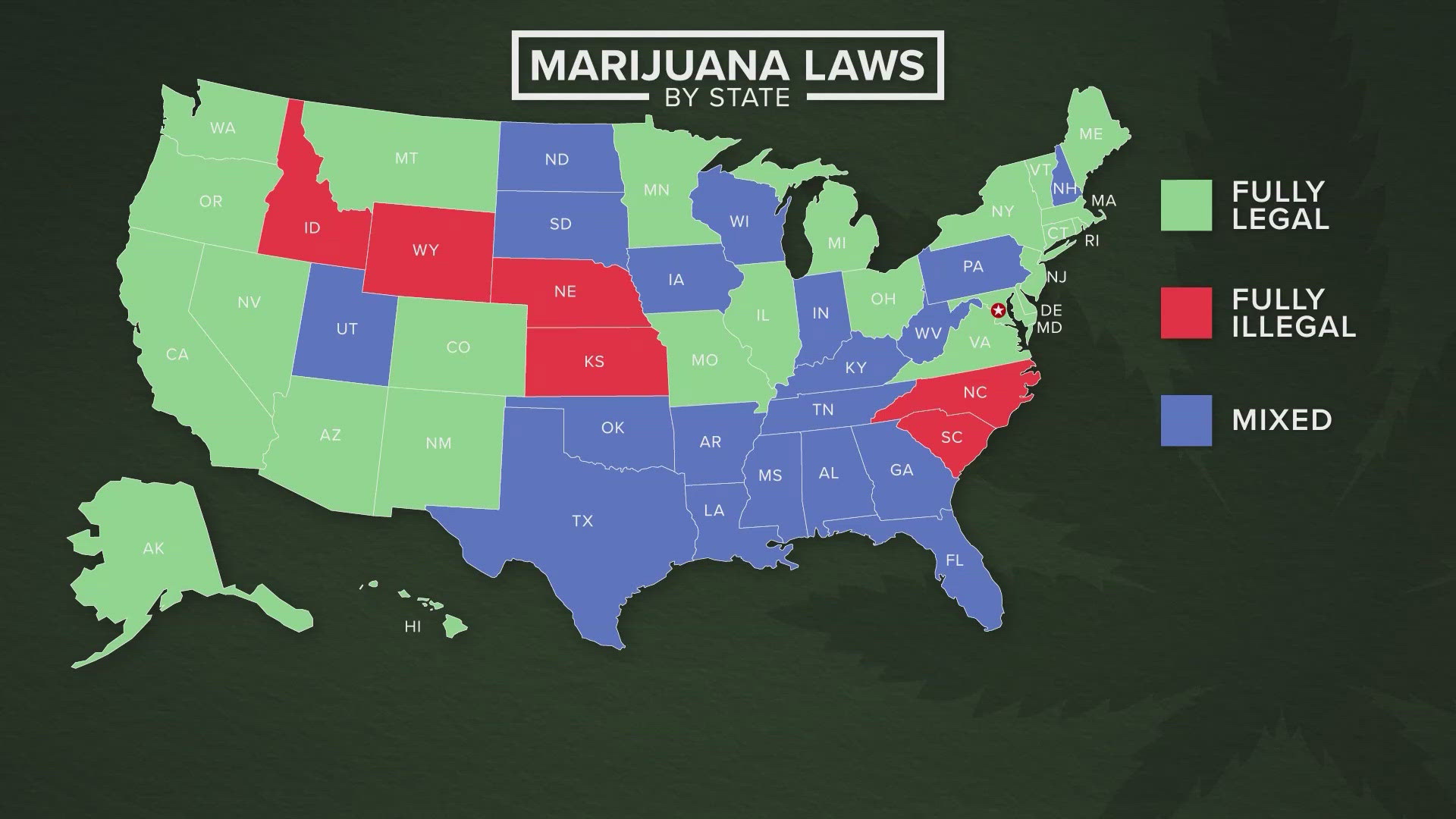
As the conversation surrounding cannabis legalization gains momentum across the United States, one state consistently remains in the spotlight for its cautious, yet evolving, stance: Texas. Known for its deeply rooted traditions and independent spirit, the Lone Star State is grappling with the complex question of whether to embrace the burgeoning cannabis industry. This article delves into the current landscape, exploring the legislative efforts, the economic implications, and the potential impact on Texas’s vibrant tourism and lifestyle sectors.
The journey towards cannabis legalization in Texas has been a gradual one, marked by incremental policy changes rather than sweeping reforms. While full recreational legalization remains a distant prospect for many, the state has seen significant shifts in public opinion and legislative action concerning medical cannabis. Understanding these developments is crucial to grasping the broader implications for the state’s future.
The Shifting Sands of Texas Cannabis Policy
Texas‘s approach to cannabis has historically been stringent. However, recent years have witnessed a growing recognition of the potential benefits of medical marijuana, leading to the passage of key legislation.
A Look at Medical Marijuana Laws
The Compassionate Use Program, established in 2015, was a landmark step for Texas. Initially, it allowed low-THC cannabis to be prescribed for a very limited list of medical conditions, including epilepsy and multiple sclerosis. This program has since been expanded, broadening the range of qualifying conditions and increasing the allowable THC content.
Heading3: Expanding Access and Patient Numbers
The expansion of the Texas Compassionate Use Program (TCUP) has been a significant development. In 2019, legislation was passed to add a more comprehensive list of conditions, such as chronic pain, PTSD, and neurological disorders, that could qualify patients for low-THC cannabis. This broadened scope has opened the doors for more Texans to access therapeutic cannabis, offering an alternative to traditional pharmaceuticals for a wider patient base.
The number of patients registered in the Texas Compassionate Use Program has seen a steady increase since its inception. This growing patient registry signifies a shift in both physician and patient attitudes towards medical cannabis. As more physicians become comfortable prescribing it and more patients experience its benefits, the demand for access is likely to continue its upward trajectory. This growing patient base is a key factor fueling discussions about further reform.
Heading3: The Ongoing Debate for Recreational Legalization
Despite the progress in the medical sphere, the push for recreational marijuana legalization in Texas faces considerable hurdles. While proponents argue that legalization could generate substantial tax revenue and create new jobs, opponents often cite concerns about public health, safety, and potential increases in crime.
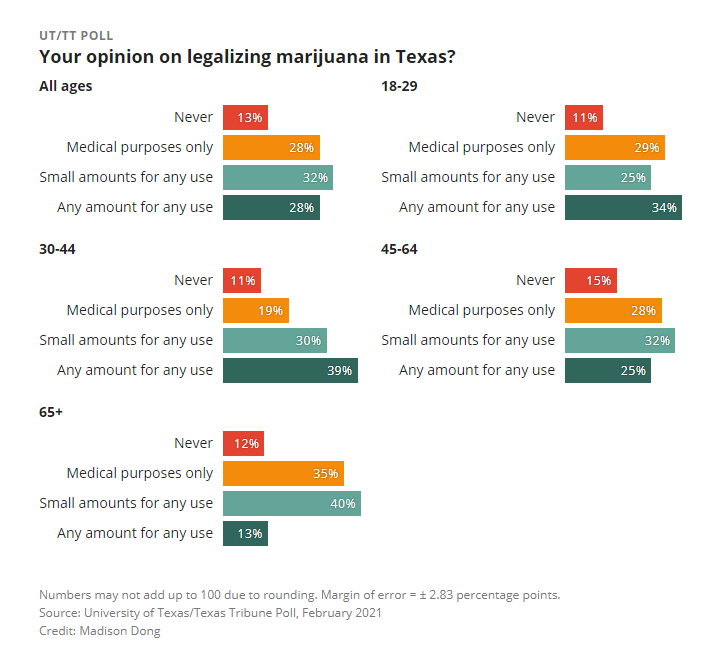
Legislative attempts to decriminalize or legalize recreational cannabis have, thus far, been unsuccessful. Bills introduced in the Texas Legislature often stall in committee or fail to gain sufficient traction to pass. The deeply conservative political landscape of Texas plays a significant role in this resistance. However, public opinion polls have consistently shown a growing segment of the Texas population in favor of legalization, suggesting a potential disconnect between public sentiment and legislative action.
The economic arguments for legalization are compelling. Proponents point to the success of states like Colorado and California, which have generated billions of dollars in tax revenue from cannabis sales. This revenue could be reinvested in public services, education, and infrastructure within Texas. Furthermore, a legal cannabis industry would create new employment opportunities across cultivation, processing, distribution, and retail sectors, offering a boost to the state’s economy.
Potential Impact on Texas Tourism and Lifestyle
The legalization of cannabis, even if initially limited to medical use or decriminalization, could have a ripple effect on Texas’s diverse tourism and lifestyle offerings.
Adapting to a New Landscape for Travelers
The travel industry is increasingly sensitive to the legal status of cannabis. As more states legalize, travelers are seeking destinations that accommodate their preferences. If Texas were to move towards broader legalization, it could unlock new avenues for tourism, particularly catering to a demographic interested in cannabis-friendly experiences.
Heading3: Opportunities for Cannabis-Informed Travel
While Texas currently has a robust tourism sector built on its rich history, vibrant culture, and stunning natural landscapes, the potential for cannabis-informed travel is undeniable. Imagine guided tours that incorporate visits to legal dispensaries (once they become more prevalent), or accommodations that offer a more cannabis-conscious environment. Destinations like Austin, with its progressive reputation, or the more laid-back vibe of cities along the Texas coast, could become hubs for this emerging market.
This could also influence the type of accommodations that become popular. Beyond traditional hotels and resorts, there might be a rise in specialized rentals or boutique stays that cater to medical cannabis patients or recreational users, offering amenities and an atmosphere conducive to their needs. Think of curated experiences that might include educational workshops on cannabis consumption, or culinary tours that explore the burgeoning world of cannabis-infused edibles and beverages.
The implications extend to the broader lifestyle choices of Texas residents and visitors alike. As access to cannabis changes, so too might consumer behavior and demand for related products and services. This could encompass everything from gourmet dining experiences that are mindful of potential pairings with cannabis to wellness retreats that incorporate cannabis therapy.
Economic and Social Considerations
Beyond tourism, the legalization of cannabis in Texas carries significant economic and social implications. The potential tax revenue generated could be substantial, providing much-needed funds for state initiatives. Moreover, the criminal justice system could see a reduction in arrests and prosecutions related to marijuana possession, freeing up law enforcement resources for more pressing issues.
Heading3: Job Creation and Economic Growth
The establishment of a regulated cannabis industry would undoubtedly lead to job creation across Texas. From cultivation technicians and budtenders to marketing professionals and legal experts, the demand for skilled labor would surge. This could provide a significant economic boost, particularly in areas that have historically struggled with unemployment.
Furthermore, the ancillary businesses that support the cannabis industry – such as packaging, security, and logistics companies – would also experience growth. This creates a multiplier effect, stimulating economic activity throughout the state. The potential for Texas to become a leader in cannabis research and development, especially in the medical field, is also an exciting prospect.
A Glimpse into the Future of Texas
The question of “Will Texas Legalize Pot?” is not a simple yes or no. It’s a complex dialogue involving shifting public opinion, evolving legislative landscapes, and significant economic considerations. While full recreational legalization may not be imminent, the steady expansion of the medical cannabis program signals a willingness in Texas to engage with the issue.
The Texas Legislature will continue to debate these matters, and the outcome will undoubtedly shape the future of travel, lifestyle, and economic opportunities within the state. As Texas navigates this evolving policy, its unique blend of tradition and progress will be on full display, potentially ushering in a new era for the Lone Star State. Whether it’s through increased medical access, decriminalization, or eventual recreational legalization, the conversation around cannabis in Texas is far from over, and its resolution promises to be a defining chapter in the state’s modern history. The Alamo, Barton Springs Pool, and the sprawling ranches that define so much of Texas‘s identity might soon be joined by new, albeit different, attractions shaped by these changing laws. The Majestic Theatre could find itself hosting discussions on the future of cannabis, and the culinary scene in cities like Dallas and Houston could see innovative new offerings. The economic ripple effects could be felt from the oil fields of West Texas to the port cities along the Gulf of Mexico.
LifeOutOfTheBox is a participant in the Amazon Services LLC Associates Program, an affiliate advertising program designed to provide a means for sites to earn advertising fees by advertising and linking to Amazon.com. Amazon, the Amazon logo, AmazonSupply, and the AmazonSupply logo are trademarks of Amazon.com, Inc. or its affiliates. As an Amazon Associate we earn affiliate commissions from qualifying purchases.