
The shimmering turquoise waters and sun-drenched beaches of Florida are a world-renowned draw for travelers seeking paradise. From the vibrant energy of Miami to the serene beauty of the Florida Keys, the Sunshine State offers an unparalleled vacation experience. Visitors flock to its shores for a multitude of reasons: the thrilling theme parks of Orlando, the historic charm of St. Augustine, the abundant marine life visible from its coastlines, and the luxurious resorts that dot its sandy expanses. Whether you’re dreaming of a family adventure, a romantic getaway, or a solo exploration of natural wonders, Florida promises a memorable escape. The state’s diverse attractions cater to every whim, from exploring the unique ecosystem of the Everglades to indulging in the culinary delights of its coastal cities. The accommodation options are equally varied, featuring everything from boutique hotels and sprawling resorts to private villas and cozy apartments, all designed to enhance your stay. This commitment to providing exceptional travel experiences makes Florida a consistent favorite on any traveler’s list.
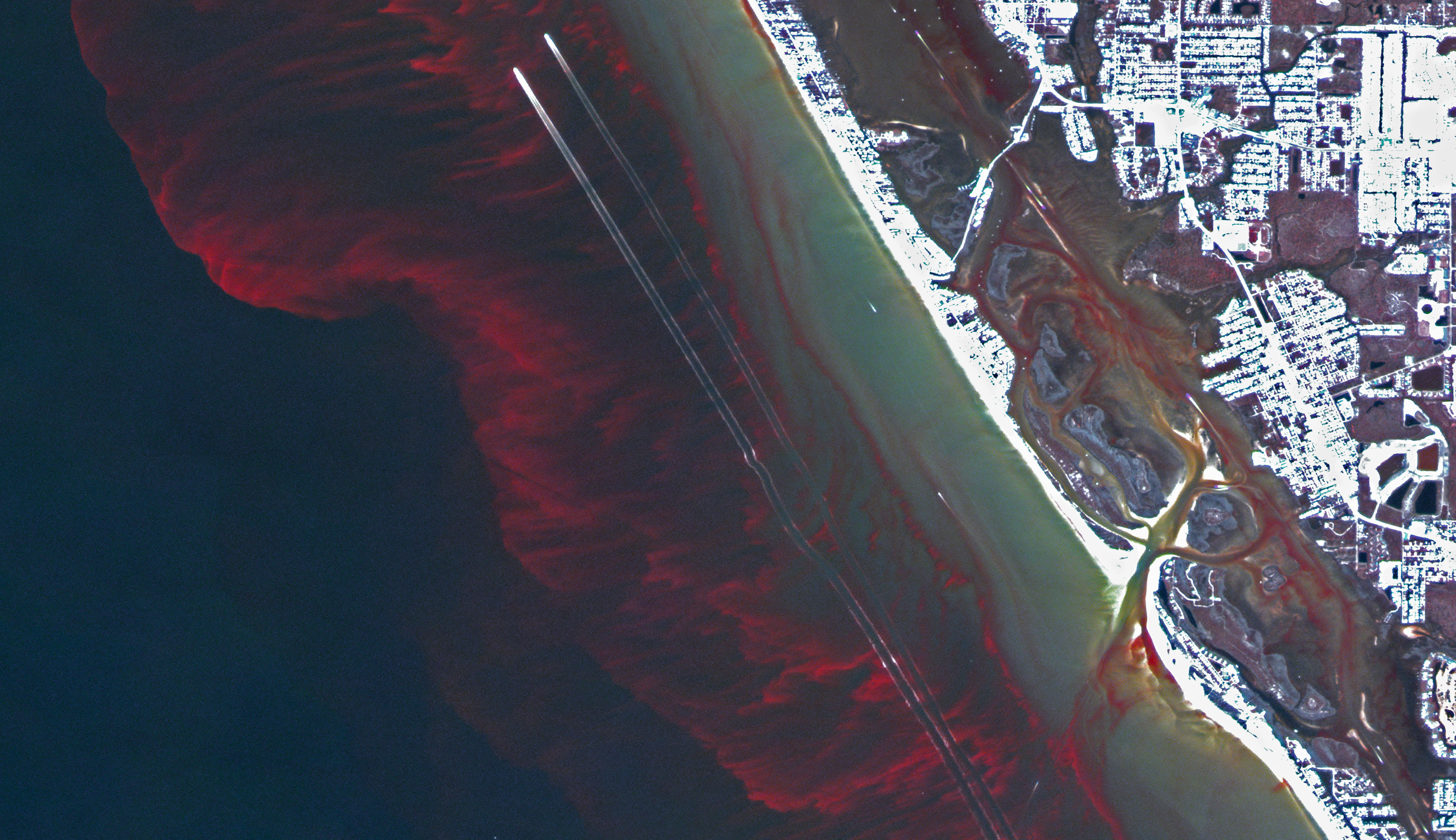
However, like any natural environment, Florida‘s coastal ecosystems can experience phenomena that impact the visitor experience. One such natural event, often discussed with concern and curiosity, is the “red tide.” While Florida‘s allure as a premier travel destination remains strong, understanding and being prepared for natural occurrences like red tide is an essential part of responsible travel planning. This article delves into what red tide is, how it affects Florida, and what travelers should know to make informed decisions about their trips.
Understanding the Phenomenon: What is Red Tide?
Red tide, scientifically known as a harmful algal bloom (HAB), is a naturally occurring event that can occur in marine environments. It is not a singular organism but rather a complex phenomenon involving the rapid proliferation of microscopic algae in coastal waters. In Florida, the most common culprit behind these blooms is a single-celled organism called Karenia brevis, a type of dinoflagellate. These microscopic algae are naturally present in the ocean, but under certain conditions, they can multiply exponentially, leading to a significant increase in their concentration.
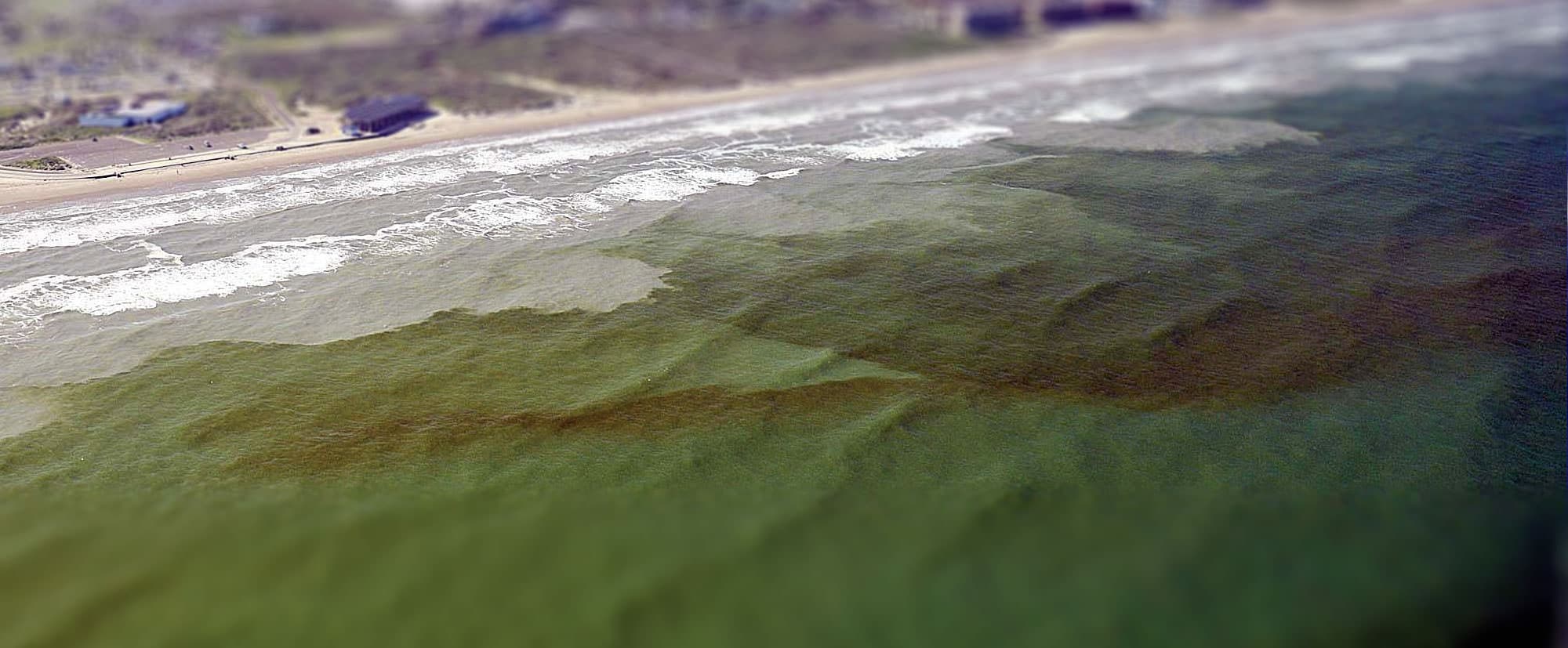
The name “red tide” comes from the reddish-brown discoloration that can sometimes be observed in the water when these blooms are particularly dense. However, it’s crucial to understand that not all red tides exhibit a visible color change, and the absence of red water does not mean a bloom is absent or harmless. The primary concern with red tide is not the color of the water, but the toxins that some of these algae species produce. Karenia brevis, for instance, releases potent neurotoxins that can have significant impacts on marine life and, in some cases, on humans and other terrestrial animals.
These toxins, known as brevetoxins, can accumulate in the water column and in the tissues of various marine organisms, including shellfish. When these toxins reach high concentrations, they can lead to widespread fish kills, affecting ecosystems and impacting the livelihoods of those who depend on the ocean, such as fishermen. For travelers, the presence of red tide can manifest in several ways, influencing the choice of destinations, the enjoyment of beach activities, and even the ability to engage in certain water sports. Understanding the science behind red tide is the first step in navigating its potential effects during a Florida vacation.
The Science Behind the Bloom
The proliferation of Karenia brevis is influenced by a confluence of environmental factors, making prediction and prevention challenging. Nutrient availability plays a significant role. While some research suggests that nutrient runoff from agricultural and urban areas, particularly nitrogen and phosphorus, can exacerbate blooms, the exact trigger for the initial bloom formation remains a subject of ongoing scientific study. Factors like water temperature, salinity, and ocean currents also contribute to the dynamics of these blooms.
Karenia brevis has a complex life cycle, including a dormant stage in the sediment on the seafloor. When conditions become favorable, these cysts can germinate and begin to multiply in the water column. The blooms can persist for weeks or even months, depending on prevailing oceanographic conditions. Wind and current patterns are instrumental in their movement and concentration along the Florida coastline. A bloom that starts offshore might be pushed towards the coast by prevailing winds, impacting specific beaches and areas.
The toxins produced by Karenia brevis are the primary concern for human health. These brevetoxins are lipophilic, meaning they can dissolve in fats, and can affect the nervous systems of various animals. When these toxins become airborne through wave action, they can cause respiratory irritation in humans, particularly those with pre-existing conditions like asthma or emphysema. This respiratory irritation is often the most noticeable effect for beachgoers who may not experience direct contact with the water.
The Impact of Red Tide on Florida Tourism and Travel
Florida‘s identity as a top tourist destination is inextricably linked to its pristine coastline and vibrant marine environments. Red tide, however, can cast a shadow over this idyllic image, influencing the decisions of potential visitors and altering the experience for those already in the state. The economic implications for tourism-dependent communities can be substantial, affecting hotels, restaurants, tour operators, and local businesses.

When a red tide bloom is active and impacting a particular area, its effects can be felt across multiple aspects of the travel experience. Beaches that are usually bustling with sunbathers and swimmers might become deserted due to the presence of dead fish and the unpleasant smell that can accompany them. The visual impact of large numbers of dead marine life washed ashore can be distressing for visitors. Furthermore, the airborne toxins can make it uncomfortable or even impossible to spend extended periods on the beach, impacting activities like sunbathing, picnicking, and beachcombing.
Water-based activities are also significantly affected. Swimming in waters affected by red tide can lead to skin irritation. More importantly, consuming shellfish harvested from areas experiencing red tide can lead to a severe form of food poisoning known as neurotoxic shellfish poisoning (NSP). This is why state agencies diligently monitor shellfish beds and issue closures when blooms are present to protect public health. Activities like boating might still be possible, but the aesthetic appeal and the opportunity for activities like snorkeling or diving can be diminished.
The tourism industry in Florida is highly adaptable. When red tide affects one region, travelers often shift their plans to unaffected areas. Many coastal communities have developed strategies to mitigate the impact, such as increased beach cleaning efforts and public awareness campaigns. However, the unpredictable nature of red tide means that booking a trip to a specific coastal town requires a degree of flexibility and an awareness of current conditions. It highlights the importance of checking local advisories and news before and during a visit.
Navigating Your Florida Trip Amidst Red Tide Concerns
For travelers planning a trip to Florida, understanding the current status of red tide is essential. The Florida Fish and Wildlife Conservation Commission (FWC) provides regular updates on red tide conditions throughout the state. Their website and interactive map are invaluable resources for checking the latest reports on bloom locations, concentrations, and potential impacts. It is advisable to consult these resources in the weeks leading up to your departure and even daily during your trip, as conditions can change rapidly.
If your planned destination is affected by red tide, there are often alternative activities and nearby areas that remain unaffected. Florida is a large state with diverse attractions beyond its immediate coastlines. Consider shifting your focus to inland attractions, such as theme parks in Orlando, the natural beauty of the Everglades, or the cultural heritage of cities like St. Augustine. Many coastal towns also offer non-beach activities, including museums, art galleries, shopping districts, and excellent dining experiences.
When visiting beaches in areas with reported red tide, it’s wise to heed local advisories. If you experience respiratory irritation, it is best to move away from the beach and indoors, or to an area with fresh air. Avoid swimming in areas with visible dead fish. When it comes to dining, always ensure that seafood is sourced from reputable establishments that adhere to state guidelines regarding shellfish harvesting.
Accommodation providers, from luxurious resorts like the Ritz-Carlton to charming boutique hotels, are often well-informed about local conditions and can offer advice to their guests. Many hotels offer amenities that can help make the most of your stay even if beach access is limited, such as swimming pools, spa services, and indoor dining options. The key to a successful Florida trip, even with the presence of red tide, is preparation, flexibility, and staying informed about the natural environment.
Beyond the Bloom: Florida’s Enduring Appeal
Despite the challenges posed by red tide and other natural phenomena, Florida‘s allure as a travel destination remains exceptionally strong. The state’s commitment to showcasing its natural beauty and offering diverse experiences ensures that it continues to attract millions of visitors each year. The sheer variety of landscapes, from the sugar-sand beaches of the Gulf Coast to the subtropical allure of the Florida Keys and the unique wetlands of the Everglades, provides a wealth of exploration opportunities.
The state is home to iconic landmarks and attractions that draw global attention. Walt Disney World Resort in Orlando remains a pinnacle of family entertainment, while Universal Orlando Resort offers thrilling adventures for all ages. History buffs can immerse themselves in the past in St. Augustine, the oldest continuously inhabited European-established settlement in the United States. For nature enthusiasts, the Dry Tortugas National Park offers unparalleled snorkeling and diving, and the Bok Tower Gardens provides a tranquil escape.
The hospitality sector in Florida is renowned for its excellence. Visitors can choose from a vast array of accommodation options, catering to every budget and preference. From the opulent suites of world-class resorts like the Four Seasons Resort Orlando at Walt Disney World Resort to the intimate charm of bed and breakfasts and the convenience of vacation rentals, there is a perfect stay for everyone. Many hotels and resorts are situated on or near the water, offering breathtaking views and easy access to coastal activities, even in the absence of red tide.
Furthermore, Florida‘s vibrant culture and culinary scene contribute significantly to its appeal. Exploring the local food scene, from fresh seafood shacks along the coast to upscale dining in cities like Tampa and Naples, is an integral part of the travel experience. The unique blend of influences from Caribbean, Latin American, and Southern American cuisines creates a delightful gastronomic journey.
Ultimately, red tide is a natural event that, while impacting certain aspects of a Florida vacation, does not diminish the state’s overall appeal. With proper planning, by staying informed about current conditions, and by embracing the diverse range of activities and destinations that Florida has to offer, travelers can still have an unforgettable experience. The resilience of Florida‘s natural beauty and its thriving tourism industry ensures that it will continue to be a beloved destination for years to come. By understanding and respecting the natural environment, visitors can fully appreciate the magic of the Sunshine State.
LifeOutOfTheBox is a participant in the Amazon Services LLC Associates Program, an affiliate advertising program designed to provide a means for sites to earn advertising fees by advertising and linking to Amazon.com. Amazon, the Amazon logo, AmazonSupply, and the AmazonSupply logo are trademarks of Amazon.com, Inc. or its affiliates. As an Amazon Associate we earn affiliate commissions from qualifying purchases.