
New Orleans, a city pulsating with an inimitable rhythm of jazz, Creole cuisine, and a rich tapestry of history, beckons travelers from across the globe. Its vibrant streets, especially the iconic French Quarter, hum with an energy that is both intoxicating and unforgettable. From the majestic antebellum architecture to the lively Mardi Gras celebrations, there’s a reason this Louisiana gem consistently ranks high on travel wish lists. However, when planning a trip to the Crescent City, understanding the nuances of its climate is paramount, particularly when it comes to hurricane season.
The allure of New Orleans extends far beyond its immediate visual splendor. It’s a city that engages all senses. The aroma of beignets wafting from cafés, the soulful strains of a blues band echoing from a dimly lit club, the taste of fresh crawfish boil shared with newfound friends – these are the experiences that define a journey here. Whether you’re seeking a luxury travel escape, a budget-friendly adventure, or a memorable family trip, New Orleans offers a diverse array of possibilities. Accommodation options are as varied as the city’s musical genres, ranging from opulent resorts to charming boutique hotels and convenient apartments for longer stays.

Yet, beneath this vibrant surface lies a geographical reality that every visitor must acknowledge: New Orleans is situated in a region prone to tropical weather systems. The Gulf Coast’s warm waters provide a fertile breeding ground for hurricanes, and the city’s low elevation means it is particularly vulnerable. Therefore, a crucial aspect of planning a successful and safe trip to New Orleans involves understanding the timing and potential impact of hurricane season. This knowledge empowers travelers to make informed decisions about when to visit, what to pack, and how to prepare for any eventuality. This article aims to demystify hurricane season for New Orleans, providing comprehensive information to help you craft the perfect New Orleans experience, regardless of the calendar.
Understanding the Atlantic Hurricane Season
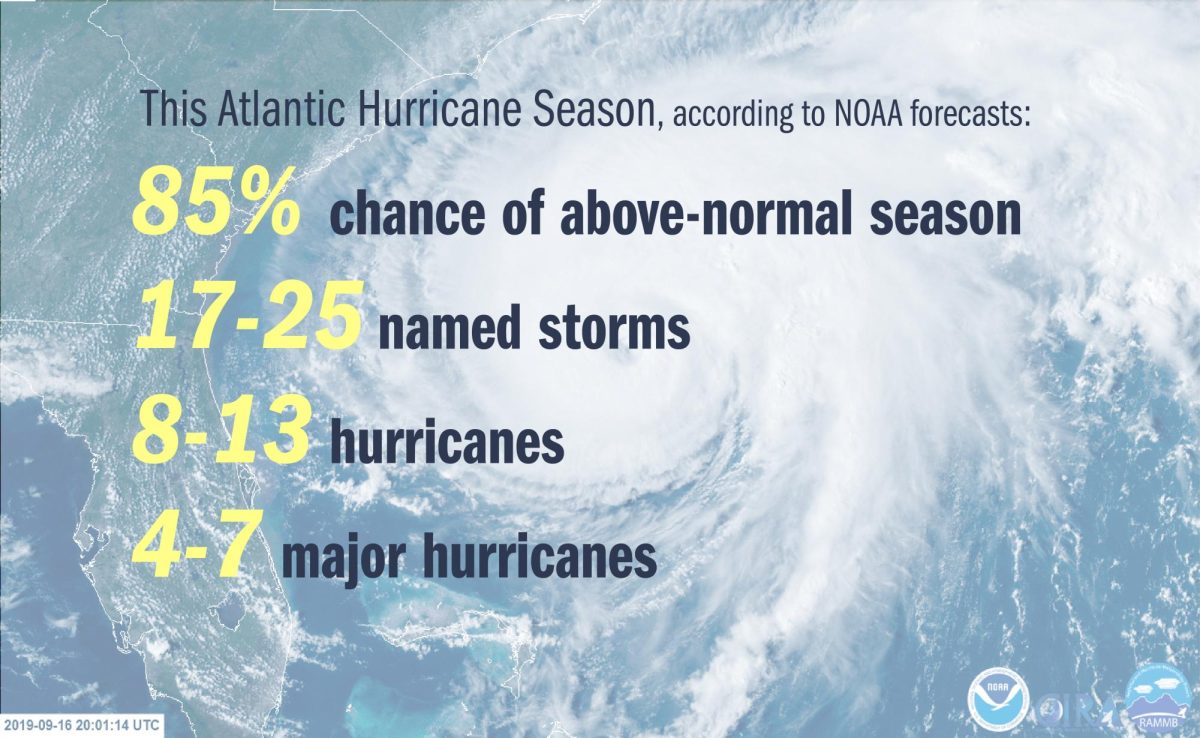
The Atlantic hurricane season is a period of increased likelihood for the formation and development of tropical storms and hurricanes. It officially spans June 1st through November 30th each year. While these dates define the official boundaries, it’s important to understand that the activity within this season is not uniform. There are periods of heightened activity and lulls.
The peak of the hurricane season typically occurs from mid-August through late October. During these months, the ocean waters are at their warmest, providing the necessary energy for storms to intensify. For New Orleans, this means that the months of September and October often present the highest risk of encountering a significant weather event. However, it’s crucial to remember that hurricanes can and have occurred outside of these peak periods, even in the early or late edges of the season.
When Does Hurricane Season Typically Peak?
The term “peak” refers to the period when the probability of tropical cyclone formation and intensification is highest. For the entire Atlantic basin, which includes the Gulf of Mexico and the Caribbean Sea where storms affecting New Orleans often form, this peak is generally considered to be around September 10th. This date serves as a statistical benchmark, indicating that the conditions are most favorable for storm development around this time.
- August: Activity begins to pick up in August as ocean temperatures rise. While still early in the season, the potential for storm formation increases significantly.
- September: This is statistically the most active month. The confluence of warm waters, favorable atmospheric patterns, and a decrease in wind shear creates an environment ripe for hurricanes. New Orleans is particularly susceptible during this time.
- October: While the intensity of activity may begin to wane compared to September, October can still be a very active month. Cooler air masses moving from the north can interact with warm Gulf waters, leading to potent storms. It’s not uncommon for significant hurricanes to impact the region in October.
- November: Activity generally decreases in November, but the season doesn’t officially end until the 30th. Late-season storms can still occur and be dangerous.
Factors Influencing Storm Development
Several meteorological factors contribute to the formation and intensification of hurricanes. Understanding these can provide context for why hurricane season is so pronounced:
- Warm Ocean Temperatures: Hurricanes draw their energy from warm ocean waters. When sea surface temperatures reach or exceed 80°F (27°C), they provide ample fuel for tropical cyclones. The Gulf of Mexico, being a relatively enclosed body of warm water, is particularly conducive to hurricane development.
- Low Wind Shear: Wind shear refers to changes in wind speed and direction with height. Low wind shear allows thunderstorms to organize vertically and develop into a coherent storm system. High wind shear can disrupt this organization, tearing nascent storms apart.
- Moisture: Abundant moisture in the atmosphere is essential for the development of the towering cumulonimbus clouds that form the structure of a hurricane.
- Pre-existing Disturbances: Hurricanes often begin as tropical waves or disturbances that move off the coast of Africa and travel westward across the Atlantic. These disturbances can then tap into the favorable conditions in the ocean and atmosphere to develop further.
Planning Your New Orleans Trip: Timing is Everything
When you envision your New Orleans adventure – perhaps exploring the vibrant streets of the Garden District, indulging in world-class dining, or soaking in the unique local culture – the timing of your visit can significantly impact your experience, especially concerning hurricane season. While New Orleans is a fantastic destination year-round, being aware of the seasonal weather patterns will allow you to maximize your enjoyment and minimize potential disruptions.
Ideal Times to Visit New Orleans
For travelers prioritizing pleasant weather and minimizing the risk of hurricane-related disruptions, the spring and fall shoulder seasons are often considered ideal.
- Spring (March to May): This is arguably the most beautiful time to visit New Orleans. The weather is typically mild and pleasant, with average temperatures ranging from the 60s to the 70s Fahrenheit. Spring brings blooming flowers, vibrant festivals beyond Mardi Gras (such as the French Quarter Festival and New Orleans Jazz & Heritage Festival), and a lively atmosphere. The city buzzes with energy, but the oppressive humidity of summer has not yet set in. This period falls outside the official hurricane season, offering peace of mind.
- Fall (Late October to November): As the peak of hurricane season wanes, the fall can offer a delightful window for visiting New Orleans. The weather becomes cooler and less humid, making it perfect for walking tours, exploring historic cemeteries, and enjoying outdoor dining. Late October and November often see crisp air and comfortable temperatures, providing a refreshing experience. While the risk of a late-season storm is never zero, it is considerably lower than in September and early October. This period also offers a unique perspective on the city as it transitions from summer heat to cooler, more festive winter vibes, with holiday decorations beginning to appear.
Times to Exercise Caution and Be Prepared
The period from June 1st to November 30th constitutes hurricane season, and within this, certain months warrant particular attention.
- June and July: While the official season begins in June, the early months are typically less active. However, warm temperatures and increasing humidity are present. Storms can and do form, but major impacts are statistically less frequent than in later months.
- August, September, and Early October: These months represent the highest risk period for New Orleans. August sees a noticeable uptick in tropical activity, while September is statistically the most active month. Early October continues to pose a significant threat. During these times, travelers should:
- Monitor weather forecasts diligently: Stay informed about potential storm development.
- Book flexible travel arrangements: Consider hotels and airlines with flexible cancellation or rebooking policies.
- Purchase travel insurance: This can provide financial protection in case of trip cancellations or interruptions due to hurricanes.
- Have a preparedness plan: Understand evacuation routes and local emergency protocols.
Even during these riskier months, it’s important to remember that a trip to New Orleans can still be incredibly rewarding. Many visitors experience no disruptions at all. The key is to be informed, prepared, and adaptable. The city’s spirit of resilience is legendary, and even in the face of challenging weather, its unique charm and hospitality shine through.
Navigating New Orleans During Storm Season: Tips for Travelers
Visiting New Orleans during hurricane season, particularly between August and October, requires a heightened sense of awareness and preparedness. However, with careful planning and a flexible attitude, you can still enjoy the magic of this extraordinary city while mitigating potential risks. The city’s infrastructure and residents are well-accustomed to dealing with tropical weather, and robust emergency plans are in place.
Essential Preparations for Your Trip
- Travel Insurance is a Must: Investing in comprehensive travel insurance that covers weather-related cancellations and interruptions is crucial. Ensure your policy clearly outlines coverage for hurricane events, including potential evacuations and trip delays. This financial safety net can provide significant peace of mind.
- Book Flexible Accommodations: When booking your hotel, resort, or apartment in New Orleans, look for options that offer flexible cancellation policies. Many establishments understand the unpredictability of hurricane season and allow for changes or cancellations with minimal penalty, especially in the event of official advisories or evacuations. Consider reputable chains like the The Roosevelt New Orleans, A Waldorf Astoria Hotel or independent boutique hotels that prioritize guest flexibility.
- Stay Informed About Weather Forecasts: As your travel dates approach and during your stay, make it a habit to check reliable weather sources daily. National news outlets, local New Orleans news channels, and the National Hurricane Center (NHC) are excellent resources for tracking potential tropical systems.
- Understand Local Emergency Procedures: Familiarize yourself with the emergency management agencies for Louisiana and the city of New Orleans. Know what the different alert levels mean and what official advisories are issued. This knowledge will help you respond appropriately to any official instructions.
- Pack Smart: Beyond typical travel essentials, consider packing a small emergency kit. This could include a flashlight with extra batteries, a portable phone charger, a first-aid kit, any necessary medications, and non-perishable snacks. Comfortable walking shoes are always recommended for exploring landmarks like the Jackson Square or strolling along the Mississippi River.
If a Storm Threatens Your Visit
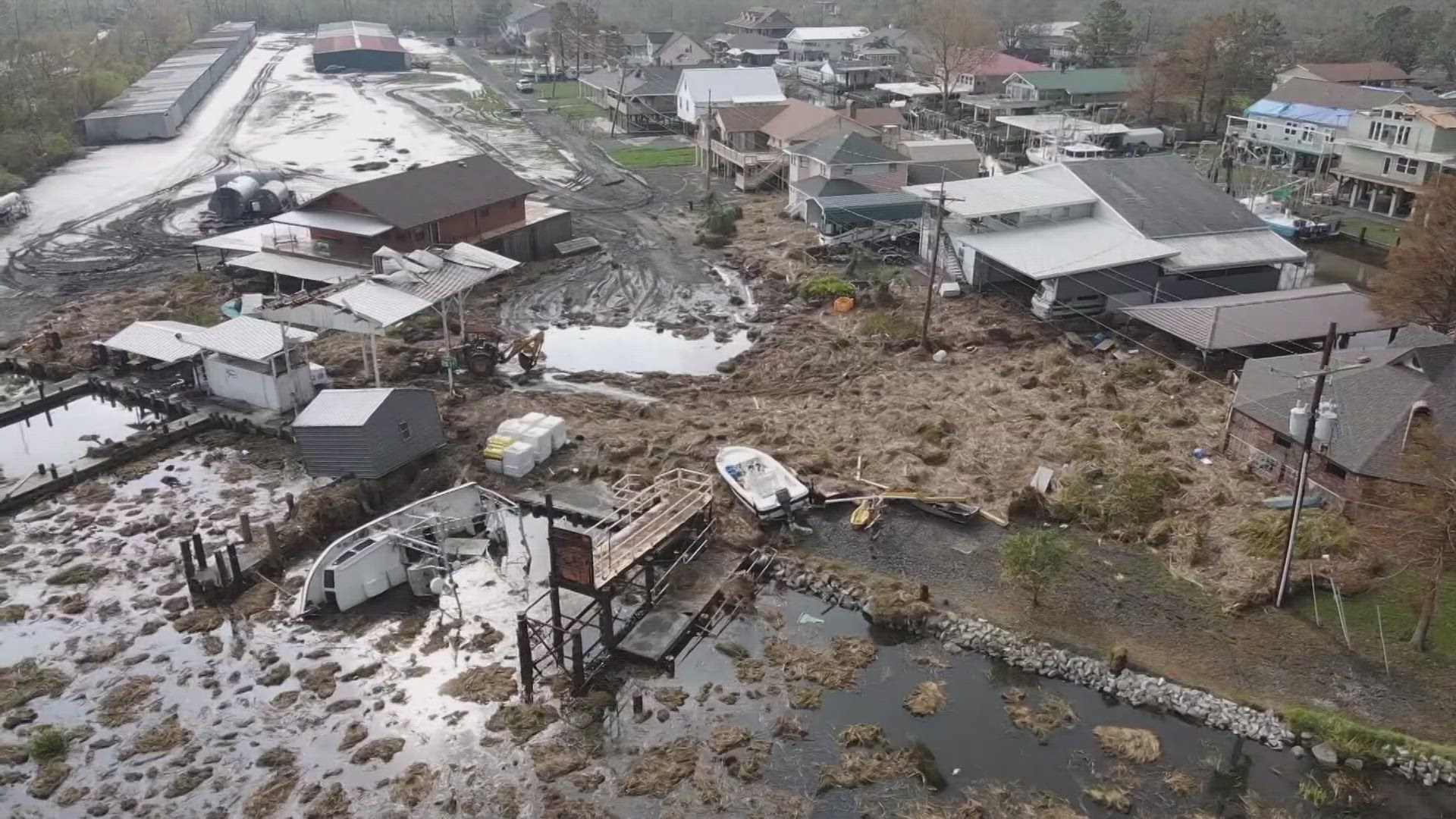
- Heed Official Warnings: The most important advice is to always follow the guidance of local authorities. If an evacuation order is issued for your area, comply immediately. Emergency services are equipped to handle these situations, and your safety is paramount.
- Have an Evacuation Plan: If you are traveling during the peak of hurricane season, it’s wise to have a general idea of where you would go if an evacuation becomes necessary. This could involve identifying hotels outside the potential impact zone or having a pre-arranged plan with friends or family in a safer location.
- Stay Connected: Ensure your mobile phone is charged and that you have access to reliable communication methods. This will allow you to receive updates and stay in touch with loved ones.
- Be Patient and Flexible: Travel plans can be disrupted. Flights may be delayed or canceled, and local attractions might close temporarily. Embracing a spirit of flexibility and patience will make navigating these challenges much easier. Remember that the vibrant culture and resilient spirit of New Orleans will still be there when conditions improve.
By understanding the nuances of hurricane season and taking proactive steps, you can confidently plan and enjoy a remarkable trip to New Orleans, embracing all the city has to offer, from its rich history and iconic landmarks to its unparalleled culinary scene and the unforgettable warmth of its people.
LifeOutOfTheBox is a participant in the Amazon Services LLC Associates Program, an affiliate advertising program designed to provide a means for sites to earn advertising fees by advertising and linking to Amazon.com. Amazon, the Amazon logo, AmazonSupply, and the AmazonSupply logo are trademarks of Amazon.com, Inc. or its affiliates. As an Amazon Associate we earn affiliate commissions from qualifying purchases.