
The allure of Florida as a retirement destination is undeniable. Its sun-drenched beaches, vibrant cultural scene, and abundance of recreational activities draw millions of aspiring retirees each year. However, a common question that arises when considering a move to the Sunshine State for your golden years is: “What is the retirement age in Florida?” This article delves into the nuances of retirement in Florida, exploring not just the age factor but also the lifestyle, considerations, and financial aspects that contribute to making Florida the premier retirement haven it is.
While there isn’t a legally mandated “retirement age” set by the state of Florida itself, the concept is more fluid and tied to individual circumstances, financial readiness, and eligibility for government benefits. Understanding these factors is crucial for anyone planning their transition into retirement in this popular destination.
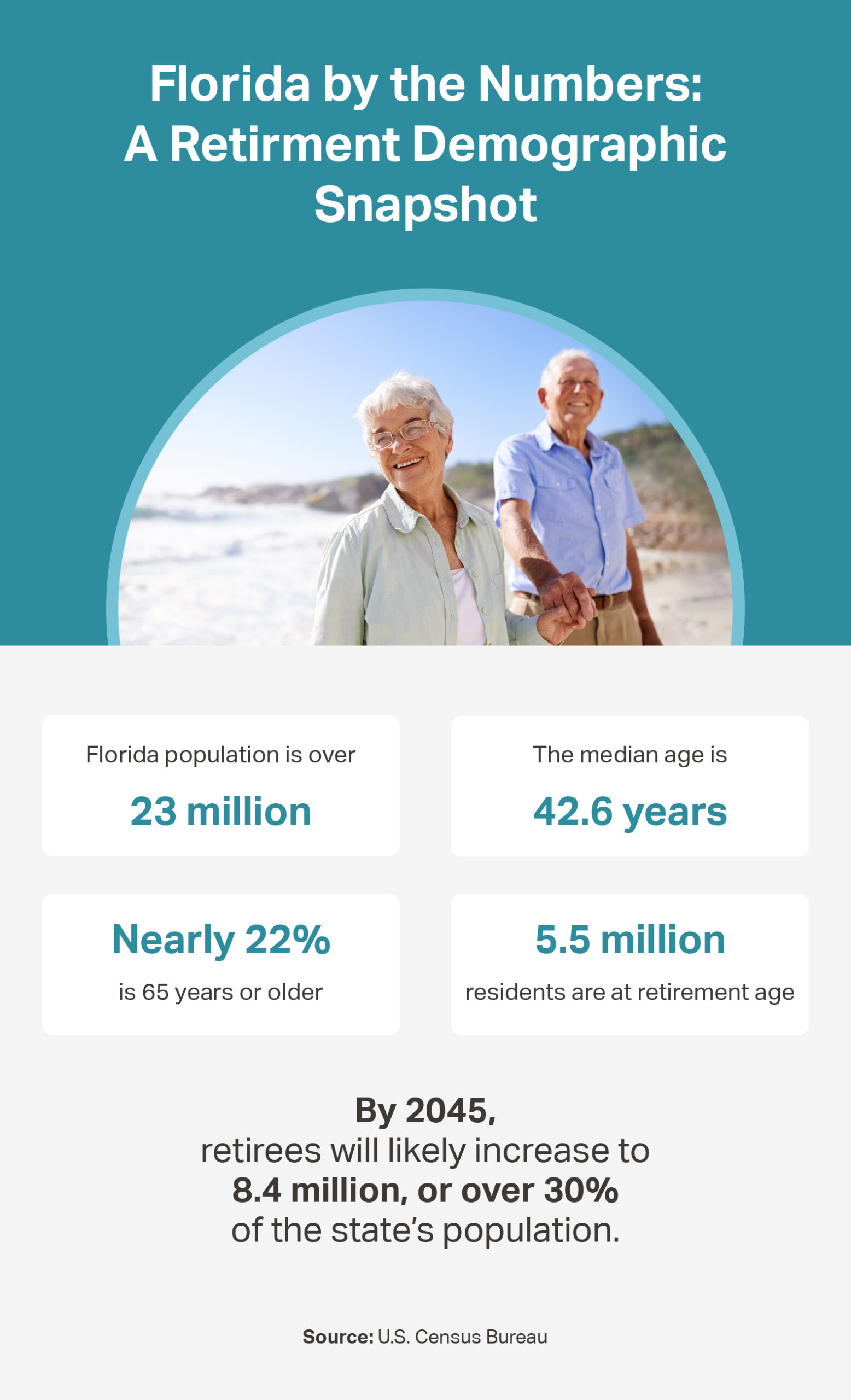
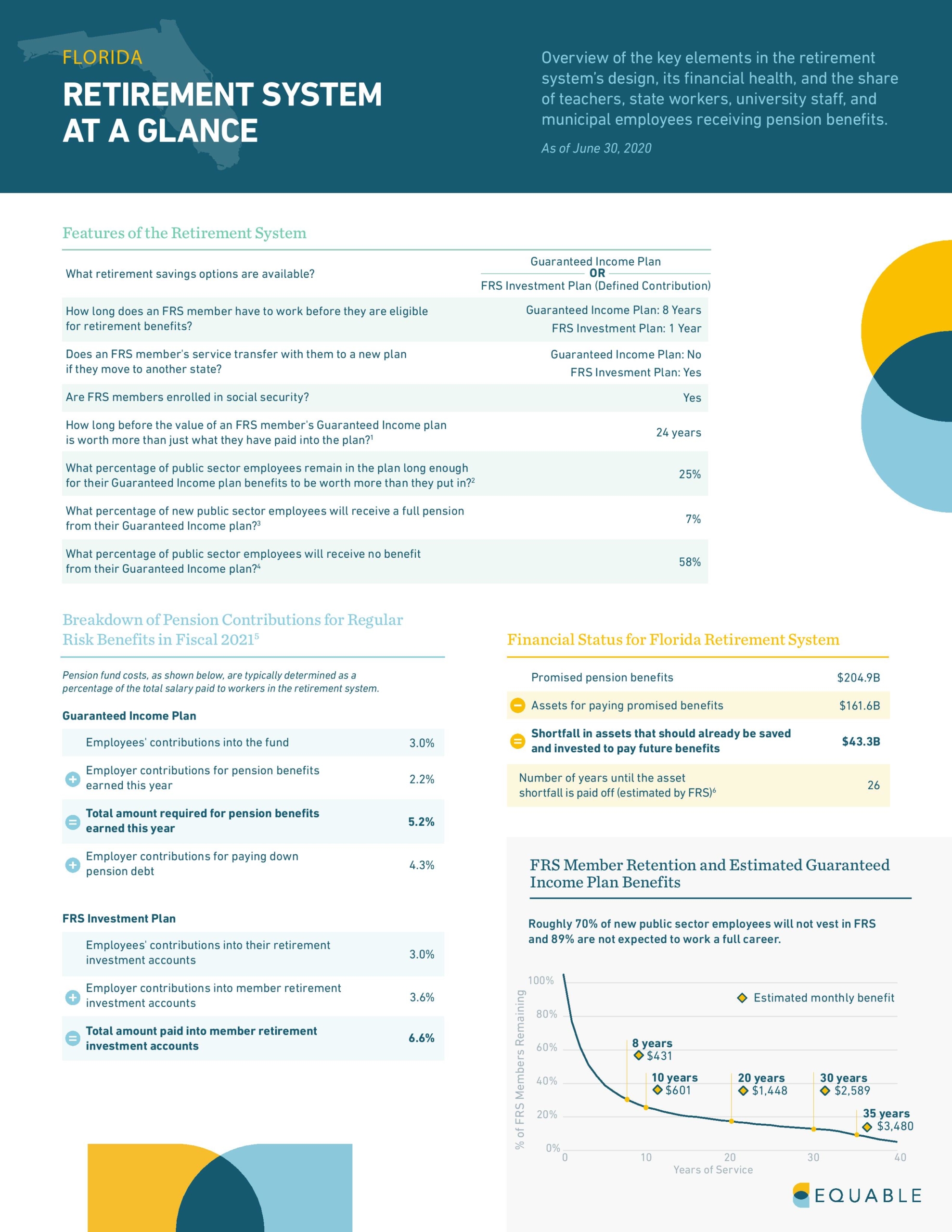
Understanding Retirement Eligibility and Age in Florida
The age at which individuals retire is largely a personal decision influenced by several key factors. In the context of Florida, these often revolve around when one can access retirement funds, qualify for social security, and when the cost of living aligns with one’s financial plan.
Social Security Benefits and Medicare Eligibility
One of the most significant factors determining when someone can realistically retire is their eligibility for Social Security benefits and Medicare.
Social Security Retirement Age
The age at which you can begin receiving Social Security retirement benefits has a direct impact on when many choose to retire. While you can start collecting benefits as early as age 62, doing so will result in a reduced monthly payment for the rest of your life. The “full retirement age” (FRA) is the age at which you are eligible to receive 100% of your earned Social Security benefits. This age varies depending on your birth year:
- Born between 1943 and 1954: FRA is 66.
- Born between 1955 and 1959: FRA gradually increases by two months each year, reaching 66 and 10 months.
- Born in 1960 or later: FRA is 67.
Choosing to delay your Social Security benefits beyond your FRA can result in increased monthly payments. For every year you wait past your FRA, up to age 70, your benefits increase by approximately 8%. Therefore, while you can retire earlier, many wait until at least their full retirement age to maximize their Social Security income, especially if they plan to live on a fixed income in Florida.
Medicare Eligibility
Another critical age marker for retirement is eligibility for Medicare, the federal health insurance program. Medicare coverage generally begins at age 65, regardless of whether you are retired or still working. This is a significant consideration for retirees, as health insurance costs can be a substantial portion of retirement expenses. For many, turning 65 marks a point where their healthcare costs become more predictable and manageable, making it a logical time to transition into retirement.
The “Magic Number” for Retirement in Florida
Beyond government programs, many individuals and financial advisors refer to a “magic number” for retirement, which is the total amount of savings and investments needed to support one’s desired lifestyle without working. This number is highly individualized and depends on factors such as:
- Expected lifestyle: Do you envision luxury travel and dining at upscale restaurants, or are you looking for budget-friendly activities and local eateries? Florida offers options for both.
- Cost of living: While Florida can be more affordable than some northern states, the cost of living can vary significantly from one city to another. For instance, living in Miami or Naples might be more expensive than in smaller inland towns.
- Healthcare expenses: Even with Medicare, there are still out-of-pocket costs for premiums, deductibles, and co-pays.
- Longevity: Planning for a longer lifespan is crucial. The average life expectancy in the United States is around 77 years, but many Floridian retirees live well into their 80s and 90s.
A common rule of thumb is the 4% rule, which suggests that retirees can withdraw 4% of their investment portfolio annually, adjusting for inflation, with a high probability of their money lasting for 30 years. To use this rule effectively, one must first determine their estimated annual retirement expenses and then calculate the total nest egg required. For example, if a retiree estimates needing $60,000 per year, they would need approximately $1.5 million in savings ($60,000 / 0.04).
The Lifestyle Appeal of Retiring in Florida
The “retirement age” is not just about numbers; it’s also about readiness for a new chapter of life. Florida offers an unparalleled lifestyle that appeals to retirees of all ages and interests, making the transition smoother and more enjoyable.
Diverse Destinations for Every Retiree
Florida is not a monolith; it’s a diverse state with a wide range of environments to suit different preferences. Whether you dream of a bustling city with cultural attractions or a quiet coastal town with pristine beaches, Florida has it all.
Coastal Living and Beachfront Properties
For many, the quintessential Florida retirement involves waking up to the sound of waves and having direct access to beautiful beaches. Areas like the Gulf Coast, with its white sandy shores in places like Clearwater and Sarasota, offer a serene environment. The Atlantic Coast, home to cities like Fort Lauderdale and Palm Beach, provides a more dynamic beach experience with vibrant boardwalks and water sports. Many retirees opt for beachfront apartments or villas, enjoying the convenience and the breathtaking ocean views. The availability of resorts and luxury hotels also means that visiting family and friends can enjoy a comfortable stay, making Florida a popular destination for extended family visits.
Vibrant Cities and Cultural Hubs
Florida‘s cities offer a rich tapestry of cultural experiences, dining, and entertainment. Miami boasts a vibrant nightlife and a strong Latin influence, with world-class museums and art galleries. Orlando, beyond its famous theme parks like Walt Disney World and Universal Studios Florida, offers a growing culinary scene and various performance venues. Tampa provides a mix of historic charm and modern amenities, with excellent museums and a thriving arts district. These urban centers are attractive to retirees who wish to remain active and engaged, with plenty of opportunities for exploring local culture, visiting landmarks, and enjoying diverse culinary experiences.
Quaint Towns and Nature Escapes
For those seeking a more tranquil pace of life, Florida has numerous charming towns and natural escapes. The Florida Keys offer a laid-back island vibe with unparalleled opportunities for fishing and boating. Inland areas boast beautiful springs, state parks, and nature preserves, providing ample opportunities for hiking, birdwatching, and enjoying the state’s unique ecosystems. These locations often provide a lower cost of living compared to the coastal hotspots, making them an attractive option for budget-conscious retirees.
Activities and Experiences for Active Retirees
Retirement in Florida is often synonymous with an active and engaging lifestyle. The state offers an endless array of activities to keep retirees entertained and healthy.
Outdoor Recreation and Sports
The warm climate makes Florida an ideal location for outdoor enthusiasts year-round. Golf is practically a religion here, with countless world-class golf courses scattered across the state. Fishing, from deep-sea excursions off the coast to freshwater fishing in the numerous lakes and rivers, is another popular pastime. Boating and sailing are also widely enjoyed, with extensive coastlines and navigable waterways. Parks like Everglades National Park and Myakka River State Park offer opportunities for hiking, kayaking, and wildlife viewing, showcasing Florida‘s diverse natural beauty.
Cultural Enrichment and Entertainment
Florida‘s cultural landscape is as diverse as its geography. Retirees can immerse themselves in history at the St. Augustine historic district, explore art at the Salvador Dalí Museum in St. Petersburg, or enjoy live performances at venues like the Adrienne Arsht Center for the Performing Arts in Miami. Many communities have active senior centers offering classes, social clubs, and group outings. The culinary scene is also a major draw, with fresh seafood being a staple, alongside a growing number of international and farm-to-table restaurants.
Planning Your Retirement Move to Florida
Making the decision to retire in Florida involves careful planning, especially when considering the financial implications and logistical aspects of relocating.
Financial Considerations for Florida Retirement
Beyond the age for accessing benefits, sound financial planning is paramount for a successful retirement in Florida.
Budgeting for the Cost of Living
As mentioned earlier, the cost of living in Florida can vary greatly. While some areas are more affordable, popular coastal cities and desirable communities can come with a higher price tag for housing, groceries, and utilities. Retirees must research the specific costs in their desired Florida location and create a realistic budget. This includes factoring in property taxes, homeowner’s insurance (which can be significant in coastal areas prone to hurricanes), and the cost of daily living. Websites dedicated to cost of living comparisons can be invaluable tools in this process.
Investment and Savings Strategies
A well-diversified investment portfolio is crucial for generating retirement income. This might include stocks, bonds, real estate, and other assets. For those considering a long-term stay or even a permanent move, looking into retirement communities or properties for sale in Florida can be a significant financial decision. Exploring different types of accommodation, from apartments and villas to resort-style living, and comparing booking options and reviews is part of this research. Many retirees also consider downsizing their current homes to free up capital that can be used to fund their Florida lifestyle.
The Practicalities of Relocation
Moving to a new state involves more than just financial planning; it requires addressing practicalities to ensure a smooth transition.
Healthcare Access and Insurance
Navigating Florida‘s healthcare system is a key concern for retirees. Upon turning 65, individuals become eligible for Medicare. However, understanding the different Medicare plans (Part A, B, C, and D) and choosing the best coverage for your needs is important. For those retiring before 65, exploring private health insurance options or Affordable Care Act (ACA) marketplaces is necessary. It’s also advisable to research hospitals and healthcare providers in your chosen Florida area and consider how you will transfer your medical records.

Finding Accommodation and Community
The type of accommodation you choose will significantly impact your retirement experience in Florida. Whether you prefer the independence of a private villa, the convenience of a resort apartment with amenities, or the social environment of a retirement community, ample options exist. Long-term stay rentals can be a good option for those wanting to test the waters before committing to a purchase. Reading reviews, comparing prices, and visiting potential locations are all part of finding the perfect place to call home. Building a social network is also vital; many retirees find this through community events, clubs, and activities, turning their new Florida residence into a true home.
In conclusion, while there isn’t a fixed “retirement age” in Florida, the decision is a personal one guided by financial readiness, eligibility for Social Security and Medicare, and the desire for a fulfilling lifestyle. Florida offers a compelling package of sunshine, diverse activities, and welcoming communities, making it a top choice for individuals ready to embrace their retirement years. The key to a successful retirement in the Sunshine State lies in thorough planning, understanding the nuances of its offerings, and embracing the vibrant lifestyle it provides.
LifeOutOfTheBox is a participant in the Amazon Services LLC Associates Program, an affiliate advertising program designed to provide a means for sites to earn advertising fees by advertising and linking to Amazon.com. Amazon, the Amazon logo, AmazonSupply, and the AmazonSupply logo are trademarks of Amazon.com, Inc. or its affiliates. As an Amazon Associate we earn affiliate commissions from qualifying purchases.