
The buzz of cicadas is a sound intrinsically linked to the American summer, a vibrant symphony that heralds warmer weather and longer days. For many, this distinctive chorus evokes a sense of nostalgia and the simple pleasures of outdoor life. However, when planning a trip to the Golden State, a common question arises: “Are there cicadas in California?” The answer, like many things in this diverse state, is not a simple yes or no. California’s unique geography, varied climates, and distinct ecological zones mean that cicada presence is not uniform.
Understanding cicada behavior is key to answering this question. These fascinating insects are known for their periodic emergences, where vast numbers emerge from the ground after spending years, often 13 or 17, underground as nymphs. These synchronized events, known as “broods,” are a marvel of nature. While some regions of the United States are famously home to these large-scale periodic emergences, California’s cicada story is a little more nuanced.
Cicada Species and Their Presence in California
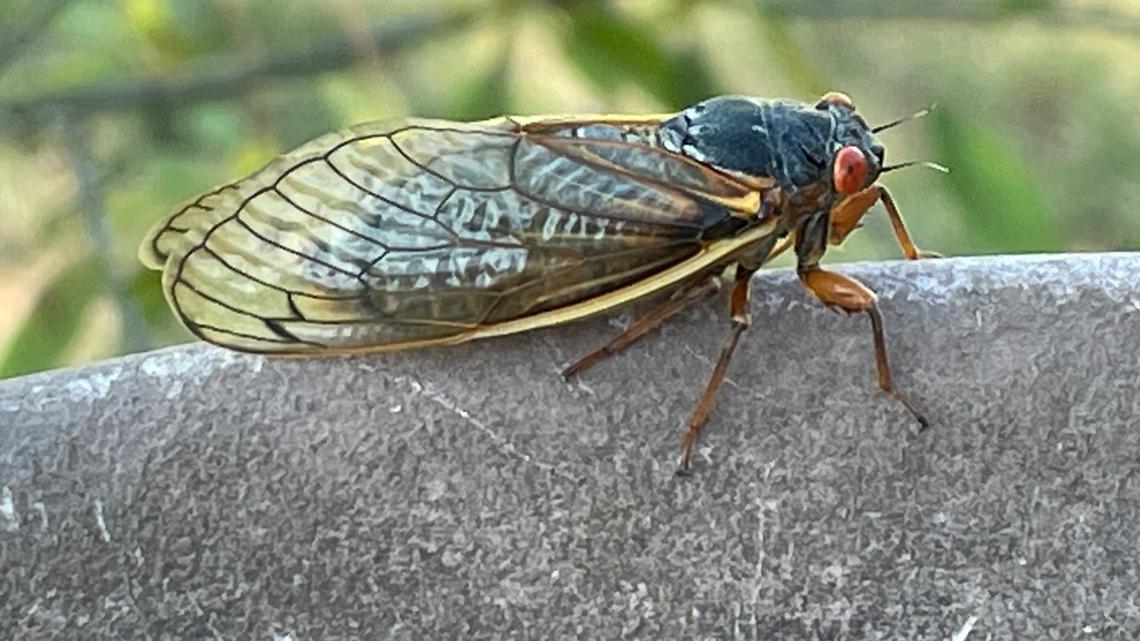
While California may not be the epicenter of the massive, synchronized emergences that make headlines in states like Illinois or Tennessee, it is certainly not devoid of cicadas. The state is home to several species of cicadas, though their populations and emergence patterns differ significantly from their periodical counterparts. These are primarily annual cicadas, which have life cycles that are not synchronized in such dramatic, multi-year broods.
Annual Cicadas: The Everyday Buzz
The most common cicadas you are likely to encounter in California are the annual varieties. These species have life cycles that typically last between two to five years, with nymphs developing underground and adults emerging each year in varying numbers. This means that while you might not witness a massive, deafening emergence of millions of cicadas simultaneously, you will hear their characteristic calls throughout the warmer months, particularly during the peak of summer.
These annual cicadas are a vital part of the California ecosystem. They play a role in aerating the soil as they burrow and are an important food source for various animals, including birds, bats, and insects. Their presence contributes to the natural soundscape of many Californian environments, from urban parks to more rural woodlands.
Periodic Cicadas: A Rare Spectacle
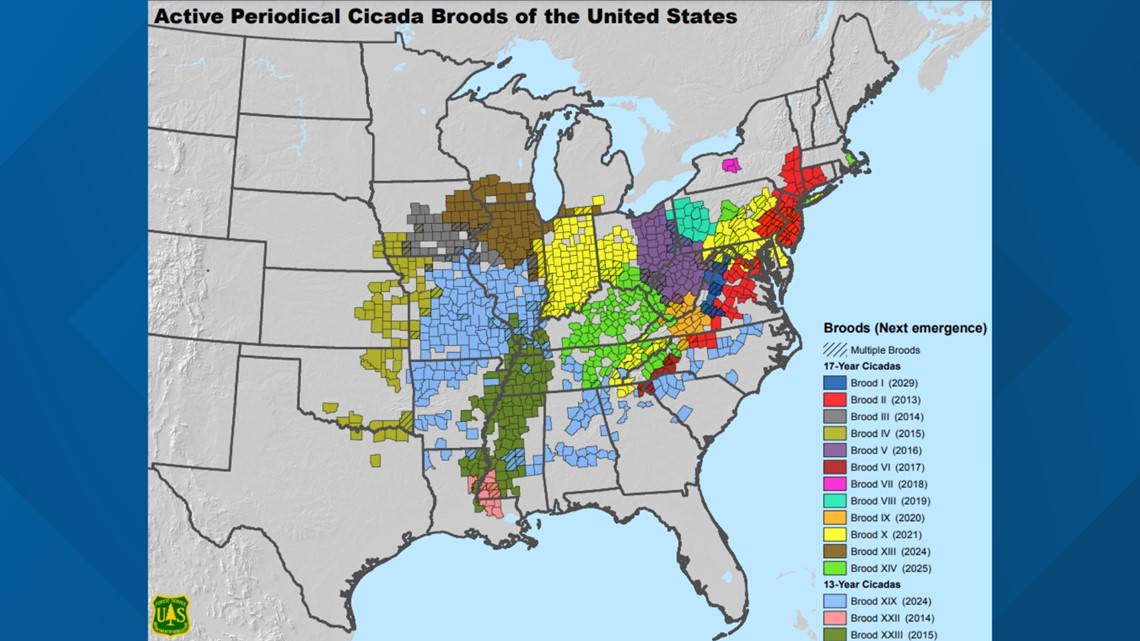
The iconic, large-scale periodical cicada emergences, such as those of Brood X, are exceptionally rare in California. These massive events involve billions of insects emerging synchronously after 17 years underground. The sheer scale of these emergences creates an unforgettable sensory experience – a constant, overwhelming hum that can be heard for miles.
While some older records and anecdotal accounts suggest the possibility of very localized and small-scale periodical cicada emergences in certain parts of California in the distant past, they are not a regular or significant phenomenon in the modern era. The ecological conditions and specific evolutionary pressures that lead to the formation of large, long-term periodical cicada broods are not as prevalent in California as they are in other parts of the country. This means that if you are traveling to California with the specific hope of witnessing a massive periodical cicada emergence, you are unlikely to be successful. However, this does not diminish the presence and importance of the cicadas that do inhabit the state.
Where and When to Hear Cicadas in California
The experience of hearing cicadas in California is dependent on both location and time of year. Unlike the predictable, calendar-driven emergences of periodical cicadas, annual cicadas in California are more spread out in their life cycles and emergence times.
Seasonal Presence: Summer’s Soundtrack

The peak season for cicada activity in California generally runs from late spring through the summer months, typically from May to August. During this period, the heat of the sun encourages adult cicadas to emerge, mate, and lay eggs. The distinctive buzzing or droning sound you hear is primarily the male cicadas calling to attract females. The intensity of the sound can vary depending on the local population density and the specific species present.
When visiting California during the summer, particularly in areas with abundant trees and vegetation, you are highly likely to hear the familiar calls of cicadas. They are a common feature of many outdoor experiences, from exploring Joshua Tree National Park to strolling through the gardens of a resort.
Geographic Distribution: From Coast to Inland Valleys
Cicadas can be found in various habitats across California. While they are not as concentrated in specific “cicada zones” as they might be in the Midwest or Southeast of the United States, their presence is widespread.
- Northern California: Regions like the San Francisco Bay Area, Sacramento Valley, and the Redwood Empire will have annual cicada populations. Parks and natural reserves within these areas, such as Muir Woods National Monument or Point Reyes National Seashore, can offer opportunities to hear their calls.
- Central California: The agricultural heartland and coastal mountain ranges of Central California, including areas around Fresno and Salinas, also host cicada populations.
- Southern California: From the urban landscapes of Los Angeles and San Diego to the more natural environments of the Santa Monica Mountains and inland deserts, annual cicadas are present. Even in seemingly arid regions like Palm Springs, you can find them in areas with sufficient vegetation.
It’s important to remember that while some areas might have denser populations than others, the general rule is that if you are in a natural or semi-natural environment in California during the summer, you are likely to encounter cicadas. They are an integral part of the state’s diverse natural tapestry, contributing to the symphony of life.
Planning Your California Experience with Cicadas in Mind
Whether you are a nature enthusiast, a curious traveler, or simply planning a family vacation, understanding the presence of cicadas can enhance your experience in California. While the absence of massive periodical emergences might be a point of consideration for some, the regular presence of annual cicadas offers its own unique charm and a constant reminder of the vibrant natural world.
Embracing the Cicada Soundscape
For many, the sound of cicadas is synonymous with summer. Instead of viewing them as a nuisance, consider them a natural soundtrack to your California adventures. Their calls can add a unique auditory dimension to your exploration of California’s diverse landscapes.
- Outdoor Activities: When hiking in Yosemite National Park, exploring the vineyards of Napa Valley, or enjoying a day at Disneyland, the hum of cicadas will likely be a subtle but present companion. It’s a sound that connects you to the natural rhythms of the state.
- Accommodation: Many hotels, resorts, and vacation rentals in California are situated in or near areas with natural vegetation. Whether you’re staying at a luxurious resort in Beverly Hills or a cozy cabin in the Sierra Nevada Mountains, you might hear cicadas outside your window during the summer months. Consider booking accommodations with outdoor spaces like balconies or patios to fully appreciate the natural ambiance.
- Culinary Experiences: Imagine enjoying a picnic lunch in Golden Gate Park or dining al fresco at a restaurant in Santa Barbara with the gentle drone of cicadas in the background. It’s an experience that grounds you in the local environment.
Cicadas and Travel Timing
If you are particularly interested in the sound of cicadas, planning your visit for the peak summer months (June to August) will maximize your chances of hearing them prominently. However, if you are hoping for a rare, large-scale periodical cicada event, California is not the destination for that particular spectacle.
For travelers who are sensitive to loud noises, it might be worth noting that while annual cicadas can be noisy, their calls are generally not as overwhelming as those of periodical cicadas. The sound is more of a constant, ambient buzz rather than a deafening roar.
In conclusion, while California may not be famous for the dramatic, multi-year emergences of periodical cicadas that capture national attention, the state is certainly home to cicadas. The annual varieties provide a consistent and familiar summer soundtrack, enriching the experience of visiting and exploring this incredibly diverse and beautiful state. So, when you plan your next trip, remember to listen for the unique buzz that signifies the heart of a Californian summer.
LifeOutOfTheBox is a participant in the Amazon Services LLC Associates Program, an affiliate advertising program designed to provide a means for sites to earn advertising fees by advertising and linking to Amazon.com. Amazon, the Amazon logo, AmazonSupply, and the AmazonSupply logo are trademarks of Amazon.com, Inc. or its affiliates. As an Amazon Associate we earn affiliate commissions from qualifying purchases.