
The Sunshine State, a perennial favorite for travelers and residents alike, conjures images of sun-drenched beaches, vibrant coral reefs, and lush, tropical landscapes. Beyond its iconic natural beauty and world-class theme parks, Florida boasts a rich tapestry of cultural nuances and natural wonders, including its distinguished state bird. This avian emblem plays a significant role in the state’s identity, reflecting its ecological significance and the enduring charm of its natural heritage. Understanding Florida’s state bird offers a deeper appreciation for the diverse ecosystems that thrive within its borders, from the whispering pines of the Panhandle to the mangrove-lined shores of the Keys.

The Majestic Northern Mockingbird: Florida’s Feathered Ambassador
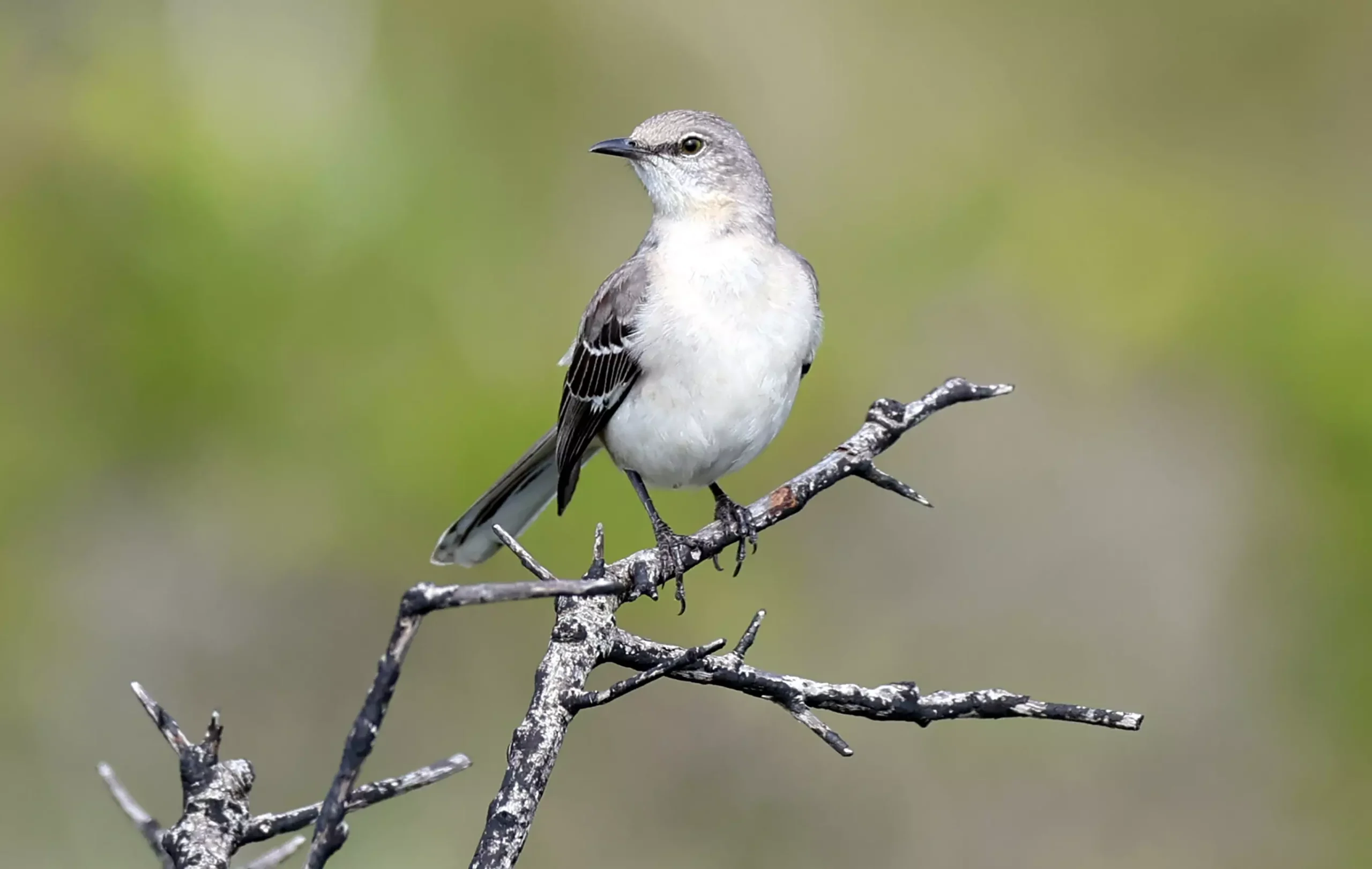
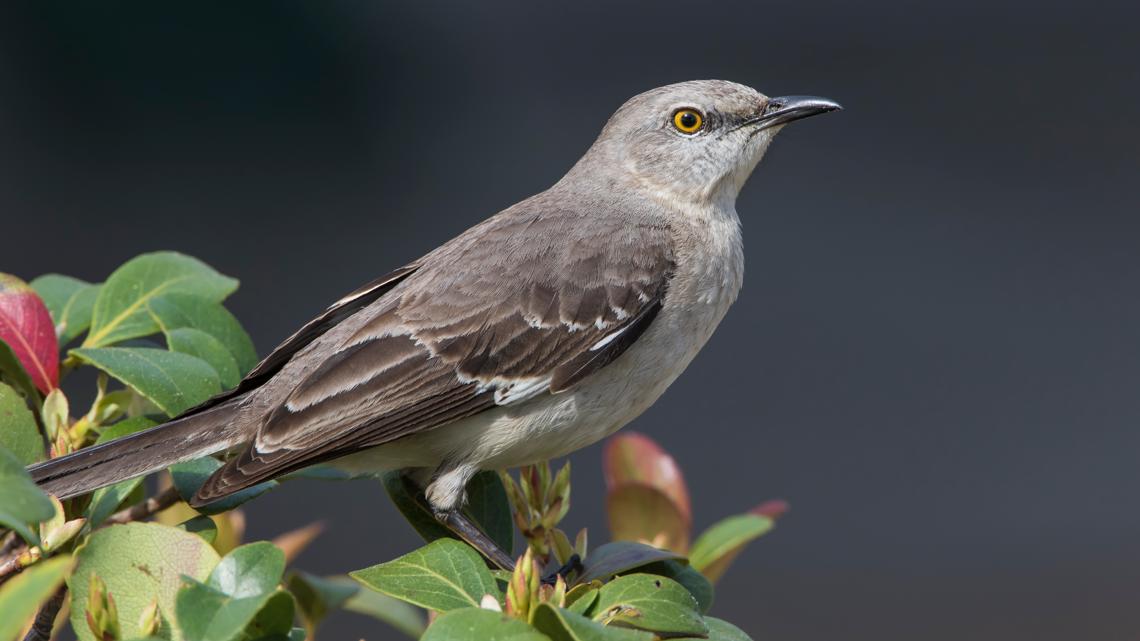
The honor of being Florida’s state bird belongs to the Northern Mockingbird (Mimus polyglottos). This songbird, recognized for its intelligence, adaptability, and remarkable vocal abilities, was officially designated as the state bird in 1927. Its selection was a testament to its widespread presence throughout Florida, its distinctive characteristics, and its association with the state’s natural soundscape. The Northern Mockingbird is more than just a beautiful creature; it’s a symbol of Florida’s vibrant wildlife and the diverse habitats that support it.
A Master of Mimicry and Song
The most striking characteristic of the Northern Mockingbird is its extraordinary ability to mimic. These birds are renowned for their extensive repertoire of songs, which can include the calls of other birds, insects, amphibians, and even mechanical sounds like car alarms or squeaking gates. This masterful mimicry serves various purposes, including territorial defense, attracting mates, and confusing predators. A single male mockingbird can learn and perform hundreds of different vocalizations, making each individual’s song unique and endlessly fascinating. Observing a Northern Mockingbird in its natural habitat is an auditory delight, a symphony of borrowed sounds woven into its own melodic expressions.
Their song is particularly prominent during the breeding season, when males will sing day and night to establish and defend their territories. This persistent vocalization has earned them the “mockingbird” moniker, highlighting their imitative prowess. The sheer variety of their vocalizations reflects the rich biodiversity of Florida’s ecosystems, as the mockingbird incorporates the sounds of the various creatures that share its environment. Whether it’s perched atop a palm tree overlooking the Atlantic Ocean or flitting through the cypress swamps of the Everglades, the Northern Mockingbird’s song is an integral part of the Florida experience.
Physical Characteristics and Habitat
The Northern Mockingbird is a medium-sized songbird, typically measuring around 9 to 10 inches in length. It boasts a slender build, long legs, and a distinctive long tail that it often cocks upwards. Its plumage is predominantly gray, with darker wings and tail feathers that feature prominent white patches, particularly visible in flight. These white patches flash like signals as the bird flies, creating a striking visual display against the backdrop of Florida’s blue skies. Their eyes are dark and intelligent, adding to their alert and curious demeanor.
These adaptable birds are found in a wide variety of habitats across Florida. They are commonly observed in suburban gardens, parks, agricultural areas, and along the edges of woodlands. They thrive in areas with a mix of open ground for foraging and shrubs or trees for nesting and perching. This adaptability has contributed to their widespread distribution throughout the state, making them a familiar sight for residents and visitors alike. From the bustling urban landscapes of Miami and Orlando to the more tranquil expanses of Everglades National Park and the Florida Keys, the Northern Mockingbird has successfully integrated itself into the fabric of Florida’s diverse environments. Their presence can be felt and heard in virtually every corner of the state, from the manicured lawns of luxury resorts in Boca Raton to the wilder, natural settings that define much of Florida’s appeal.
Ecological Significance and Behavior
The Northern Mockingbird plays an important role in Florida’s ecosystem. As omnivores, their diet consists of insects, berries, and small fruits. This dietary flexibility allows them to thrive in various seasons and environments. During the warmer months, they are voracious insectivores, helping to control insect populations. In the fall and winter, they turn to fruits and berries, contributing to seed dispersal. This ecological contribution further solidifies their importance within Florida’s natural landscape.
Their behavior is also noteworthy. Mockingbirds are known for their bold and sometimes aggressive nature, especially when defending their territory or their young. They are not afraid to confront larger birds, cats, and even humans if they perceive a threat. This feisty spirit embodies a certain resilience that is often associated with the wild, untamed beauty of Florida. They are often seen foraging on the ground, hopping from place to place, their long tails flicking. Their aerial displays during courtship or territorial disputes are also captivating, a blur of gray and white against the verdant surroundings.
When planning a trip to Florida, whether it’s a family vacation to Walt Disney World Resort, a romantic getaway to Sanibel Island, or an adventure exploring the natural wonders of the Ocala National Forest, keep an ear out for the distinctive song of the Northern Mockingbird. Its presence is a constant reminder of the vibrant life that flourishes in the Sunshine State. From the historic charm of St. Augustine to the bustling energy of Tampa, the mockingbird is an omnipresent companion to the Florida experience.
Discovering Florida’s Avian Wonders: Beyond the State Bird
While the Northern Mockingbird holds the prestigious title of Florida’s state bird, the state is a haven for an astonishing diversity of avian life. Its varied ecosystems, from coastal marshes to pine flatwoods and subtropical forests, provide critical habitats for a multitude of bird species. Exploring these natural environments offers unparalleled opportunities for birdwatching and a deeper connection with Florida’s wild beauty.
Birdwatching Hotspots Across the Sunshine State
Florida’s commitment to preserving its natural beauty has led to the creation of numerous parks, refuges, and sanctuaries that are prime destinations for bird enthusiasts. These locations offer varied landscapes, each attracting different species.
-
Everglades National Park: This iconic wetland ecosystem is a world-renowned birding destination. Visitors can spot wading birds like Great Egrets, Great Blue Herons, and Roseate Spoonbills wading in the shallow waters. Anhingas, often seen drying their wings in the sun, are also a common sight. The park’s unique environment supports a remarkable array of migratory and resident species. A boat tour through the mangrove tunnels or a visit to the Anhinga Trail can yield incredible sightings.
-
Ding Darling National Wildlife Refuge on Sanibel Island: This refuge is celebrated for its abundant birdlife, particularly shorebirds and waterfowl. During migration periods, the refuge teems with thousands of birds. Early mornings and late afternoons are the best times for viewing, with opportunities to see Ospreys, American White Pelicans, and a variety of sandpipers and plovers. The Wildlife Drive offers a convenient way to explore the refuge by car, with numerous pull-offs for observation.
-
Corkscrew Swamp Sanctuary: Home to an ancient bald cypress forest, this sanctuary offers a unique habitat for woodland birds. The boardwalk trail allows visitors to immerse themselves in the environment without disturbing the delicate ecosystem. Keep an eye out for Wood Storks, Barred Owls, and various woodpecker species. The sheer scale of the cypress trees creates a majestic backdrop for birdwatching.
-
Dry Tortugas National Park: Accessible only by boat or seaplane, this remote park is a critical nesting site for Sooty Terns, Brown Noddies, and other seabirds. The journey to the park itself is an adventure, and the reward is a chance to witness vast colonies of birds in a pristine natural setting. Fort Jefferson provides a historic landmark within this natural paradise.
-
Honeymoon Island State Park: Located near Tarpon Springs, this park is a popular spot for seeing shorebirds, wading birds, and migratory songbirds. The diverse habitats, including pine forests and coastal dunes, attract a wide range of species.
Planning Your Birding Excursions
To make the most of your birding adventures in Florida, consider the following tips:
-
Timing is Key: The best times for birdwatching are generally early morning and late afternoon when birds are most active. Migration seasons, particularly spring and fall, offer the chance to see a greater variety of species.
-
Bring the Right Gear: Binoculars are essential for spotting and identifying birds. A field guide specific to Florida or North American birds will be invaluable. Consider bringing a camera with a zoom lens to capture your sightings.
-
Respect the Wildlife: Always maintain a safe distance from birds and their nests. Avoid using flash photography, as it can disturb them. Stay on designated trails to minimize your impact on their habitats.
-
Consider Guided Tours: Many parks and refuges offer guided bird walks led by experienced naturalists. These tours can provide valuable insights into local bird species and their behaviors.
-
Embrace the Unexpected: Birdwatching is an activity that rewards patience and observation. Sometimes the most memorable sightings are the ones you don’t expect.
By venturing beyond simply identifying the state bird, visitors to Florida can unlock a deeper appreciation for its natural heritage and the incredible biodiversity that graces its skies and landscapes. From the luxury of a Ritz-Carlton resort with its manicured gardens to the rugged beauty of the Florida Keys, birdwatching opportunities abound, offering a serene and rewarding counterpoint to the state’s more popular attractions.
Understanding Florida’s Avian Diversity and Conservation
The remarkable diversity of birds found in Florida is a direct result of its unique geographical position and varied habitats. As a peninsula extending into the Atlantic Ocean and bordered by the Gulf of Mexico, Florida serves as a crucial stopover point for migratory birds traveling along the Atlantic Flyway. The state’s mosaic of ecosystems – from the mangrove forests of the coasts to the pine scrub of the interior and the vast wetlands of the interior – supports a rich array of species.
The Northern Mockingbird, as Florida‘s state bird, is a testament to the adaptability and resilience of avian life in this environment. However, many other species face increasing challenges due to habitat loss and climate change. Conservation efforts across Florida are vital to protecting these feathered inhabitants and their crucial habitats. Organizations like Audubon Florida and various state and federal agencies work tirelessly to preserve wetlands, protect nesting sites, and mitigate threats to bird populations.
Visiting natural areas like Collier-Seminole State Park or exploring the diverse environments around Naples allows visitors to witness this avian wealth firsthand. The South Florida region, in particular, is a hotspot for a myriad of species, including numerous wading birds and migratory songbirds that rely on the area’s unique ecosystems.
Understanding the ecological roles these birds play – from insect control to seed dispersal – highlights their importance in maintaining the health of Florida‘s natural landscapes. Whether you’re staying in a charming bed and breakfast in the Panhandle or a sprawling resort in Palm Beach, the presence of diverse birdlife is a constant reminder of the natural treasures that Florida offers. The state’s commitment to conservation ensures that future generations will be able to enjoy the sight and sound of its magnificent avian population, including its beloved state bird, the Northern Mockingbird. Each sighting, whether it’s a fleeting glimpse of a rare warbler or the familiar song of a mockingbird, contributes to a richer understanding and appreciation of the Sunshine State’s vibrant natural heritage.
LifeOutOfTheBox is a participant in the Amazon Services LLC Associates Program, an affiliate advertising program designed to provide a means for sites to earn advertising fees by advertising and linking to Amazon.com. Amazon, the Amazon logo, AmazonSupply, and the AmazonSupply logo are trademarks of Amazon.com, Inc. or its affiliates. As an Amazon Associate we earn affiliate commissions from qualifying purchases.