
Florida, often dubbed the “Sunshine State,” enjoys a reputation for its perpetual sunshine and balmy weather, making it a perennial favorite for travelers seeking an escape from colder climates. However, like many subtropical destinations, the Sunshine State experiences distinct weather patterns, including a pronounced wet season. Understanding when this period occurs is crucial for anyone planning a visit, from those dreaming of a beach vacation in Miami to families hoping to explore the theme parks of Orlando. This article will delve into the specifics of Florida’s wet season, offering insights into what to expect, how to prepare, and how to still make the most of your trip, regardless of the forecast.
Understanding Florida’s Climate Patterns
Florida’s climate is predominantly humid subtropical, characterized by hot, humid summers and mild winters. The state’s geographical location, jutting out into the Atlantic Ocean and bordered by the Gulf of Mexico, significantly influences its weather. This proximity to large bodies of water contributes to its high humidity levels and frequent rainfall, especially during the warmer months.
The concept of a “wet season” in Florida isn’t as strictly defined as in some tropical regions, but it’s a discernible period where rainfall increases significantly, often accompanied by higher temperatures and humidity. This period is largely driven by the movement of atmospheric systems and the prevailing weather patterns of the subtropics.
The Role of the Gulf Stream and Atlantic Currents
The warm waters of the Gulf Stream and the Atlantic Ocean play a vital role in shaping Florida’s climate. These currents provide a constant source of moisture and heat, fueling the thunderstorms and tropical systems that are characteristic of the wet season. The southeastern coast of Florida, for instance, benefits from the moderating influence of the Gulf Stream, which can sometimes lead to slightly cooler temperatures during summer compared to inland areas.
Prevailing Winds and Air Masses
During the summer months, Florida typically experiences winds that blow from the southeast, carrying warm, moist air from the ocean inland. This influx of moisture, combined with the intense solar heating of the land, creates an environment ripe for convection. As the hot, humid air rises, it cools and condenses, forming towering cumulonimbus clouds that unleash heavy downpours. These are often in the form of afternoon thunderstorms, which can be intense but are usually short-lived.
When Does the Wet Season Occur in Florida?
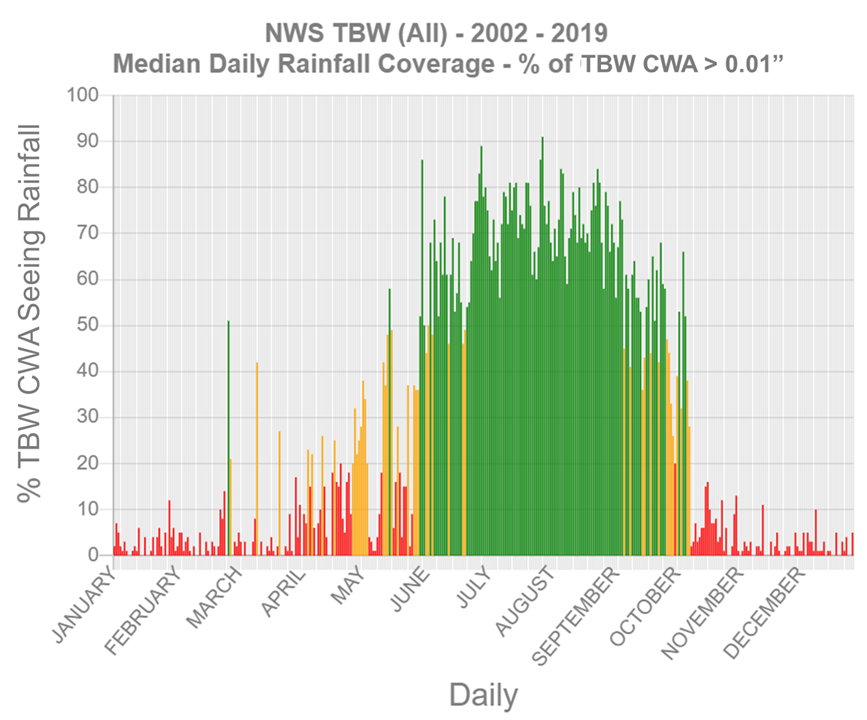
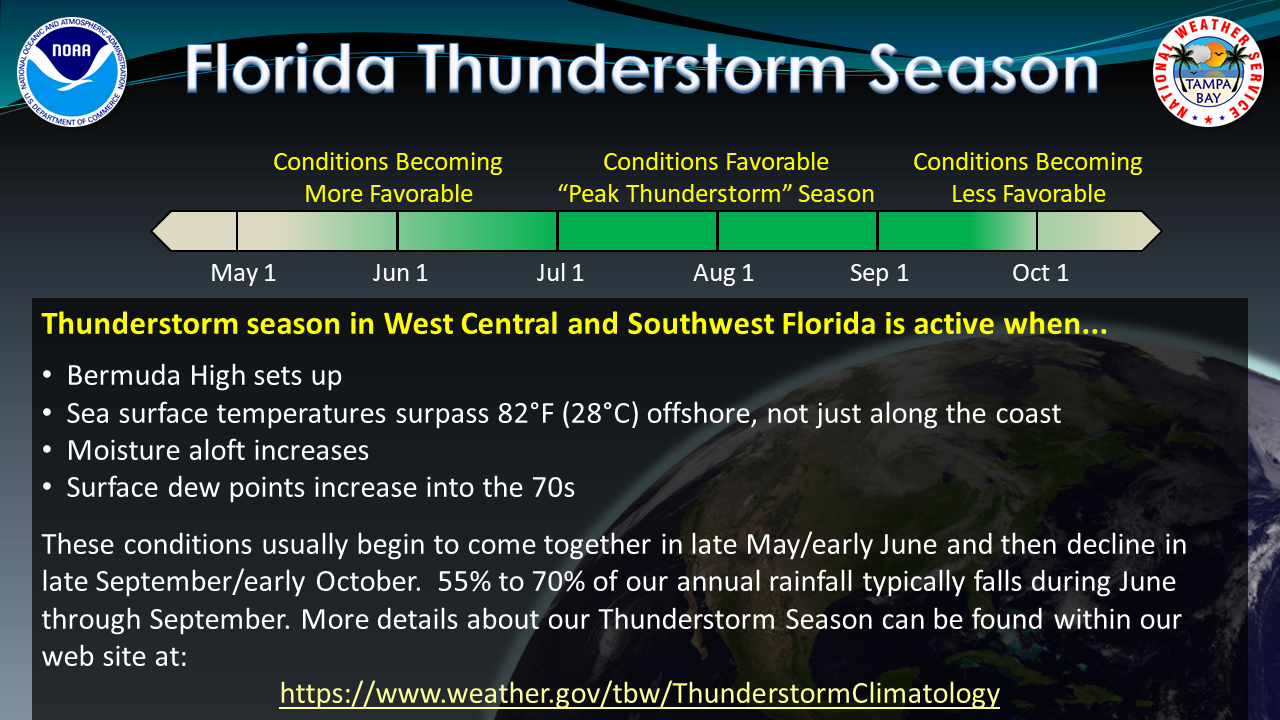
The wet season in Florida generally runs from late May or early June through September or October. This period coincides with the warmest and most humid months of the year. While some rainfall can occur throughout the year, the sheer volume and frequency of precipitation increase dramatically during these months.
Early Summer (June)
June marks the official start of the wet season for most of Florida. The transition from spring to summer brings a noticeable shift in weather patterns. Temperatures begin to climb, and the humidity becomes more pronounced. Daily afternoon thunderstorms become a common occurrence, particularly in inland areas and across the southern half of the state. These storms are often characterized by lightning, thunder, and heavy rain, but they typically dissipate as quickly as they form, usually by late afternoon or early evening.
Mid-Summer (July and August)
July and August are typically the wettest months in Florida. The combination of high temperatures, soaring humidity, and the consistent flow of moist air from the Atlantic and Gulf of Mexico creates a perfect storm for heavy rainfall. Thunderstorms are a daily fixture, often developing in the late morning or early afternoon and continuing for a few hours. While these downpours can be intense, they rarely disrupt entire days. Visitors can often enjoy sunny mornings before the afternoon rain arrives, and frequently, the sun returns shortly after the storm passes.
Late Summer and Early Autumn (September and October)
September and October still fall within the wet season, though the intensity and frequency of rainfall may begin to decrease as the season progresses. September is still a very wet month, and it’s also peak hurricane season. While the chances of a direct hit from a major hurricane are statistically low for any given location, the potential for tropical storms and their associated heavy rains and strong winds remains a significant concern. By October, many parts of Florida start to experience a reduction in rainfall as the atmospheric patterns begin to shift towards the drier, cooler months of winter. However, a tropical system can still impact the state during this period.
The Impact of the Wet Season on Your Florida Trip
The wet season in Florida brings with it a unique set of considerations for travelers. While it’s not a time to be entirely deterred from visiting, understanding the implications can help you plan a more enjoyable and comfortable experience.
Rainfall Patterns and Thunderstorms
As mentioned, the characteristic rainfall of the wet season comes in the form of afternoon thunderstorms. These are often intense but localized and brief. This means you might experience a sudden downpour that lasts for 30 minutes to an hour, followed by sunshine. While inconvenient for outdoor activities, these storms can also offer a refreshing break from the heat and humidity. It’s rare for an entire day to be lost to rain during the wet season.
High Humidity and Temperatures

The wet season is also the hottest and most humid period in Florida. Temperatures frequently reach the high 80s and low 90s Fahrenheit (around 30-33 degrees Celsius), with the humidity making it feel even hotter. This can be challenging for those not accustomed to such conditions, especially when engaging in outdoor activities like theme park visits or nature walks. Staying hydrated, seeking air-conditioned refuges, and planning activities for the cooler mornings are essential strategies.
Hurricane Season Considerations
The Atlantic hurricane season officially runs from June 1st to November 30th, with the peak occurring from mid-August to late October. While the wet season and hurricane season overlap significantly, it’s important to distinguish between typical afternoon thunderstorms and the potential impact of a tropical storm or hurricane. If a hurricane or tropical storm is threatening Florida, it can bring widespread heavy rainfall, strong winds, storm surge, and significant disruptions to travel and daily life. Visitors traveling during this period should always stay informed about weather forecasts and be prepared to adjust their plans if necessary. Many hotels in Florida, like the Ritz-Carlton Naples, offer flexible booking policies during hurricane watches and warnings.
Opportunities and Advantages
Despite the rain and humidity, the wet season also offers some advantages for travelers.
- Fewer Crowds: In some popular destinations, the wet season can mean fewer crowds at attractions compared to the peak winter or spring break seasons. This can lead to shorter wait times at theme parks and a more relaxed experience at beaches and other tourist spots.
- Lush Greenery: The abundant rainfall contributes to Florida’s vibrant and lush natural landscapes. Parks, gardens, and natural reserves are at their most verdant, offering beautiful scenery for nature lovers.
- Lower Prices: Accommodation and flight prices might be more affordable during the wet season, especially outside of holiday periods. This can be an excellent opportunity for budget-conscious travelers to experience Florida. Consider looking at long-term stay apartments in areas like Tampa if you plan to visit for an extended period during this time.
Making the Most of Your Florida Trip During the Wet Season
Planning a trip to Florida during the wet season doesn’t mean sacrificing a fantastic vacation. With a bit of preparation and a flexible attitude, you can still enjoy all that the Sunshine State has to offer.
Embrace the Flexibility
The key to a successful wet season trip is embracing flexibility. If a sudden thunderstorm rolls in, have a backup plan. Many attractions offer indoor activities. For example, if you’re visiting Orlando, the numerous indoor shows, arcades, and dining options at the theme parks can be a welcome refuge. Consider visiting world-class museums like the John and Mable Ringling Museum of Art in Sarasota or exploring the shops and restaurants in cities like Key West.
Pack Appropriately
Your packing list should include lightweight, quick-drying clothing, a good quality umbrella, and waterproof footwear. A light rain jacket is also a wise addition. Don’t forget sunscreen and insect repellent, as mosquitoes can be more prevalent in humid conditions.
Stay Informed About Weather
Always keep an eye on the weather forecast. Weather apps and local news channels are invaluable resources for tracking developing storms. If traveling during hurricane season, subscribe to alerts from the National Hurricane Center and be aware of any potential watches or warnings issued for your area.
Plan for Indoor Activities
Interspersing outdoor adventures with indoor pursuits is an excellent strategy. Florida boasts a wide array of indoor attractions:
- Museums and Aquariums: Explore the diverse marine life at the Florida Aquarium in Tampa, or delve into history and art at various institutions across the state.
- Shopping Malls and Entertainment Complexes: Many areas have expansive malls with shops, restaurants, and entertainment options, providing hours of indoor enjoyment.
- Theme Park Indoor Shows and Attractions: As mentioned, theme parks are well-equipped with indoor shows, rides, and dining experiences.
- Culinary Experiences: Florida’s food scene is vibrant. Use rainy afternoons to explore local eateries, from casual seafood shacks to upscale dining establishments. Consider a food tour in cities like New Orleans (though technically Louisiana, the article implies broader travel advice in some contexts) for a diverse taste of local cuisine.
Adjust Your Schedule
Be prepared to adjust your daily schedule. Early morning hours are often the sunniest and driest, making them ideal for outdoor activities. Plan your beach time, theme park visits, or nature hikes for the morning, and save indoor activities or relaxation for the afternoon when storms are more likely.
Consider Your Accommodation Choices
If you’re looking for a comfortable base during the wet season, consider accommodations with excellent amenities. Resorts often have indoor pools, spas, and entertainment options that can make a rainy day enjoyable. Many apartment rentals or villas also offer private spaces where you can relax and wait out the rain. If you’re considering a long-term stay, looking for an apartment with good indoor facilities in a city like Fort Lauderdale might be ideal.
Ultimately, Florida’s wet season is a natural part of its subtropical charm. While it means a higher chance of rain, it also brings lush landscapes, fewer crowds, and potentially more affordable travel. By understanding the patterns and preparing accordingly, visitors can ensure a memorable and enjoyable experience in the Sunshine State, rain or shine. Whether you’re seeking the thrills of Universal Studios Florida or the serene beauty of the Everglades National Park, Florida has something to offer year-round.
LifeOutOfTheBox is a participant in the Amazon Services LLC Associates Program, an affiliate advertising program designed to provide a means for sites to earn advertising fees by advertising and linking to Amazon.com. Amazon, the Amazon logo, AmazonSupply, and the AmazonSupply logo are trademarks of Amazon.com, Inc. or its affiliates. As an Amazon Associate we earn affiliate commissions from qualifying purchases.