
The vast expanse of Texas, a state renowned for its diverse landscapes and rich cultural tapestry, offers a wealth of travel opportunities. Among its most popular urban hubs are Dallas and San Antonio, two distinct cities that beckon travelers with their unique charms. For those planning an itinerary that includes both these iconic Texan destinations, understanding the distance between them is a crucial first step in crafting a seamless travel experience. This exploration delves into the specifics of the geographical separation, the most efficient travel methods, and the considerations that shape the journey between these two dynamic metropolises.
The Direct Distance: Miles and Time on the Road
The geographical proximity between Dallas and San Antonio is a key factor for travelers considering road trips or logistical planning. While both are situated within the Lone Star State, the distance is significant enough to warrant dedicated travel time.
Driving Distance and Estimated Travel Time
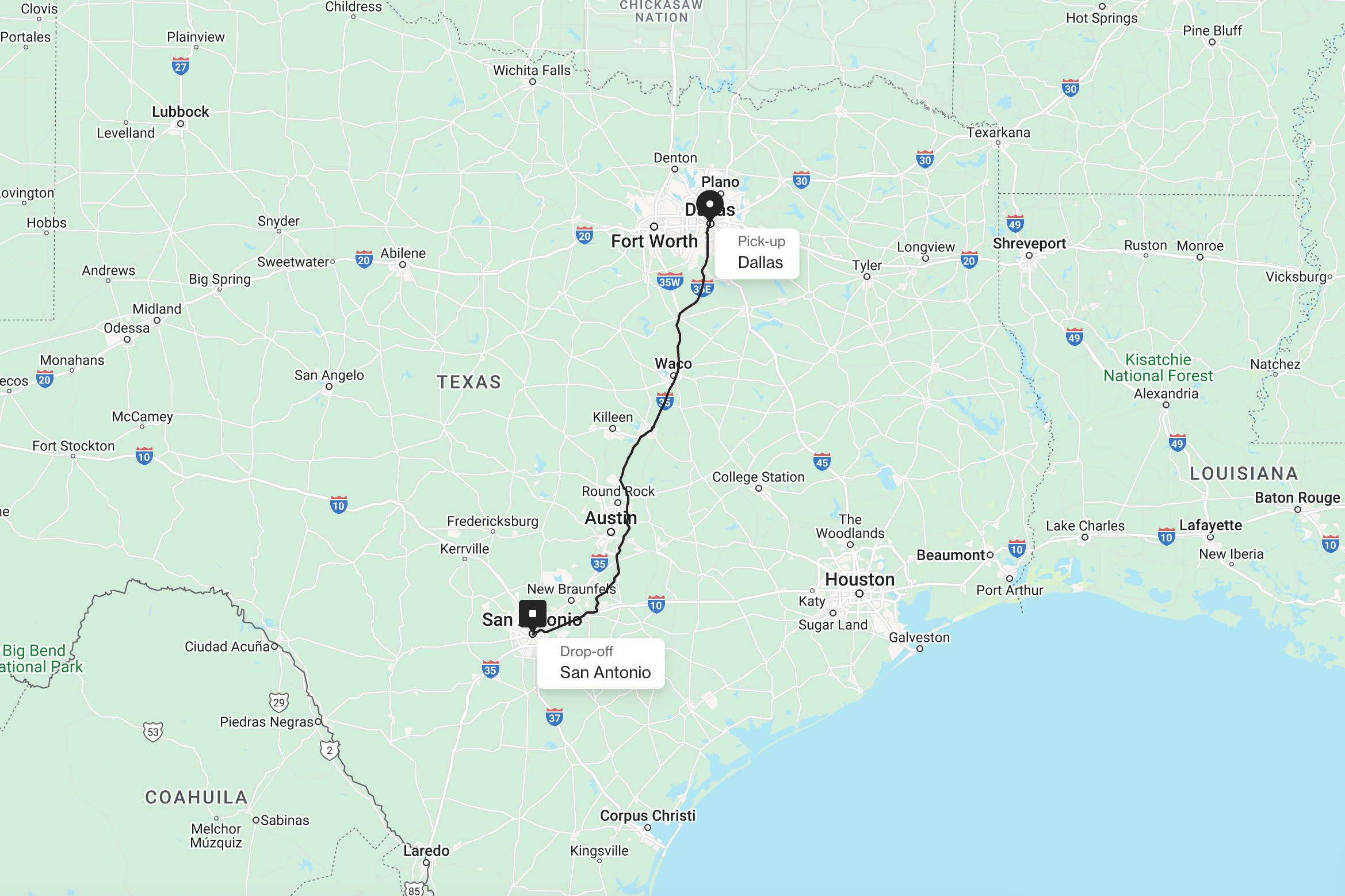
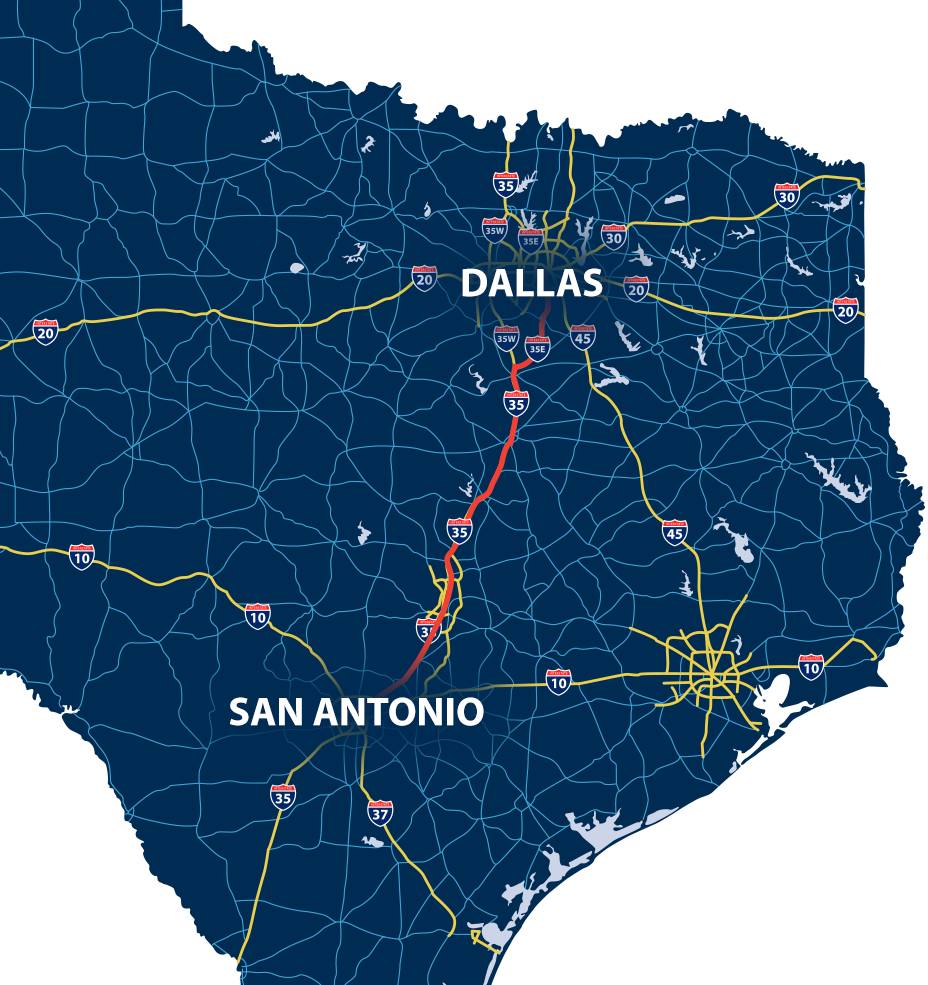
The most common and often most flexible way to traverse the distance between Dallas and San Antonio is by car. The primary route typically follows Interstate 35 South (I-35S) for a significant portion of the journey. This interstate highway is well-maintained and offers a relatively direct path.
The approximate driving distance between Dallas and San Antonio is around 270 to 280 miles. This figure can vary slightly depending on the exact starting and ending points within each metropolitan area and the specific route taken.
Under normal traffic conditions and without significant stops, the estimated driving time is typically between 4 to 4.5 hours. However, this is a crucial estimate that can be significantly impacted by several factors. Traffic congestion, particularly when departing from or entering the Dallas metropolitan area during peak hours, can add considerable time to the journey. Similarly, traffic within San Antonio as you approach your final destination can also influence the total travel duration. It is always advisable to check real-time traffic conditions before setting off.
Factors Affecting Travel Time
Beyond general traffic, several other elements can influence the time it takes to drive from Dallas to San Antonio:
- Road Construction: Texas is a state with ongoing infrastructure development. Road construction projects along I-35S or on access roads can lead to detours and slowdowns. Monitoring local news or traffic apps for any reported construction is a prudent measure.
- Weather Conditions: While Texas generally experiences predictable weather, severe storms, heavy rain, or even localized flooding can impact driving conditions and speed limits, necessitating a slower and more cautious approach.
- Stops and Breaks: The 4 to 4.5-hour driving time assumes a continuous journey. Most travelers will require at least one stop for fuel, food, or a restroom break. Planning these stops strategically along the route can help maintain a consistent pace. Several small towns and service areas are located along I-35S that offer amenities.
- Time of Day: As mentioned, departing during rush hour in Dallas can significantly prolong the initial leg of the journey. Likewise, arriving in San Antonio during its peak traffic times will affect your arrival. Traveling during off-peak hours, such as mid-morning or early afternoon, can often lead to a smoother and quicker drive.
Alternative Travel Methods: Flights, Buses, and Trains
While driving is a popular choice, other transportation options exist for traveling between Dallas and San Antonio, each offering a different set of advantages and considerations.
Air Travel: The Fastest, But Not Always Direct
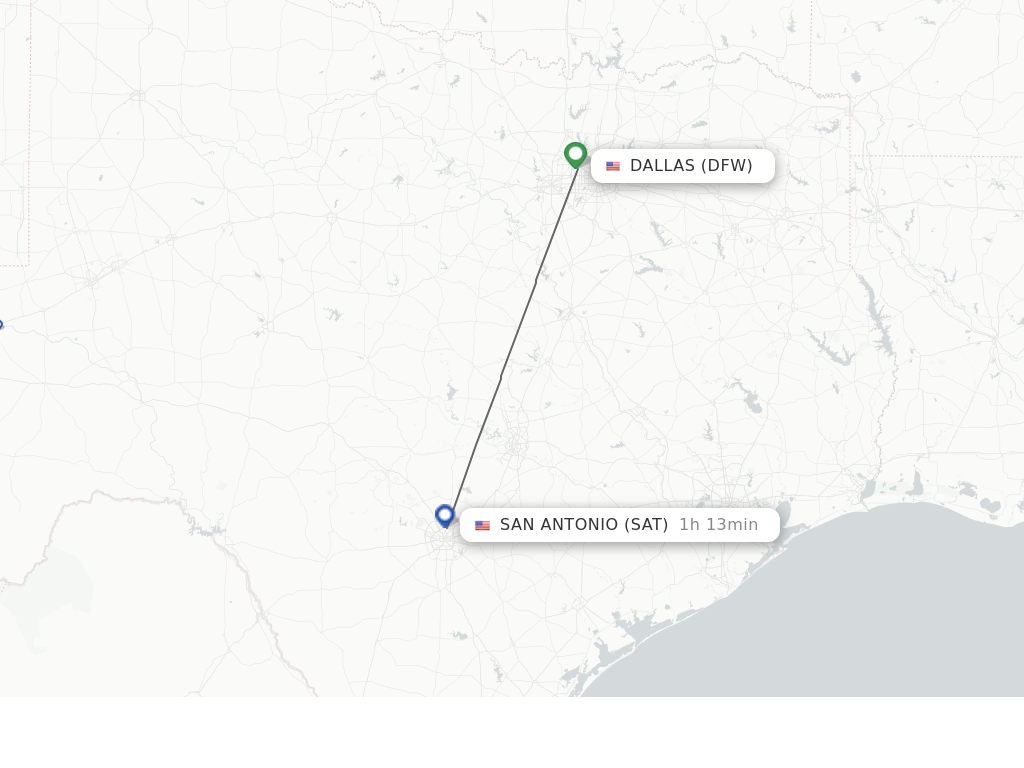
Flying between Dallas and San Antonio might seem like the most expeditious option, and in terms of in-air time, it is. However, the overall travel experience often involves significant overhead.
- Flight Duration: Direct flights between Dallas (typically from Dallas/Fort Worth International Airport (DFW) or Dallas Love Field (DAL)) and San Antonio International Airport (SAT) are generally short, often less than an hour.
- Total Travel Time: The reality of air travel involves much more than just the flight itself. This includes travel to the airport, check-in procedures, security screening, boarding time, taxiing on the runway, deplaning, and travel from the destination airport to your final location in San Antonio. When all these factors are accounted for, the total door-to-door time can often be comparable to, or even exceed, the driving time.
- Cost: Airfare prices fluctuate based on demand, booking time, and airline. While sometimes competitive, it can often be more expensive than driving, especially when factoring in potential baggage fees and airport parking or ride-sharing costs.
Bus Travel: A Budget-Friendly Option
For budget-conscious travelers, bus services offer a viable alternative for connecting Dallas and San Antonio. Major bus carriers operate routes between these cities, providing a no-frills, economical way to travel.
- Route and Schedule: Buses typically depart from designated terminals in Dallas and arrive at a central terminal in San Antonio. Schedules are generally frequent, offering flexibility for travelers.
- Travel Time: Bus journeys usually take longer than driving, often ranging from 5 to 6 hours, depending on the number of stops and traffic conditions.
- Amenities: While amenities can vary by carrier, most modern long-distance buses offer comfortable seating, Wi-Fi, and onboard restrooms. This can make the longer journey more bearable.
Train Travel: Scenic and Relaxing
Amtrak offers passenger train services that connect major cities across the United States, including routes that can facilitate travel between the Dallas and San Antonio areas.
- Route and Stations: The train route does not typically offer direct service between the downtown areas of Dallas and San Antonio. Passengers often need to travel to a different station or make a connection. For instance, the Texas Eagle route serves both cities, but the journey can involve a layover or transfer.
- Travel Time: Train travel is generally the slowest of the ground transportation options. The journey can take anywhere from 6 to 8 hours or more, depending on the specific route and potential delays.
- Experience: The appeal of train travel often lies in the experience itself. Passengers can enjoy scenic views of the Texas countryside, move around the train more freely than on a bus or plane, and appreciate a more relaxed pace of travel. The onboard amenities can include dining cars and private sleeping accommodations for overnight journeys.
Navigating Between Urban Centers: Essential Travel Tips
When planning your journey from Dallas to San Antonio, considering a few practical tips can enhance your travel experience and ensure a smooth transition between these two vibrant Texan cities.
Planning Your Route and Stops
For drivers, meticulous route planning is key. Utilizing GPS navigation apps like Google Maps or Waze is essential for real-time traffic updates and optimal route suggestions. However, it’s also beneficial to have a general understanding of the route beforehand.
- Key Towns and Cities: As you drive south on I-35S from Dallas, you will pass through or near several notable towns and cities, including Waco, Temple, and Austin. These locations offer opportunities for breaks, fuel stops, and even quick sightseeing if time permits.
- Strategic Stops: Consider planning your stops in advance to break up the drive. Waco, for example, is home to the famous Magnolia Market at the Silos and the Dr Pepper Museum, offering unique diversions. Austin, the state capital, is roughly halfway between the two cities and presents numerous dining and cultural attractions. However, factoring in time to explore these cities means extending your overall travel duration.
Accommodation Considerations
Whether you arrive in San Antonio by car, bus, or plane, having your accommodation booked in advance is highly recommended, especially during peak travel seasons or local festivals.
- Location: San Antonio offers a wide range of accommodation options. Staying near the historic Alamo and the vibrant River Walk provides easy access to many of the city’s most famous attractions. Hotels in this area range from luxury establishments to more budget-friendly inns.
- Types of Stays: Depending on your travel style and needs, you can choose from a plethora of options. For a luxurious experience, consider resorts like JW Marriott San Antonio Hill Country Resort & Spa. For families or longer stays, apartments or villas might be more suitable. Numerous hotels, such as the Grand Hyatt Hotel, cater to business travelers and tourists alike, offering a range of amenities.
Maximizing Your Travel Experience
The journey between Dallas and San Antonio is more than just covering miles; it’s an opportunity to experience more of Texas.
- Embrace the Drive: If you opt for driving, consider it an extension of your trip. The landscapes of Central Texas offer a pleasant visual experience. Pulling over at scenic overlooks or small roadside diners can add character to your journey.
- Utilize Travel Time: If you choose bus or train travel, use the extended time productively. Catch up on reading, listen to podcasts, or simply relax and enjoy the ride. Many bus and train services offer Wi-Fi, allowing you to stay connected.
- Pre-Book and Save: Regardless of your chosen mode of transport, booking flights, bus tickets, or accommodations in advance can often lead to cost savings and ensure availability, especially during popular travel periods. Researching various options and comparing prices will help you secure the best deals for your trip.
Understanding the distance and logistics involved in traveling between Dallas and San Antonio is fundamental for any traveler aiming to explore these two quintessential Texas cities. Whether you prioritize speed, budget, or a more leisurely journey, careful planning will ensure your transition between these cultural and economic powerhouses is as enjoyable as the destinations themselves.
LifeOutOfTheBox is a participant in the Amazon Services LLC Associates Program, an affiliate advertising program designed to provide a means for sites to earn advertising fees by advertising and linking to Amazon.com. Amazon, the Amazon logo, AmazonSupply, and the AmazonSupply logo are trademarks of Amazon.com, Inc. or its affiliates. As an Amazon Associate we earn affiliate commissions from qualifying purchases.