
While Florida might conjure images of sun-drenched beaches, vibrant theme parks, and a laid-back lifestyle, it’s also a state with a crucial administrative process that every property owner must navigate: property taxes. For those who own real estate in the Sunshine State, understanding when these taxes are due is not just a matter of good financial planning but also of avoiding potential penalties and interest. This guide aims to demystify the property tax calendar in Florida, providing clarity for homeowners, investors, and even those considering a vacation home in this popular destination.

The due dates for property taxes in Florida are generally consistent each year, though understanding the nuances of the assessment, notification, and payment process is key. The system is designed to allow ample time for homeowners to prepare for their tax obligations, ensuring the smooth operation of local government services that rely on this revenue. From maintaining roads and parks to funding schools and emergency services, property taxes play a vital role in the quality of life across Florida.
Understanding the Florida Property Tax Cycle
The Florida property tax cycle is a year-long process, with specific milestones leading up to the final payment deadline. Understanding this cycle helps in better budgeting and avoids last-minute rushes.
Property Assessment and Value Notification
The process begins with the assessment of property values. Each year, the county property appraiser’s office is responsible for determining the fair market value of all taxable property within their jurisdiction. This assessment forms the basis for calculating the property tax liability. The valuation date is set as of January 1st of each year. This means that any improvements made or any significant changes in market value are considered as of this date for the upcoming tax year.
Following the assessment, property owners receive a Notice of Proposed Property Taxes. This document, typically mailed around August, outlines the assessed value of the property, any exemptions applied (such as homestead exemptions), and the proposed tax amount based on the millage rates set by various local taxing authorities. This notice is a critical piece of information, as it provides the first official indication of the tax bill and offers an opportunity for property owners to review the assessment and, if necessary, appeal it. Appeals must be filed within a specific timeframe, usually before the Value Adjustment Board convenes.
Setting Millage Rates
Millage rates are the tax rates that are applied to the assessed value of a property. These rates are determined by local taxing authorities, including county commissions, city councils, school boards, and special taxing districts. Each of these entities sets its own millage rate based on its budgetary needs for the fiscal year. The sum of these individual millage rates determines the total millage rate for a property. The fiscal year for most Florida governmental entities runs from October 1st to September 30th. However, the setting of millage rates typically occurs in the late summer and early fall, after the proposed tax valuations have been established.
Public hearings are held by each taxing authority to present their proposed budgets and millage rates. Property owners are encouraged to attend these meetings to voice their opinions or concerns. Once adopted, these millage rates are applied to the assessed property values to calculate the final tax bill.
The Tax Bill and Payment Options
The official Property Tax Bill is mailed to property owners by November 1st of each year. This bill details the final assessed value, exemptions, millage rates, and the total amount of taxes due. Florida offers property owners flexibility in how they pay their taxes, with options designed to accommodate different financial preferences.
Paying in Full
The simplest and most common method is to pay the entire tax bill in full. To receive a discount, payments must be made by a certain date. Paying in full by November 30th earns a 4% discount. If payment is made by December 31st, a 3% discount is applied. A 2% discount is available for payments made by January 31st of the following year. These discounts incentivize early payment and are a small but welcome benefit for property owners. The final, non-discounted deadline for full payment is March 31st of the year following the tax year.
Installment Payment Plan
For property owners who prefer to spread out their tax payments, Florida offers an installment payment plan. This option is particularly beneficial for those who may find it challenging to pay the entire tax bill at once. To qualify for the installment plan, property owners must typically have paid their taxes in full for the previous year and must file an application with their county tax collector’s office by April 30th.
The installment plan divides the tax liability into four payments. The first payment is due by November 30th and receives a 3% discount. The second payment is due by January 31st and receives a 2% discount. The third payment is due by February 28th (or February 29th in a leap year), with no discount. The final payment is due by March 31st, also with no discount. It’s important to note that opting for the installment plan means forfeiting the larger discounts available for paying in full early in the payment window. Failure to make any installment payment by its due date can result in the cancellation of the installment plan, making the entire remaining balance immediately due and potentially subject to penalties and interest.
Key Dates and Deadlines
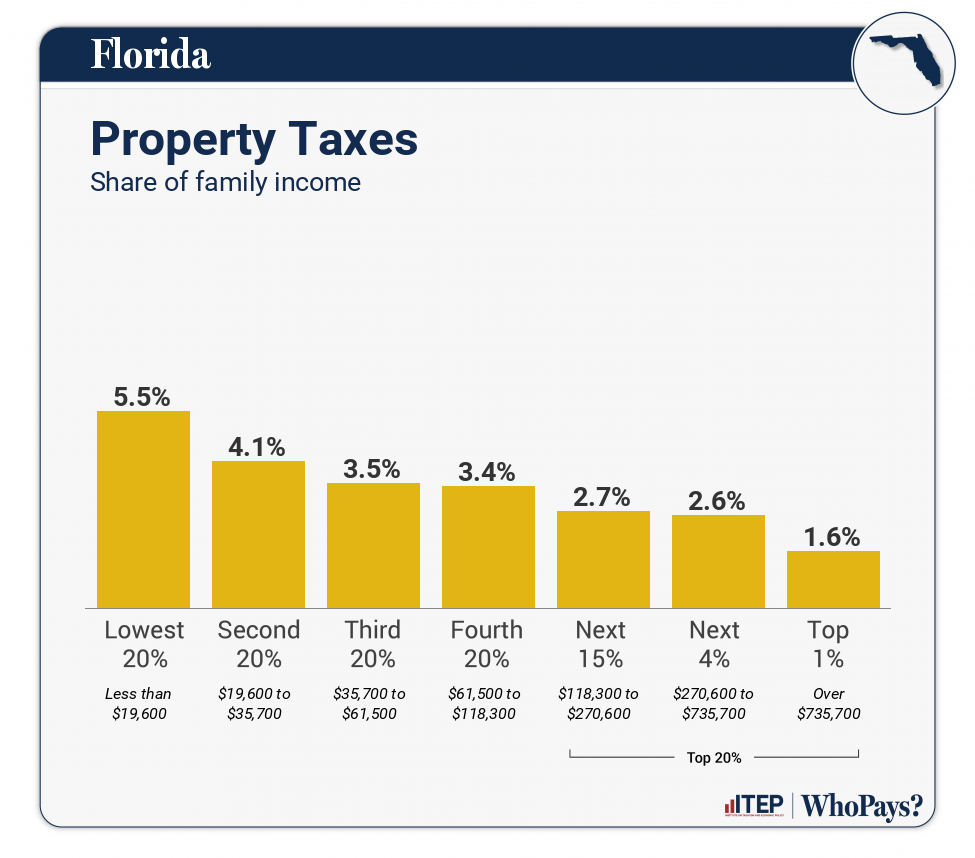
Navigating the property tax system in Florida hinges on adhering to specific dates. Missing these deadlines can lead to financial penalties, including interest charges and, in extreme cases, tax lien sales.
November 1st: Tax Bills Mailed
As mentioned, the official Property Tax Bills are mailed by the county tax collector to property owners on or before November 1st. This is the official notification of the taxes due for the tax year that began on January 1st. It’s crucial for property owners to ensure their mailing address is up-to-date with the property appraiser’s office to receive this vital document. If a bill is not received by mid-November, it is the property owner’s responsibility to contact the county tax collector’s office to obtain a duplicate.
November 30th: Early Payment Discount Deadline
The first opportunity for a discount on your property tax bill is November 30th. If you pay your entire tax bill by this date, you will receive a 4% discount. This is the most significant discount offered, making it an attractive option for those who are able to pay in full early.
December 31st: Second Discount Deadline
For those who cannot manage the payment by November 30th, a second discount is available until December 31st. Payments made by this date will receive a 3% discount. This still offers a financial incentive for prompt payment, even if it’s not the maximum discount.
January 31st: Third Discount Deadline
The third and final discount period concludes on January 31st. Paying your property taxes by this date will earn you a 2% discount. This is the last chance to reduce your tax liability through early payment.
March 31st: Final Payment Deadline
The absolute final deadline for paying property taxes in Florida without incurring penalties or interest is March 31st. Any taxes not paid by this date are considered delinquent. Delinquent taxes begin accruing interest and may be subject to additional fees. For those on the installment plan, this is the due date for the final payment.
Consequences of Delinquency
Failing to pay property taxes by the March 31st deadline has significant consequences. Understanding these ramifications is crucial for all property owners.
Penalties and Interest
Once taxes become delinquent on April 1st, interest begins to accrue. The interest rate is set annually by the state and can be substantial. In addition to interest, penalties may also be applied. These charges are intended to compensate the local government for the delayed revenue and the costs associated with collecting overdue taxes. The longer the taxes remain unpaid, the more these penalties and interest will accumulate, increasing the total amount owed.

Tax Certificates and Tax Deed Sales
If property taxes remain unpaid for an extended period, the county tax collector can sell tax certificates. A tax certificate is a lien on the property representing the unpaid taxes, interest, and costs. Investors can purchase these certificates, and they earn a state-mandated interest rate on their investment. If the property owner fails to redeem the tax certificate (by paying the outstanding taxes, interest, and costs) within a specified period, the tax certificate holder can initiate a tax deed sale.
A tax deed sale is a public auction where the property is sold to the highest bidder to satisfy the delinquent taxes. The original property owner has a limited time to reclaim their property after a tax deed sale begins, but this often involves paying a significantly higher amount than the original tax debt. In the worst-case scenario, a property owner can lose their home or investment property due to delinquent property taxes. This underscores the importance of timely payment and understanding the available payment options, especially for individuals who might be considering a vacation rental property or a long-term stay in a Florida city like Miami or Orlando, where property taxes are a consistent part of ownership.
For individuals who have purchased property in Florida, perhaps investing in a beachfront condo in Clearwater or a family home near Walt Disney World, staying informed about these tax obligations is paramount. It ensures that the dream of owning a piece of Florida paradise doesn’t turn into a financial nightmare. Regularly checking mail, updating contact information with the county, and utilizing the resources provided by the county tax collector’s office are all essential steps in managing Florida property taxes effectively.
LifeOutOfTheBox is a participant in the Amazon Services LLC Associates Program, an affiliate advertising program designed to provide a means for sites to earn advertising fees by advertising and linking to Amazon.com. Amazon, the Amazon logo, AmazonSupply, and the AmazonSupply logo are trademarks of Amazon.com, Inc. or its affiliates. As an Amazon Associate we earn affiliate commissions from qualifying purchases.