
California, the Golden State, is renowned worldwide for its breathtaking landscapes, vibrant cities, innovative spirit, and unparalleled lifestyle. From the sun-kissed beaches of Santa Monica and San Diego to the majestic peaks of Yosemite National Park and the cultural richness of San Francisco and Los Angeles, it’s a destination that captivates millions. Whether you’re planning a luxurious escape, a family adventure, a business trip, or even considering a long-term stay or relocation, understanding the financial landscape, particularly the state income tax, is a crucial piece of the puzzle. This knowledge isn’t just for residents; it influences everything from the cost of your vacation to the viability of investing in the state’s thriving tourism and hospitality sectors.
California’s income tax system is often a topic of discussion due to its progressive nature and relatively high rates compared to other U.S. states. However, this system also underpins the extensive public services and infrastructure that contribute to the state’s allure, making it a world-class destination for travel and a desirable place for many to live and work. For those who frequent California’s diverse destinations, invest in its booming accommodation market, or simply dream of experiencing its unique lifestyle, a clear understanding of its tax structure is invaluable.
Understanding California’s Tax Landscape: A Key for Travelers and Investors
California’s state income tax system is a significant component of its economic fabric, impacting individuals, businesses, and the broader tourism industry. For anyone considering California for travel, investment, or a lifestyle change, grasping the fundamentals of this system is essential. It’s not just about what you pay, but how these contributions shape the state’s ability to maintain its iconic landmarks, support its vibrant local culture, and foster its world-class tourism infrastructure.
The Basics: Who Pays and What’s Taxed?
At its core, California’s state income tax applies to income earned by residents, and in many cases, by non-residents who derive income from sources within the state. This means if you’re a resident, nearly all your income – wages, salaries, business profits, investment gains – is subject to California state income tax, regardless of where it was earned. For non-residents, the tax typically applies only to income sourced from California, such as wages earned for work performed in the state, or income from a California-based business or property.
This distinction is particularly important for digital nomads, remote workers, or business travelers who might spend extended periods in California. Even if your primary residence is elsewhere, working remotely from a temporary accommodation in Orange County or attending business meetings in Silicon Valley could trigger a California tax liability for the income earned during that period. Understanding these basic parameters helps in financial planning, whether you’re booking a long-term stay at an apartment rental or assessing the implications of a business venture.
The tax structure supports a vast array of public services, from maintaining state parks and infrastructure vital for tourism, like scenic highways and public transportation networks in cities such as Sacramento, to funding educational institutions and public safety. These services, in turn, enhance the overall experience for visitors and residents, contributing to the state’s appeal as a premier travel and living destination.
Progressive Tax System and Its Implications for High Earners
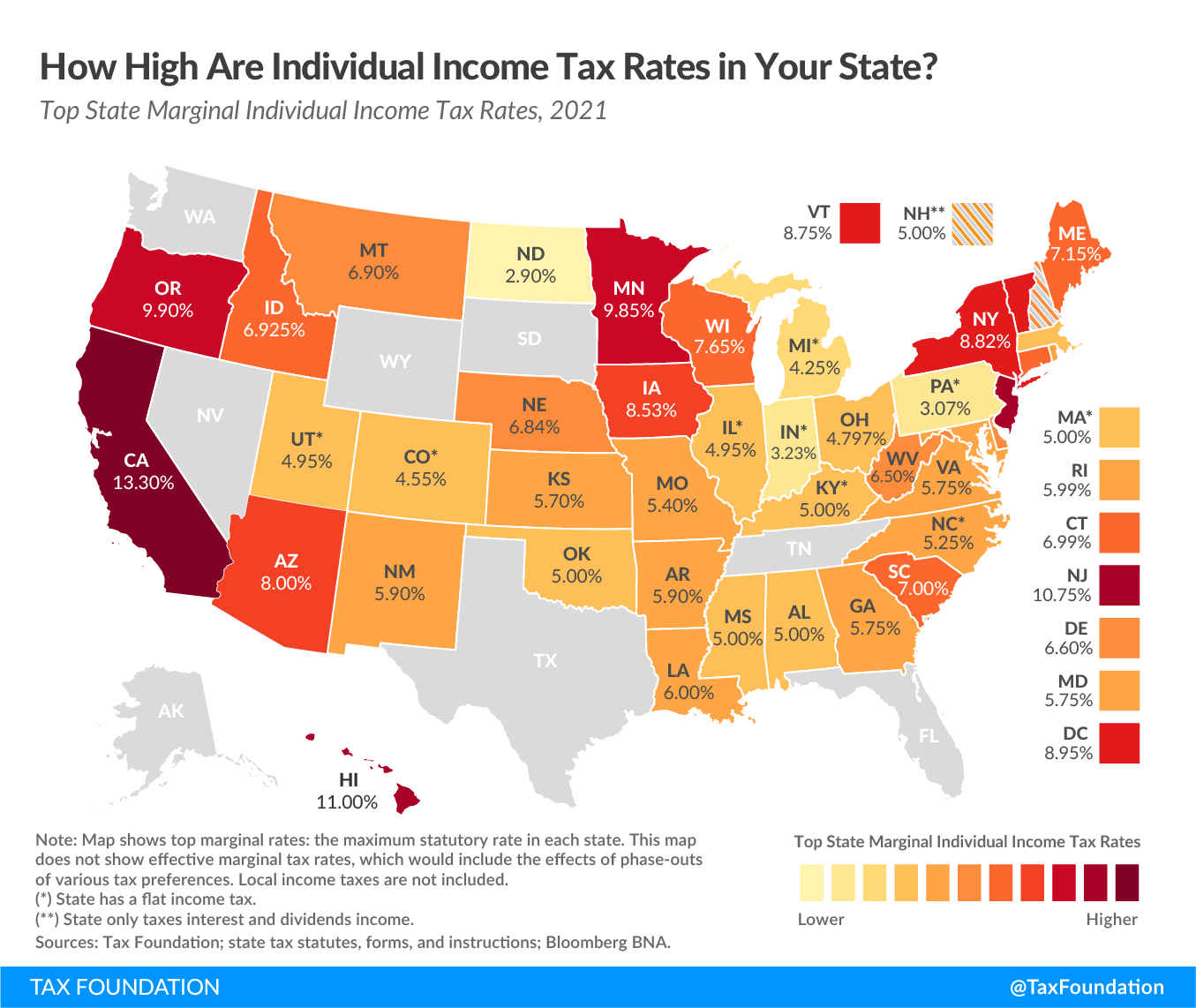
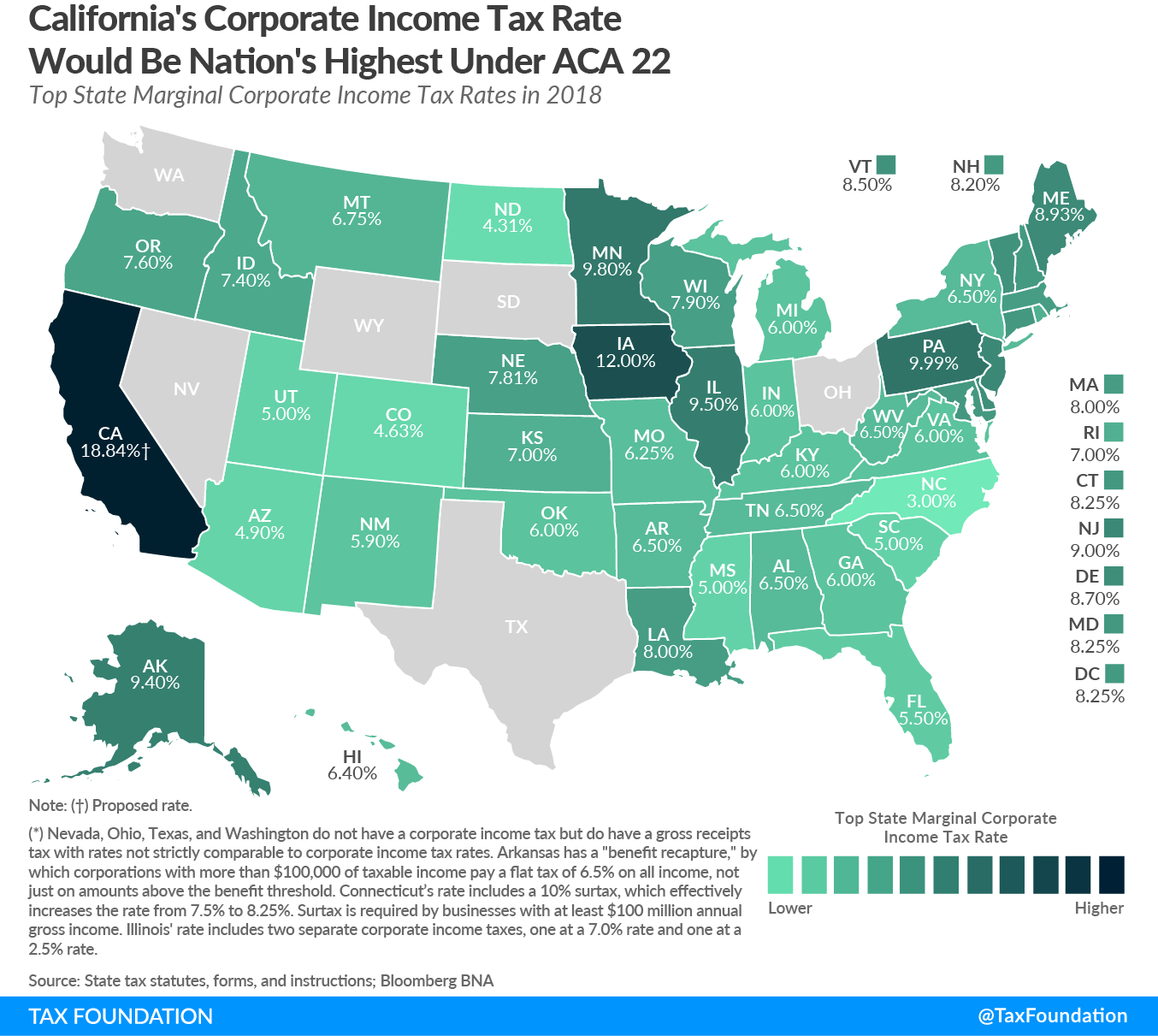
California operates under a highly progressive income tax system, meaning that as taxable income increases, so does the tax rate. The state has one of the highest top marginal income tax rates in the United States, reaching up to 13.3% for the highest earners (which includes a 1% surcharge for incomes over $1 million, specifically for mental health services). This tiered structure is designed to distribute the tax burden based on an individual’s ability to pay.
For high-net-worth individuals, luxury travelers, and those considering significant investments or relocation to California, this progressive system holds considerable weight. A professional considering a move to work in the tech industry in San Jose, or an entrepreneur looking to establish a new venture in the entertainment capital of Hollywood, must factor these rates into their financial projections. Similarly, the owners and operators of high-end resorts, boutique hotels, and luxury villas across destinations like Napa Valley or Malibu must consider these tax implications for their personal income and the earnings of their businesses.
While the higher rates may seem daunting, many view them as a contribution to the quality of life and unique experiences California offers. The state’s vibrant arts scene, world-class culinary experiences, and preservation of natural wonders are partly sustained by this tax revenue. For those whose lifestyle dictates premium experiences, the cost often aligns with the unparalleled quality and access to unique attractions that California provides. It’s a balance: higher taxes for residents can mean better infrastructure and services for everyone, enhancing the overall tourism experience and the desirability of a long-term stay.
Income Tax and Your California Experience: From Holidaymakers to Hospitality Businesses
The state income tax in California extends its influence far beyond just residents’ paychecks. It subtly shapes the economic environment that impacts every aspect of the California experience, from the affordability of a holiday for a family to the operational costs and investment decisions for those in the hospitality industry.
Impact on Cost of Living and Tourism Spending
While tourists generally do not pay California state income tax on their vacation spending, the income tax paid by residents and businesses indirectly affects the cost of living and the pricing of goods and services throughout the state. Higher operational costs for businesses, potentially influenced by state taxes, can translate into higher prices for hotel rooms, restaurant meals, and local attractions. This is a critical consideration for budget travelers planning a trip through the Central Coast or a family looking for affordable accommodations near Disneyland in Anaheim.
Conversely, the tax revenues support robust public services and infrastructure that directly benefit tourists. Well-maintained roads lead to iconic landmarks like the Golden Gate Bridge and allow easy access to diverse destinations from the snowy peaks of Lake Tahoe to the deserts of Palm Springs. Public funding also contributes to the preservation of cultural sites, the operation of museums, and the upkeep of state parks, all of which are major draws for tourism. These investments enhance the quality and variety of experiences available, from exploring historic missions to hiking scenic trails, enriching every traveler’s journey.
Ultimately, the state income tax contributes to the overall ecosystem that makes California such a desirable and vibrant place. While it may contribute to a higher cost of living compared to some other states, many argue that this is offset by the quality of life, the natural beauty, and the unparalleled range of activities and attractions. For travelers, understanding this context can help manage expectations regarding expenses and appreciate the value derived from California’s unique offerings.
Investing in California’s Tourism Sector: Tax Considerations
For entrepreneurs and businesses looking to tap into California’s lucrative tourism and hospitality market, understanding the state income tax and other financial regulations is paramount. The Golden State is a global leader in tourism, attracting millions of visitors annually and boasting a robust infrastructure of hotels, resorts, and tourism-related businesses. However, the high operating costs, influenced in part by the state’s tax structure, require careful financial planning.
Hotel developers considering new projects in bustling areas like downtown Los Angeles or beachfront properties in Monterey must factor in the potential state income tax on corporate profits, as well as the personal income tax implications for employees and executives. These tax considerations are woven into feasibility studies for new resorts, the expansion of existing hotels, and the development of innovative accommodation options such as boutique villas or eco-lodges.
The state’s tax revenues also contribute to marketing campaigns by Visit California, the state’s official tourism board, which promotes California as a premier destination worldwide. This symbiotic relationship means that while businesses contribute through taxes, they also benefit from a thriving tourism environment supported by state efforts. Investors must weigh the costs against the immense opportunities presented by California’s continuous appeal as a travel destination, its strong economy, and its innovative spirit. Understanding the interplay between state income tax and the overall economic climate is crucial for making informed investment decisions that foster sustainable growth within the tourism sector.
Navigating Residency and Tax Obligations: A Guide for Long-Term Stays and Relocation
For individuals enchanted by California’s lifestyle and considering a more permanent or extended stay, understanding the nuances of residency for tax purposes is vital. This is especially true for those who might split their time between California and another state or country, or digital nomads seeking an inspiring new base.
Defining Residency for Tax Purposes
California has specific and often complex rules for determining who is considered a resident for income tax purposes. Generally, you are a resident if you are in California for other than a temporary or transitory purpose. This determination isn’t solely based on where you spend the most nights but involves a “facts and circumstances” test, looking at factors such as:
- The location of your permanent home.
- The location of your family (spouse, children).
- Where you register your vehicles and vote.
- Where you maintain bank accounts and professional licenses.
- The relative time you spend in California versus other places.
For instance, if you rent an apartment in San Francisco for six months while working on a project, but your family, primary home, and driver’s license remain in another state, you might be considered a “part-year resident” or even a non-resident for tax purposes, with tax liability only on California-sourced income. However, if you move your entire life to California, even if you travel frequently for work, you’ll likely be considered a full-year resident.
This distinction is crucial because residents are taxed on all income, regardless of source, while non-residents are only taxed on income derived from California sources. Understanding these rules helps individuals avoid unintentional tax liabilities or, conversely, ensure compliance when planning a long-term stay, whether it’s for an extended sabbatical in Big Sur, a business relocation to Oakland, or a retirement in the sunny Central Valley. Proper planning and, if necessary, professional advice, can make a significant difference in managing your financial obligations while enjoying the California lifestyle.
Planning Your Move: Tax-Smart Strategies for a California Lifestyle
Relocating to California, even for a significant period, can be an exciting chapter, offering access to incredible travel experiences, diverse attractions, and a dynamic way of life. However, it requires careful financial foresight, especially regarding the state income tax. Tax-smart strategies can help new residents integrate smoothly and make the most of their transition.
One key strategy involves understanding deductions and credits available in California. While the state’s tax rates are high, there are various deductions and credits that can reduce taxable income, similar to federal taxes. These might include deductions for contributions to retirement accounts, student loan interest, or certain medical expenses. Keeping meticulous records of income and expenses is paramount.
For individuals with significant assets or complex income streams, consulting with a tax professional specializing in California residency and tax law is highly recommended. They can provide tailored advice on how to structure investments, manage income from out-of-state sources, and optimize deductions. This might involve planning the timing of income recognition or asset sales before or after establishing California residency to minimize tax impact.
Furthermore, individuals considering a move should research the specific financial implications based on their income level and lifestyle choices. For example, a family looking for accommodation will find that property taxes vary significantly across different counties and cities, impacting the overall cost of living alongside income tax. Those considering purchasing a villa or a permanent home should factor in these additional costs.
Ultimately, embracing a California lifestyle often means embracing its unique financial landscape. By proactively understanding and planning for state income tax obligations, individuals can ensure their dream of living or spending extended periods in the Golden State is not only enjoyable but also financially sustainable. The unparalleled experiences, from exploring world-class landmarks to indulging in farm-to-table cuisine, often make the investment worthwhile for those who choose to call California home, even temporarily.
Beyond Income Tax: Other Financial Considerations for California Visitors and Residents
While state income tax is a significant financial aspect, California presents other tax and cost considerations that impact both short-term visitors and long-term residents. Understanding these broader financial elements contributes to a comprehensive picture of planning a trip or a move to the Golden State.
Sales Tax and Its Effect on Tourist Purchases
For every traveler exploring California, sales tax is an unavoidable part of nearly every transaction, from purchasing souvenirs at Universal Studios Hollywood to dining at a Michelin-starred restaurant in San Francisco. California has a base statewide sales tax rate of 7.25%, but local jurisdictions can add district taxes, leading to combined rates that often exceed 9% and can reach over 10% in some cities and counties. For example, popular tourist destinations like Los Angeles County often have higher combined rates.
This means that the advertised price for goods and many services (excluding certain necessities like groceries) will be lower than the final price you pay. For tourists on a budget, factoring in this additional cost for shopping, dining, and even some activities can significantly affect overall travel expenses. When budgeting for your travel experiences, whether it’s a shopping spree on Rodeo Drive or picking up essentials for a camping trip in Joshua Tree National Park, remember to account for the sales tax to avoid surprises.
While seemingly a minor point, the cumulative effect of sales tax on daily purchases can add up, especially during extended stays or when engaging in significant retail therapy. Awareness allows visitors to make more informed spending decisions and helps them enjoy their journey through California without unexpected financial burdens.
Property Taxes and the Accommodation Market
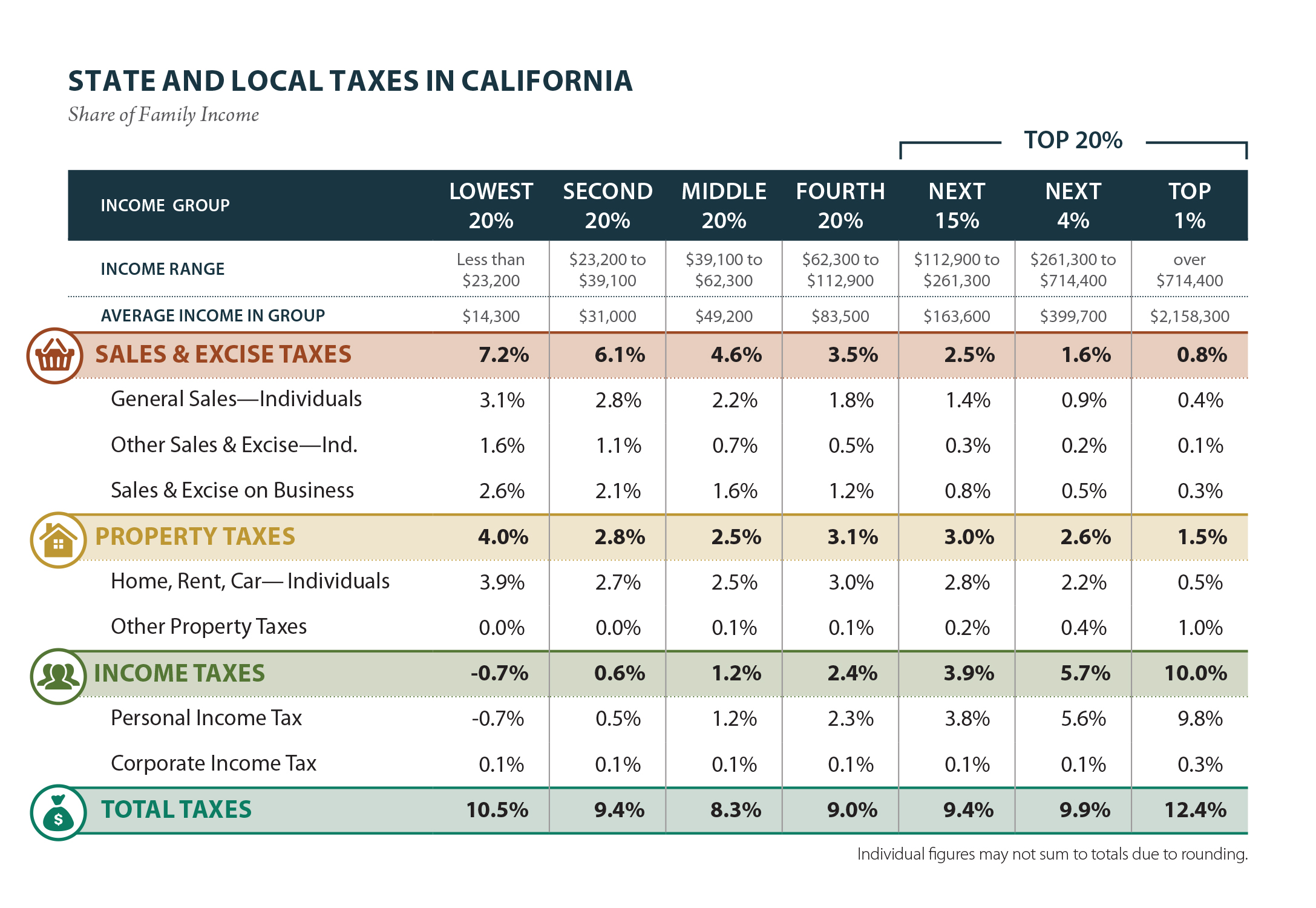
Property taxes in California are another crucial financial consideration, particularly for those looking at long-term accommodation, real estate investments, or even just understanding the broader economic landscape influencing housing and rental costs. Under Proposition 13, property taxes are generally capped at 1% of the assessed value at the time of purchase, with annual increases limited to 2% (or the rate of inflation, whichever is lower) as long as the property isn’t sold. Upon sale, the property is reassessed at its new market value.
This system has a profound impact on the accommodation market. For residents, property taxes form a significant portion of their housing costs, whether directly as homeowners or indirectly through rental prices that factor in a landlord’s property tax expenses. For potential investors in the hospitality sector, such as those considering developing new hotels, resorts, or long-term rental apartments, understanding these property tax dynamics is critical. The long-term stability of property tax assessments under Proposition 13 can be attractive for investment, but the initial purchase price, and thus the initial tax base, can be very high in desirable areas.
The impact of property taxes ripples through the entire tourism ecosystem. It influences the cost of operating hotels and resorts, which can, in turn, affect room rates and the overall pricing of luxury accommodations. It also affects the availability and affordability of long-term rental properties, which are increasingly popular among digital nomads, students, and professionals on extended business stays. For anyone assessing the viability of living, working, or investing in California, property taxes, alongside income tax, are essential components of the financial equation.
Conclusion: Making Informed Decisions in the Golden State
California offers a tapestry of experiences, from the iconic landmarks and diverse attractions to the vibrant local cultures and innovative lifestyle options. Whether you envision a luxury escape in a Malibu villa, a family adventure exploring state parks, or a strategic business stay in a bustling metropolis, understanding the state’s financial landscape, particularly its income tax system, is a powerful tool.
While California’s progressive income tax rates are among the highest in the U.S., they underpin the extensive infrastructure, public services, and quality of life that contribute to the state’s global appeal. For travelers, this means well-maintained roads leading to breathtaking destinations and a rich array of publicly funded cultural institutions. For investors in the hospitality sector, while taxes represent a cost, they also contribute to a stable and attractive tourism market. For those contemplating a long-term stay or relocation, navigating the nuances of residency and tax obligations ensures a smoother transition and a more financially sustainable California lifestyle.
Beyond income tax, sales tax and property taxes further shape the economic environment, influencing everything from the price of a souvenir to the cost of accommodation. By approaching your California plans with an awareness of these financial considerations, you can make informed decisions, optimize your budget, and truly immerse yourself in the unique magic that the Golden State offers. California remains a top-tier destination for travel, accommodation, and lifestyle experiences, and with a clear understanding of its financial framework, your journey, however long or short, can be as enriching and rewarding as the state itself.
LifeOutOfTheBox is a participant in the Amazon Services LLC Associates Program, an affiliate advertising program designed to provide a means for sites to earn advertising fees by advertising and linking to Amazon.com. Amazon, the Amazon logo, AmazonSupply, and the AmazonSupply logo are trademarks of Amazon.com, Inc. or its affiliates. As an Amazon Associate we earn affiliate commissions from qualifying purchases.