
Florida, a jewel in the United States’s crown, renowned for its sun-kissed beaches, vibrant culture, and world-class attractions, occasionally faces the natural challenge of widespread flooding. This peninsular state, surrounded by the Atlantic Ocean and the Gulf of Mexico, is inherently susceptible to various forms of inundation, from heavy rainfall and storm surges to overflowing rivers. For prospective travelers and seasoned visitors alike, understanding the current flood situation in Florida is crucial for planning a safe, enjoyable, and memorable trip. This article aims to provide a comprehensive overview, addressing where flooding might be occurring, its impact on travel and tourism, and how to navigate your Florida experience with confidence.
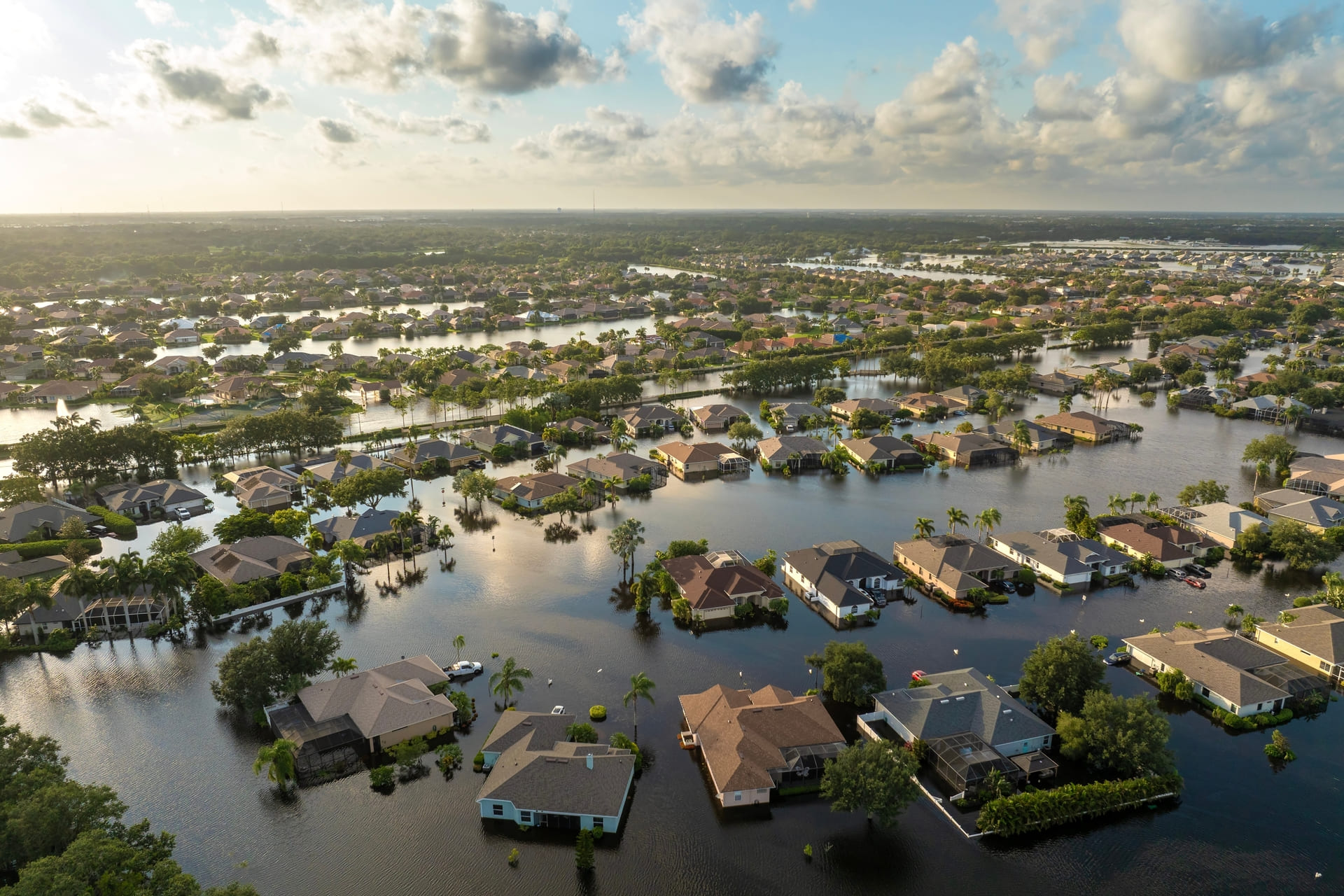
Understanding Florida’s Vulnerability and Recent Weather Patterns
Florida’s unique geography and climate make it particularly prone to flooding. Its low elevation, extensive coastline, and subtropical weather patterns contribute to a complex hydrological environment where water management is a constant endeavor.
A Peninsular Reality: Why Florida is Prone to Flooding
The very allure of Florida – its beautiful beaches and abundant waterways – also contributes to its vulnerability. The state is largely a flat peninsula, with much of its land at or near sea level. This topography means that heavy rainfall struggles to drain quickly, leading to localized street flooding even in developed urban areas. Beyond rainfall, several other factors contribute to Florida’s flood risk:
- Coastal Proximity: With the longest coastline in the contiguous United States, coastal flooding from storm surges during hurricanes and tropical storms is a significant threat. High tides, exacerbated by climate change, also contribute to “king tide” flooding, particularly in South Florida cities like Miami and Fort Lauderdale.
- Extensive Waterways: Florida is crisscrossed by an intricate network of rivers, lakes, and wetlands, including the expansive Everglades National Park, the mighty St. Johns River, and the massive Lake Okeechobee. Prolonged heavy rainfall can cause these natural systems to swell, leading to riverine and lake flooding, impacting communities far from the coast.
- Subtropical Climate: The state experiences a distinct wet season, typically from June to November, coinciding with hurricane season. During this period, daily thunderstorms are common, and tropical systems can bring immense amounts of rain in a short period, overwhelming drainage systems.
- Development and Impermeable Surfaces: Rapid urban development across Florida has increased the amount of impervious surfaces (roads, buildings, parking lots), reducing natural absorption and accelerating runoff, which can exacerbate flash flooding in urban environments.
Recent Weather Events and Their Immediate Impact
Florida has a history of significant weather events, and recent years have seen various degrees of flooding, from severe hurricane impacts to more localized, heavy rain events. While specific, named hurricanes like Hurricane Ian and Hurricane Irma have caused widespread, catastrophic flooding in the past in areas like Southwest Florida (e.g., Naples, Fort Myers, Sanibel Island), more common events involve intense, localized rain cells or slow-moving tropical depressions that can dump many inches of rain in a day. These events lead to:
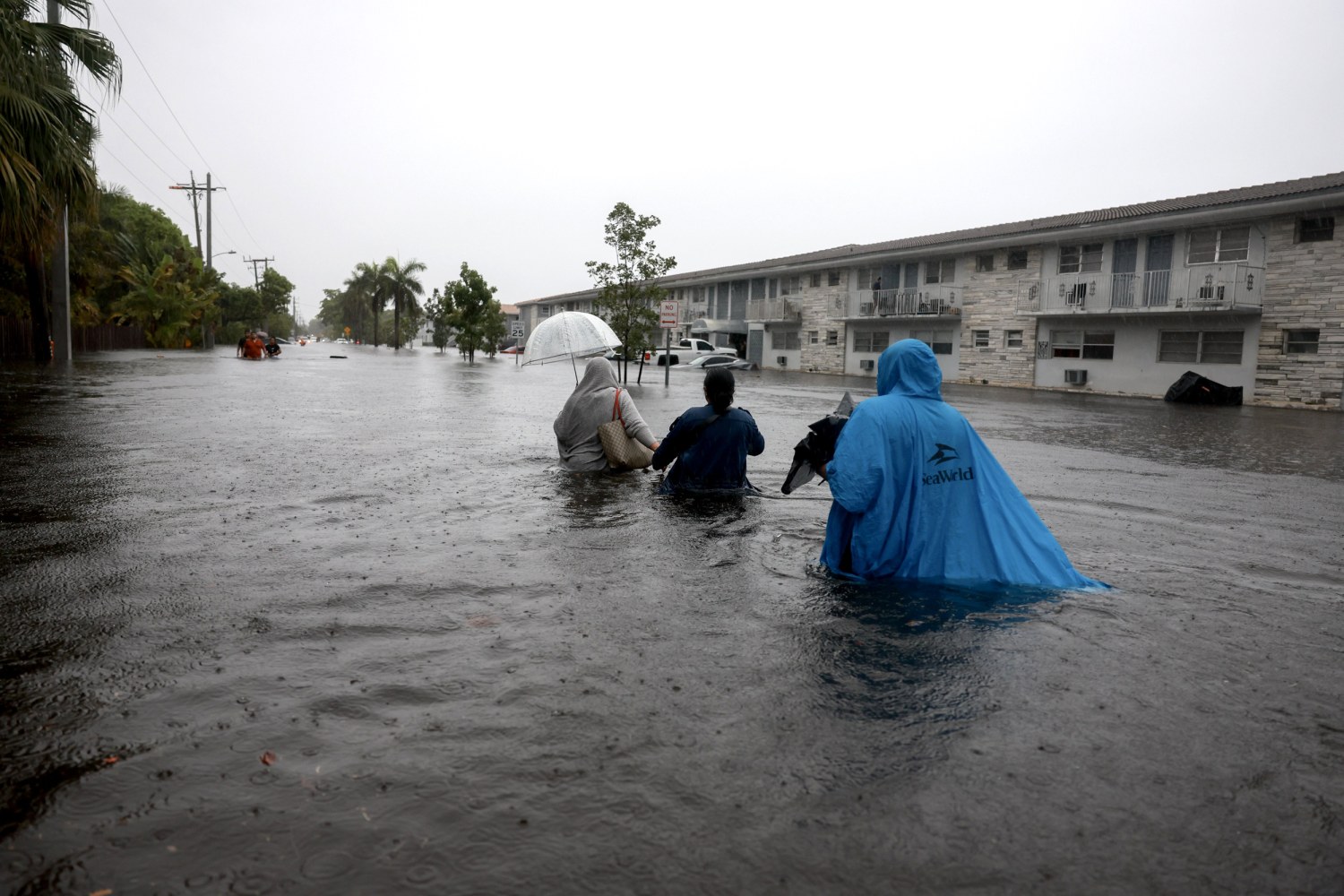
- Street Flooding: Often seen in urban centers like Miami, Fort Lauderdale, and Tampa, making roads impassable and impacting daily commutes and access to attractions.
- River and Lake Overflows: Affecting communities along major river basins such as the St. Johns River, Caloosahatchee River, or the Myakka River State Park region, which can lead to prolonged inundation of residential and agricultural areas.
- Coastal Erosion and Inundation: Even without a direct hurricane hit, strong offshore winds and persistent high tides can cause beach erosion and localized coastal flooding.
These events, while disruptive, are often temporary and localized. It’s rare for the entire state of Florida to be simultaneously and severely affected by flooding.
Current Flood Status and Affected Regions
When assessing the “where” of flooding in Florida, it’s important to differentiate between persistent, recovery-phase flooding from past major events and immediate, localized flooding from recent heavy rainfall. As of most general assessments, areas recovering from historical major hurricanes might still show signs of ongoing restoration, but widespread, active, life-threatening flooding across the entire state is uncommon unless a major storm is currently impacting the region.
Heavily Impacted Areas: What Travelers Should Know
In the wake of significant weather events, certain regions of Florida can experience prolonged recovery and residual flooding. These areas are typically those that bore the brunt of a hurricane or tropical storm, or low-lying communities particularly vulnerable to rising water levels.
- Southwest Florida Coasts: Regions around Fort Myers, Naples, Sanibel Island, and Captiva Island were significantly impacted by Hurricane Ian in 2022. While recovery has been tremendous, some infrastructure, hotels, and attractions are still in various stages of rebuilding. Travelers should verify the status of specific accommodations and attractions in these areas. While active flooding is generally not present, the landscape might still be recovering.
- Urban Low-Lying Zones in Southeast Florida: Cities like Miami and Fort Lauderdale frequently experience street flooding during intense summer thunderstorms or king tides. This type of flooding is usually temporary, subsiding within hours, but it can disrupt local travel and access to certain areas. Visitors to the Art Deco Historic District or South Beach in Miami might encounter temporary submerged roads.
- Inland River Basins: Areas adjacent to major rivers such as the St. Johns River or Suwannee River can experience localized flooding, especially after prolonged heavy rains. This might affect some rural roads, parks, and campsites along these waterways.
Travelers planning to visit these specific regions should always check local weather advisories, news outlets, and reputable travel resources for the most up-to-date conditions. Many destinations, even after significant events, rebound with remarkable speed and resilience.
Relatively Unaffected Zones: Planning Your Visit
Crucially, it’s important to remember that large swaths of Florida are often entirely unaffected by localized flooding or are quick to recover. Many of the state’s most popular tourist destinations, particularly in Central Florida, remain operational and welcoming even when other parts of the state face challenges.
- Orlando and Central Florida: Home to Walt Disney World Resort, Universal Orlando Resort, and numerous other theme parks and attractions, Orlando and its surrounding areas are generally inland and elevated enough to be less susceptible to coastal storm surge flooding. While heavy rains can cause temporary street ponding, major theme parks and their extensive infrastructure are designed to manage water effectively, meaning closures due to flooding are rare and brief. Kennedy Space Center Visitor Complex on the Space Coast is also typically well-prepared.
- Florida Panhandle (Northwest Florida): Destinations like Panama City Beach, Destin, and Pensacola, along with cities like Tallahassee and Gainesville, frequently experience pleasant weather and are often outside the immediate impact zones of storms affecting South Florida or Central Florida.
- North Florida and Historic St. Augustine: The ancient city of Historic St. Augustine, with its charming streets and landmarks like Castillo de San Marcos, is a vibrant destination that often remains unaffected by events further south. Similarly, Jacksonville and its beaches are typically robust.
- Gulf Coast (North of Fort Myers): While Southwest Florida saw damage, areas like Sarasota, Siesta Key Beach, St. Petersburg, and Clearwater Beach, along with attractions like Busch Gardens Tampa Bay in Tampa, are generally open for business and offer fantastic travel experiences. These areas have robust tourism infrastructure and are quick to recover.
- Florida Keys: While hurricane-prone, the Florida Keys (including Key West) are designed to withstand tropical weather and often recover quickly. Visitors should always monitor specific weather alerts if planning a trip during hurricane season.
For travelers seeking reassurance, many destinations across Florida continue to offer the idyllic escapes the state is famous for, often just a short drive from any localized areas of concern.
Navigating Travel in a Post-Flood Landscape
Traveling to Florida even during or after periods of localized flooding is often feasible and can still be an incredibly rewarding experience. However, a little preparation and awareness go a long way in ensuring a smooth trip.
Essential Tips for Travelers: Before and During Your Trip
Forewarned is forearmed, especially when planning a trip to a dynamic destination like Florida.
- Monitor Official Weather Sources: Before and during your trip, regularly check the National Weather Service (NWS) and reputable local news channels. Pay attention to flood watches and warnings for your specific destination.
- Check Travel Advisories: Airlines, cruise lines, and major transportation hubs (airports, highways) often issue their own advisories. Ensure your flight or cruise is on schedule.
- Verify Accommodation Status: If you’ve booked a hotel, resort, or vacation rental, especially in coastal or low-lying areas, contact them directly to confirm their operational status. Many properties offer flexible cancellation policies in case of severe weather.
- Stay Informed About Road Conditions: Use resources like FL511.com for real-time traffic and road closure information. Never drive through standing water, as depths can be deceiving and currents strong.
- Travel Insurance: Consider purchasing comprehensive travel insurance that covers weather-related disruptions, cancellations, and medical emergencies. Read the policy carefully to understand what is covered.
- Flexibility is Key: Be prepared to adjust your itinerary if local conditions require it. Having backup plans for activities or even alternate destinations within Florida can save your trip.
- Pack Appropriately: Even if it’s sunny, pack rain gear, waterproof shoes, and quick-drying clothing, especially during the wet season.
Impact on Accommodation and Attractions
The Florida tourism industry is incredibly resilient. While isolated properties might face temporary closures for repairs after significant events, the vast majority of hotels, resorts, and attractions strive to reopen quickly and efficiently.
- Hotels and Resorts: In unaffected or quickly recovered areas, accommodations operate as normal, offering the full range of amenities from luxurious suites to family-friendly resorts. In areas recovering from more severe flooding, some properties may be undergoing renovations. Booking platforms usually reflect current availability, but direct communication is always best. Many larger hotel chains have extensive experience managing weather impacts and are well-versed in guest communication and safety protocols.
- Attractions and Theme Parks: Florida’s major theme parks, including those in Orlando and Tampa, are highly engineered to handle significant rainfall, with robust drainage systems. While outdoor rides may temporarily close during lightning or heavy downpours, full park closures due to flooding are rare and short-lived. Smaller, outdoor-dependent attractions like some airboat tours or nature trails in affected areas might experience temporary closures or detours.
- Beaches and Natural Landmarks: While some beaches might experience temporary erosion or debris after a storm, most are quickly cleaned and reopened. Natural landmarks like parts of the Everglades National Park may have certain trails or visitor centers closed due to high water, but often other sections remain accessible.
The key is to target your travel plans to areas that are fully operational and to verify the status of specific places you wish to visit.
Supporting Local Tourism and Community Resilience
Choosing to travel to Florida, even during periods when some areas are recovering, is a powerful way to support local economies and the resilience of its communities. Tourism is a cornerstone of Florida’s economy, sustaining countless businesses and jobs.
- Spend Locally: By patronizing local restaurants, shops, and tour operators, you directly contribute to the economic recovery and well-being of the community.
- Be Patient and Understanding: Recovery can be a long process. While visiting, please be patient with service staff and understanding of any minor inconveniences you might encounter, especially in areas still rebuilding.
- Spread the Word: Share your positive experiences in Florida on social media and with friends, helping to counter negative perceptions and encourage others to visit.
- Consider Volunteer Tourism: For those looking to make a direct impact, some organizations offer opportunities for volunteer tourism, assisting with environmental restoration or community rebuilding efforts.

Beyond the Immediate: Long-Term Outlook for Florida Tourism
Despite its vulnerability to natural events, Florida’s appeal as a premier travel destination remains undiminished. The state and its communities are continually investing in infrastructure improvements, resilient building practices, and advanced warning systems to mitigate the impacts of flooding and ensure the safety and enjoyment of residents and visitors alike.
From the sun-drenched sands of the Florida Panhandle to the vibrant nightlife of Miami, the enchanting worlds of Orlando’s theme parks, and the serene beauty of the Florida Keys, the state offers an incredible diversity of experiences. While localized flooding may occur, it is a temporary phenomenon. With informed planning, flexibility, and a spirit of adventure, a trip to Florida can be just as magical as you’ve always imagined, supporting a resilient state that always bounces back brighter.
LifeOutOfTheBox is a participant in the Amazon Services LLC Associates Program, an affiliate advertising program designed to provide a means for sites to earn advertising fees by advertising and linking to Amazon.com. Amazon, the Amazon logo, AmazonSupply, and the AmazonSupply logo are trademarks of Amazon.com, Inc. or its affiliates. As an Amazon Associate we earn affiliate commissions from qualifying purchases.