
The question of whether casinos exist in the vast and diverse state of Texas is a surprisingly complex one, often met with a mix of anticipation and confusion. Unlike states such as Nevada or New Jersey, Texas does not boast the sprawling, Las Vegas-style integrated resorts that many associate with the term “casino.” However, this doesn’t mean that opportunities for gaming and entertainment are entirely absent from the Lone Star State. The reality is more nuanced, involving a careful distinction between traditional casinos, tribal casinos, and other forms of regulated gambling that might offer a similar experience. For travelers and locals alike, understanding these distinctions is key to navigating the landscape of Texas entertainment.
The Texas gambling scene is shaped by a unique legal framework and a rich history. For decades, efforts to legalize full-scale casinos in the traditional sense have been met with significant opposition, often rooted in conservative values and concerns about potential social impacts. This has led to a unique situation where certain types of gambling are permitted, while others remain strictly prohibited. Therefore, when asking “Are there casinos in Texas?”, the answer depends heavily on what one considers a “casino” and where one is looking within the state.
Understanding the Nuances of Texas Gambling
The distinction between different types of gaming establishments is crucial when discussing casinos in Texas. While the state has not legalized commercial casinos in its major cities like Dallas, Houston, or San Antonio, there are specific avenues through which individuals can engage in forms of gambling. These often involve loopholes or specific interpretations of existing laws, as well as the presence of sovereign tribal lands.
Tribal Casinos: The Primary Hubs of Casino Gaming
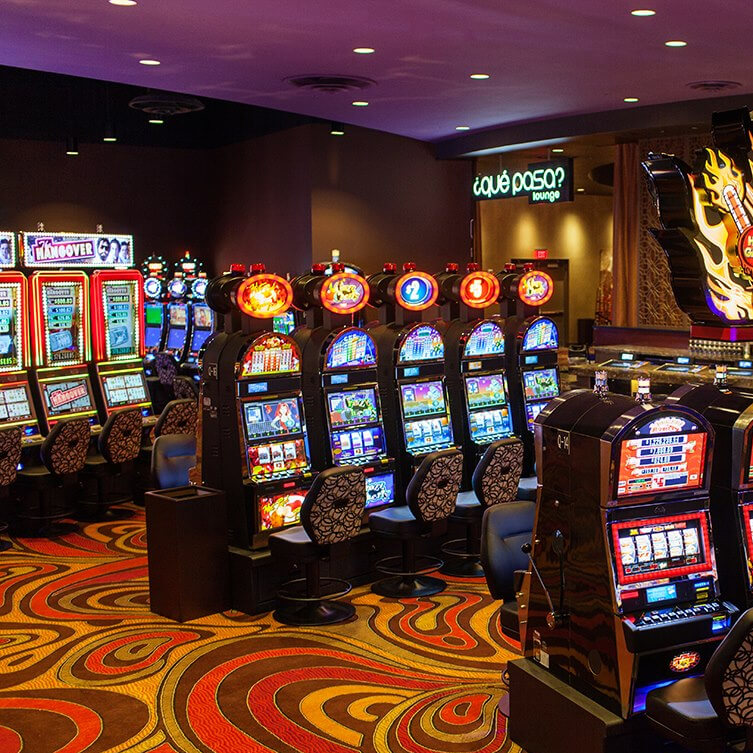
The most direct answer to “Are there casinos in Texas?” lies with the tribal casinos. Texas is home to several federally recognized Native American tribes, and these sovereign nations have the right to operate casinos on their reservations, much like tribes in other states across the United States. These casinos offer a range of gaming options that are typically found in traditional casinos, including slot machines, electronic table games, and sometimes live poker rooms.
One of the most prominent examples is the Kickapoo Traditional Tribe of Texas, which operates the Kickapoo Lucky Eagle Casino Hotel near Eagle Pass. This establishment is a significant destination for those seeking a traditional casino experience within the state. It offers a wide array of slot machines, video poker, and various table games, along with hotel accommodations, dining, and entertainment options. For many, this is the closest they will get to a full-service casino resort in Texas.
Another notable tribal gaming facility is the Naskila Gaming facility, operated by the Alabama-Coushatta Tribe of Texas near Livingston. While its legal status has faced challenges, it has historically offered electronic bingo and pull-tab games, which, for many patrons, provide a similar thrill to slot machines. The ongoing legal battles highlight the complexities and sensitivities surrounding tribal gaming in Texas.
It’s important for visitors to understand that these are sovereign lands, and their operations are governed by tribal-state compacts and federal law. While they offer a casino experience, they are distinct from commercial gaming operations that might exist in other parts of the country. These tribal casinos are often located in more remote areas, meaning a trip there might also involve planning for travel and accommodation, turning a gaming excursion into a broader Texas travel experience.
What About Other Forms of Gambling in Texas?
Beyond tribal casinos, the landscape of gambling in Texas is further defined by what is not allowed. The state has a strong stance against most forms of commercial gambling, which means you won’t find traditional casinos in the vein of Atlantic City or Las Vegas lining the streets of Austin or Fort Worth. However, there are a few other regulated forms of gaming that may appeal to those looking for some excitement.
Charitable Bingo and Raffles
One of the most widespread forms of legal gambling in Texas is charitable bingo. Non-profit organizations, such as churches and veteran groups, are permitted to host bingo games to raise funds. These games are heavily regulated by the state, and the winnings are typically limited. While not a casino in the traditional sense, bingo halls can offer a lively atmosphere and the chance to win money, attracting a significant number of participants. These events can be a way to experience a slice of local Texas culture and support good causes simultaneously.
Horse Racing and Greyhound Racing
Texas does permit pari-mutuel wagering on horse racing and, historically, greyhound racing. The Sam Houston Race Park in Houston is a prominent venue for horse racing, offering live races and simulcast wagering from tracks around the world. This provides an avenue for those interested in sports betting and the thrill of the races. While not a casino, the atmosphere at a race park, with its betting windows, dining options, and grandstands, can offer a sophisticated entertainment experience, aligning with the luxury travel aspect of lifestyle.
Lottery
The Texas Lottery Commission oversees the state lottery, offering a variety of scratch-off tickets and drawing games like Texas Two Step and Mega Millions. While the odds of winning are typically long, the lottery remains a popular form of casual gambling for many Texans. These games are widely accessible through authorized retailers across the state.
Social Gambling and Exemptions
Texas law also contains exemptions for social gambling, which generally refers to games played in a private home where no one is acting as a professional house or taking a percentage of the pot. However, the line between social gambling and illegal gambling can be blurry, and it’s essential to be aware of the specific legal definitions to avoid any trouble. This is less relevant for travelers seeking organized gaming entertainment but highlights the state’s conservative approach to gambling.
Planning Your Texas Gaming Getaway
For those who are specifically looking to visit a casino in Texas, the primary destinations will be the tribal casinos. Planning a trip to these locations requires a different approach than booking a city break in Las Vegas. It often involves considering the travel time, the accommodation options nearby, and the specific amenities offered by the casino resort itself.
Destinations and Travel Considerations
The Kickapoo Lucky Eagle Casino Hotel is located in Eagle Pass, a city on the Mexico border. This means that a trip to this casino can be combined with exploring the border region, experiencing the unique blend of Texan and Mexican culture, and perhaps even venturing across the border. Travelers might fly into San Antonio International Airport, which is the closest major airport, and then drive for approximately three hours to reach Eagle Pass. This requires careful planning of car rentals and overnight stays.
The Alabama-Coushatta Tribe of Texas‘s facility near Livingston is more accessible for those in the Houston area. Livingston itself is a smaller city, and accommodations might be more limited compared to larger tourist destinations. However, the proximity to Houston means that visitors could potentially combine a gaming excursion with exploring the attractions of one of Texas‘s largest cities.
When planning, consider the time of year. Texas experiences hot summers, so planning indoor activities like visiting a casino can be a good strategy during the warmer months. Conversely, the cooler fall and spring months are ideal for exploring the state’s numerous landmarks and outdoor attractions, which can complement a gaming trip.
Accommodation and Experiences
The Kickapoo Lucky Eagle Casino Hotel offers on-site accommodations, making it a convenient choice for a dedicated gaming getaway. These hotels often feature standard hotel rooms as well as suites, providing a range of comfort levels for visitors. Amenities might include swimming pools, fitness centers, and various dining options, from casual cafes to more upscale restaurants.
When considering accommodation, it’s always advisable to book in advance, especially if you plan to visit during a holiday weekend or a special event. Comparing prices and amenities across different hotels in the vicinity of the tribal casinos can help ensure you find the best value for your stay. While traditional casino resorts with sprawling entertainment complexes are not a feature of Texas, the tribal casinos aim to provide a comprehensive experience within their facilities.
Beyond the gaming floor, these destinations can also serve as a base for exploring the local tourism. For example, near Eagle Pass, visitors might explore historical sites or enjoy the natural beauty of the Rio Grande Valley. Near Livingston, the Big Thicket National Preserve offers opportunities for hiking and exploring diverse ecosystems. This allows for a lifestyle that blends the excitement of gaming with the broader appeal of Texas tourism.

The Future of Casinos in Texas
The question of whether casinos will ever be a more prevalent feature of the Texas landscape remains a topic of ongoing debate and political discussion. While there have been numerous attempts to pass legislation that would allow for the expansion of legalized gambling, including the establishment of commercial casinos, these efforts have consistently faced significant opposition.
The conservative political climate in Texas has been a major hurdle. Concerns about the potential negative impacts of expanded gambling, such as increased crime rates, addiction, and social costs, are often cited by opponents. Furthermore, powerful lobbying groups, including religious organizations and some existing entertainment industries, have actively campaigned against broader legalization.
However, proponents of expanded gambling argue that it could generate substantial tax revenue for the state, create jobs, and boost tourism. They point to the economic benefits experienced by other states that have embraced casino gambling. The success of the tribal casinos, despite their limited presence, is sometimes cited as evidence of the demand for gaming in Texas.
Should Texas ever decide to legalize commercial casinos, it would likely lead to a dramatic transformation of its entertainment and tourism sectors. Major cities could see the development of large-scale integrated resorts, similar to those found in Las Vegas or Macau. This would undoubtedly impact the hotel industry, creating demand for new luxury accommodations and expanding the range of experiences available to tourists. It would also influence the lifestyle choices of Texans and visitors, offering new forms of luxury travel and entertainment.
Until then, the tribal casinos remain the primary destinations for those seeking a traditional casino experience within Texas‘s borders. While the state may not be a gambling mecca in the same vein as some others, its unique approach to gaming, combined with its rich culture and diverse attractions, still offers a compelling destination for travelers interested in exploring all that the Lone Star State has to offer. The allure of the gamble, whether at a tribal casino, a bingo hall, or on the racetrack, is undeniably part of the Texas experience, albeit in a form that is distinctly Texan.
LifeOutOfTheBox is a participant in the Amazon Services LLC Associates Program, an affiliate advertising program designed to provide a means for sites to earn advertising fees by advertising and linking to Amazon.com. Amazon, the Amazon logo, AmazonSupply, and the AmazonSupply logo are trademarks of Amazon.com, Inc. or its affiliates. As an Amazon Associate we earn affiliate commissions from qualifying purchases.