
The question of whether Puerto Rico will become the 51st state of the United States has been a recurring and deeply complex issue, intertwining politics, economics, and the very identity of the Caribbean island. For decades, Puerto Ricans have debated their political status, with statehood, independence, and the current territorial status all having vocal proponents. As the discussion continues to gain momentum, understanding the historical context, the arguments for and against statehood, and the potential implications for both Puerto Rico and the United States is crucial. This exploration delves into the multifaceted nature of this enduring political debate, touching upon aspects relevant to travel, tourism, and the lifestyle of those who live on or visit this vibrant island.
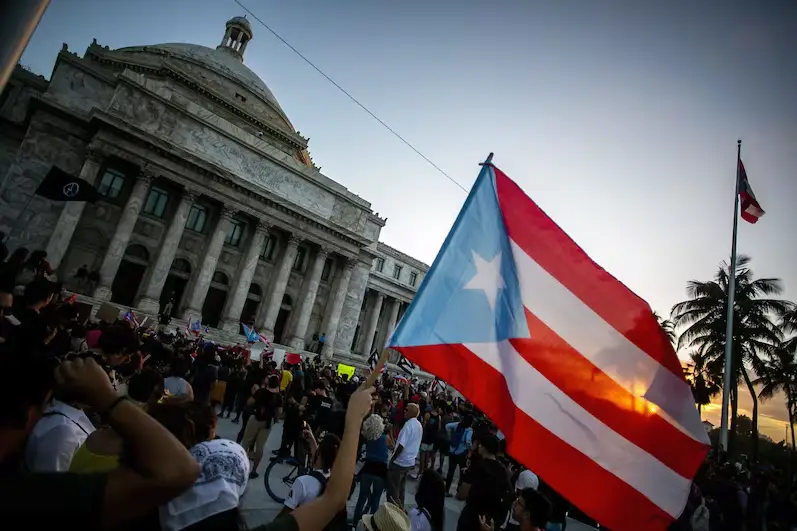
A Brief History of Puerto Rico’s Political Status
Puerto Rico’s relationship with the United States began in 1898 following the Spanish-American War. The Treaty of Paris ceded Puerto Rico, along with Cuba and Guam, to the United States. Initially governed by military rule, Puerto Rico was later organized as an unincorporated territory under the Foraker Act of 1900. In 1917, the Jones-Shafroth Act granted Puerto Ricans U.S. citizenship, a pivotal moment that solidified the island’s unique position.
Throughout the 20th century, various forms of self-governance were introduced, culminating in the establishment of a commonwealth status in 1952 with the ratification of Puerto Rico’s constitution. This commonwealth status, however, has always been a source of contention. While it grants Puerto Rico a degree of autonomy in its internal affairs, Puerto Ricans remain U.S. citizens who can serve in the U.S. military and are subject to federal laws, yet they cannot vote in presidential elections and have no voting representation in the U.S. Congress. This lack of full political parity has fueled the long-standing debate about the island’s future.
Referendums on political status have been held periodically. In 1967, 1993, and 1998, voters expressed a preference for the commonwealth status. However, subsequent plebiscites, notably in 2012 and 2017, have seen a majority vote in favor of statehood, though these votes have been boycotted by some parties and have faced challenges regarding their clarity and the interpretation of results by the U.S. federal government. The most recent non-binding plebiscite in November 2020 again showed a majority in favor of statehood, but the turnout was lower than in previous elections, and congressional action remains essential for any change in status.
The Allure of the Island: Travel and Tourism Considerations
For travelers and tourists, Puerto Rico offers a captivating blend of natural beauty, rich history, and vibrant culture. The island’s appeal lies in its diverse attractions, from the bioluminescent bays of Vieques and Fajardo to the historic streets of Old San Juan, a UNESCO World Heritage Site. The El Yunque National Forest, the only tropical rainforest in the U.S. National Forest System, provides stunning hiking trails and waterfalls.
The hospitality sector in Puerto Rico is robust, catering to a wide range of preferences and budgets. From luxurious resorts like the Dorado Beach, a Ritz-Carlton Reserve, and the St. Regis Bahia Beach Resort offering world-class amenities and beachfront access, to boutique hotels and charming guesthouses in towns like Rincón and Ponce, visitors have ample accommodation options. Many establishments emphasize local experiences, incorporating elements of Puerto Rican cuisine and culture into their offerings.
Food tourism is a significant draw, with the island boasting a culinary scene that melds Spanish, African, and Taíno influences. Dishes like mofongo, lechón (roast pig), and arroz con gandules are staples, best enjoyed in local chinchorros (roadside eateries) or upscale restaurants. The vibrant music scene, from salsa to reggaeton, adds another layer to the Puerto Rican experience, with live performances commonly found in cities like San Juan and Ponce. The island’s accessibility as a U.S. territory, with no passport required for U.S. citizens, further enhances its appeal for domestic tourism.
The Case for Statehood: Economic and Political Arguments
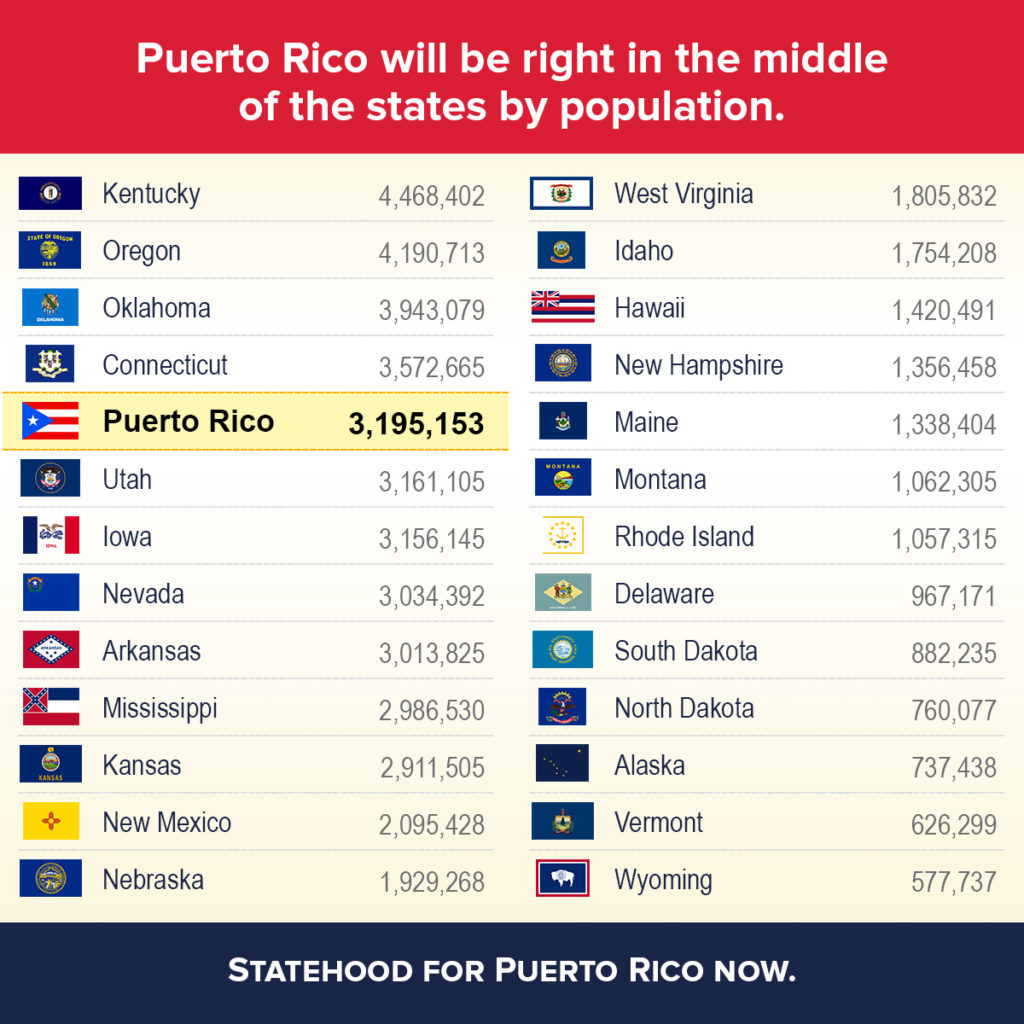
Proponents of statehood argue that it would bring significant economic benefits to Puerto Rico. As a state, the island would receive equal treatment in federal funding programs, particularly in areas like healthcare and infrastructure. Currently, Puerto Rico receives less federal funding per capita than the states, impacting essential services. Statehood would also likely lead to greater economic stability and attract more investment, as businesses would benefit from the same federal protections and incentives as those in the continental United States.
Politically, statehood would grant Puerto Ricans full voting rights in presidential elections and voting representation in the U.S. Congress, ending what many see as a colonial arrangement. This would allow Puerto Ricans to have a direct say in the laws and policies that affect them, fostering a sense of equality and belonging. Supporters believe statehood would eliminate the uncertainty surrounding the island’s political status, providing a clear path forward for its development and integration into the United States. They also point to the contributions of Puerto Ricans in the military and their unwavering loyalty to the United States as justification for full political inclusion.
Furthermore, statehood could streamline federal oversight and potentially simplify tax codes. The current system, with its complex interplay of federal and local tax laws, can be a barrier to economic growth. Advocates for statehood envision a more cohesive economic and legal framework that would benefit businesses and residents alike. The prospect of increased federal investment in education, transportation, and other public services is a powerful argument for many Puerto Ricans who aspire to a higher standard of living.
Arguments Against Statehood and Alternative Visions
Despite the growing support for statehood, significant opposition and alternative viewpoints persist. Critics of statehood raise concerns about the potential loss of Puerto Rican cultural identity and autonomy. They fear that becoming a state would dilute the island’s unique Spanish-speaking heritage and lead to further Americanization, eroding traditions and language. The economic implications are also debated, with some arguing that statehood could lead to higher taxes for Puerto Ricans and increased federal intervention that might not always align with local needs.
Another significant faction advocates for enhanced commonwealth status or outright independence. Proponents of enhanced commonwealth argue that it could provide Puerto Rico with greater autonomy while maintaining the benefits of U.S. citizenship and economic ties. They envision a sovereign nation in free association with the United States, similar to the relationship between the U.S. and the Marshall Islands or the Federated States of Micronesia. This option seeks to balance self-determination with economic and security cooperation.
Those who favor independence believe that Puerto Rico should be a sovereign nation, free from any external political control. They argue that true self-determination is only possible through complete independence, allowing Puerto Rico to forge its own foreign policy, economic relationships, and cultural trajectory. This perspective often emphasizes Puerto Rico’s distinct national identity and its historical struggle for self-governance.
The debate also touches upon practical considerations. For example, the potential impact on tourism and the accommodation sector is a point of discussion. While statehood might bring more standardized regulations and potentially infrastructure improvements, some worry that it could also lead to increased development that might alter the island’s character. Conversely, others believe that the stability offered by statehood could boost long-term tourism investment and the development of luxury accommodations and experiences. The conversation around lifestyle also plays a role; how would statehood affect the cost of living, the availability of goods and services, and the overall quality of life for Puerto Ricans and expatriates alike?

The Road Ahead: What Happens Next?
The future of Puerto Rico’s political status remains uncertain. For statehood to become a reality, U.S. Congressional action is indispensable. The U.S. Congress has the ultimate authority to admit new states into the Union, and any proposal would likely face intense debate and require significant political will. The outcome of such a process would depend on numerous factors, including the political climate in Washington D.C., the sustained advocacy from Puerto Rican leaders and citizens, and the perceived economic and strategic benefits for the United States.
Regardless of the path chosen, the decisions made in the coming years will profoundly shape the destiny of Puerto Rico. The island’s unique cultural heritage, its strategic location, and the aspirations of its people are all critical elements in this ongoing saga. Whether it ultimately embraces statehood, pursues a form of independence, or redefines its commonwealth relationship, Puerto Rico stands at a pivotal juncture, with its future poised to impact its residents, its relationship with the United States, and its place in the world. The ongoing discussions are not merely political but deeply personal, touching upon the identity and aspirations of an entire population.
LifeOutOfTheBox is a participant in the Amazon Services LLC Associates Program, an affiliate advertising program designed to provide a means for sites to earn advertising fees by advertising and linking to Amazon.com. Amazon, the Amazon logo, AmazonSupply, and the AmazonSupply logo are trademarks of Amazon.com, Inc. or its affiliates. As an Amazon Associate we earn affiliate commissions from qualifying purchases.