
Dreaming of azure waters, emerald valleys, and the gentle rhythm of island life? The allure of Hawaii is undeniable, a tropical paradise that beckons travelers with its diverse landscapes and vibrant culture. But when is the optimal time to experience the magic of the Aloha State? The “best” month to visit Hawaii is not a one-size-fits-all answer; it depends entirely on your priorities. Are you seeking sun-drenched beaches, thrilling surf, vibrant festivals, or simply a tranquil escape from the everyday? By understanding the nuances of Hawaii’s weather patterns, seasonal events, and peak tourist times, you can pinpoint the perfect window for your unforgettable island adventure.
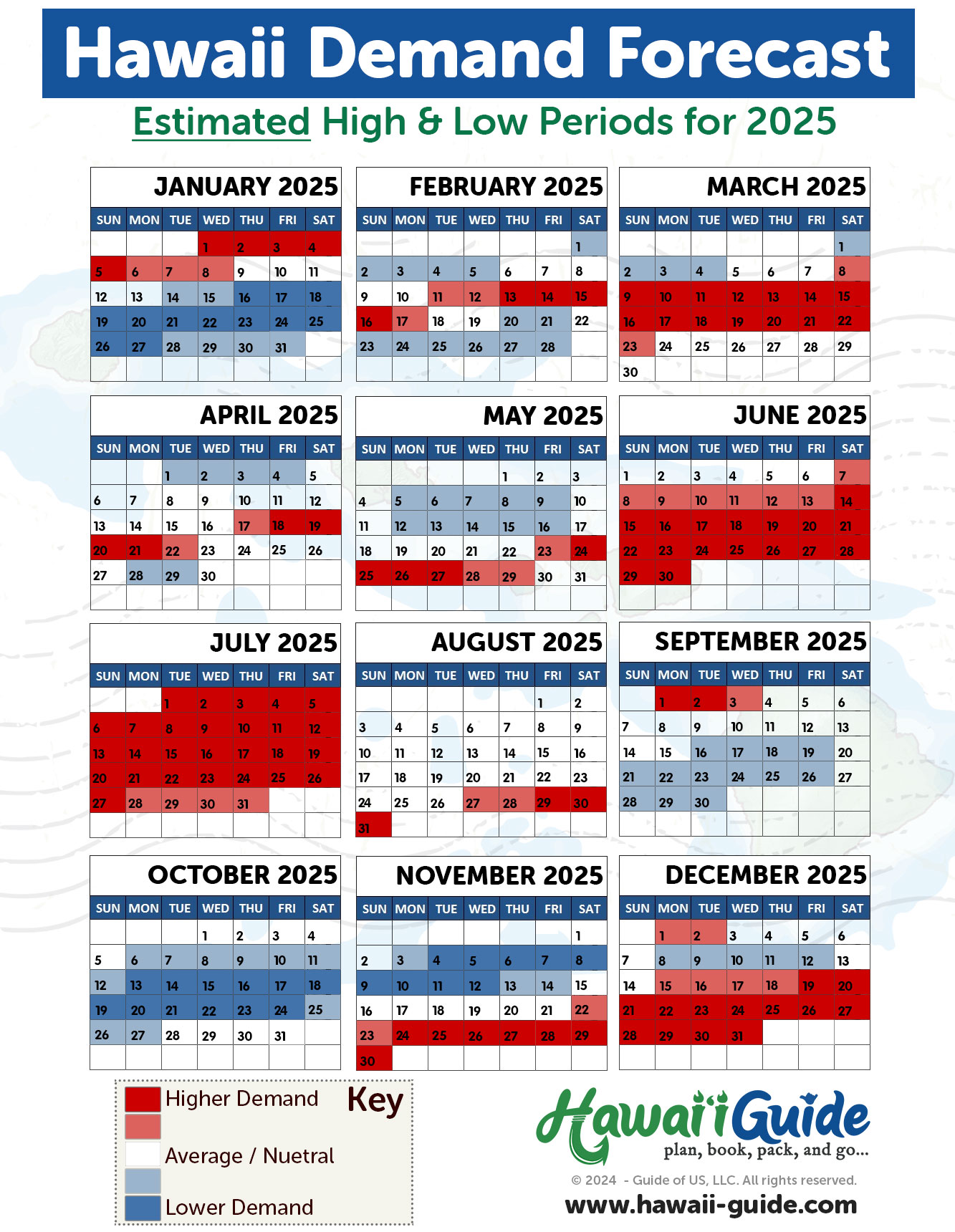
This guide will delve into the factors that influence your decision, from the balmy warmth of the summer months to the cooler, wetter season, and explore how these elements translate into unique experiences across the islands. Whether you’re planning a luxurious getaway to a five-star resort, a budget-friendly exploration of local gems, or a family vacation filled with adventure, knowing the ideal timing can significantly enhance your trip. We’ll consider everything from the cost of flights and accommodations to the availability of certain activities and the presence of specific natural phenomena.
Understanding Hawaii’s Climate: A Tale of Two Seasons
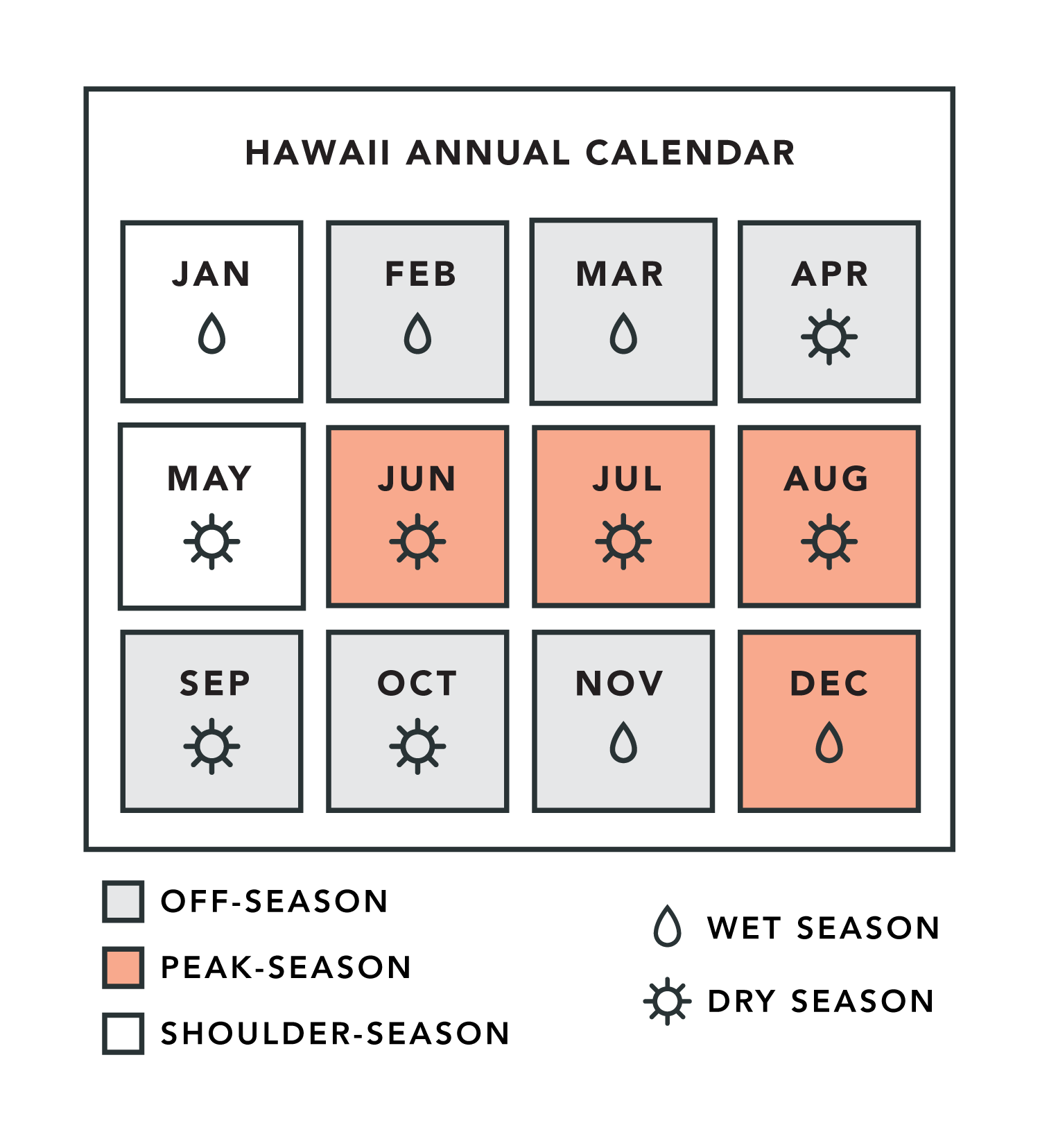
Hawaii enjoys a tropical climate year-round, meaning you’re unlikely to encounter harsh winters or scorching summers. However, there are distinct variations between the drier, warmer period and the cooler, wetter season that can impact your travel experience. Broadly speaking, Hawaii has two primary seasons: the “summer” season, which runs from April to October, and the “winter” season, from November to March.
The Dry Season: April to October
This period is characterized by abundant sunshine, lower humidity, and gentle trade winds, making it ideal for beach lovers and those who want to maximize their outdoor activities. Temperatures typically hover in the high 70s to mid-80s Fahrenheit (around 26-30 degrees Celsius), with the warmest months being July and August. While it’s generally dry, occasional brief rain showers can occur, especially on the windward sides of the islands, but these are usually short-lived and refreshing.
The dry season is also when the oceans are typically calmer, particularly on the south shores of the islands, making it perfect for swimming, snorkeling, and diving. This is also the peak tourist season, especially during the summer months when families are on school breaks and international visitors flock to the islands. Consequently, you can expect higher prices for flights and accommodations, and popular attractions may be more crowded.
The Wet Season: November to March
The “wet” season doesn’t mean constant downpours. Instead, it brings slightly cooler temperatures, ranging from the mid-70s to low 80s Fahrenheit (around 24-27 degrees Celsius), and increased rainfall, particularly on the north and east-facing shores. The leeward sides of the islands, such as the Kona coast of the Big Island or western Maui, tend to remain significantly drier even during this season.
This period also coincides with the arrival of large ocean swells on the north shores of Oahu, Maui, and Kauai, attracting world-class surfers to legendary spots like North Shore and Pe’ahi. For those not interested in surfing, the increased rainfall can lead to lush, vibrant landscapes, cascading waterfalls, and a more dramatic natural beauty. This is also considered the “off-peak” season for many travelers, meaning you can often find better deals on flights and hotels. However, it’s essential to note that the holiday period around Christmas and New Year’s is an exception, with prices soaring and crowds increasing.
Timing Your Visit Based on Your Interests
Beyond the general weather patterns, the “best” month to visit Hawaii is heavily influenced by what you hope to achieve during your trip. Different months offer unique opportunities and experiences.
For Beach Bliss and Calm Waters
If your ultimate goal is to lounge on pristine beaches, swim in turquoise waters, and enjoy water sports like snorkeling and paddleboarding without strong currents, the dry season from April to October is your best bet. Within this period, the shoulder months of April, May, September, and October often offer the ideal balance. The weather is reliably sunny and warm, but the peak summer crowds have either not yet arrived or have departed, leading to more pleasant and potentially less expensive travel experiences.
The southern shores of islands like Oahu (e.g., Waikiki Beach) and Maui (e.g., Ka’anapali Beach) are particularly calm during these months. You’ll find excellent visibility for underwater exploration, making it a fantastic time to visit renowned snorkeling spots like Molokini Crater. If your vacation plans include a visit to Lanai for its secluded beaches and pristine snorkeling, the calm waters of the dry season are paramount.
For Surfing and Whale Watching
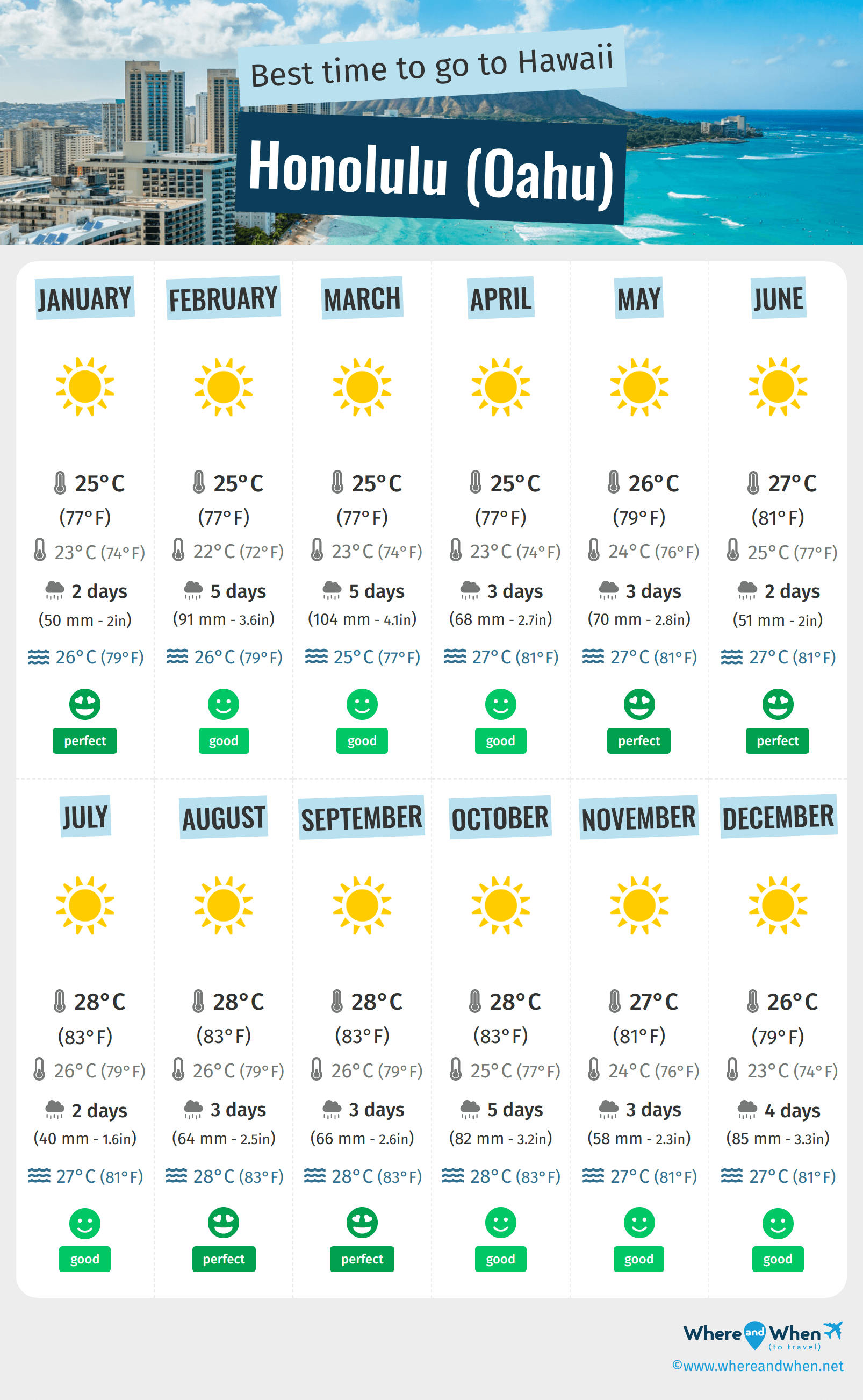
For surf enthusiasts and those eager to witness the majestic humpback whales, the wet season from November to March is the prime time. The powerful North Pacific swells bring world-class waves to the north shores of Oahu, Maui, and Kauai, creating a spectacle for surfers and spectators alike. Famous surf breaks like Waimea Bay and Banzai Pipeline on Oahu’s North Shore come alive during this period.
Simultaneously, from December to May, the waters surrounding the Hawaiian Islands become a vital breeding and calving ground for humpback whales. Maui, in particular, is renowned for its whale-watching tours, with Ma’alaea Harbor and Lahaina serving as popular departure points. The winter months offer the highest probability of encountering these magnificent creatures in their natural habitat. Whale-watching tours are a must-do for nature lovers during this season.
For Festivals, Culture, and Budget Travel
Hawaii boasts a rich cultural tapestry woven with vibrant festivals and traditions. The shoulder seasons, particularly April, May, September, and October, often provide a sweet spot for experiencing local culture without the overwhelming crowds and inflated prices of peak times.
The months of April and May are excellent for experiencing local arts and crafts fairs, music festivals, and the unique spirit of Lei Day (May 1st), a celebration of Hawaiian culture and aloha. You can immerse yourself in traditional Hawaiian music and dance performances, sample local delicacies at food festivals, and witness the beauty of floral arrangements.
The period from September to October also offers a delightful blend of pleasant weather and fewer tourists. This is a great time to explore historical sites like Pearl Harbor or discover the natural wonders of places like Waimea Canyon on Kauai with more ease. Furthermore, if budget is a significant consideration, traveling during the non-holiday periods of the wet season (excluding Christmas and New Year’s) or the shoulder months of the dry season can lead to substantial savings on flights and accommodation at renowned hotels and resorts. You might find better deals at places like the Grand Hyatt Kauai Resort & Spa or budget-friendly apartments in Honolulu.
Navigating Peak Seasons and Holiday Crowds
While Hawaii is a year-round destination, certain times of the year see a surge in visitors, which can impact pricing, crowd levels, and the overall atmosphere.
Summer Holidays (June, July, August)
The summer months are a peak travel period due to school vacations. Families from across the globe descend upon the islands, eager for sun, sand, and surf. This means higher prices for flights and accommodations, and popular attractions will be more crowded. Booking well in advance is crucial if you plan to visit during this time. Consider booking at resorts like the Aulani, A Disney Resort & Spa, or a villa in a popular tourist area to ensure availability. Despite the crowds, the weather is consistently excellent, offering ample sunshine and warm temperatures ideal for all outdoor activities.
Winter Holidays (Mid-December to Early January)
The period around Christmas and New Year’s is another significant peak season. Many travelers escape colder climates for the warmth of the Hawaiian Islands. This is an especially busy and expensive time to visit. Accommodation at hotels like the Four Seasons Resort Maui at Wailea can be booked out months in advance, and flight prices can reach their annual highs. While the islands are vibrant and festive, expect significant crowds at beaches, restaurants, and popular attractions. If you are looking for a quieter, more budget-friendly experience, it is best to avoid this specific holiday window.
Shoulder Seasons: The Sweet Spot
For many travelers, the shoulder seasons offer the best of both worlds: excellent weather, fewer crowds, and more reasonable prices. These periods include:
-
Spring Shoulder Season (April, May): Following the winter rains and the departure of holiday crowds, these months offer reliably sunny days, comfortable temperatures, and blooming flora. It’s a fantastic time for exploring national parks, hiking, and enjoying water sports before the summer heat and crowds arrive.
-
Fall Shoulder Season (September, October): Similar to spring, these months provide a sweet spot after the summer rush. The weather remains warm and sunny, the ocean conditions are generally favorable for most activities, and you can often find better deals on flights and lodging. This is an ideal time for a relaxed getaway or a more in-depth exploration of Hawaiian culture and landmarks.
Ultimately, the “best” month to visit Hawaii is a personal choice. By considering the interplay of weather, seasonal events, and crowd dynamics, you can tailor your trip to create the perfect island escape that aligns with your budget, interests, and desired pace. Whether you’re drawn to the thrill of massive waves, the serenity of a secluded beach, or the richness of Hawaiian culture, there’s a perfect time for you to experience the magic of the Aloha State.
LifeOutOfTheBox is a participant in the Amazon Services LLC Associates Program, an affiliate advertising program designed to provide a means for sites to earn advertising fees by advertising and linking to Amazon.com. Amazon, the Amazon logo, AmazonSupply, and the AmazonSupply logo are trademarks of Amazon.com, Inc. or its affiliates. As an Amazon Associate we earn affiliate commissions from qualifying purchases.