
What Is The Big Island Hawaii Called?
Hawaii, the Aloha State, is an archipelago of enchanting islands, each boasting its own unique charm and allure. Among these, one island stands out for its sheer size, dramatic landscapes, and unparalleled diversity: the island of Hawaii. More commonly known as “The Big Island,” this majestic landmass is a geographical marvel, a testament to the raw power of nature. But to truly understand what the Big Island is called, we must delve a little deeper into its official designation and the reasons behind its popular moniker.
The official name of the island is, in fact, Hawaii. This might seem confusing, as it shares its name with the entire state. To avoid ambiguity, the island is popularly referred to as “The Big Island.” This nickname is not just a casual descriptor; it accurately reflects its physical scale. It is indeed the largest island in the Hawaiian chain, spanning over 4,000 square miles. This vastness translates into an incredible array of climates, from the arid deserts of the Kona coast to the lush rainforests of the Hilo side and the perpetually snow-capped summit of Mauna Kea.
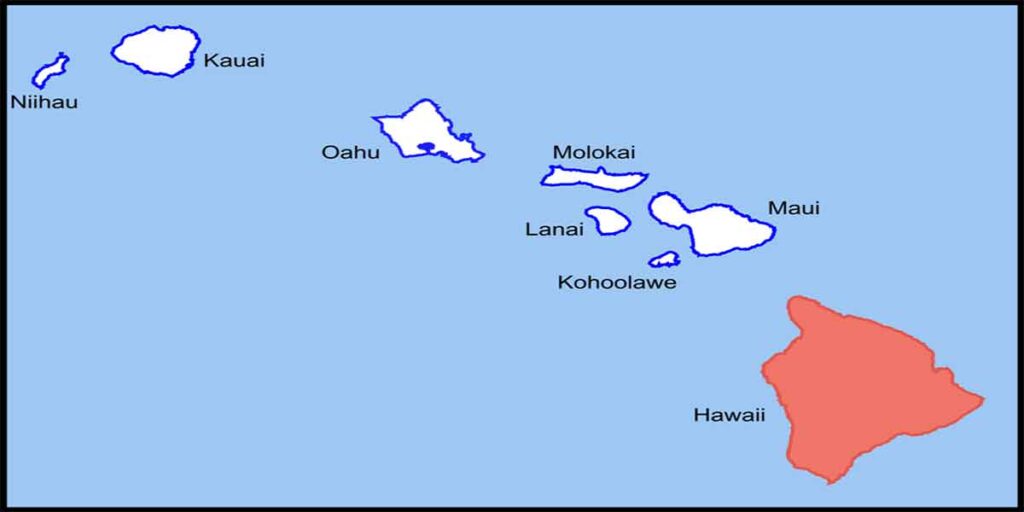
Unveiling the Island’s Official and Popular Names
The duality of its name – Hawaii and The Big Island – is a crucial point of understanding for anyone planning a trip to this remarkable destination. While locals and seasoned travelers will readily understand “The Big Island,” using its official name, “Hawaii,” is also correct. However, when referring to the state, it’s often necessary to specify “the state of Hawaii” to differentiate it from the island itself. This linguistic nuance is a small detail that can prevent confusion and enhance your travel planning experience.
The Historical and Cultural Significance of the Name “Hawaii”
The name “Hawaii” itself carries profound historical and cultural weight. It is derived from the Polynesian word “Hawaiki,” believed to be the ancestral homeland of the Polynesian people. This connection to a shared origin story underscores the deep roots of Hawaiian culture and its enduring spirit. The island of Hawaii, as the largest and perhaps most geologically active of the islands, is seen by many as embodying the very essence of the Hawaiian spirit – resilient, powerful, and ever-evolving.
The island is divided into distinct districts, each with its own historical significance and unique character. From the bustling hubs of Kailua-Kona and Hilo to the more remote and serene areas, the island of Hawaii offers a spectrum of experiences. Understanding these divisions can be helpful when planning your itinerary, whether you’re seeking the vibrant energy of a resort town or the tranquil solitude of a secluded beach.
Exploring the Diverse Geography of The Big Island
The sheer size of The Big Island is not just a numerical fact; it dictates its incredible geographical diversity. This is an island where you can witness active volcanoes, swim in pristine waters, hike through verdant valleys, and stand on a snow-capped mountain, all within a relatively short distance. This remarkable range of environments makes it a prime destination for adventurers, nature lovers, and anyone seeking a truly immersive travel experience.
Volcanoes National Park: A Cradle of Creation
At the heart of The Big Island’s geological wonder lies Hawaii Volcanoes National Park. This UNESCO World Heritage site is home to two of the world’s most active volcanoes: Kilauea and Mauna Loa. Witnessing the raw power of these giants is an unforgettable experience. The park offers various ways to explore its volcanic landscapes, from scenic drives along Crater Rim Drive to challenging hikes through lava tubes and across solidified lava flows.
Kilauea, in particular, has been a constant source of activity, reshaping the island and providing a dynamic spectacle for visitors. The park’s visitor center offers invaluable information about current volcanic activity, safety guidelines, and the geological history of the island. It’s a place where you can truly feel the pulse of the Earth.
Mauna Kea and Mauna Loa: Giants of the Pacific
Dominating the island’s skyline are the majestic dormant volcanoes Mauna Kea and Mauna Loa. Mauna Kea, the tallest mountain in the world when measured from its base on the ocean floor, is not only a geological marvel but also an astronomical observatory. Its summit, above the clouds, provides some of the clearest skies on Earth, making it an ideal location for world-class telescopes. Visitors can drive to the summit for breathtaking panoramic views and, weather permitting, witness spectacular sunsets and stargaze. It’s a stark contrast to the tropical environment found at sea level.
Mauna Loa, the most massive volcano on Earth by volume, is a sleeping giant whose past eruptions have shaped much of the island. While not as accessible for general public exploration as Kilauea‘s summit, its presence is a constant reminder of the immense geological forces at play.
The Contrasting Coasts: Kona and Hilo
The island is famously divided into two distinct climate zones, characterized by its two main population centers: Kona on the western, leeward side, and Hilo on the eastern, windward side. The Kona side is known for its sunny, dry climate, making it a popular destination for resorts, beaches, and water activities like snorkeling and diving. The world-renowned Kona coffee plantations thrive in this arid environment. Here, you can find luxurious resorts like the Four Seasons Resort Hualalai and the Mauna Lani, Auberge Resorts Collection, offering unparalleled comfort and amenities.

In stark contrast, the Hilo side is lush, tropical, and receives significantly more rainfall. This abundant water nourishes vibrant rainforests, stunning waterfalls like Akaka Falls, and lush botanical gardens. Hilo is also the gateway to Hawaii Volcanoes National Park. While the weather might be wetter, the sheer verdancy and dramatic natural beauty of the Hilo side are captivating. Travelers looking for a more natural and less developed experience often find themselves drawn to this side of the island.
Experiencing the Culture and Activities on The Big Island
Beyond its awe-inspiring natural wonders, The Big Island offers a rich tapestry of cultural experiences and exciting activities for every type of traveler. From exploring ancient Hawaiian sites to indulging in local cuisine and embarking on thrilling adventures, there’s something to captivate everyone.
A Journey Through History and Culture
The island of Hawaii is steeped in history, from the ancient traditions of the Hawaiian people to its role in the broader history of the Pacific. Exploring historical sites like Pu’uhonua o Honaunau National Historical Park, a sanctuary of refuge in ancient Hawaiian law, offers a profound glimpse into the island’s past. This sacred place allows visitors to connect with the spiritual and cultural heritage of the native Hawaiians.
The local culture is vibrant and welcoming, reflected in the aloha spirit that permeates the island. Engaging with local artisans, attending a traditional luau, or visiting cultural centers provides a deeper understanding and appreciation of Hawaiian traditions. Learning a few basic Hawaiian phrases can also enhance your interactions with the friendly locals.
Adventures for Every Traveler
The Big Island’s diverse landscapes lend themselves to an incredible range of adventures.
-
Water Activities: The crystal-clear waters offer fantastic opportunities for snorkeling, diving, and whale watching, especially along the Kona coast. Exploring the underwater world reveals vibrant coral reefs and a diverse array of marine life. Kayaking, paddleboarding, and surfing are also popular pastimes.
-
Hiking and Exploration: Beyond Hawaii Volcanoes National Park, numerous hiking trails crisscross the island, leading through rainforests, past waterfalls, and along dramatic coastlines. The Waipio Valley, often called the “Valley of the Kings,” is a sacred and stunningly beautiful valley accessible by a steep road or guided tour.
-
Stargazing: As mentioned earlier, the summit of Mauna Kea is a world-renowned stargazing destination. Even from lower elevations, the night sky on The Big Island is exceptionally clear, offering a celestial spectacle.
-
Culinary Delights: The island’s rich agricultural land produces an abundance of fresh ingredients, from Kona coffee and macadamia nuts to fresh seafood and tropical fruits. Experiencing the local cuisine, from roadside food trucks to fine dining restaurants, is a significant part of the island’s appeal. Don’t miss trying “poke,” a traditional Hawaiian dish of marinated raw fish.
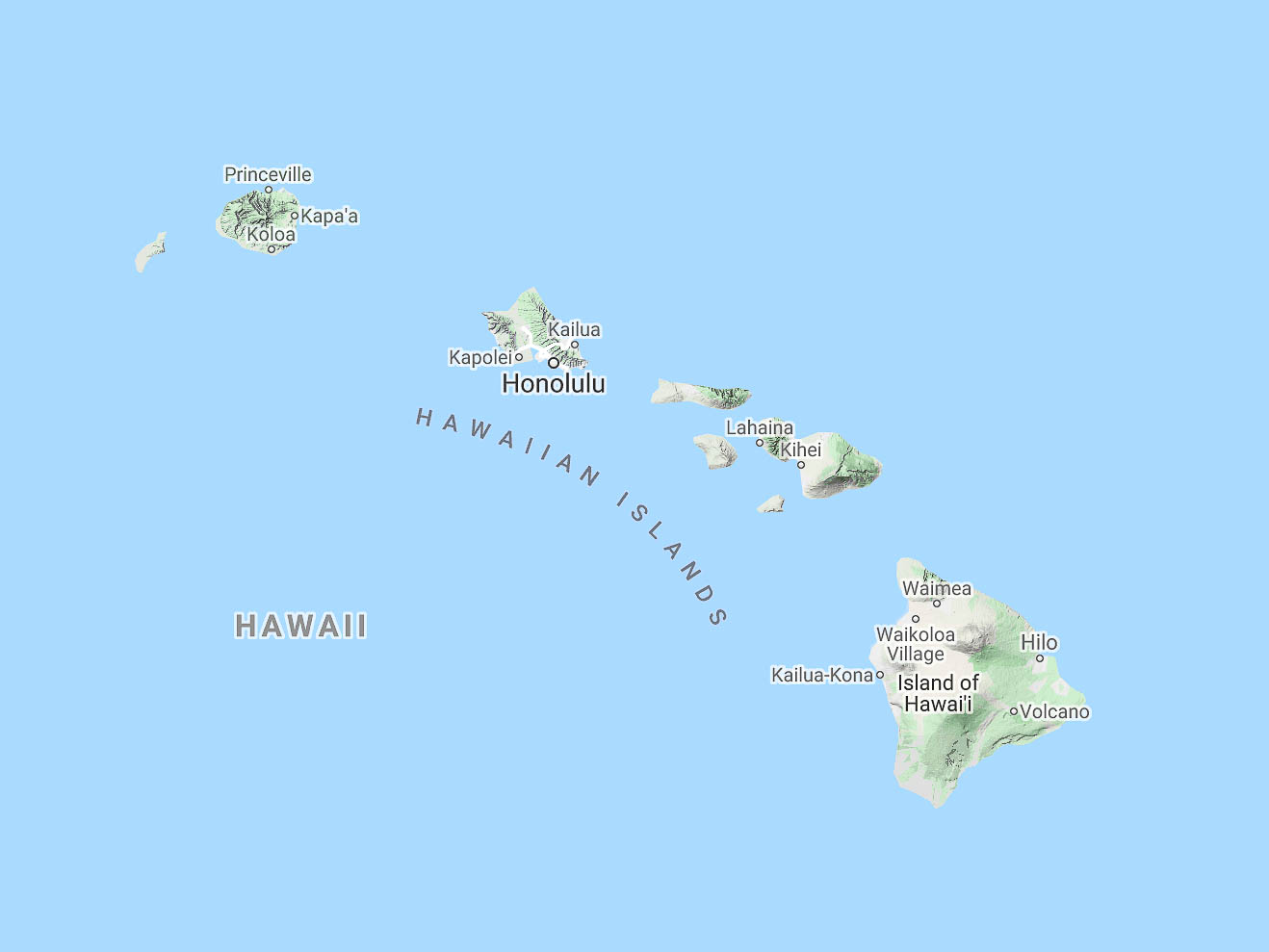
Accommodation Options: From Luxury Resorts to Cozy Stays
When it comes to accommodation on The Big Island, the options are as varied as its landscapes. Whether you’re seeking the ultimate in luxury or a more budget-friendly experience, you’ll find something to suit your needs.
-
Luxury Resorts: The Kona coast is home to some of the world’s most exquisite resorts, offering unparalleled amenities, spa services, fine dining, and breathtaking ocean views. Properties like the Four Seasons Resort Hualalai, Mauna Lani, Auberge Resorts Collection, and The Ritz-Carlton, Kapalua (though technically on Maui, similar caliber resorts are on the Big Island) provide a lavish escape.
-
Boutique Hotels and Inns: For those seeking a more intimate and personalized experience, numerous boutique hotels and charming inns are scattered across the island, particularly in Hilo and smaller towns.
-
Vacation Rentals: The Big Island offers a wide array of vacation rentals, from beachfront condos to private villas, providing flexibility and the comforts of home, especially for families or longer stays. Platforms like VRBO and Airbnb are popular for finding these options.
-
Budget-Friendly Stays: Hostels and budget-friendly hotels are available, particularly in Hilo and Kailua-Kona, making the island accessible to a wider range of travelers.
In conclusion, while the island is officially named Hawaii, its popular and descriptive moniker, “The Big Island,” serves as an immediate gateway to understanding its grandeur and scope. This island is a world unto itself, a place of dynamic geological power, breathtaking natural beauty, and a rich cultural heritage that continues to enchant visitors from around the globe. Whether you’re drawn by the allure of its volcanoes, the serenity of its beaches, or the warmth of its people, The Big Island awaits your exploration.
LifeOutOfTheBox is a participant in the Amazon Services LLC Associates Program, an affiliate advertising program designed to provide a means for sites to earn advertising fees by advertising and linking to Amazon.com. Amazon, the Amazon logo, AmazonSupply, and the AmazonSupply logo are trademarks of Amazon.com, Inc. or its affiliates. As an Amazon Associate we earn affiliate commissions from qualifying purchases.