
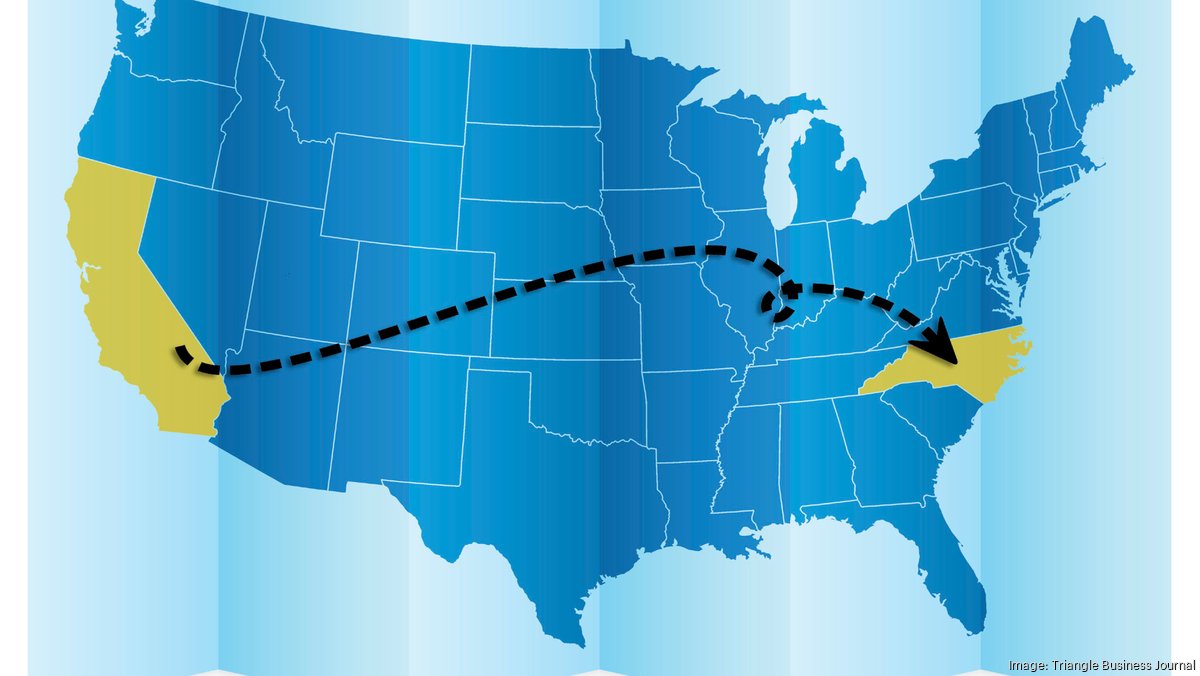
The vast expanse of the United States stretches from the Pacific shores of California to the Atlantic coast of North Carolina, a considerable distance that ignites the imagination of travelers, road trippers, and those simply curious about the geography of their nation. The question, “How far is California from North Carolina?” is more than just a measurement of miles; it’s an invitation to explore the diverse landscapes, cultures, and experiences that lie between these two iconic states. Whether you’re planning an epic cross-country adventure, considering a move, or just indulging a bit of geographical curiosity, understanding the scope of this journey is the first step.

This journey spans a significant portion of the continental United States, traversing multiple time zones, diverse climates, and a rich tapestry of American history and culture. The distance itself varies depending on the specific starting and ending points within each state, but the overarching theme is one of considerable travel, necessitating careful planning for any mode of transportation.
The Unveiling of Distance: Miles and Time Across the Continent
To truly grasp the distance between California and North Carolina, we must first acknowledge that these are not monolithic entities. California, with its sprawling coastline and inland empire, offers countless starting points. From the sun-drenched beaches of San Diego in the south to the majestic redwood forests of the north, the Golden State presents a varied departure. Similarly, North Carolina boasts a diverse geography, from the Outer Banks’ sandy shores to the rolling hills of the Piedmont and the majestic peaks of the Appalachian Mountains in the west. Therefore, the exact mileage will fluctuate.
By Road: The Allure of the Open Highway
Embarking on a road trip from California to North Carolina is an quintessential American experience. It’s a journey that allows for spontaneous detours, discovery of hidden gems, and an intimate connection with the changing scenery. The most direct routes typically involve navigating major interstates, forming a backbone of asphalt that connects the West Coast to the East.
On average, driving between the two states covers approximately 2,600 to 3,000 miles, depending on the chosen path. For instance, a route from Los Angeles, California, to Raleigh, North Carolina, might clock in around 2,700 miles. This translates to a significant time commitment. Assuming an average driving speed and factoring in necessary stops for fuel, food, and rest, this journey will likely take at least 40 to 45 hours of pure driving time. However, a comfortable road trip, one that allows for exploration and enjoyment, would realistically span 5 to 7 days, or even longer if one aims to truly immerse themselves in the sights and sounds along the way.
Consider a popular route that might take you eastward from California, potentially through states like Arizona, New Mexico, Texas, Oklahoma, Arkansas, and Tennessee, before finally arriving in North Carolina. Along this path, you might encounter iconic landmarks such as the Grand Canyon National Park in Arizona, the vibrant culture of Santa Fe, New Mexico, the sprawling ranches of Texas, and the musical heart of Nashville, Tennessee. Each state offers its unique flavor, contributing to the richness of the cross-country odyssey.
For those seeking different vistas, alternative routes exist. A more northerly path might wind through Nevada, Utah, Colorado, Kansas, Missouri, and Virginia before reaching North Carolina. This route offers the dramatic landscapes of the Rocky Mountains and the historical significance of cities like St. Louis, Missouri. The choice of route is a crucial element of the travel planning, allowing travelers to tailor their journey to their interests, whether they are drawn to natural wonders, historical sites, or the culinary delights of different regions.
Accommodation Along the Way
The extended nature of a road trip necessitates planning for overnight stays. North Carolina and the states in between offer a wide spectrum of accommodation options to suit every budget and preference. From budget-friendly motels and inns that dot the highway exits to charming bed and breakfasts tucked away in historic towns, there’s always a place to rest your head.
For those seeking more comfort and amenities, major hotel chains like Best Western, Holiday Inn, and Hampton Inn are readily available in most cities and towns. Travelers looking for a more unique or luxurious experience might consider boutique hotels or even a night at a historic inn, offering a glimpse into the local heritage. For longer stays or for those who prefer a home-away-from-home feel, apartment rentals or even short-term villa bookings can be found in larger metropolitan areas along the route.
The decision of where to stay each night can be influenced by planned sightseeing. Perhaps you wish to spend a full day exploring Zion National Park in Utah or a leisurely afternoon in the historic streets of Charleston, South Carolina (if taking a slightly more southerly arc). In such cases, booking accommodation in or near these attractions well in advance is advisable, especially during peak travel seasons. Websites dedicated to accommodation booking and comparison can be invaluable tools in finding the perfect stay, offering reviews, price comparisons, and details on amenities.
By Air: The Swiftness of Modern Travel
For those prioritizing speed and efficiency, air travel offers a stark contrast to the leisurely pace of a road trip. Flying from California to North Carolina dramatically reduces travel time, transforming a multi-day journey into a matter of hours.
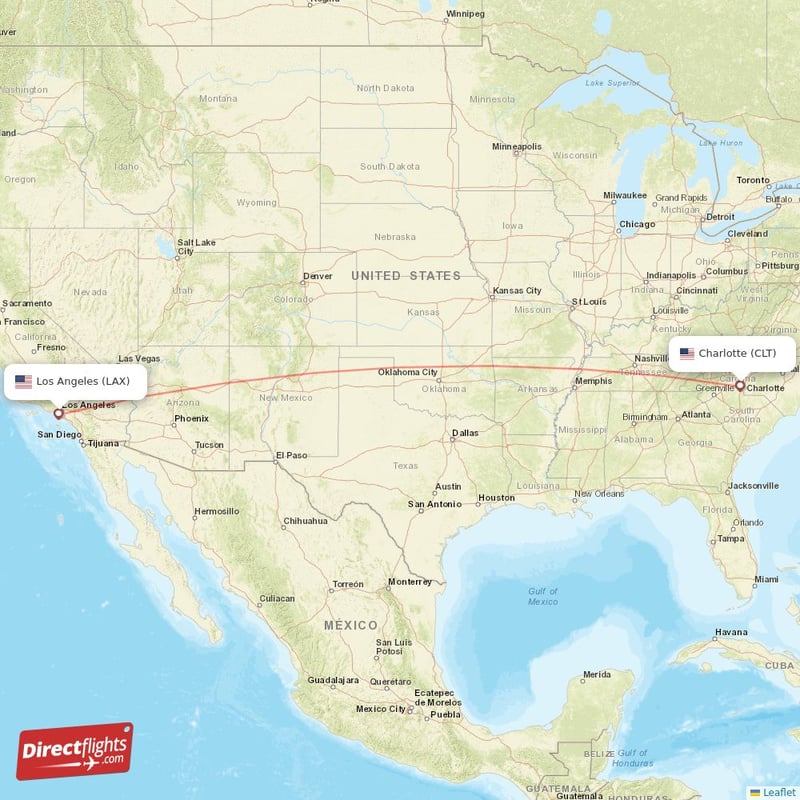
Direct flights are available between major airports in both states. For instance, you can find direct flights from Los Angeles International Airport (LAX) or San Francisco International Airport (SFO) in California to Charlotte Douglas International Airport (CLT) or Raleigh-Durham International Airport (RDU) in North Carolina. The flight duration for these non-stop services typically ranges from 4.5 to 5.5 hours, depending on the specific departure and arrival airports and prevailing wind conditions.
When considering flights, it’s important to factor in the time spent at the airports for check-in, security, and boarding, as well as travel to and from the airports at your origin and destination. Even with these additional considerations, air travel is by far the quickest method to traverse the distance. A journey that takes a week by car can be completed in less than a day by plane.
The choice of airports within California and North Carolina can also impact the overall travel experience. San Diego International Airport (SAN) offers convenient access to southern California, while Oakland International Airport (OAK) serves the San Francisco Bay Area. Similarly, Greensboro and Wilmington in North Carolina have their own airports, offering alternative entry points into the Tar Heel State.
The cost of flights can vary significantly based on the time of year, how far in advance you book, and the specific airlines you choose. Utilizing flight comparison websites can help in finding the most economical options. Furthermore, the type of flight – direct versus layover – will also influence both the price and the total travel time. A direct flight, while often more expensive, offers a seamless and faster transit.
Other Modes of Travel: A Glimpse at Less Common Options
While driving and flying are the most common methods for traversing the vast distance between California and North Carolina, other options, though less practical for this specific journey, are worth noting for their unique appeal.
Train Travel: Amtrak operates cross-country routes, offering a scenic and relaxed way to travel. However, a train journey from California to North Carolina would be exceptionally long, likely taking several days and involving multiple transfers. This option is best suited for those who view the journey itself as a significant part of the experience, offering opportunities to see the country unfold at a more deliberate pace, and to enjoy onboard amenities and dining. The vastness of the continent makes a direct train route impractical for most travelers seeking to reach their destination efficiently.
Bus Travel: Similar to train travel, long-distance bus services can connect California and North Carolina. This is typically the most budget-friendly option, but also the most time-consuming and often the least comfortable for such a lengthy trip. While it offers a viable way to travel between the states, it’s generally chosen by those for whom cost is the primary concern and who have ample time to spare.
Experiencing the Journey: Destinations and Attractions Along the Way
The distance between California and North Carolina is not merely a geographical challenge; it’s an invitation to explore. This cross-country passage cuts through the heart of America, offering a wealth of destinations, attractions, and cultural experiences that can transform a simple transit into an unforgettable adventure.
From Golden State Sun to Tar Heel Trails: A Glimpse of the Path
The journey begins in California, a state synonymous with sunshine, innovation, and diverse landscapes. Whether your starting point is the iconic Golden Gate Bridge in San Francisco, the glitz of Hollywood in Los Angeles, or the natural beauty of Yosemite National Park, you are embarking from a land of endless possibilities.
As you head east, the terrain and culture begin to shift dramatically. You might cross the vast deserts of Nevada and Arizona, marveling at the stark beauty of formations like Monument Valley. The cultural tapestry of the Southwest unfolds in cities like Santa Fe, New Mexico, known for its Pueblo-style architecture and thriving arts scene, or Denver, Colorado, nestled at the foot of the majestic Rocky Mountains.
Continuing eastward, the Great Plains present an entirely different vista – rolling grasslands and agricultural heartlands that speak to the nation’s agricultural roots. Cities like Kansas City, Missouri, or Omaha, Nebraska, offer a taste of Midwestern hospitality and history.
Eastern Horizons: History, Mountains, and Coastal Charm
As you approach North Carolina, the landscape becomes increasingly varied. The Appalachian Mountains dominate the western part of the state, offering breathtaking vistas, hiking trails, and charming mountain towns. Places like Asheville, North Carolina, with its vibrant arts scene and proximity to the Blue Ridge Parkway, are popular stops.
Moving eastward, the Piedmont region offers a mix of rolling hills, historic cities, and a growing sense of Southern charm. Raleigh, the state capital, is known for its museums and green spaces, while Charlotte is a bustling financial hub with a dynamic urban landscape.
Finally, the Outer Banks of North Carolina present a unique coastal experience, with historic lighthouses, wild horses, and the legacy of the Wright Brothers‘ first flight at Kitty Hawk. This string of barrier islands offers a perfect place to conclude a cross-country journey, a tranquil counterpoint to the vastness that has been traversed.
Leveraging Travel Guides and Local Tourism
To make the most of such an extensive journey, leveraging travel guides and local tourism resources is paramount. These resources can highlight hidden gems, local eateries, and unique activities that might otherwise be missed. For example, a guide to Texas might reveal a quaint dance hall with live country music, while a guide to Tennessee could point you towards the historic homes of music legends.
The website you are currently using is dedicated to providing comprehensive information on travel, hotels, tourism, accommodation, landmarks, and lifestyle. It aims to be your one-stop resource for planning any trip, whether it’s a cross-country adventure or a weekend getaway. Information on popular tourist attractions, detailed guides to local culture, tips for budget or luxury travel, and reviews of various hotels and resorts can all be found here. This makes navigating the diverse offerings between California and North Carolina a more informed and enjoyable experience.
By understanding the distance and the potential along the way, the question “How far is California from North Carolina?” transforms from a simple query into an exciting prelude to discovery. Whether by road, air, or a combination of both, the journey is as much a part of the experience as the destinations themselves.
LifeOutOfTheBox is a participant in the Amazon Services LLC Associates Program, an affiliate advertising program designed to provide a means for sites to earn advertising fees by advertising and linking to Amazon.com. Amazon, the Amazon logo, AmazonSupply, and the AmazonSupply logo are trademarks of Amazon.com, Inc. or its affiliates. As an Amazon Associate we earn affiliate commissions from qualifying purchases.