
The Hawaiian Islands, a breathtaking archipelago in the heart of the Pacific Ocean, are renowned for their stunning natural beauty, vibrant culture, and welcoming aloha spirit. While many visitors flock to Hawaii for its world-class beaches, lush rainforests, and iconic landmarks like Diamond Head, a fundamental element of its unique identity often sparks curiosity: its language. For those planning a trip to this tropical paradise or simply fascinated by its rich heritage, understanding the linguistic landscape is key. So, what is the language in Hawaii called?
The answer is elegantly simple: ʻŌlelo Hawaiʻi, or the Hawaiian language. This Polynesian language is not just a relic of the past; it’s a living, breathing testament to the enduring spirit of the Native Hawaiian people and a vital part of their cultural resurgence. Its presence is woven into the fabric of daily life, from place names to everyday greetings, and experiencing it firsthand adds an irreplaceable depth to any Hawaiian adventure.

The Rich Tapestry of ʻŌlelo Hawaiʻi
To truly appreciate the significance of ʻŌlelo Hawaiʻi, one must delve into its history, its structure, and its remarkable journey of revival. This ancient tongue carries within it the stories, traditions, and worldview of the Polynesian voyagers who first settled these islands centuries ago.
A Legacy of the Voyagers
The ancestors of the Native Hawaiians were skilled navigators who embarked on epic journeys across the vast Pacific Ocean, guided by the stars, currents, and ancestral knowledge. They brought with them their language, a member of the Austronesian language family, which evolved in isolation on the Hawaiian Islands, developing its distinctive characteristics. Over generations, ʻŌlelo Hawaiʻi became the primary means of communication, storytelling, and cultural transmission. It was the language of chants, hula, genealogies, and the profound understanding of the natural world that defined Hawaiian life.
The language is characterized by its relatively simple phonetic structure, with a limited number of consonants and vowels. Each word is pronounced clearly, with emphasis on the final syllable. The glottal stop, represented by the ʻokina (ʻ), is a crucial consonant, and the macron (kahakō) over vowels lengthens their sound, changing the meaning of words. For example, the word “aloha,” meaning love, affection, and hello/goodbye, becomes distinctly different when a vowel is lengthened.
The Period of Suppression and the Seeds of Revival
For centuries, ʻŌlelo Hawaiʻi thrived. However, the arrival of Western missionaries in the early 19th century brought significant changes. While they translated the Bible into Hawaiian and established a written form of the language, their influence also led to a shift in cultural practices. The Hawaiian Kingdom was overthrown in 1893, and the subsequent Republic of Hawaii and territorial government actively suppressed the use of ʻŌlelo Hawaiʻi in schools and public life. This period of suppression, lasting for decades, had a devastating impact, leading to a drastic decline in the number of fluent speakers. Many Native Hawaiian children were punished for speaking their ancestral tongue, leading to a generation gap in language transmission.
Despite these challenging circumstances, the spirit of ʻŌlelo Hawaiʻi never truly died. Dedicated individuals and families continued to speak the language in their homes, preserving it for future generations. The late 20th century marked a turning point, with a powerful cultural renaissance sweeping through the islands. This movement saw a renewed commitment to reclaiming and revitalizing Hawaiian identity, with language at its forefront.
Experiencing ʻŌlelo Hawaiʻi in Modern Hawaii
Today, ʻŌlelo Hawaiʻi is experiencing a remarkable revival. While English remains the dominant language, the presence of Hawaiian is increasingly visible and audible across the islands. This resurgence is a testament to the resilience of the Hawaiian people and their dedication to preserving their unique heritage.
Language Immersion and Education
One of the most significant drivers of this revival has been the establishment of Hawaiian-language immersion schools, known as Pūnana Leo (language nests) for preschoolers and Kula Kaiapuni (language immersion schools) for K-12 students. These groundbreaking educational institutions provide a full curriculum in ʻŌlelo Hawaiʻi, nurturing a new generation of fluent speakers. Graduates of these programs are now entering higher education and professional fields, actively contributing to the language’s future.
Universities such as the University of Hawaii offer degrees and courses in Hawaiian studies and ʻŌlelo Hawaiʻi, further solidifying its academic standing and research. This emphasis on education is crucial for ensuring the long-term survival and growth of the language.
The Language in Everyday Life and Tourism
The influence of ʻŌlelo Hawaiʻi can be felt throughout the Hawaiian Islands. Many of the most iconic place names are derived from the Hawaiian language, such as Waikīkī, Mānoa, and ʻIolani Palace. You’ll hear Hawaiian greetings and phrases used by locals and increasingly by those working in the tourism industry.
When you travel to Hawaii, you’ll encounter ʻŌlelo Hawaiʻi in various forms:
- Greetings: The most well-known is “Aloha,” a versatile greeting that embodies love, peace, and compassion. You’ll also hear “Mahalo,” meaning thank you.
- Place Names: As mentioned, many geographical features, towns, and attractions bear Hawaiian names. Understanding their meanings can offer deeper insights into the history and significance of these locations. For example, Diamond Head (Lēʻahi) is named for its resemblance to a shark’s head.
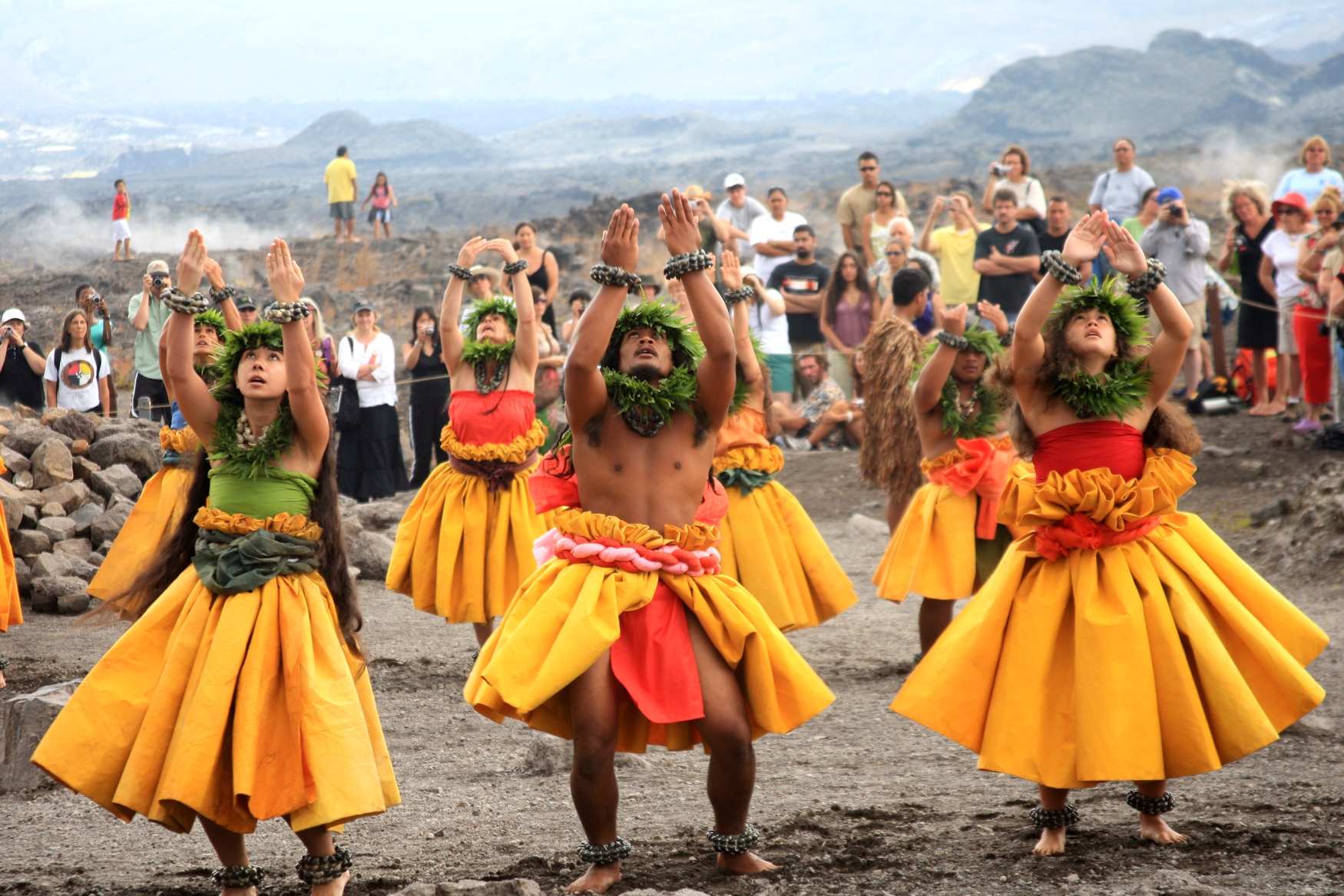
- Cultural Events and Performances: Traditional hula performances often incorporate Hawaiian chants and songs. Festivals and cultural gatherings are important venues for experiencing the language in its living context.
- Signage and Public Announcements: In many areas, especially those with a strong Native Hawaiian presence, you will see signs and public announcements in both English and ʻŌlelo Hawaiʻi.
- Local Businesses and Products: Some local businesses have embraced ʻŌlelo Hawaiʻi in their branding and marketing, celebrating their Hawaiian roots.
For travelers seeking an authentic Hawaiian experience, making an effort to learn a few basic Hawaiian phrases can be incredibly rewarding. It shows respect for the local culture and can open doors to more meaningful interactions. Even a simple “Aloha” and “Mahalo” will be appreciated.
Beyond the Basics: Exploring Deeper Connections
The Hawaiian language is more than just a communication tool; it’s a gateway to understanding the Hawaiian worldview, its connection to the land (ʻāina), and its spiritual beliefs. As you explore Hawaii, whether you’re staying at a luxurious resort like the Halekulani or a charming boutique hotel, taking the time to acknowledge and engage with ʻŌlelo Hawaiʻi enriches your travel experience immeasurably.
The Spirit of Aloha and the Language
The concept of aloha is central to Hawaiian culture, and its embodiment is deeply intertwined with the Hawaiian language. Aloha is not merely a greeting; it’s a way of life, a philosophy of mutual regard, respect, and love. The word itself can mean love, affection, peace, compassion, and mercy. Its deep significance is felt in the way Hawaiians interact with each other and with visitors.
When you hear aloha spoken, it carries a weight of tradition and a genuine warmth that is palpable. The language provides the precise nuances that define these cultural concepts, making it an indispensable element of Hawaiian identity. Learning about the ʻōlelo Hawaiʻi offers a chance to connect with this spirit on a deeper level, moving beyond superficial encounters with the islands.
Preserving the Future of ʻŌlelo Hawaiʻi
The ongoing efforts to preserve and promote ʻŌlelo Hawaiʻi are a continuous journey. Challenges remain, including ensuring sufficient resources for language programs, encouraging intergenerational transmission, and adapting the language for use in new technologies and media. However, the passion and dedication of the Hawaiian community are undeniable.
For travelers, supporting businesses that actively promote ʻŌlelo Hawaiʻi and participating in cultural experiences that highlight the language are ways to contribute to its vitality. Visiting cultural centers, attending hula performances that utilize Hawaiian, and engaging with Native Hawaiian artisans and storytellers can all provide valuable insights into the living language.
When you plan your trip to Hawaii, whether you’re envisioning a relaxing stay at a beachfront villa in Maui or an adventurous exploration of the Na Pali Coast on Kauaʻi, remember that the Hawaiian language is an integral part of the magic. It’s a powerful reminder of the deep history and enduring culture that make these islands so extraordinary. So, the next time someone asks, “What is the language in Hawaii called?” you can confidently answer: ʻŌlelo Hawaiʻi, a language that continues to sing its way into the future.
LifeOutOfTheBox is a participant in the Amazon Services LLC Associates Program, an affiliate advertising program designed to provide a means for sites to earn advertising fees by advertising and linking to Amazon.com. Amazon, the Amazon logo, AmazonSupply, and the AmazonSupply logo are trademarks of Amazon.com, Inc. or its affiliates. As an Amazon Associate we earn affiliate commissions from qualifying purchases.