
For many, the allure of California extends beyond its sun-drenched beaches and iconic landmarks. It’s a state that pulsates with opportunity, particularly for those in the healthcare sector. Among the most sought-after and rewarding professions are Nurse Practitioners (NPs). But as with any career, a crucial question for aspiring and established NPs alike is: “How much can I expect to earn in the Golden State?” This article delves into the financial landscape of NP salaries in California, exploring the factors that influence earning potential and what you can realistically expect.
The demand for skilled and compassionate healthcare providers is consistently high across the United States, and California is no exception. With a large and diverse population, a booming economy, and a complex healthcare system, NPs play a vital role in delivering primary and specialized care. This high demand, coupled with the specialized skills and advanced education required of NPs, often translates into competitive compensation packages. However, a single, definitive salary figure for NPs in California would be an oversimplification. The reality is that earnings can vary significantly based on a multitude of factors, from geographical location within the state to the specific practice setting and years of experience.
Understanding these variables is key to navigating your career path and salary expectations in California. Whether you’re drawn to the bustling medical centers of Los Angeles or the innovation hubs of the Bay Area, or perhaps the more serene coastal towns, your earning potential will be shaped by your choices. This exploration will provide a comprehensive overview, helping you make informed decisions about your professional journey as a Nurse Practitioner in California.
Understanding the Factors Influencing NP Salaries in California
The financial remuneration for Nurse Practitioners in California is not a static number. Instead, it’s a dynamic figure influenced by a confluence of interconnected elements. To truly grasp how much an NP makes in California, we must dissect these key determinants.
Geographic Location: The Urban vs. Rural Divide and Coastal Premiums
One of the most significant drivers of NP salaries in California is location. The sheer size and economic diversity of the state create distinct regional salary landscapes.
Major Metropolitan Areas: High Cost of Living, High Demand, High Salaries
Cities like Los Angeles, San Francisco, San Diego, and the surrounding metropolitan areas consistently offer the highest NP salaries. This is driven by a combination of factors. Firstly, the cost of living in these urban centers is notoriously high. To attract and retain talent in such expensive regions, employers must offer higher compensation. Secondly, these areas are often home to major medical institutions, hospitals, and large healthcare networks, which tend to have more resources and a greater capacity to pay competitive salaries. The concentration of specialized healthcare facilities and research centers in places like Stanford or UCLA Medical Center further fuels the demand for highly skilled NPs.
- Los Angeles County: As the most populous county in the United States, Los Angeles presents a vast market for healthcare services. NPs working in the sprawling urban and suburban areas here can command strong salaries, particularly those in specialized fields or working for large hospital systems like Kaiser Permanente or Cedars-Sinai Medical Center.
- Bay Area (San Francisco, Oakland, San Jose): The Bay Area is renowned for its thriving tech industry and a similarly high cost of living. This translates into very competitive salaries for NPs, especially in metropolitan hubs like San Francisco and San Jose. The proximity to world-class medical research and academic institutions like UCSF and Stanford Medicine also contributes to a robust job market with attractive compensation.
- San Diego: Another major metropolitan area, San Diego, offers excellent opportunities for NPs, with salaries that reflect the city’s economic strength and desirable lifestyle. Healthcare systems like Scripps Health and Rady Children’s Hospital are significant employers.
Suburban and Mid-Sized Cities: A Balance of Opportunity and Affordability
While the major metropolises offer the peak of earning potential, suburban areas surrounding these cities and mid-sized cities across California can also provide very competitive salaries. These locations may offer a slightly lower cost of living compared to downtown cores while still benefiting from proximity to major healthcare networks and a steady demand for NP services. Cities like Sacramento, Fresno, or Bakersfield might offer a different lifestyle but still present substantial earning opportunities.
Rural and Underserved Areas: Incentives for Service
Conversely, NP salaries tend to be lower in more rural or geographically isolated parts of California. However, these areas often face significant healthcare shortages. To address this, employers in rural communities may offer incentives such as loan repayment programs, housing assistance, or higher base salaries than might be initially apparent, especially for NPs willing to serve underserved populations. The National Health Service Corps also plays a role in providing incentives for healthcare professionals to work in these areas.
Practice Setting: Hospitals, Clinics, Private Practices, and Beyond
The environment in which an NP practices significantly influences their salary. Different settings have varying revenue models, patient volumes, and overhead costs, all of which impact compensation.
Hospitals and Health Systems: The Backbone of High Salaries
Working within large hospital systems or acute care facilities generally leads to higher salaries. Hospitals often deal with more complex cases, require NPs with specialized skills for various departments (e.g., ICU, Emergency Department, Oncology), and have the financial capacity to offer substantial compensation packages. The presence of teaching hospitals and advanced medical centers, such as Cedars-Sinai Medical Center in Los Angeles or UCSF Medical Center in San Francisco, are prime examples of settings where NPs can expect top-tier salaries.
Outpatient Clinics and Physician Practices: Steady and Growing Opportunities
Outpatient clinics, including primary care practices and specialized medical offices, represent a significant portion of NP employment. Salaries in these settings can be competitive, though they might be slightly lower on average than in large hospital systems, depending on the practice’s size and patient volume. The rise of urgent care centers and specialized outpatient facilities also contributes to a robust market for NPs.
Community Health Centers and Public Health: Mission-Driven Roles
NPs working in community health centers or public health departments often choose these roles for their mission-driven nature. While salaries might not always reach the peak levels seen in private hospitals, they are often competitive and supplemented by the inherent rewards of serving vulnerable populations and contributing to public health initiatives. These settings can also offer excellent benefits and a stable work environment.
Other Settings: Research, Education, and Telehealth
Beyond traditional clinical roles, NPs can also find lucrative opportunities in academic settings, conducting research, or in the rapidly expanding field of telehealth. NPs involved in medical research, particularly within major universities or pharmaceutical companies, may command high salaries due to their specialized knowledge. Similarly, telehealth NPs, leveraging technology to provide care remotely, are seeing growing demand and compensation.
Years of Experience and Specialization: The Value of Expertise
As with most professions, experience is a key determinant of an NP’s earning potential. Entry-level NPs will naturally earn less than seasoned professionals with a proven track record.
Entry-Level vs. Experienced NPs: The Steep Learning Curve and Reward
An NP fresh out of their graduate program will typically start at the lower end of the salary spectrum. This is expected as they gain practical experience, refine their clinical skills, and build confidence in their practice. As an NP accrues years of experience, their value to employers increases. They become more efficient, can handle a wider range of cases, and often take on more complex responsibilities, leading to commensurate salary increases. A seasoned NP with a decade or more of experience in California can expect to earn significantly more than a new graduate.
Specialization and Advanced Certifications: Niche Skills Command Higher Pay

The field of nursing is increasingly specialized, and this trend is highly reflected in NP compensation. NPs who pursue advanced certifications and specialize in high-demand areas often command higher salaries.
- Family Nurse Practitioner (FNP): This is a very common specialization, and FNPs are in high demand across various settings, from primary care to family practice clinics.
- Adult-Gerontology Nurse Practitioner (AGNP): With an aging population, AGNPs are crucial, particularly in settings focused on elder care, chronic disease management, and specialized geriatric units within hospitals.
- Pediatric Nurse Practitioner (PNP): Serving the healthcare needs of children, PNPs are essential in pediatric clinics, hospitals, and specialized children’s medical centers like Rady Children’s Hospital in San Diego.
- Psychiatric Mental Health Nurse Practitioner (PMHNP): The growing awareness and demand for mental health services have made PMHNPs highly sought after. Their expertise in diagnosing and treating mental health conditions is invaluable.
- Acute Care Nurse Practitioner (ACNP): These NPs are vital in critical care settings, emergency departments, and intensive care units within hospitals, often dealing with complex, unstable patients.
- Oncology Nurse Practitioner: Specializing in cancer care, these NPs work in oncology clinics and hospital units, providing comprehensive care to cancer patients.
The more specialized the area, and the higher the demand for those specific skills, the greater the earning potential. Obtaining board certifications in these specializations often leads to higher pay scales.
Average NP Salaries and Salary Ranges in California
Pinpointing an exact average salary for Nurse Practitioners in California is challenging due to the wide range of influencing factors. However, reputable salary data aggregators provide valuable insights into the typical earning potential.
National Averages vs. California’s Premium
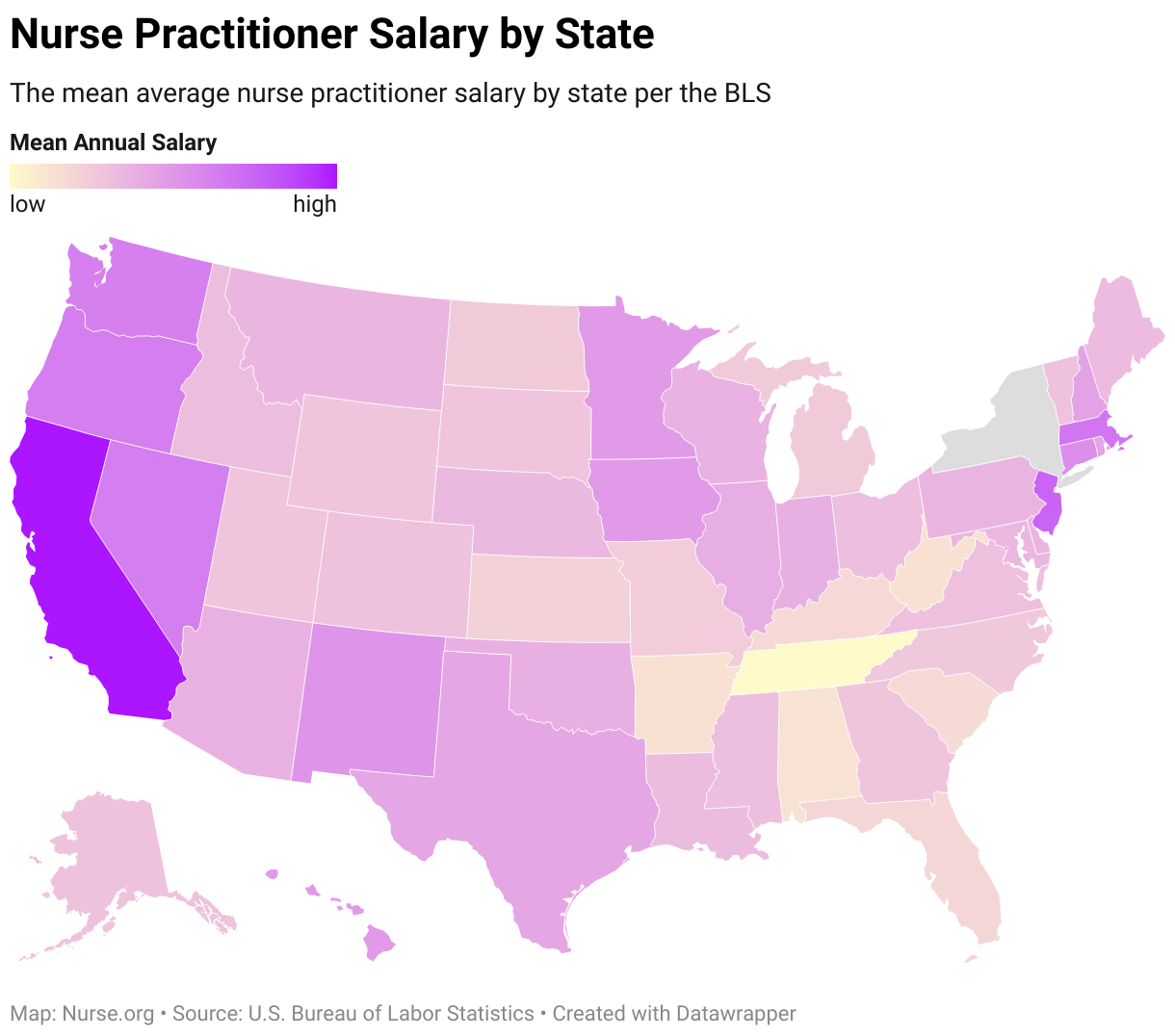
It’s important to note that California generally offers higher NP salaries compared to the national average. This is a direct consequence of the state’s high cost of living, strong economy, and robust demand for healthcare professionals. While national salary surveys might report a certain average, NPs in California can often expect to earn above that figure.
Median and Average Salary Figures
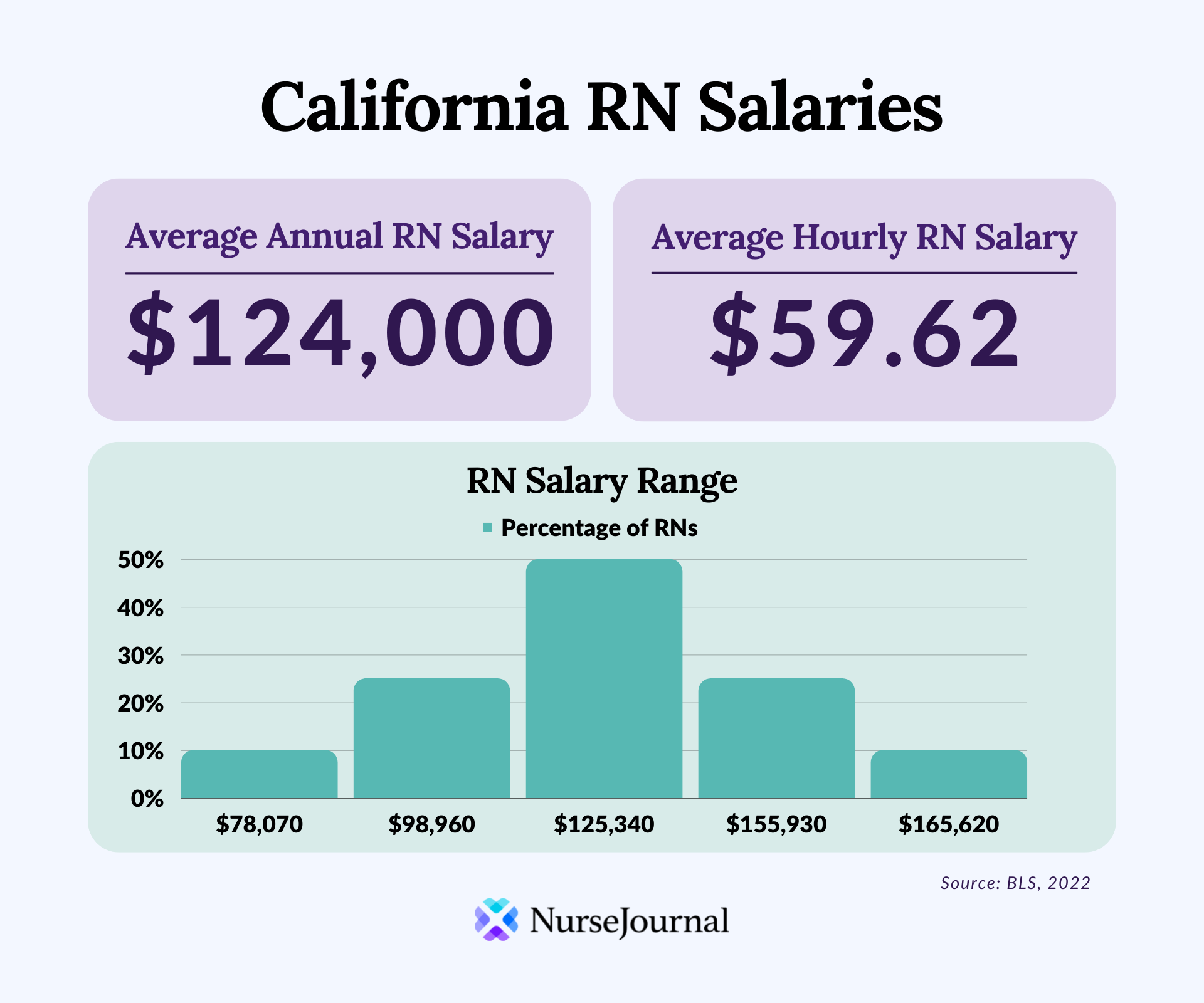
Based on data from various sources, the median annual salary for Nurse Practitioners in California typically falls within the range of $120,000 to $150,000. However, this is just a midpoint.
- Entry-Level Salaries: New NP graduates in California might start in the range of $100,000 to $120,000 annually. This can vary significantly by location and employer.
- Mid-Career Salaries: NPs with 5-10 years of experience, especially those with specialized certifications, can expect to earn in the range of $130,000 to $160,000.
- Experienced and Specialized NPs: Those with extensive experience (10+ years), advanced certifications, and working in high-demand specialties or lucrative locations can see salaries exceeding $160,000 to $180,000, and in some cases, even higher for executive or highly specialized roles.
Breakdown by City and Region
Salary disparities are evident even within California:
- San Francisco Bay Area: This region consistently reports the highest salaries, often with averages pushing $150,000 to $170,000+. Some sources indicate top earners in this area can approach or even surpass $200,000.
- Los Angeles Metropolitan Area: Salaries here are also very competitive, with averages frequently in the $130,000 to $160,000 range.
- San Diego: Similar to Los Angeles, San Diego offers strong compensation, with averages often aligning in the $130,000 to $155,000 range.
- Other Regions: Areas outside the major coastal hubs, while potentially offering lower averages, still provide substantial earnings. For example, NPs in cities like Sacramento or parts of the Central Valley might earn in the $115,000 to $140,000 range, which can offer a better purchasing power due to a lower cost of living.
It’s crucial to consult up-to-date salary data from reliable sources that break down compensation by specific cities and experience levels for the most accurate picture.
Beyond Salary: Total Compensation and Career Growth
While salary is a primary concern, it’s only one piece of the compensation puzzle. A comprehensive understanding of an NP’s earning potential in California must also include benefits, bonuses, and opportunities for career advancement.
Benefits Packages: The Hidden Value
Beyond the base salary, comprehensive benefits packages are a standard offering for NPs in California, significantly adding to their overall compensation. These can include:
- Health Insurance: Robust health, dental, and vision insurance plans are almost always provided, often with generous employer contributions.
- Retirement Plans: Many employers offer 401(k) or 403(b) retirement plans with employer matching, a crucial component for long-term financial security.
- Paid Time Off (PTO): Generous PTO, including vacation days, sick leave, and holidays, is common.
- Continuing Education (CE) Support: Employers often provide stipends or fully cover the costs of continuing education, certifications, and conferences, which are essential for NPs to maintain their licensure and advance their careers.
- Life and Disability Insurance: Employer-provided life insurance and long-term disability insurance offer additional financial protection.
- Malpractice Insurance: This is typically covered by the employer, protecting the NP in their professional practice.
Bonuses and Incentives: Rewarding Performance and Loyalty
Performance bonuses, sign-on bonuses, and retention bonuses are increasingly common, particularly for NPs in high-demand specialties or underserved areas.
- Sign-On Bonuses: These are often offered to attract new hires, especially those with sought-after experience, and can range from a few thousand dollars to tens of thousands.
- Performance Bonuses: Some employers offer bonuses tied to individual or team performance metrics, patient satisfaction scores, or quality of care.
- Retention Bonuses: To encourage long-term commitment, some facilities offer bonuses after a certain period of employment.
Career Advancement and Earning Potential Growth
California offers abundant opportunities for NPs to grow their careers and, consequently, their earning potential.
Transitioning to Specialized Roles or Leadership
NPs can advance by specializing further within their chosen field or by moving into leadership or administrative roles. For example, an NP might transition from a general primary care role to a specialized cardiology NP position within a hospital system like UCLA Medical Center, often leading to a salary increase. Alternatively, an experienced NP might become a Clinical Nurse Manager, a Director of Nursing, or even pursue roles in healthcare administration, which typically come with higher compensation and greater responsibilities.
Pursuing Advanced Degrees and Further Education
While NPs already hold advanced degrees (Master’s or Doctorate), further education can open doors to even higher-paying positions. Pursuing a DNP (Doctor of Nursing Practice) can qualify NPs for roles in research, advanced leadership, or specialized clinical roles that command higher salaries. Teaching positions at nursing schools, particularly at universities in the Bay Area or Southern California, also offer competitive salaries and the satisfaction of shaping the next generation of nurses.
Entrepreneurship and Private Practice
For highly experienced and motivated NPs, establishing their own private practice or becoming partners in an existing one can offer the greatest earning potential. This path requires significant entrepreneurial skills, business acumen, and an understanding of navigating healthcare regulations, but it can lead to substantial financial rewards and professional autonomy.
In conclusion, the question of “How much does an NP make in California?” elicits a nuanced answer. While the figures are certainly attractive and often exceed national averages, actual earnings are a complex interplay of location, specialty, experience, and the overall compensation package. By understanding these factors and strategically planning their career paths, Nurse Practitioners in California can achieve not only a rewarding professional life but also significant financial success.
LifeOutOfTheBox is a participant in the Amazon Services LLC Associates Program, an affiliate advertising program designed to provide a means for sites to earn advertising fees by advertising and linking to Amazon.com. Amazon, the Amazon logo, AmazonSupply, and the AmazonSupply logo are trademarks of Amazon.com, Inc. or its affiliates. As an Amazon Associate we earn affiliate commissions from qualifying purchases.