
The world of travel booking has evolved dramatically, offering travelers more flexibility and options than ever before. For many, the question arises: “Can I use my debit card to book a hotel?” The answer, thankfully, is a resounding yes, with a few important considerations to keep in mind. While credit cards have long been the go-to for securing accommodations due to their built-in protections and the ability to handle holds, debit cards are increasingly accepted by hotels and online travel agencies (OTAs) alike. This guide will delve into the nuances of booking hotels with a debit card, covering everything from the initial reservation to check-in and potential issues, all within the context of planning your next adventure.
The Simplicity and Nuances of Debit Card Hotel Bookings
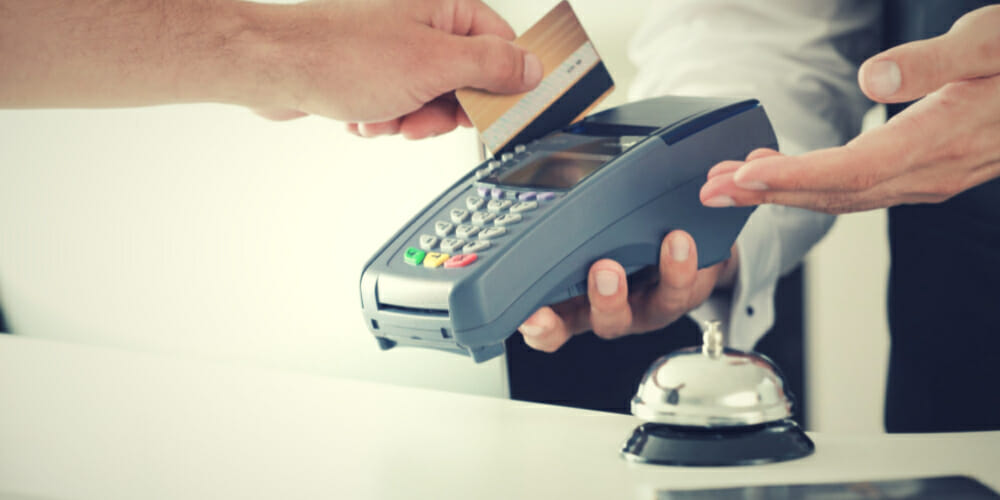
In today’s digital age, securing a room at your desired destination, whether it’s the bustling streets of Tokyo or the serene beaches of the Maldives, is often just a few clicks away. When it comes to payment, the ubiquitous debit card has cemented its place as a viable option. However, unlike credit cards, which typically place a temporary “hold” on funds that doesn’t immediately impact your available cash, debit card transactions directly draw from your bank account. This fundamental difference necessitates a slightly different approach when booking hotels.
How Hotels Use Debit Cards for Reservations
When you book a hotel, particularly one like the Ritz-Carlton or a charming boutique inn in Paris, the hotel needs to ensure you are a legitimate guest and that payment will be made. This is where the concept of a “hold” comes into play, and this is where debit cards can present a unique situation.
- Authorization Holds: Most hotels, regardless of whether you use a debit or credit card, will place an authorization hold on your card for the full amount of your stay, plus an additional amount to cover potential incidentals like mini-bar charges, room service, or damages.
- Debit Card Specifics: When a hold is placed on a debit card, the funds are immediately deducted from your checking account. This means that the amount placed on hold is no longer available for you to spend on other expenses. For instance, if your room costs $200 per night and the hotel places a hold for $600 plus $100 for incidentals, a total of $700 will be frozen in your account. This can be a significant chunk of your available funds, especially for longer stays or if you have a limited balance.
- Processing Time: The time it takes for this hold to be released can vary. Typically, it takes 24-72 hours after you check out for the funds to be returned to your account. However, some banks or card issuers might take longer, potentially up to a week or even more in some cases. It’s crucial to factor this into your budget and ensure you have enough accessible funds during your trip.
- Direct Payment at Check-in/Check-out: Some establishments, especially smaller, independent hotels or those focused on budget travel, might allow you to pay the full amount directly at check-in or check-out with your debit card, rather than placing a large hold. This is less common for larger chains or resorts like Walt Disney World Resort, which are more accustomed to pre-authorization procedures. Always clarify the hotel’s policy beforehand.
- Online Travel Agencies (OTAs): Websites like Booking.com or Expedia often act as intermediaries. When you book through an OTA with a debit card, the OTA usually processes the payment immediately. However, the hotel itself might still require a physical card at check-in for incidentals, and they might again place an authorization hold at that time. It’s essential to read the fine print of your booking confirmation, as policies can differ between OTAs and individual hotels.
Benefits of Using a Debit Card
While the hold aspect requires careful management, using a debit card for hotel bookings offers its own set of advantages, particularly for budget-conscious travelers or those looking to stick to a strict spending plan.
- Budget Control: The most significant benefit is the direct impact on your available funds. When you book with a debit card, you are essentially spending money you already have. This can prevent overspending and help you stay within your travel budget, whether you are exploring the ancient wonders of Machu Picchu or enjoying a city break in Rome.
- No Interest Charges: Unlike credit cards, debit cards do not accrue interest. You are not borrowing money, so there’s no risk of accumulating debt and paying interest charges on your accommodation.
- Widespread Acceptance: Debit cards, especially those linked to major networks like Visa and Mastercard, are widely accepted by hotels globally. You’ll find that most establishments that accept credit cards will also accept debit cards.
- Convenience: For many, a debit card is their primary payment method. It eliminates the need to carry large amounts of cash or manage multiple credit cards.
Navigating Potential Challenges and Best Practices
While booking a hotel with a debit card is generally straightforward, being aware of potential pitfalls can save you from unexpected financial strains or inconveniences.
Understanding and Mitigating Debit Card Holds
The primary challenge with using a debit card for hotel reservations is the impact of authorization holds on your available balance. Proactive planning is key to avoiding issues.

- Check Your Available Balance: Before making a reservation, ensure you have sufficient funds in your checking account to cover the authorization hold, which will include the room rate and the incidental charges. If the hold exceeds your available balance, your transaction could be declined, or you might incur overdraft fees from your bank.
- Contact the Hotel: If you have concerns about the hold amount or the duration of the hold, contact the hotel directly before booking. They may offer alternative solutions or clarify their specific policies for debit card users. For instance, some hotels might agree to a smaller incidental hold if you opt out of certain services.
- Use a Dedicated Travel Account: A smart strategy is to set up a separate checking account specifically for travel expenses. You can then transfer funds to this account as needed, ensuring that your primary account remains unaffected by any hotel holds. This is particularly useful if you plan a grand adventure to a place like Australia.
- Be Patient with Fund Release: Understand that it takes time for funds to be released after check-out. Avoid making significant purchases immediately after your trip if a large hold was placed on your debit card.
Alternatives and When to Consider Them
While debit cards are a viable option, there are situations where using a credit card might be a more advantageous choice for booking hotels, especially for luxury accommodations or when seeking added protections.
- Credit Cards for Stronger Protections: Credit cards often come with built-in fraud protection and dispute resolution services. If an issue arises with your booking, such as a hotel overcharging you or not providing the services advertised, a credit card company can often help mediate and reverse charges. This is particularly relevant when booking at a high-end establishment like the Four Seasons Hotel or during a special event like the Mardi Gras festival in New Orleans.
- Building Credit History: Responsible use of a credit card for travel expenses can help build your credit history, which is essential for future financial endeavors like securing loans or mortgages.
- Rewards and Perks: Many credit cards offer travel rewards, such as points, miles, or cashback, which can offset the cost of future trips. Some also provide travel insurance, rental car insurance, or lounge access, adding value to your travel experience.
- Avoiding Large Holds on Your Cash: If you have concerns about large holds significantly impacting your daily spending money, a credit card is a better option as the hold doesn’t directly reduce your immediate cash flow. This is especially true for extended stays at a resort in Hawaii.
The Booking Process: Step-by-Step with a Debit Card
Securing your accommodation using a debit card is a process that mirrors booking with a credit card, with the key difference lying in the direct withdrawal of funds.
Step 1: Research and Select Your Accommodation
The first step in any travel plan is to decide where you want to go and what kind of accommodation suits your needs. Whether you’re looking for a budget-friendly hostel in Berlin, a family-friendly resort in the Poconos, or a luxurious villa in Bali, numerous options are available. Websites like Tripadvisor and the aforementioned Booking.com and Expedia offer extensive lists of hotels, apartments, and other accommodations, complete with reviews and pricing.
Step 2: Initiate the Booking and Enter Payment Details
Once you’ve found your ideal hotel, such as the historic St. Regis New York or a charming bed and breakfast in the Cotswolds, proceed to the booking page. You will be prompted to enter your personal information and your payment details. Here, you will select “Debit Card” as your payment method and provide your card number, expiry date, CVV code, and billing address.
Step 3: Review and Confirm Your Reservation
Before finalizing your booking, carefully review all the details: dates of stay, room type, number of guests, total cost, and any cancellation policies. Pay close attention to the payment section. It is here that the authorization hold policy will be implicitly or explicitly stated, especially concerning how the funds will be processed. Once satisfied, click to confirm your reservation. You will typically receive an email confirmation with all the booking details.
Step 4: Check-in at the Hotel
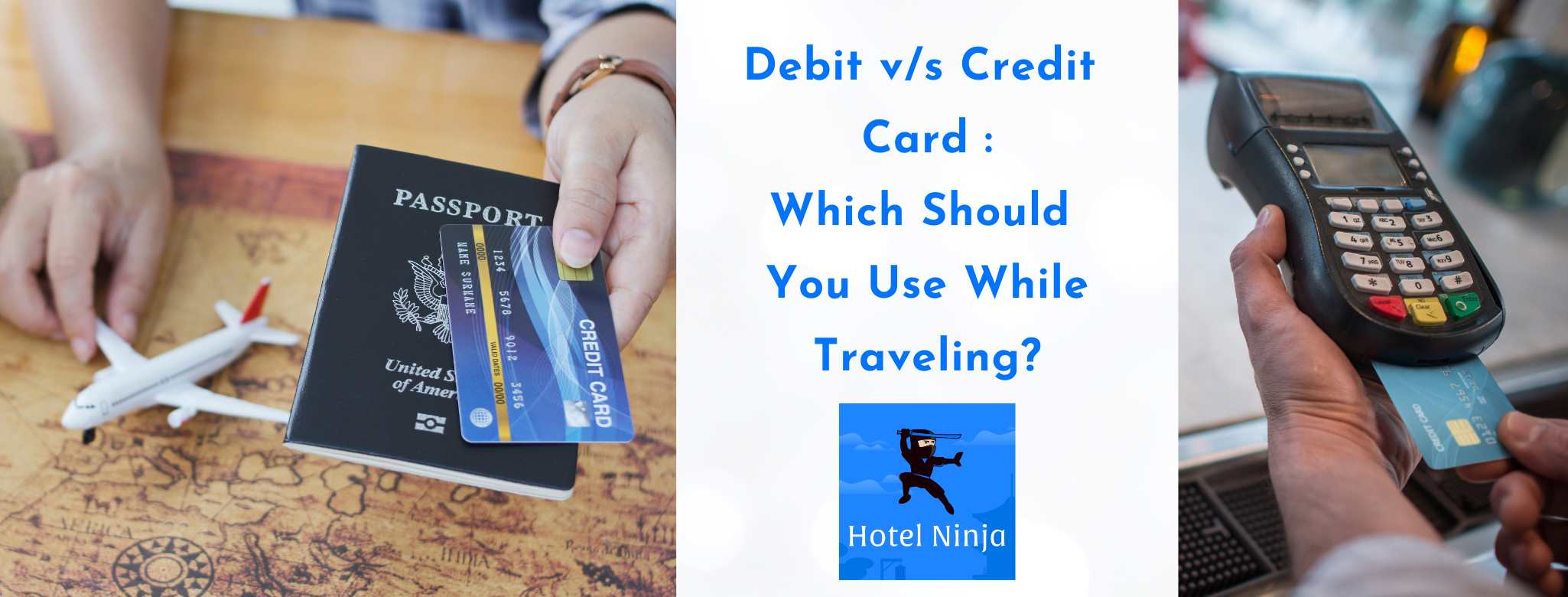
Upon arrival at your hotel, whether it’s a sprawling property like the Bellagio Las Vegas or a quaint guesthouse, you will need to present your debit card for check-in. The hotel will again process an authorization hold for the room charges and incidentals, as mentioned earlier. You may also be asked to provide a form of identification. Ensure you understand the hotel’s policy on incidental holds and how they will be released upon check-out.
By understanding these steps and the implications of using a debit card, you can confidently book your next hotel stay and enjoy your travels without unnecessary financial surprises. Whether you are planning a cultural exploration in Kyoto, a business trip to Singapore, or a relaxing family vacation, a debit card can be a perfectly suitable payment method when used with awareness and preparation.
LifeOutOfTheBox is a participant in the Amazon Services LLC Associates Program, an affiliate advertising program designed to provide a means for sites to earn advertising fees by advertising and linking to Amazon.com. Amazon, the Amazon logo, AmazonSupply, and the AmazonSupply logo are trademarks of Amazon.com, Inc. or its affiliates. As an Amazon Associate we earn affiliate commissions from qualifying purchases.