
Embarking on a journey from the sunshine-drenched beaches of Florida to the golden shores of California is a quintessential American travel experience. Spanning the width of a continent, this transcontinental flight is a popular choice for vacationers, business travelers, and those seeking a change of scenery. While the exact duration can fluctuate, understanding the key factors influencing flight times is crucial for planning your adventure. This comprehensive guide delves into the nuances of Florida to California flights, offering insights into typical travel durations, the impact of departure and arrival airports, and how to make the most of your journey.
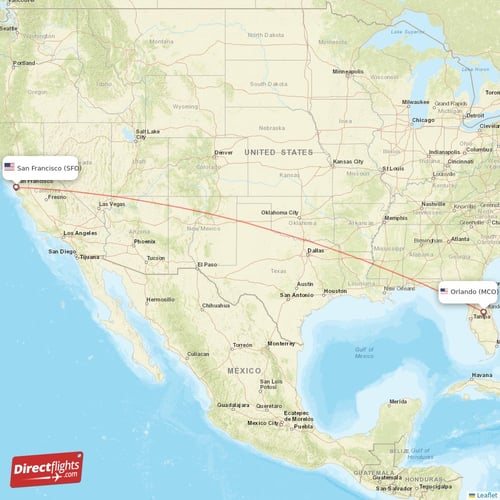
The vastness of the United States presents a significant distance between these two popular states, a distance that translates directly into flight duration. Generally, a direct flight from Florida to California can range from approximately 5 to 6.5 hours. This estimate, however, is a broad stroke and can be influenced by a multitude of variables. When considering your travel plans, it’s essential to look beyond the advertised flight time and consider the entire travel experience, from your initial departure gate to your final destination’s baggage claim.
Understanding Flight Time Variables
Several elements contribute to the overall length of a flight between Florida and California. While the mileage between the two states remains constant, the speed and efficiency of air travel are subject to dynamic conditions.
Direct vs. Connecting Flights
The most significant factor determining flight duration is whether you opt for a direct flight or one with a layover.
Direct Flights
Direct flights, as the name suggests, offer the most efficient route. You board in Florida, and without any stops, you disembark in California. These flights are typically the shortest, with the 5 to 6.5-hour window being the most common. Airlines strive to maintain schedules for these routes, making them ideal for travelers prioritizing speed and convenience. Examples of major airports served by direct flights include Orlando International Airport to Los Angeles International Airport or Miami International Airport to San Francisco International Airport.
Connecting Flights
Flights with one or more layovers will invariably take longer. The total travel time for connecting flights includes not only the airborne hours but also the time spent on the ground at the connecting airport. This can add anywhere from 2 to 5 hours, or even more, to your journey, depending on the layover duration and the efficiency of the connecting airport. While connecting flights can sometimes be cheaper, the trade-off is a significantly longer travel day. For instance, a flight from Tampa International Airport to San Diego International Airport with a layover in a Chicago hub could easily push the total travel time to 8-10 hours.
Departure and Arrival Airports
The specific airports of departure in Florida and arrival in California play a substantial role in flight times. Florida boasts numerous major airports, including Miami International Airport, Orlando International Airport, Fort Lauderdale-Hollywood International Airport, Tampa International Airport, and Jacksonville International Airport. Similarly, California has a wide array of international and domestic airports, such as Los Angeles International Airport, San Francisco International Airport, San Diego International Airport, Oakland International Airport, and Sacramento International Airport.
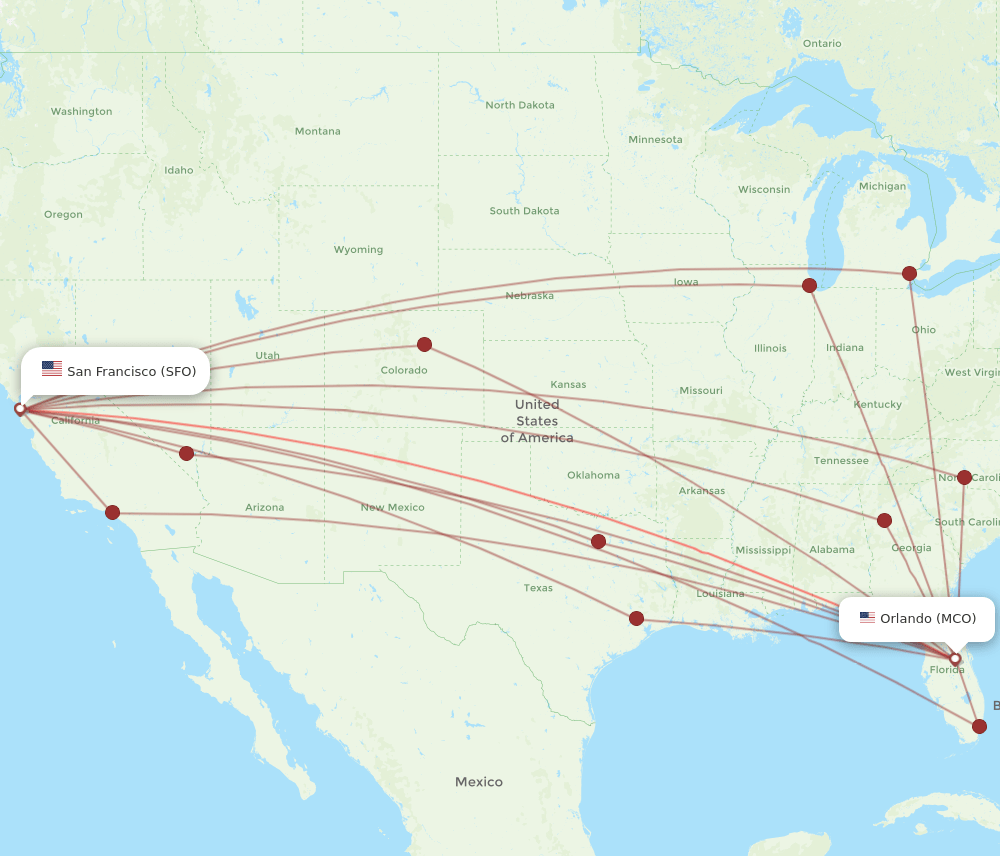
Flights from South Florida (like Miami or Fort Lauderdale) to Southern California (like Los Angeles or San Diego) tend to be slightly shorter than those from North Florida (like Jacksonville) to Northern California (like San Francisco). This is due to the north-south positioning of the states. For example, a direct flight from Orlando to San Diego might be around 5.5 hours, while a flight from Jacksonville to San Francisco could lean closer to 6 hours, assuming similar aircraft speeds and flight paths.
Airline and Aircraft Type
Different airlines may operate their routes with varying flight paths and speeds, subtly affecting duration. While most commercial airliners fly at comparable cruising speeds, the specific aircraft model and its fuel efficiency can also play a minor role. Some airlines might prioritize faster routes, while others might choose slightly more economical paths.
Weather Conditions and Air Traffic Control
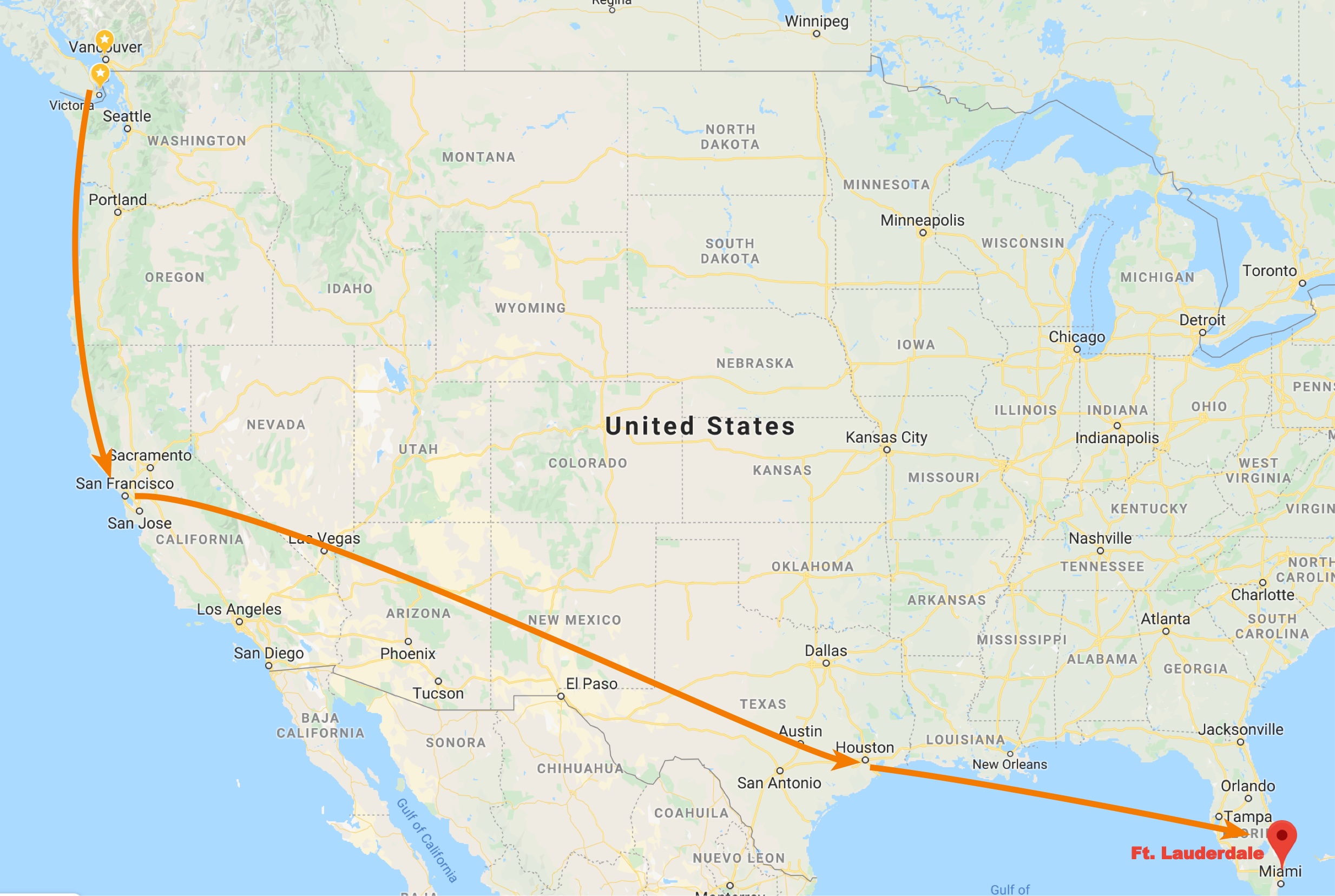
Unforeseen weather phenomena, such as headwinds or storms, can impact flight times. Headwinds, blowing against the direction of the aircraft, will slow it down, extending the flight duration. Conversely, tailwinds can help shorten travel time. Air traffic control (ATC) also plays a critical role. Congestion in the airspace around busy airports, especially during peak travel times, can lead to holding patterns or slower approach speeds, adding to the overall time spent in the air or waiting to land.
Planning Your Florida to California Journey
With an understanding of the factors influencing flight times, you can better plan your trip to maximize your enjoyment and minimize potential travel frustrations.
Choosing Your Airports Strategically
When booking your flights, consider the proximity of the airports to your desired accommodations or attractions. For example, if your primary goal is to visit Disneyland in Anaheim, flying into Los Angeles International Airport or John Wayne Airport might be more convenient than San Francisco International Airport. Similarly, if you’re heading to the theme parks in Orlando, starting your journey from a Florida airport closer to Orlando makes sense.
Maximizing Your In-Flight Experience
The flight itself, while not a destination, offers opportunities to enhance your overall travel experience. Consider packing essentials that will make your 5-6.5 hours more comfortable and productive.
- Entertainment: Load your devices with movies, TV shows, podcasts, or audiobooks. Many airlines offer in-flight entertainment systems, but having your own ensures you have access to your preferred content.
- Comfort: Bring a neck pillow, a comfortable blanket, and noise-canceling headphones to create a more relaxing environment. Compression socks can also be beneficial for long flights to improve circulation.
- Snacks and Drinks: While airlines provide refreshments, carrying your own favorite snacks can be a good idea, especially if you have dietary preferences or restrictions. Staying hydrated is also key, so bring an empty reusable water bottle to fill after security.
- Work or Relaxation: Depending on your travel purpose, use the flight time to catch up on work, read a book, or simply relax and enjoy the aerial views.
Post-Flight Considerations
Upon landing in California, the journey continues. Factor in time for deplaning, collecting your luggage, and your transportation to your accommodation. If you’re renting a car, the rental process can add another 30-60 minutes. If you’re using ride-sharing services or public transport, this time can vary significantly based on traffic and availability.
Exploring the Destinations: Florida vs. California
The allure of both Florida and California makes this transcontinental trip a popular choice for a reason.
Florida: The Sunshine State
Florida is renowned for its stunning beaches, world-class theme parks, vibrant nightlife, and diverse natural landscapes. From the bustling metropolises of Miami and Orlando to the tranquil beauty of the Everglades and the historic charm of St. Augustine, Florida offers an array of experiences for every traveler. Whether you’re seeking family fun at Walt Disney World Resort, relaxing on the white sands of Siesta Key Beach, or exploring the unique ecosystem of the Florida Keys, the Sunshine State never disappoints.
California: The Golden State
California, the most populous state in the United States, offers an unparalleled diversity of attractions and landscapes. From the iconic entertainment industry of Los Angeles with its legendary Hollywood Walk of Fame and the magic of Universal Studios Hollywood, to the cultural hub of San Francisco with the majestic Golden Gate Bridge and the historic Alcatraz Island, California is a destination that truly has it all. Explore the natural wonders of Yosemite National Park, drive the scenic Pacific Coast Highway, or indulge in the culinary delights of Napa Valley. The state also boasts beautiful beaches, charming coastal towns, and a vibrant arts and culture scene.
In conclusion, the answer to “How Long Is A Flight From Florida To California?” is not a simple number but a range influenced by multiple factors. A direct flight typically takes between 5 and 6.5 hours, but connecting flights and airport choices can significantly alter this duration. By understanding these variables and planning accordingly, travelers can ensure a smooth and enjoyable journey between these two magnificent states, ready to explore all that Florida and California have to offer.
LifeOutOfTheBox is a participant in the Amazon Services LLC Associates Program, an affiliate advertising program designed to provide a means for sites to earn advertising fees by advertising and linking to Amazon.com. Amazon, the Amazon logo, AmazonSupply, and the AmazonSupply logo are trademarks of Amazon.com, Inc. or its affiliates. As an Amazon Associate we earn affiliate commissions from qualifying purchases.