
The allure of gold has captivated humanity for millennia, a shimmering symbol of wealth, power, and adventure. For centuries, stories of fortunes found and lost have echoed across continents, igniting dreams of discovery. Among the most legendary tales of gold is that of the California Gold Rush, an event that irrevocably shaped the destiny of the Golden State and drew fortune-seekers from every corner of the globe. But before the ravenous crowds descended, before the boomtowns sprang up like mushrooms after a spring rain, there was a specific moment and a particular place where the first glint of gold was unearthed, igniting this monumental historical epoch. The answer to “Where was gold first found in California?” lies not in some mythical, undiscovered land, but in a humble millrace, near a flowing river, by a determined individual.

The initial discovery that would set in motion the California Gold Rush was made by James W. Marshall on January 24, 1848. He was working for John Sutter, a Swiss immigrant who owned a vast land grant. Sutter was in the process of building a sawmill on the American River, near Coloma, about 70 miles northeast of Sacramento. The mill, named Sutter’s Mill, was intended to process lumber for Sutter‘s burgeoning agricultural and commercial empire.
The Spark of Discovery: Sutter’s Mill and James W. Marshall
The circumstances surrounding the discovery were, in hindsight, remarkably ordinary. Marshall, a skilled carpenter, was inspecting the millrace, a channel that diverted water to power the mill’s wheel. He was looking for any damage or debris that might impede the water flow. It was during this routine inspection, as he scoured the streambed, that his eyes caught sight of something unusual. Small, yellow flakes, catching the sunlight, lay among the gravel and sand.
At first, Marshall was uncertain of what he had found. He picked up a piece and held it to the light. It was malleable, meaning it could be hammered or pressed out of shape without breaking or crumbling. This characteristic, along with its distinct yellow color and density, strongly suggested it was gold. He then performed the “bite test,” a common, though not entirely reliable, method for identifying gold. If gold is real, it is soft and will leave an impression of the teeth. Marshall bit down on the flake, and indeed, it yielded. He then tested its specific gravity by submerging it in water, noting how it sank quickly, a further indication of its metallic nature.
Excited by his find, Marshall collected more of the flakes and showed them to the other workers at the mill. They conducted further tests, including heating the material, which didn’t cause it to tarnish or burn, another sign of pure gold. The small group of men, aware of the potential significance of their discovery, swore themselves to secrecy, understanding that the news, if it got out prematurely, could cause chaos. They continued to search the American River bed, and within days, they had collected a significant amount of gold dust and nuggets.
The Unfolding of the News and its Immediate Impact
Despite the initial attempts at secrecy, the news of the gold discovery proved too monumental to contain. Marshall shared his findings with John Sutter, who, while initially hesitant, soon recognized the immense implications. Sutter‘s own plans for development might have been disrupted, but he also saw the potential for unparalleled wealth. He understood that if gold was present in this location, it was likely to be found in other parts of the Sierra Nevada foothills.
The official confirmation of the discovery came from Marshal and Sutter to Monterey, which was then the capital of California, still under Mexican rule. Governor Luís G. Arroyo was informed, but the response was somewhat subdued, perhaps due to the political turmoil of the time, with California soon to be ceded to the United States after the Mexican-American War.
However, the whispers of gold could not be silenced for long. A San Francisco newspaper editor, Howard Marryatt, received confirmation from Sutter himself and published an article on March 15, 1848, announcing the discovery. This public announcement was the true catalyst, igniting the flames of the Gold Rush. The initial reaction in San Francisco was disbelief, but as more credible reports and samples of gold began to arrive, the skepticism rapidly turned into feverish excitement.
The California Gold Rush: From Local Discovery to Global Phenomenon
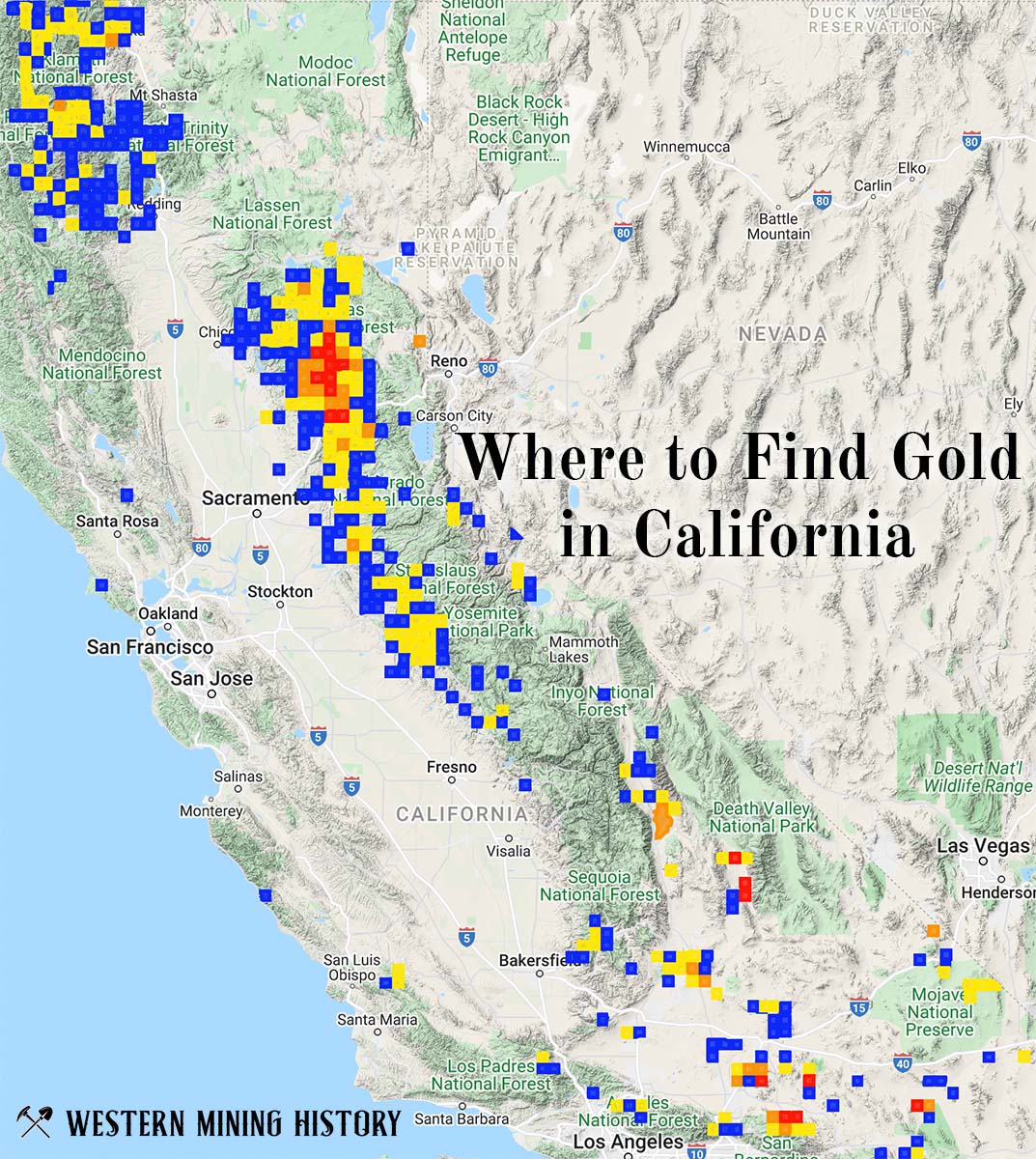
The impact of Marshall‘s discovery at Sutter’s Mill was nothing short of revolutionary. The year 1848 was a watershed moment. The Treaty of Guadalupe Hidalgo, signed in February 1848, officially transferred California from Mexico to the United States. This political shift coincided with the dawning of the Gold Rush, creating a unique confluence of events that would forever alter the demographic, economic, and cultural landscape of California.
Initially, the rush was primarily comprised of Californios (native-born Mexicans) and Californians (settlers who had arrived before the rush), along with American soldiers and sailors. However, as the news spread across the continent and then internationally, the trickle of prospectors turned into a torrent. By 1849, the term “forty-niners” became synonymous with the gold-seekers, and the population of California exploded. People from all walks of life – farmers, laborers, merchants, lawyers, and even criminals – abandoned their homes and livelihoods in search of their own golden fortune.
The journey to California was arduous and often perilous. Many traveled by sea, rounding the southern tip of South America or crossing the Isthmus of Panama, facing disease, shipwrecks, and rough seas. Others braved the overland trails, such as the California Trail, enduring vast deserts, treacherous mountains, and the constant threat of hunger, thirst, and conflict. Despite the hardships, the dream of striking it rich fueled their determination.
Life in the Goldfields: Boomtowns and Beyond
The discovery of gold at Sutter’s Mill led to the rapid establishment of mining camps and boomtowns throughout the Sierra Nevada foothills. Towns like Sacramento, Stockton, and Nevada City grew exponentially, transforming from small settlements into bustling metropolises almost overnight. These towns became centers for trade, supply, and services, catering to the needs of the miners. Merchants, saloon keepers, gamblers, and entrepreneurs flocked to these areas, recognizing that providing for the miners could be just as profitable as mining itself.
Life in the goldfields was often characterized by hardship, lawlessness, and a stark contrast between immense wealth and abject poverty. Miners worked long hours in demanding conditions, sifting through rivers and digging into the earth with rudimentary tools. While some individuals struck it rich, many found only enough to survive, and a significant portion returned home with little to show for their efforts. The indiscriminate nature of the gold discovery meant that wealth was not guaranteed, and fortunes could be made and lost in the blink of an eye.
The influx of people from diverse backgrounds also led to significant social and cultural changes. California became a melting pot of cultures, with immigrants arriving from China, Europe, Australia, and many other parts of the world. This diversity, while enriching, also led to tensions and conflicts, particularly as competition for resources and land intensified. The experience of Chinese immigrants, for example, was often marked by discrimination and hardship.

The Legacy of Marshall‘s Discovery: Shaping Modern California
The gold found by James W. Marshall at Sutter’s Mill was more than just a shiny metal; it was a catalyst that fundamentally reshaped California and the United States. The Gold Rush led to a dramatic increase in California‘s population, paving the way for its admission as a state in 1850, well ahead of the usual timeline for territories. This rapid growth fueled the development of infrastructure, agriculture, and industry, laying the groundwork for California‘s future as an economic powerhouse.
The dream of gold may have been the initial draw, but the Gold Rush fostered a spirit of innovation and entrepreneurship that continues to define California today. The need for efficient mining techniques spurred technological advancements, and the rapid urbanization created opportunities for new businesses and industries. The wealth generated by the gold mines also contributed significantly to the financing of the Transcontinental Railroad, further connecting the West Coast to the rest of the nation.
Beyond the economic and demographic shifts, the Gold Rush left an indelible mark on California‘s identity. It instilled a sense of adventure, resilience, and opportunity that continues to attract people to the state. The stories of the forty-niners, of bold expeditions and fortunes won and lost, are woven into the fabric of California‘s history and culture.
Today, the site of Sutter’s Mill is a California State Historic Park, preserving the memory of James W. Marshall‘s pivotal discovery. Visitors can walk the grounds, see replicas of the mill, and learn about the events that transpired on that fateful day in 1848. The faint glint of gold in a humble millrace near the American River not only unearthed a material fortune but also revealed the potential for transformation, adventure, and the creation of a new American frontier. The question of “Where was gold first found in California?” leads us not just to a geographical location, but to a pivotal moment that continues to resonate throughout the history of the United States.
LifeOutOfTheBox is a participant in the Amazon Services LLC Associates Program, an affiliate advertising program designed to provide a means for sites to earn advertising fees by advertising and linking to Amazon.com. Amazon, the Amazon logo, AmazonSupply, and the AmazonSupply logo are trademarks of Amazon.com, Inc. or its affiliates. As an Amazon Associate we earn affiliate commissions from qualifying purchases.