
The world of travel is constantly evolving, with new trends and terminology emerging to better describe the nuances of our experiences. One such term that has gained traction in recent years is the “destination fee hotel.” While the concept might seem straightforward, understanding what it entails, why it exists, and how it impacts your travel budget is crucial for any savvy traveler. This article delves deep into the world of destination fees, shedding light on their purpose, typical inclusions, and how to navigate them when booking your next adventure.
The rise of destination fees is intrinsically linked to the broader evolution of the hospitality industry and the changing expectations of travelers. As hotels strive to offer more than just a place to sleep, they are increasingly curating comprehensive guest experiences. These experiences often go beyond the basic amenities of a room and encompass a range of services and access to facilities that enhance a stay. The destination fee, in essence, is a way for hotels to package and charge for these added value components, aiming to streamline billing and provide a transparent (or at least, an attempt at transparency) overview of what guests are paying for.

Understanding the Destination Fee
At its core, a destination fee, sometimes referred to as a resort fee, amenity fee, or service charge, is a mandatory charge added to the advertised room rate by certain hotels. Unlike optional services such as spa treatments or room service, this fee is almost always non-negotiable and is applied to every booking, regardless of whether the guest utilizes all the included amenities. The primary justification for these fees is to cover the costs of services and facilities that are considered to enhance the overall guest experience and contribute to the unique character of the hotel or resort.
Why Do Hotels Charge Destination Fees?
The introduction of destination fees by hotels, particularly those in popular tourist hubs like Las Vegas or along the coastlines of Hawaii, stems from a complex interplay of economic and strategic considerations.
One of the primary drivers is the desire to offer competitive advertised room rates. By separating certain charges, hotels can present a lower base room price, which can appear more attractive to potential guests browsing booking websites. This tactic, while sometimes controversial, is a common practice in competitive markets.
Furthermore, destination fees allow hotels to recoup costs associated with providing a wide array of amenities and services that are expected by guests, especially in higher-end establishments. These can range from high-speed internet and fitness center access to more unique offerings like cultural activities or local shuttle services. Instead of baking these costs into the room rate, which would inflate it considerably, the destination fee provides a way to attribute these expenses directly to the guest experience.
Another significant factor is the increasing emphasis on providing an immersive and curated travel experience. Modern travelers are often looking for more than just a bed; they seek experiences, convenience, and a sense of place. Hotels are responding by investing in facilities and services that contribute to this, and the destination fee serves as a mechanism to fund and monetize these enhancements. This can include anything from access to exclusive lounges and curated local tours to sustainability initiatives and on-site events.
Finally, the implementation of destination fees can also be seen as a way to simplify the pricing structure for certain operational costs. Instead of having numerous small charges scattered throughout a guest’s bill, a single, consolidated fee can make billing more straightforward for both the hotel and the guest. It aims to provide a more predictable overview of the total cost of the stay, beyond just the nightly room rate.
What Does a Destination Fee Typically Cover?
The specific inclusions within a destination fee can vary significantly from one hotel to another. However, certain amenities and services are commonly bundled. Understanding these can help you assess the value proposition of the fee.
Common inclusions often found in destination fees are:
- Internet Access: This typically covers Wi-Fi access throughout the hotel, often at higher speeds than might be standard. In an era where connectivity is paramount, this is a highly valued inclusion.
- Fitness Center and Spa Access: Guests can usually enjoy complimentary access to the hotel’s gym, swimming pools, and sometimes even the spa facilities (though treatments within the spa are usually extra).
- Local Shuttle Services: Many hotels, especially those located in popular tourist areas or away from central attractions, offer complimentary shuttle services to key landmarks or transportation hubs.
- Daily Resort Activities: This can encompass a wide range of offerings, from yoga classes and guided walking tours to live music performances and access to specific recreational areas.
- Concierge Services: Enhanced concierge services that go beyond basic information provision, such as personalized itinerary planning or booking assistance for local attractions, may be covered.
- In-Room Amenities: This might include complimentary bottled water, coffee and tea making facilities, or even access to digital newspapers and magazines.
- Housekeeping and Bell Services: While typically part of the overall operational cost, some hotels may subtly link these to the destination fee, ensuring a consistently high level of service.
- Beach or Pool Chair and Umbrella Rentals: Especially prevalent in beach resorts, this fee can cover the cost of reserving prime spots by the water.
- Parking: In some urban locations, the destination fee might include a certain number of hours of parking or a discounted valet service.
- Cultural or Local Experience Packages: Some forward-thinking hotels are using destination fees to fund unique local experiences, such as partnerships with local artisans, tasting sessions of regional cuisine, or access to historical talks. For example, a hotel in New Orleans might include access to a local jazz performance or a brief history of the French Quarter.
It’s important to note that the “value” of these inclusions is subjective and depends entirely on how much you plan to use them. If you are a business traveler who spends most of your time out of the hotel or a solo adventurer primarily interested in exploring the city’s landmarks like the Eiffel Tower or the Colosseum, you might feel that the destination fee doesn’t offer proportional value to your stay. Conversely, a family on a resort vacation looking to make the most of all the on-site amenities will likely find the fee a reasonable contribution to their overall enjoyment.
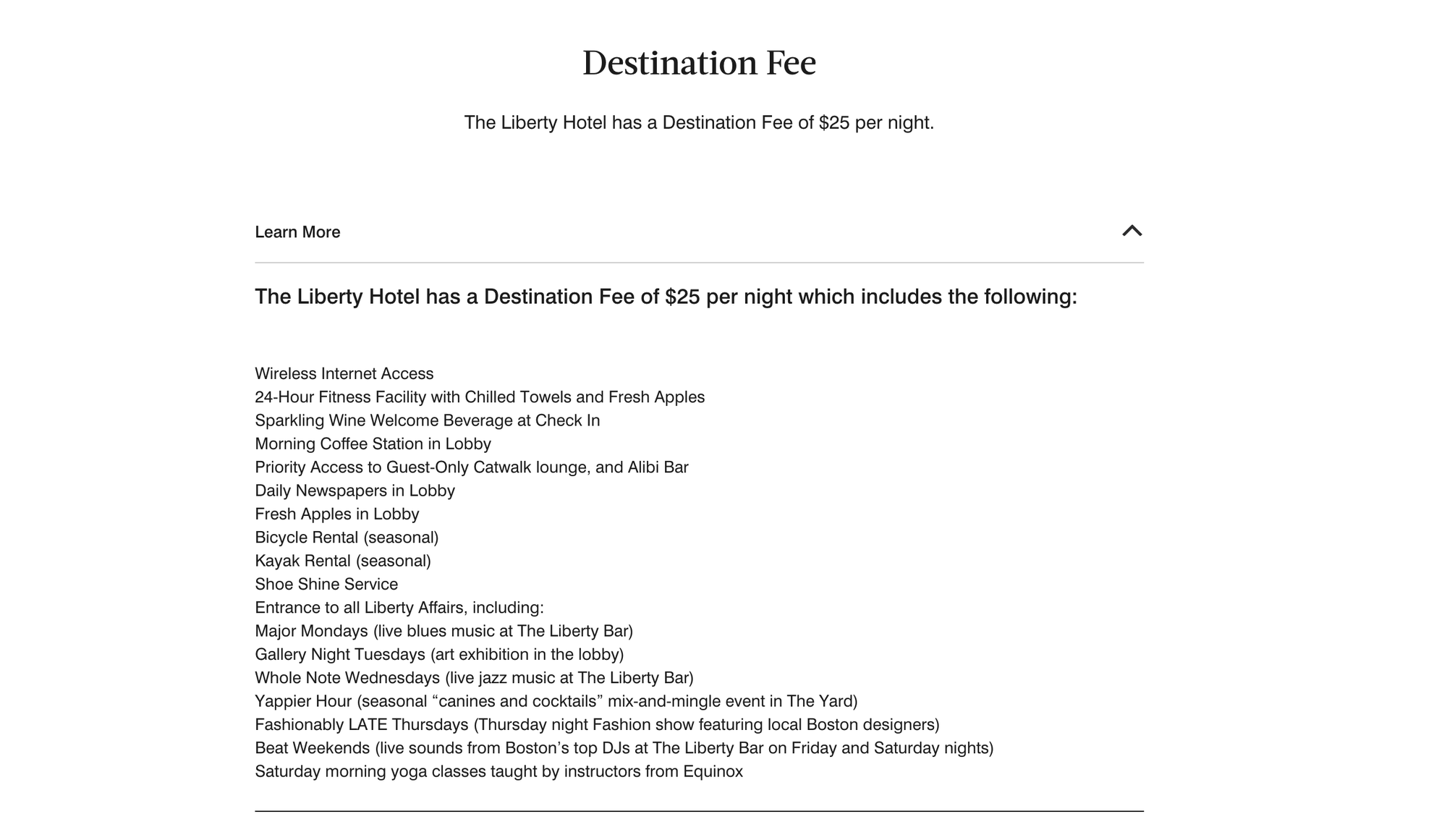
Navigating Destination Fees in Your Travel Plans
The increasing prevalence of destination fees necessitates a proactive approach from travelers to avoid surprises and make informed booking decisions. Understanding how to identify them, compare them, and assess their value is key to managing your travel budget effectively.
Identifying and Comparing Destination Fees
The first step in navigating destination fees is to be aware of their existence and to identify them clearly during the booking process. While some hotels are transparent, others may bury this information deep within their terms and conditions or present it as an optional add-on that is, in reality, mandatory.
- Look Beyond the Advertised Rate: Always scrutinize the total price displayed for a hotel. The advertised nightly rate is rarely the final cost. Look for line items that mention “destination fee,” “resort fee,” “amenity fee,” or “service charge.” This fee is usually a per-night charge and is added to your total bill.
- Read the Fine Print: Before confirming a reservation, take the time to read the hotel’s policies and the details of your booking. Often, the specifics of what the destination fee covers will be outlined here. Some booking platforms are improving their display of these fees, but it’s always best to verify directly with the hotel’s website if possible.
- Check Third-Party Review Sites and Forums: Travelers often share their experiences with destination fees on review websites and travel forums. These platforms can be invaluable for understanding what a specific hotel typically charges and what is included. For instance, discussions about the Bellagio Hotel in Las Vegas might highlight its specific resort fee and its inclusions.
- Compare “Total Stay Cost”: When comparing different hotels, don’t just compare the base room rates. Instead, calculate the total cost of your stay, including taxes and any mandatory fees, to get an accurate comparison. This allows you to see which hotel truly offers better value for your specific needs. For example, a hotel with a slightly higher room rate but no destination fee might end up being cheaper than a hotel with a lower room rate but a significant resort fee.
- Consider the Location and Type of Hotel: Destination fees are more common in resorts, especially in popular tourist destinations like Orlando, Miami, or international hotspots. They are less common in budget hotels or boutique inns focused on a simpler lodging experience.
Maximizing the Value of Your Destination Fee
Once you’ve identified and booked a hotel with a destination fee, the next step is to ensure you’re getting your money’s worth. This requires a conscious effort to utilize the services and amenities that the fee is intended to cover.
- Plan Your Itinerary with Inclusions in Mind: Before your trip, review what your destination fee covers. If it includes access to a premium fitness center, plan some workout sessions. If there are daily complimentary activities, check the schedule and try to participate in those that appeal to you. For instance, if your hotel in San Francisco offers a complimentary historical walking tour of neighborhoods like North Beach, make sure to sign up.
- Utilize the Internet and Other Basic Amenities: If high-speed internet is included, make full use of it for work, streaming, or keeping in touch. If complimentary coffee and tea are provided, enjoy them daily. These might seem like small things, but they add up and contribute to a more comfortable and convenient stay.
- Take Advantage of Shuttle Services: If the hotel offers shuttles to local attractions like the Golden Gate Bridge or the Alcatraz Island, use them instead of incurring taxi or ride-sharing costs.
- Engage with Hotel Staff: Inform the concierge about your interest in the included activities or services. They can provide you with the most up-to-date information and help you make the most of your experience. They might even suggest ways to get more value, such as recommending specific times to use facilities to avoid crowds.
- Consider Your Travel Style: If you are a minimalist traveler who prefers to spend most of your time exploring independently, a hotel with a high destination fee might not be the best fit. In such cases, opting for a hotel with fewer amenities or a simpler pricing structure might be more economical. However, if you are on a family vacation or a couple’s retreat focused on relaxation and enjoyment within the hotel’s premises, the destination fee can significantly enhance your experience.
By being informed and proactive, you can transform a potentially unwelcome mandatory charge into an integrated part of your vacation experience, ensuring that your stay at a destination fee hotel is both enjoyable and financially sensible.

The Future of Destination Fees
The debate surrounding destination fees is unlikely to disappear anytime soon. As consumer advocacy groups and travelers become more vocal about transparency and perceived hidden charges, the hospitality industry is under pressure to adapt. Several trends suggest a potential evolution in how these fees are implemented and perceived.
One significant shift could be towards greater standardization and clearer disclosure. We may see more booking platforms and hotel websites clearly itemizing these fees upfront, perhaps even with interactive tools that allow users to see the estimated value of the included amenities based on their intended usage. Regulatory bodies in some regions might also introduce stricter guidelines on how these fees are advertised and charged, similar to how resort fees are regulated in places like Florida or California.
Another possibility is a move towards more personalized fee structures. Instead of a one-size-fits-all destination fee, hotels might offer optional “experience packages” that guests can select based on their interests. For instance, a “Family Fun Package” might include access to kids’ clubs and family-friendly activities, while a “Business Booster Package” could offer enhanced Wi-Fi, meeting room credits, and printing services. This would allow guests to pay only for the services they intend to use, fostering a greater sense of fairness.
There’s also a growing trend towards hotels demonstrating tangible benefits for these fees, particularly in areas of sustainability and local community engagement. Instead of just covering standard amenities, some hotels might use a portion of their destination fees to fund local conservation efforts, support local artists and businesses, or contribute to the preservation of historical landmarks in the surrounding area. This could help reframe the destination fee as a contribution to the overall betterment of the destination, aligning with the growing desire for responsible and impactful tourism.
Furthermore, the increasing competition within the hospitality sector, driven by the rise of alternative accommodations like Airbnb and vacation rentals, might force hotels to rethink their pricing strategies. Hotels that rely heavily on opaque fees might find themselves at a disadvantage compared to platforms that offer more straightforward pricing. This could lead to hotels either reducing or eliminating destination fees, or making them more competitive and clearly justifiable through demonstrable value.
Ultimately, the future of destination fees will likely be shaped by a balance between the hotel industry’s need to cover operational costs and provide enhanced guest experiences, and the growing consumer demand for transparency, fairness, and value. As travelers become more discerning, hotels that can effectively communicate the benefits of their fees and provide genuine value will be the ones that thrive. The conversation around destination fees serves as a reminder for all travelers to remain informed, ask questions, and make booking decisions that align with their travel style and budget, ensuring a more enjoyable and less surprising travel experience.
LifeOutOfTheBox is a participant in the Amazon Services LLC Associates Program, an affiliate advertising program designed to provide a means for sites to earn advertising fees by advertising and linking to Amazon.com. Amazon, the Amazon logo, AmazonSupply, and the AmazonSupply logo are trademarks of Amazon.com, Inc. or its affiliates. As an Amazon Associate we earn affiliate commissions from qualifying purchases.