
When planning a trip, one of the most fundamental decisions you’ll make is where to stay. The vast landscape of accommodation options can be overwhelming, ranging from opulent resorts to cozy bed and breakfasts. Among the most common choices, and often a source of slight confusion, are hotels and motels. While both offer a place to rest your head, their origins, design, amenities, and intended clientele have evolved to create distinct experiences. Understanding these differences can help you choose the lodging that best suits your travel style, budget, and itinerary. This article delves into the nuances between motels and hotels, exploring their historical context, architectural distinctions, service offerings, and the types of travelers they typically cater to.

Historical Roots and Evolution
The divergence between hotels and motels is deeply rooted in the advent of modern travel. The early 20th century witnessed a significant shift in how people traveled, largely propelled by the rise of the automobile. This era marked the beginning of the “road trip,” a phenomenon that would profoundly influence the hospitality industry.
The Rise of the Hotel
Historically, hotels emerged long before the automobile. They were initially conceived as places to serve travelers, particularly those arriving by train or ship, offering a level of comfort and service often associated with a more formal experience. Early hotels were destinations in themselves, catering to a clientele who valued convenience, elaborate amenities, and a touch of luxury. Think of grand establishments in major cities or resorts in popular tourist destinations. These were places where travelers could expect full-service dining, attentive staff, concierge services, and often, a range of entertainment options. The focus was on providing a comprehensive hospitality experience, regardless of the mode of transport. Over time, hotels have diversified, with categories like luxury hotels, boutique hotels, and business hotels all emerging to cater to specific needs and preferences.
The Emergence of the Motel
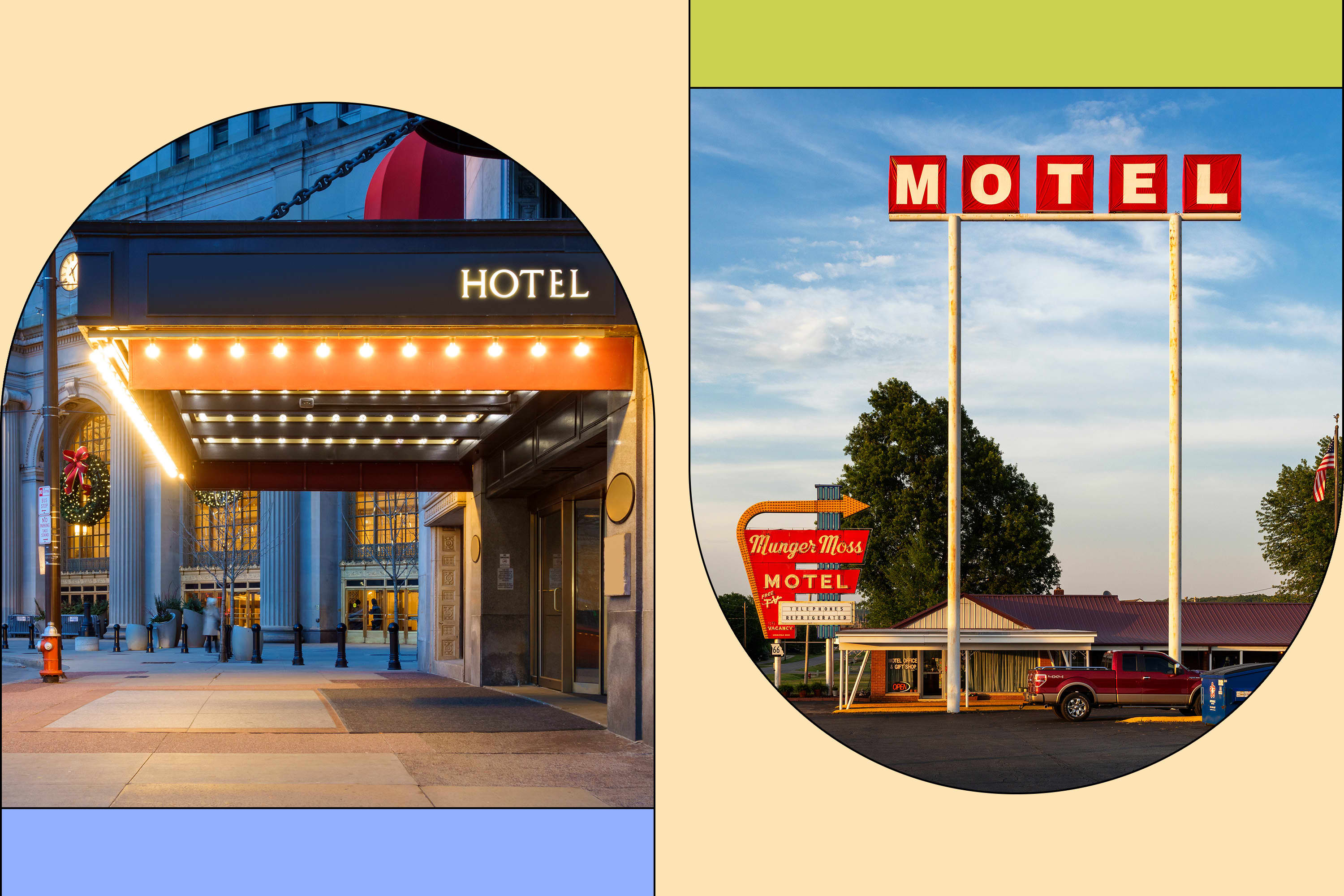
The motel is a distinctly American invention, born out of the automotive age. As the interstate highway system developed across the United States in the mid-20th century, long-distance driving became increasingly popular. Roadside accommodations were needed to serve these transient travelers who were on the move. The term “motel” itself is a portmanteau of “motor” and “hotel,” perfectly encapsulating its purpose. Motels were designed with the automobile in mind. They typically featured a low-rise, linear design with rooms arranged along a central courtyard or parking area, allowing guests to park their cars directly outside their doors for easy loading and unloading. This accessibility was a key selling point for weary drivers. The emphasis was on practicality, affordability, and convenience for those covering long distances. Unlike hotels, early motels often offered fewer amenities and a more basic level of service, prioritizing a clean and safe place to sleep for the night.
Architectural and Design Distinctions
The most immediate and visually striking difference between motels and hotels lies in their architecture and layout. These design choices are directly linked to their historical development and intended functions.
Hotel Layouts and Structures
Hotels tend to be larger, multi-story buildings. Their design often prioritizes a grand entrance, a central lobby, and a variety of room types, including standard rooms, suites, and sometimes even presidential suites. Hotels are typically located in urban centers, near major attractions, or in popular resort areas. They often feature internal corridors connecting rooms, which can be accessed from a central reception area. The architecture of hotels can vary widely, from historic buildings with ornate details to sleek, modern skyscrapers. The interior design focuses on creating a welcoming atmosphere, often with sophisticated decor, comfortable seating in common areas, and well-appointed lobbies. The emphasis is on creating an experience, and the physical structure plays a significant role in this. Many hotels also incorporate additional facilities like restaurants, bars, swimming pools, fitness centers, and conference rooms within the main building or on the property.
Motel Layouts and Structures
Motels, on the other hand, are generally characterized by their low-rise, often single-story or two-story structures. Their defining feature is the exterior access to rooms, typically via a walkway or directly from the parking lot. This arrangement stems from the need for motorists to easily access their rooms with their vehicles. The parking area is usually a central feature, allowing guests to see their car from their room. Motels are commonly found along major highways, in suburban areas, or on the outskirts of towns, positioned for easy access by drivers. The rooms themselves are usually more utilitarian, designed for short stays. While modern motels have improved in appearance and comfort, the fundamental layout remains focused on convenience for car travelers. Many motels offer a simple, no-frills experience, focusing on providing essential services.
Services and Amenities: A Tale of Two Experiences
The range and quality of services and amenities offered are significant differentiators between hotels and motels, reflecting their differing target audiences and business models.
Hotel Amenities: The Full-Service Experience
Hotels are renowned for their comprehensive range of services and amenities, designed to cater to a wide spectrum of traveler needs. This often includes:
- 24-Hour Reception and Concierge: Providing assistance at any time, from check-in to local recommendations.
- On-site Dining: Restaurants, cafes, and bars offering diverse culinary options.
- Room Service: Delivering food and beverages directly to guests’ rooms.
- Housekeeping: Daily cleaning and maintenance of rooms and public areas.
- Recreational Facilities: Swimming pools, fitness centers, spas, and sometimes even golf courses or tennis courts, especially in resorts.
- Business Services: Meeting rooms, conference facilities, and business centers for corporate travelers.
- Valet Parking and Bellhops: Assistance with luggage and vehicle parking.
- Entertainment: In-house entertainment, live music, or proximity to theaters and attractions.
These amenities contribute to a more immersive and comfortable stay, turning the accommodation into a destination in itself. Luxury hotels like the Ritz Paris or resorts like Walt Disney World Resort exemplify this extensive offering.
Motel Amenities: Focused on Essentials
Motels typically offer a more limited set of amenities, prioritizing functionality and affordability. The focus is on providing a comfortable and clean place to sleep, with less emphasis on elaborate services. Common motel amenities include:
- Basic Room Facilities: A bed, bathroom, television, and often a small refrigerator and microwave.
- Free Parking: Directly outside or very close to rooms.
- Wi-Fi: Increasingly standard, though sometimes with limitations.
- Vending Machines: For snacks and drinks.
- Limited or No On-site Dining: Some may offer a continental breakfast, but full-service restaurants are rare.
- Basic Housekeeping: Ensuring rooms are clean for incoming guests.
The appeal of motels lies in their no-frills approach, making them an attractive option for budget-conscious travelers or those simply needing a convenient stopover during a long drive. While they might not offer the same luxury as a hotel, they provide essential comfort and security.
Who Are They For? Understanding the Target Traveler
The fundamental differences in design and amenities lead to distinct target audiences for motels and hotels. Choosing the right type of accommodation depends largely on your travel purpose, duration, and personal preferences.
The Hotel Guest: Diverse Needs, Elevated Experiences
Hotels cater to a broad spectrum of travelers.
- Business Travelers: Seeking convenient locations, reliable Wi-Fi, meeting facilities, and sometimes loyalty programs. Major chains like Marriott or Hilton often have dedicated business amenities.
- Leisure Travelers: Looking for comfortable stays, access to attractions, and enjoyable on-site facilities. Families might opt for hotels with pools, while couples might prefer boutique hotels offering a more intimate experience.
- Tourists: Staying in cities or near landmarks like the Eiffel Tower or the Colosseum, where hotels offer a central base and often guided tour arrangements.
- Long-Term Stays: Some hotels offer extended-stay suites or apartments, blurring the lines with serviced apartments, providing amenities like kitchenettes for longer durations.
- Luxury Seekers: Opting for high-end hotels that offer exceptional service, gourmet dining, and exclusive amenities. Think of places like the Burj Al Arab Jumeirah in Dubai.
The Motel Patron: Road Trippers and Budget-Conscious Voyagers
Motels are primarily designed for a different kind of traveler:
- Road Trippers: Those traveling by car for extended periods, needing a practical and accessible place to rest for the night. They value the ease of parking and quick check-in/check-out.
- Budget Travelers: Individuals or families looking for affordable accommodation without compromising on basic comfort and safety.
- Short-Term Stopovers: Travelers needing a place to sleep for a few hours on a long journey, often looking for convenience along major routes like Interstate 5.
- Workers on the Road: Individuals working in industries that require frequent travel and overnight stays in different locations.
In essence, motels serve as a functional pit stop, while hotels often aim to be part of the overall travel experience, offering a wider array of comforts and services.
The Blurring Lines and Modern Adaptations
While the distinctions between motels and hotels have traditionally been clear, the hospitality industry is constantly evolving. Modern trends and consumer demands have led to some blurring of these lines, with both types of establishments adapting to remain competitive.
Modern Motels: Upgraded Offerings
Many newer motels, and renovated older ones, have started to offer more amenities to attract a wider range of travelers. This can include updated decor, better Wi-Fi, and even small fitness rooms or business centers. Some brands are focusing on offering a “boutique motel” experience, combining the convenience of exterior room access with more stylish design and enhanced services. For instance, a well-maintained motel along a scenic route in California might offer more than just a bed, perhaps providing local guides or partnering with nearby attractions.
Hotels Embracing Convenience
Conversely, some hotels are adopting elements of motel convenience, especially those located in transit hubs or aimed at the budget-conscious traveler. Airport hotels, for example, often prioritize quick check-in and shuttle services, mirroring the efficiency expected of roadside accommodations. Extended-stay hotels have also emerged, offering apartment-style units with kitchens, bridging the gap between traditional hotels and long-term rentals.

Conclusion: Choosing Your Perfect Stay
In conclusion, the difference between a motel and a hotel is primarily rooted in their historical development, architectural design, and the breadth of services and amenities they offer. Hotels, with their multi-story structures, indoor corridors, and extensive facilities, cater to a diverse clientele seeking comfort, convenience, and a comprehensive hospitality experience. They are often situated in urban centers or prime tourist locations, serving as bases for exploration or destinations in themselves.
Motels, born from the automotive age, are characterized by their low-rise buildings, exterior room access, and a focus on practical, affordable accommodation for travelers on the move. They are typically found along highways and offer essential services for a comfortable overnight stay.
While the lines are becoming increasingly blurred with modern adaptations and the rise of various niche accommodations like boutique hotels or upgraded motels, understanding these core differences will empower you to make an informed decision. Whether you’re embarking on a cross-country road trip with your vehicle parked just steps away, or planning a city break with a desire for concierge services and fine dining near a landmark like the Golden Gate Bridge, knowing whether to book a motel or a hotel will significantly enhance your travel experience. The key is to align your accommodation choice with your travel purpose, budget, and desired level of comfort and service.
LifeOutOfTheBox is a participant in the Amazon Services LLC Associates Program, an affiliate advertising program designed to provide a means for sites to earn advertising fees by advertising and linking to Amazon.com. Amazon, the Amazon logo, AmazonSupply, and the AmazonSupply logo are trademarks of Amazon.com, Inc. or its affiliates. As an Amazon Associate we earn affiliate commissions from qualifying purchases.