
California, a land of diverse landscapes and boundless beauty, is home to an extraordinary collection of National Parks that beckon travelers from across the globe. From towering ancient forests and scorching deserts to majestic mountain ranges and rugged coastlines, these protected natural landscapes offer unparalleled experiences for every type of adventurer. Whether you’re planning a thrilling family trip, a serene solo retreat, or an adventurous group tour, California’s National Parks promise unforgettable memories.
As a premier resource for travel enthusiasts, we understand the desire to explore these iconic destinations with insight and ease. This comprehensive guide will navigate you through the spectacular National Parks nestled within the Golden State, highlighting their unique features, must-see attractions, and practical tips for planning your perfect escape. We’ll delve into accommodation options, ranging from rustic camping to luxurious resorts, ensuring your journey is as comfortable as it is inspiring. Get ready to discover why these landmarks are celebrated as some of the most famous places on Earth.
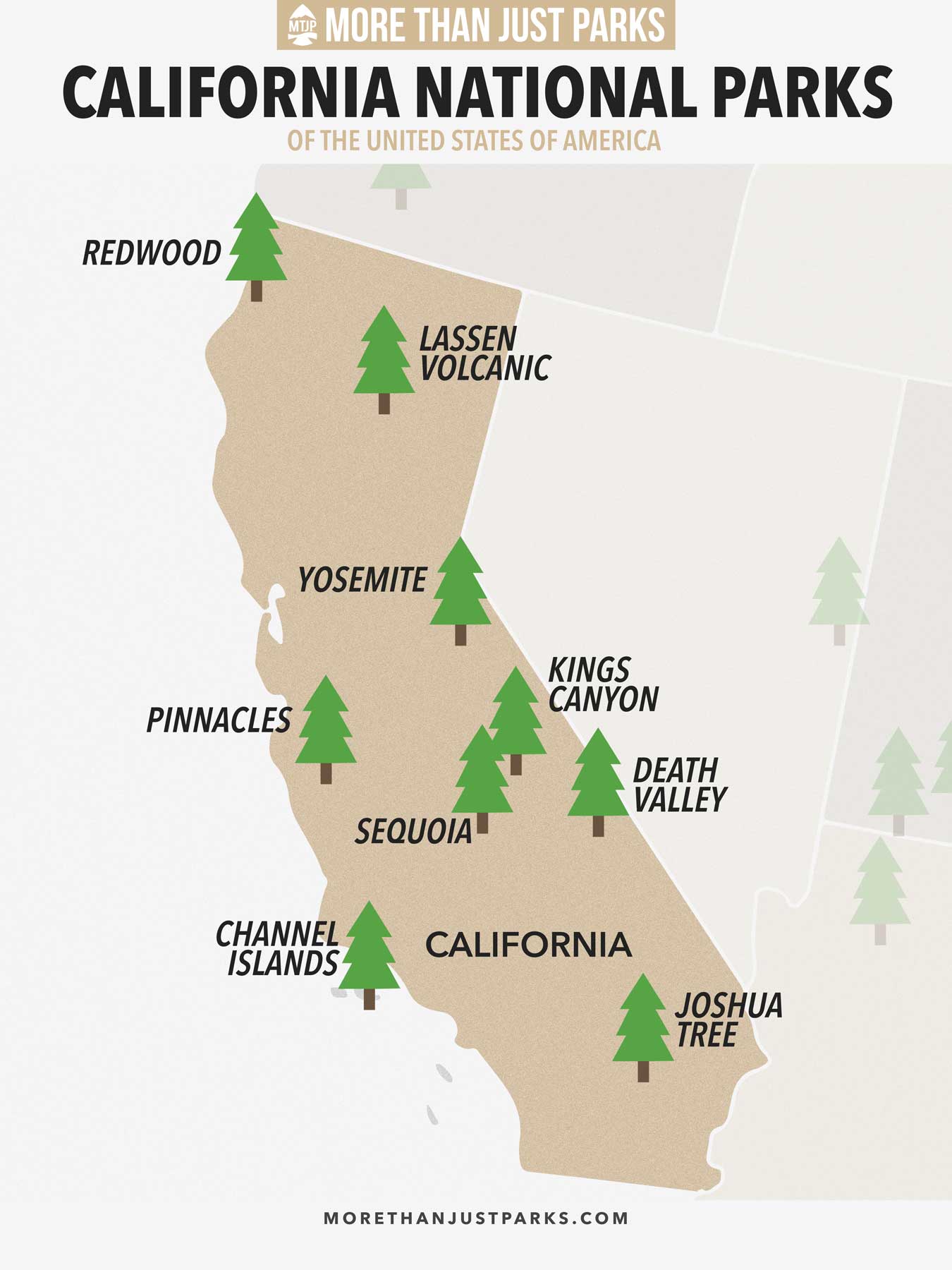
Exploring California’s Diverse National Parks: A Symphony of Landscapes
California boasts nine National Parks, each a distinct ecosystem offering unique adventures. These parks are not just vast expanses of wilderness; they are living museums of nature, geological marvels, and havens for incredible biodiversity. Understanding the distinct character of each park is key to crafting an itinerary that aligns with your interests, whether they lean towards strenuous hiking, scenic drives, wildlife viewing, or simply soaking in breathtaking vistas.
Yosemite National Park: A Valley of Granite Giants and Cascading Waterfalls
Perhaps the crown jewel of California’s National Parks, Yosemite National Park is renowned for its monumental granite cliffs, giant sequoia groves, and spectacular waterfalls. Located in the Sierra Nevada mountains, the park’s most famous feature is Yosemite Valley, carved by glaciers over millennia. Here, iconic formations like El Capitan and Half Dome stand guard, inviting climbers and photographers alike.
Visitors can explore the Mariposa Grove of giant sequoias, marvel at the roaring Yosemite Falls, or take in panoramic views from Glacier Point. The park offers a wide range of activities, from gentle riverside strolls to challenging multi-day backcountry treks along the John Muir Trail or Pacific Crest Trail. Accommodation within the park ranges from well-maintained campgrounds to historic lodges like The Ahwahnee (formerly the Majestic Yosemite Hotel) and the more contemporary Yosemite Valley Lodge. Booking these options well in advance is essential, especially during peak seasons, due to high demand.
Death Valley National Park: A Land of Extremes and Stark Beauty
Shifting dramatically from Yosemite’s lush landscapes, Death Valley National Park presents an otherworldly spectacle of salt flats, sand dunes, colorful canyons, and parched mountains. As the hottest, driest, and lowest point in North America, it’s a park defined by its extremes. Despite its formidable name, Death Valley is teeming with resilient life and stunning geological formations.
Key attractions include Badwater Basin, the lowest point at 282 feet below sea level, and the mesmerizing colors of Zabriskie Point and Artists Palette. Stargazing here is an unparalleled experience due to minimal light pollution. Accommodation is available primarily at Furnace Creek, home to The Oasis at Death Valley, offering both luxurious resort stays and more budget-friendly options. Visiting during the cooler months, from late fall to early spring, is highly recommended for a more comfortable and enjoyable trip.
Sequoia and Kings Canyon National Parks: Home of the Giants
Adjoining each other in the Southern Sierra Nevada, Sequoia and Kings Canyon National Parks are celebrated for their colossal groves of giant sequoias, including the world’s largest tree by volume, the General Sherman Tree. These parks offer a striking contrast between the monumental trees of Sequoia and the deep glacial canyons of Kings Canyon, often referred to as a “rival to Yosemite.”
Beyond the majestic trees found in Giant Forest and Grant Grove, visitors can hike up Moro Rock for breathtaking views, explore the subterranean wonders of Crystal Cave, or venture into the pristine wilderness of Kings Canyon’s backcountry. Lodging options include the Wuksachi Lodge in Sequoia and John Muir Lodge in Kings Canyon, alongside numerous campgrounds. These parks are perfect for those seeking profound communion with nature and an awe-inspiring encounter with Earth’s largest living things.
Joshua Tree National Park: Where Two Deserts Meet
East of Los Angeles, Joshua Tree National Park is a fascinating ecological transition zone where the high Mojave Desert meets the lower Colorado Desert. The park is famous for its distinctive, spiky Joshua Trees and surreal rock formations, which create a unique landscape beloved by hikers, rock climbers, and stargazers.
Popular landmarks include Skull Rock, Hidden Valley, and the Cholla Cactus Garden. Keys View offers panoramic vistas of the Coachella Valley. Camping is the primary accommodation option within the park, with several campgrounds available on a first-come, first-served basis or via reservation. For those seeking hotels or resorts, the nearby towns of Twentynine Palms and Palm Springs offer a range of choices, including luxury travel accommodations and stylish boutique hotels.
Redwood National Park: Land of Giants and Coastal Fog
Stretching along the northern California coast, Redwood National Park, in conjunction with Prairie Creek Redwoods State Park, Del Norte Coast Redwoods State Park, and Jedediah Smith Redwoods State Park, protects nearly half of the world’s remaining old-growth redwood forests, including the tallest trees on Earth. Walking among these ancient giants is a profoundly humbling experience, with shafts of sunlight piercing through the dense canopy.
Must-see attractions include the Tall Trees Grove (requiring a permit), the scenic Newton B. Drury Parkway, and the breathtaking Fern Canyon, a lush gorge draped in ferns. The park offers opportunities for scenic drives, hiking, and wildlife viewing, with Roosevelt elk often spotted. While no hotels are located within the park boundaries, nearby towns like Orick, Klamath, and Crescent City provide various lodging options, from cozy motels to resort-style accommodations, making it an ideal destination for those seeking a long-term stay immersed in nature.

Planning Your National Park Adventure: Essential Tips and Accommodation Choices
A successful National Park trip requires careful planning, especially when considering the sheer size and popularity of California’s offerings. From choosing the right time to visit to securing optimal accommodation, a few key tips can enhance your overall experience.
Best Time to Visit and Travel Considerations
The ideal time to visit depends heavily on the specific park and your desired activities.
- Summer (June-August): Peak season for most parks, offering warm weather and full access to roads and trails. However, expect crowds and higher accommodation prices. Death Valley is exceptionally hot and best avoided during these months.
- Spring (April-May) & Fall (September-October): Generally considered the best times to visit. Pleasant temperatures, fewer crowds, and stunning wildflower blooms in spring or vibrant foliage in fall make for picturesque journeys.
- Winter (November-March): Offers unique snowy landscapes in mountain parks like Yosemite and Sequoia, ideal for snowshoeing or cross-country skiing. Many roads may be closed, and Death Valley becomes a pleasant escape from the cold.
Remember to check park websites for current conditions, road closures, and reservation requirements. Given the vast distances, consider car rental if you are flying into major California cities like San Francisco or Los Angeles. Plan your routes carefully, keeping in mind that cell service can be spotty in remote areas.
Accommodation Options: From Wilderness Camping to Luxury Retreats
California’s National Parks and their surrounding areas provide a spectrum of accommodation choices to suit every lifestyle and budget.
- In-Park Lodges and Hotels: For maximum convenience and immersion, staying within the park boundaries is often preferred. Historic lodges like The Ahwahnee in Yosemite offer luxury amenities and unparalleled access. These options are highly sought after, so early booking (up to a year in advance) is crucial.
- Camping: A classic way to experience nature, camping is available in most parks. Options range from primitive backcountry sites to developed campgrounds with facilities. Many require reservations through the National Park Service website.
- Nearby Towns and Gateway Cities: If in-park accommodation is full or you prefer more options, gateway towns offer a variety of hotels, motels, apartments, and even villas. Towns like Oakhurst near Yosemite, Lone Pine near Death Valley, Fresno for Sequoia, and Twentynine Palms for Joshua Tree serve as excellent bases for exploration. These provide more diverse dining and amenities for a comfortable stay. Utilize comparison tools and reviews on Life Out of the Box to find the perfect match for your needs, whether it’s a business stay or a relaxing vacation.
Beyond the Big Five: Other Californian National Treasures
While Yosemite, Death Valley, Sequoia & Kings Canyon, Joshua Tree, and Redwood National Park are the most widely recognized, California is home to several other incredible National Parks and National Monuments that deserve attention.
Lesser-Known Gems: Pinnacles, Channel Islands, and Lassen Volcanic
- Pinnacles National Park: Located in Central California, Pinnacles is a testament to ancient volcanic activity, featuring dramatic rock spires, talus caves, and a rich array of wildlife, including the endangered California Condor. It’s an excellent park for hiking and rock climbing, offering a different kind of natural beauty.
- Channel Islands National Park: Often called “North America’s Galapagos,” this park encompasses five magnificent islands off the Southern California coast. Accessible by ferry or private boat, the islands are famous for their unique flora and fauna, sea caves, and opportunities for kayaking, snorkeling, and diving.
- Lassen Volcanic National Park: Situated in Northern California, Lassen is a dynamic landscape of steaming fumaroles, boiling mud pots, and volcanic peaks. It showcases all four types of volcanoes found in the world, offering a fascinating glimpse into Earth’s geological forces. Hiking to the summit of Lassen Peak provides stunning views.
These parks, while perhaps less frequented than their more famous counterparts, offer equally compelling experiences for those seeking to explore beyond the well-trodden paths.
Enhancing Your Journey: Local Culture, Food, and Beyond
Visiting California’s National Parks is more than just seeing famous places; it’s an opportunity to immerse yourself in the local culture, savor regional food, and discover the unique communities that border these natural treasures.
Connecting with Local Communities and Flavors
Many gateway towns to the National Parks have developed their own distinct character. Take time to explore these communities, support local businesses, and engage with residents. In towns near Yosemite like Groveland or Mariposa, you’ll find charming historic architecture and classic Gold Rush era establishments. Near Redwood National Park, the Humboldt County region offers a vibrant arts scene and farm-to-table dining experiences.
Savor the diverse culinary scene that often incorporates fresh, local ingredients. From rustic diner fare after a long hike to gourmet dining in boutique resorts in Palm Springs (near Joshua Tree), the food scene around California’s parks is as varied as its landscapes. Look for opportunities to try regional specialties, perhaps a California burrito near San Diego after visiting a coastal park or craft beers from a local brewery in Mammoth Lakes after exploring the eastern Sierra.
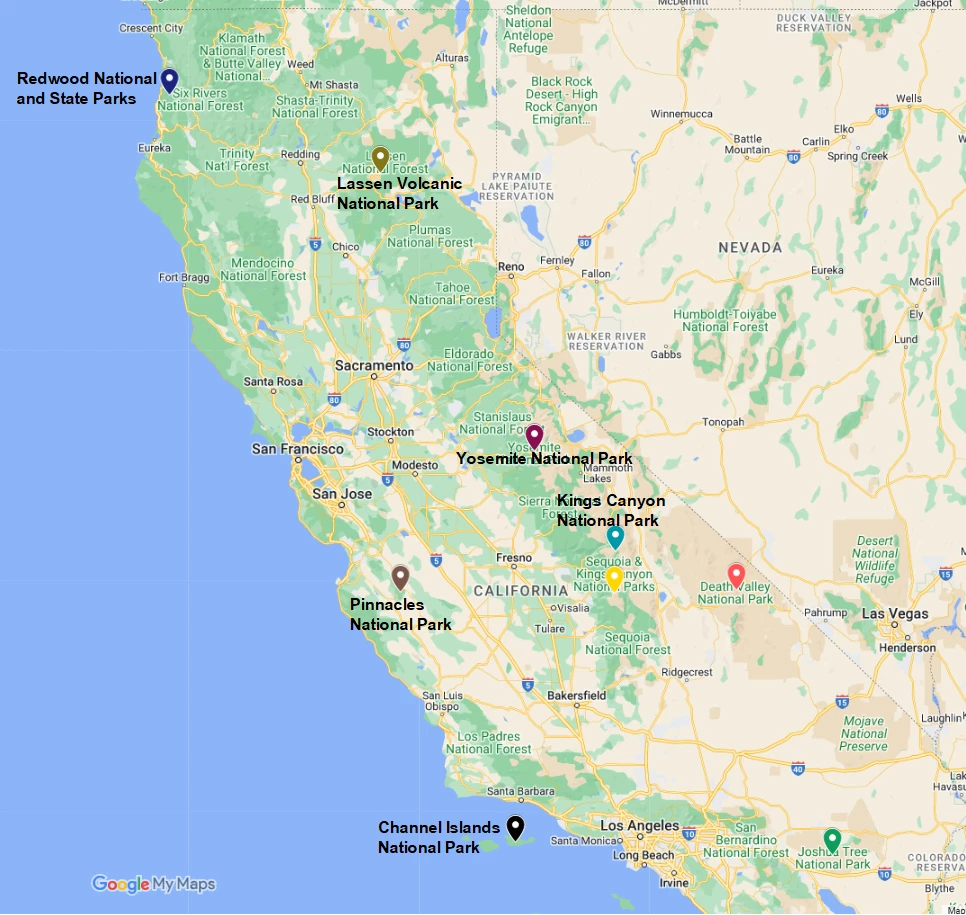
Beyond the Park Gates: Expanding Your California Itinerary
California’s National Parks are often just one part of a larger California adventure. Consider combining your park visits with other iconic California destinations:
- Coastal Drives: Pair your visit to Redwood National Park with a scenic drive down the Pacific Coast Highway, exploring charming towns like Mendocino or the dramatic cliffs of Big Sur.
- City Escapes: Begin or end your park trip with a stay in San Francisco (offering its own urban landmarks like the Golden Gate Bridge), Los Angeles, or San Diego, where you can enjoy world-class dining, cultural attractions, and diverse hotel offerings from suites to luxury resorts.
- Wine Country: For those exploring Northern California, a visit to Napa Valley or Sonoma County offers a delightful contrast of vineyards and gourmet experiences.
With careful planning, utilizing guides and travel tips from resources like Life Out of the Box, your California National Parks adventure can be a multifaceted exploration of natural wonders, local culture, and unforgettable travel experiences. Pack your bags, plan your route, and prepare to be amazed by the unparalleled beauty that awaits in California’s magnificent National Parks.
LifeOutOfTheBox is a participant in the Amazon Services LLC Associates Program, an affiliate advertising program designed to provide a means for sites to earn advertising fees by advertising and linking to Amazon.com. Amazon, the Amazon logo, AmazonSupply, and the AmazonSupply logo are trademarks of Amazon.com, Inc. or its affiliates. As an Amazon Associate we earn affiliate commissions from qualifying purchases.