
The question of how long a flight from Miami to New York takes is a common one for travelers looking to traverse this popular domestic route. Whether you’re planning a spontaneous weekend getaway, a crucial business trip, or a longer exploration of either vibrant city, understanding the flight duration is a key piece of travel planning. While the direct flight time might seem straightforward, several factors can influence the actual time spent in the air and, consequently, your overall travel experience.
This journey connects two of the most dynamic and culturally rich urban centers in the United States. Miami, with its sun-drenched beaches, pulsating nightlife, and Latin American influences, offers a distinct escape from the bustling metropolis of New York, a global hub of finance, culture, and iconic landmarks. Bridging this distance by air is a swift endeavor compared to other modes of transport, but precision in understanding the timing is essential for optimizing your itinerary.
Understanding the Average Flight Duration
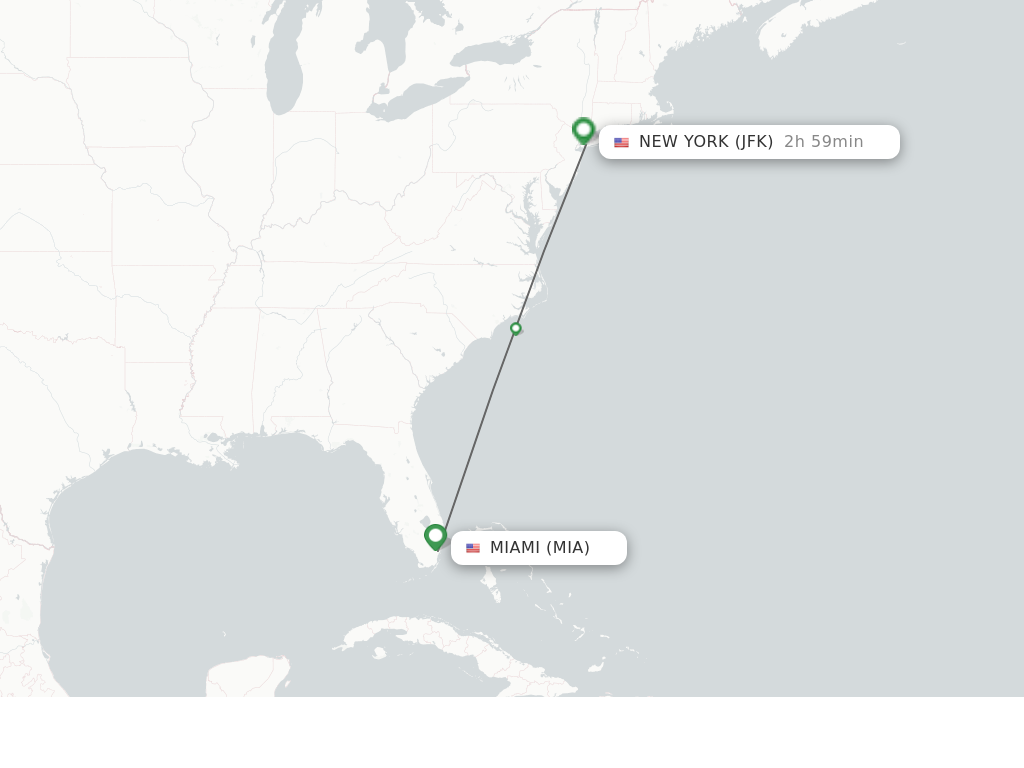
For the most part, a direct flight between Miami and New York will fall within a predictable range. Airlines typically operate numerous flights daily on this heavily trafficked corridor, using a variety of aircraft types. The average flight time, from the moment the plane leaves the gate at one airport until it arrives at the gate of the destination airport, is generally around 2 hours and 50 minutes to 3 hours and 30 minutes. This is the pure “wheels-up” to “wheels-down” time, often referred to as block time by airlines.
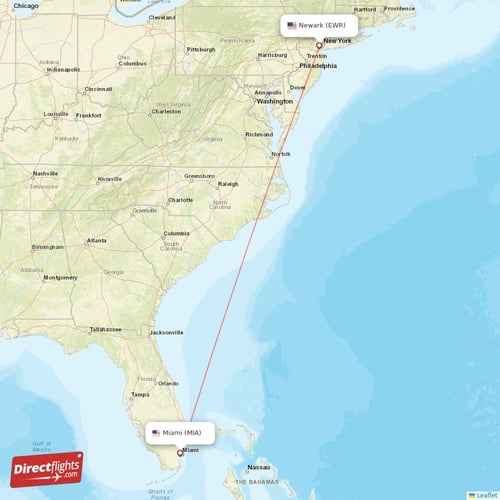
However, it’s crucial to understand that this is an average. Several variables can subtly, or sometimes significantly, alter this duration. Factors such as prevailing wind patterns, air traffic congestion, the specific route taken by the airline, and even the type of aircraft can all play a role. For instance, a tailwind can shave precious minutes off the flight, while a headwind might extend it. Similarly, the specific New York area airport you are flying into – whether it’s John F. Kennedy International Airport (JFK), LaGuardia Airport (LGA), or Newark Liberty International Airport (EWR) – can also subtly influence the flight path and, therefore, the time.
Direct vs. Connecting Flights
The figures discussed above pertain to direct flights, meaning your aircraft will travel from its origin in Miami to its destination in New York without any intermediate stops. Direct flights are overwhelmingly the preferred option for this route due to its relatively short distance. They offer the most efficient and convenient way to travel between these two cities, minimizing travel time and the potential for delays associated with layovers.
Connecting flights, while less common and generally less advisable for this particular route, are also an option. These flights involve a stopover in a different city before continuing to your final destination. If you opt for a connecting flight, your total travel time will be significantly longer. This will include the time spent on the initial flight, the layover duration at the connecting airport, and the time for the second flight. For a trip that is inherently short, choosing a connecting flight is typically not the most practical choice unless it offers substantial cost savings or specific scheduling needs. The extended travel time can easily add several hours, making the overall journey approach or even exceed the duration of a road trip that would take significantly longer than the flight itself.
Factors Influencing Flight Time
Beyond the simple airborne transit, several other elements contribute to the total travel time from departing your accommodation in Miami to arriving at your destination in New York. Understanding these can help you manage your expectations and plan your day more effectively.
Airport Procedures and Travel
The time spent at the airports themselves is a significant component of your overall travel. This includes:
- Travel to the Airport: Depending on your location in Miami, getting to Miami International Airport (MIA) or Fort Lauderdale–Hollywood International Airport (FLL) can take anywhere from 20 minutes to over an hour. Utilizing ride-sharing services, taxis, or public transportation will impact this timeframe, as will Miami’s notorious traffic.
- Check-in and Security: Airlines generally recommend arriving at the airport at least two hours before a domestic flight. This allows ample time for checking in luggage, going through security screening, and navigating the terminal. Peak travel times can see longer queues at both check-in counters and security checkpoints.
- Boarding and Taxiing: Once you’ve reached your gate, there’s the boarding process, which can take up to 30 minutes. After boarding, the aircraft will taxi to the runway, which can add another 10-20 minutes, depending on air traffic control.
- Deplaning and Baggage Claim: Upon arrival in New York, you’ll need to deplane, which can take some time. If you have checked luggage, you’ll then proceed to baggage claim, where waits can vary from 15 minutes to over an hour, especially during busy periods.
- Travel from the Airport: Finally, you’ll need to travel from your arrival airport in the New York area to your final destination, be it a hotel in Manhattan, a business meeting in Brooklyn, or an attraction in Queens. This journey can also be time-consuming, influenced by New York’s traffic conditions and your chosen mode of transport.
Considering all these airport-related procedures and travel times, a trip that includes a roughly 3-hour flight can easily extend into a 5-7 hour total travel experience.
Weather and Seasonal Variations
While a direct flight duration is relatively consistent, weather conditions can sometimes cause delays or minor adjustments. Severe weather events in either Miami or New York, such as thunderstorms, heavy snow (in New York’s winter months), or fog, can lead to flight delays or diversions. These are typically handled by air traffic control to ensure safety.
Seasonal variations can also indirectly influence flight experiences. During peak travel seasons, such as holidays or summer vacations, airports are busier, leading to longer waits for security and baggage claim. While the flight time itself might not change, the overall efficiency of your travel can be impacted by the increased volume of travelers. Booking flights during off-peak times or weekdays can often result in a smoother and potentially faster airport experience.
Planning Your Trip Between Miami and New York
Given the factors discussed, planning your travel between Miami and New York requires a holistic approach that accounts for more than just the flight time. Whether you’re seeking a luxury escape in a penthouse suite or a budget-friendly adventure, understanding the nuances of this journey will enhance your overall experience.
Accommodation and Activities in New York
Once you arrive in New York, your choice of accommodation will significantly influence your onward journey within the city. Staying in a hotel located centrally in Manhattan, such as near Times Square or in the Financial District, can provide easier access to public transportation like the New York City Subway and major attractions. Options range from boutique hotels to world-renowned establishments like the Plaza Hotel or serviced apartments offering more space for longer stays.
Your planned activities in New York will also dictate how you structure your arrival day. Are you aiming to catch a Broadway show, visit the Statue of Liberty, explore the Metropolitan Museum of Art, or dine at a Michelin-starred restaurant? Planning your first few hours wisely, considering the travel time from the airport, will ensure you don’t miss out on your intended New York experiences. For instance, arriving early in the day allows for check-in at your chosen hotel and an afternoon of sightseeing before an evening performance.

Choosing the Right Flight and Airline
When booking your flight from Miami to New York, several airlines operate this route, including American Airlines, Delta Air Lines, JetBlue Airways, and United Airlines. It’s advisable to compare prices and schedules across these carriers. Pay attention to the specific departure and arrival airports, as some airlines may have a stronger presence at certain terminals.
Consider the time of day for your flight. Early morning flights from Miami can help you arrive in New York with most of the day ahead of you. Conversely, an afternoon departure might allow for a more relaxed morning before heading to the airport. When reviewing flight details, airlines often provide an estimated flight duration. While this is a good guideline, remember to factor in the airport procedures for a more realistic total travel time. For those looking for a premium experience, consider airlines that offer first-class or business-class options, which can enhance comfort during the flight, although they won’t alter the flight duration itself.
LifeOutOfTheBox is a participant in the Amazon Services LLC Associates Program, an affiliate advertising program designed to provide a means for sites to earn advertising fees by advertising and linking to Amazon.com. Amazon, the Amazon logo, AmazonSupply, and the AmazonSupply logo are trademarks of Amazon.com, Inc. or its affiliates. As an Amazon Associate we earn affiliate commissions from qualifying purchases.