
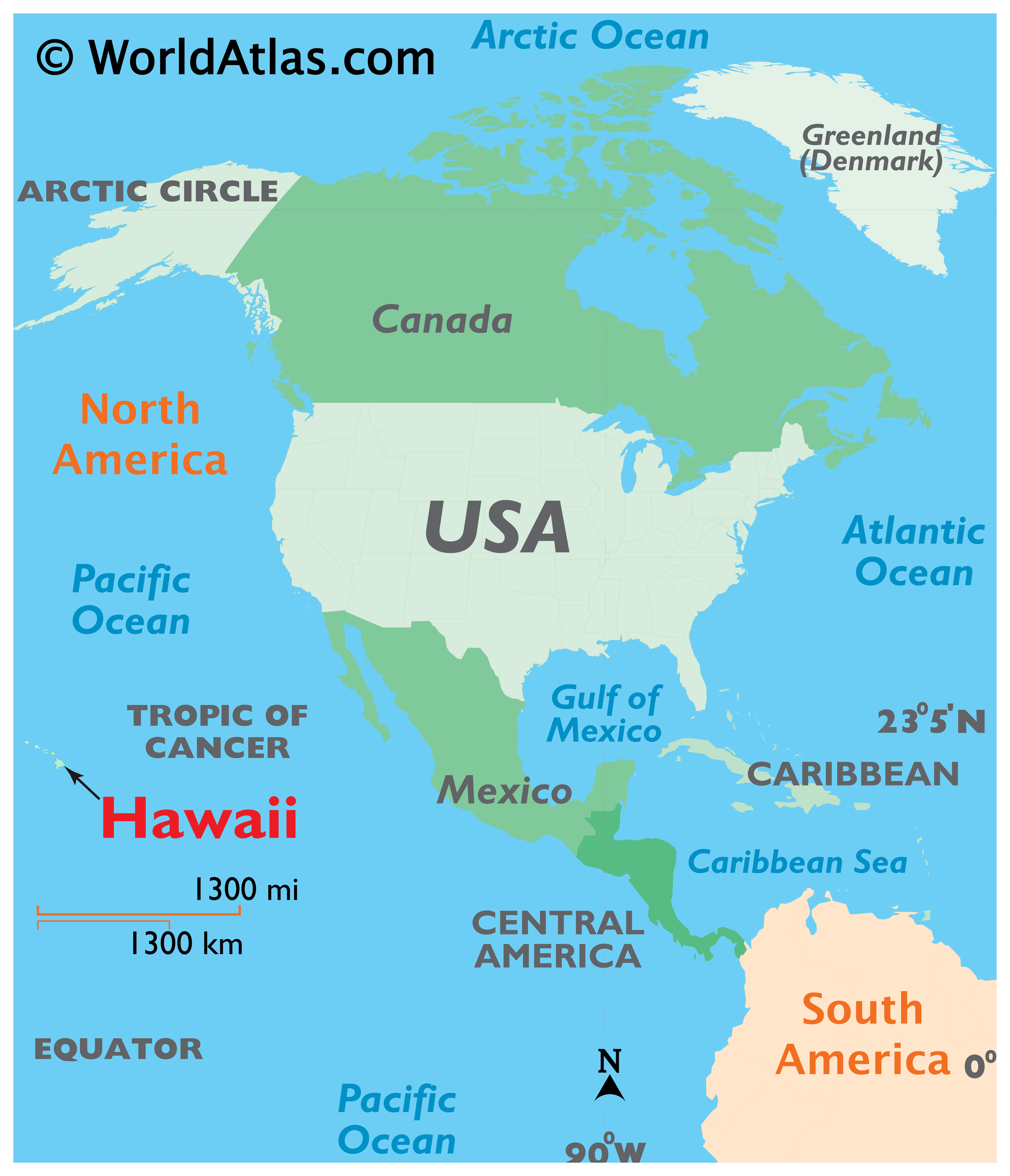
To ask “where is Hawaii on a map?” is to embark on a geographical quest that uncovers not just a location, but a world unto itself – an archipelago of unparalleled beauty, profound cultural significance, and boundless adventure nestled in the vast expanse of the Pacific Ocean. Far removed from continental landmasses, Hawaii represents the pinnacle of island escape, a destination that defies typical travel expectations and offers a unique blend of natural wonders, vibrant traditions, and modern comforts. For those seeking to pinpoint this paradise, it lies almost precisely in the center of the North Pacific Ocean, thousands of miles from any continent, making it the most isolated population center on Earth. This isolation, however, is precisely what has preserved its distinctive ecosystems and fostered its rich cultural identity, making it a dream destination for travelers worldwide.
This comprehensive guide aims to not only answer the fundamental question of Hawaii’s geographical placement but also to explore the multifaceted allure of this incredible state. From its formation as volcanic islands to its status as the 50th state of the United States, we will delve into what makes Hawaii a premier choice for everything from luxury travel to budget-friendly family trips, offering insights into its diverse attractions, accommodation options, and the profound Aloha State spirit that permeates every experience.
Pinpointing Paradise: Hawaii’s Unique Geographic Placement
Understanding Hawaii’s location on a map is the first step in appreciating its extraordinary character. It’s not just another island chain; it’s a geological marvel and a cultural crossroads, shaped by its remote position.
The Isolated Archipelago: A World Apart
Hawaii is situated roughly 2,400 miles (3,860 km) southwest of the continental United States coastline, 3,850 miles (6,200 km) southeast of Japan, and 4,900 miles (7,900 km) northeast of Australia. This makes it a truly solitary outpost in the world’s largest ocean. Geographically, it forms the northeastern tip of the Polynesian Triangle, a vast region of the Pacific Ocean dotted with indigenous cultures spanning from New Zealand to Easter Island.
The Hawaiian Islands are the exposed peaks of an enormous underwater mountain range, formed by volcanic activity over a “hot spot” in the Earth’s mantle. As the Pacific Ocean plate slowly moves northwest, new islands are continuously formed, while older ones gradually erode and subside. This geological process has given rise to a chain of islands extending over 1,500 miles (2,400 km), though only the southeasternmost eight are considered the “main” Hawaiian Islands and are inhabited or frequently visited. This unique formation has led to incredible biodiversity, with many species found nowhere else on Earth, making it a critical hub for nature tourism and scientific study.
The Eight Main Islands: A Diverse Tapestry
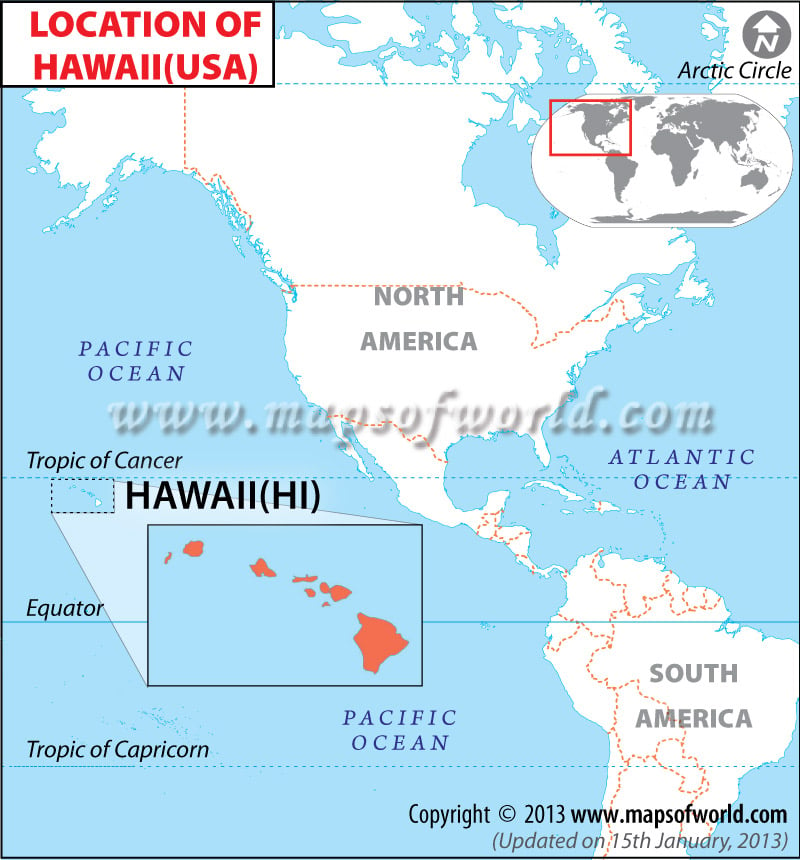
The Hawaiian archipelago consists of 137 islands, islets, and atolls, but the vast majority of visitors focus on the eight main islands, each offering a distinct personality and an array of experiences. From east to west, these are:
- Hawaii Island (The Big Island): The largest and youngest island, still actively growing thanks to its two active volcanoes, Kilauea and Mauna Loa. It boasts incredible geological diversity, from black sand beaches to snow-capped peaks like Mauna Kea, and lush rainforests to stark lava fields. It’s a haven for adventure seekers and those fascinated by raw natural power.
- Maui: Known as “The Valley Isle,” Maui is often considered one of the most romantic destinations. It’s famed for its stunning beaches, the majestic dormant volcano Haleakala, and the scenic Road to Hana. Luxury resorts, vibrant marine life, and a strong emphasis on outdoor activities make it popular for honeymooners and families alike.
- Kahoolawe: Once a bombing range, this island is uninhabited and primarily used for cultural, environmental, and spiritual purposes by Native Hawaiians, with strict access restrictions.
- Lanai: The “Pineapple Isle” has transitioned from a pineapple plantation hub to a luxurious, secluded retreat. It offers exclusive resorts, championship golf courses, and an escape from the crowds, appealing to those seeking tranquility and high-end experiences.
- Molokai: Often called the “Friendly Isle” or “The Most Hawaiian Island,” Molokai remains true to its roots, offering an authentic glimpse into traditional Hawaiian life. It’s less developed, with stunning natural landscapes and a focus on cultural preservation, ideal for eco-tourists and those seeking a slower pace.
- Oahu: Home to the state capital, Honolulu, and the iconic Waikiki Beach, Oahu is the most populous and bustling island. It offers a blend of urban sophistication, world-class surfing on the North Shore, historical sites like Pearl Harbor, and a vibrant nightlife. It caters to a wide range of travelers, from business stays to family vacations.
- Kauai: Known as “The Garden Isle,” Kauai is the oldest and northernmost of the main islands, characterized by dramatic cliffs, lush rainforests, and cascading waterfalls. The majestic Na Pali Coast and Waimea Canyon are prime examples of its breathtaking natural beauty, attracting hikers, nature lovers, and film crews.
- Niihau: The “Forbidden Isle” is privately owned and has a population of Native Hawaiians who live a traditional lifestyle, speaking the Hawaiian language exclusively. Access is extremely limited, primarily to preserve their culture and the island’s unique ecosystem.
Each island offers a distinct flavor of the Hawaiian experience, making inter-island travel a popular choice for those wanting to explore the full spectrum of what Hawaii has to offer.
Beyond the Coordinates: What Makes Hawaii a Premier Destination?
While its geographic isolation is a defining characteristic, it’s Hawaii’s unique blend of culture, nature, and modern amenities that truly elevates it to a world-class destination.
A Fusion of Culture and History
Hawaii is not just a collection of beautiful landscapes; it is a living testament to a rich Polynesian heritage that dates back centuries. The first voyagers from the Marquesas Islands and later from Tahiti brought with them traditions, knowledge, and a deep respect for the land and sea, establishing a complex social structure and vibrant culture. This heritage is evident in the language (Ōlelo Hawaiʻi), music (ukulele, slack-key guitar), dance (hula), and culinary traditions (luau, poi, poke).
Key historical landmarks contribute significantly to Hawaii’s allure. Pearl Harbor, particularly the USS Arizona Memorial on Oahu, serves as a poignant reminder of its role in 20th-century history. The Iolani Palace in Honolulu stands as the only official residence of royalty in the United States, offering a glimpse into the Hawaiian monarchy. Understanding and respecting this rich cultural tapestry is integral to any meaningful visit to the islands, enriching the travel experience beyond mere sightseeing.
Unrivaled Natural Beauty and Adventure
The diverse landscapes of Hawaii are a primary draw for tourists. From the fiery craters of Hawaii Volcanoes National Park on the Big Island to the tranquil, turquoise waters of Waikiki Beach on Oahu, and the verdant cliffs of Kauai’s Na Pali Coast, the natural beauty is simply astounding.
Adventure tourism thrives here. Surfing, particularly on Oahu’s legendary North Shore during winter months, is a global phenomenon. Snorkeling and diving in vibrant coral reefs, hiking through lush rainforests to hidden waterfalls, ziplining across canyons, and kayaking along pristine coastlines are just a few of the activities that draw millions of visitors annually. The opportunity to witness humpback whales migrating through the warm Hawaiian waters during winter months is another spectacular natural experience that adds to the islands’ charm. Even simply relaxing on one of Hawaii’s many world-renowned beaches, such as Kaanapali on Maui or Poipu on Kauai, is an experience in itself.
Diverse Accommodation and Lifestyle Choices
Hawaii’s tourism infrastructure is highly developed, catering to an extensive range of preferences and budgets. Whether you’re planning a luxurious honeymoon, a budget-conscious family trip, a business stay, or an extended long-term stay, the islands offer a suitable accommodation option.
- Luxury Resorts & Hotels: Areas like Wailea on Maui and Kailua-Kona on the Big Island boast world-class resorts with lavish suites, private villas, extensive amenities (spas, golf courses, fine dining), and impeccable service, often with direct beach access. These options are ideal for those seeking an indulgent, pampered experience.
- Boutique Hotels & Apartments: For a more personalized or local experience, boutique hotels and vacation rentals (apartments, condos) offer a home-away-from-home feel, providing opportunities to immerse oneself more deeply in local culture and culinary scenes.
- Budget-Friendly Stays: While often perceived as a luxury destination, Hawaii can also be explored on a budget. Hostels, guesthouses, and camping options are available, particularly on islands like Maui and the Big Island, allowing travelers to enjoy the natural beauty without breaking the bank.
- Family-Friendly Options: Many resorts and hotels offer specialized programs and facilities for families, including kids’ clubs, large pools, and multi-bedroom suites, making Hawaii an excellent choice for family trips.
- Business Stays: With conference facilities and high-speed internet connectivity, Honolulu on Oahu serves as a hub for business travelers, combining work with opportunities for relaxation and exploration.
Online booking platforms and detailed reviews make it easier than ever to compare accommodations, ensuring travelers find the perfect fit for their needs, whether it’s an all-inclusive resort or a cozy studio apartment for a long-term stay.
Planning Your Hawaiian Escape: Practical Tips for Travelers
Making the most of your Hawaiian adventure requires a bit of planning, especially given the unique logistics of an island destination.
Choosing Your Island Adventure
The first step in planning is deciding which island, or islands, best suit your travel style and interests.
- For first-timers and diverse experiences: Oahu is often recommended due to its blend of urban attractions, historical sites, and famous beaches.
- For romance and relaxation: Maui offers luxurious resorts, stunning sunsets, and scenic drives.
- For raw nature and adventure: The Big Island provides active volcanoes, diverse climates, and unique landscapes.
- For lush beauty and outdoor activities: Kauai is perfect for hiking, kayaking, and exploring dramatic natural scenery.
- For cultural immersion and tranquility: Molokai or Lanai offer a quieter, more authentic Hawaiian experience, with Lanai leaning towards exclusive luxury.
Many travelers opt for island hopping, using inter-island flights to experience the distinct charms of two or more islands during a single trip. This approach allows for a richer and more varied vacation, showcasing the full diversity of the archipelago.
Essential Travel and Tourism Considerations
When planning your trip to Hawaii, keep the following in mind:
- Best Time to Visit: Hawaii enjoys pleasant weather year-round, but peak seasons (winter holidays, summer, spring break) can mean higher prices and larger crowds. Shoulder seasons (April-May, September-November) often offer a good balance of weather, fewer crowds, and better deals.
- Transportation: Renting a car is highly recommended on most islands (especially the Big Island, Maui, and Kauai) to explore at your own pace. Oahu has a more developed public transport system, but a car still offers flexibility.
- Responsible Tourism: Hawaii operates under the “Malama Aina” principle – to care for the land. Visitors are encouraged to practice responsible tourism by respecting natural environments, local customs, and wildlife. This includes staying on marked trails, not touching marine life, and being mindful of local communities.
- Local Cuisine: Don’t miss the chance to savor Hawaiian food. From fresh poke bowls and traditional luaus to plate lunches and shave ice, the culinary scene is as diverse as the islands themselves. Exploring local markets and eateries provides an authentic taste of the culture.
Maximizing Your Accommodation Experience
Choosing the right accommodation is paramount to a fulfilling Hawaiian vacation. Consider these tips:
- Location, Location, Location: Decide if you prefer beachfront luxury, a quiet rural retreat, or the vibrancy of a city center like Honolulu or Lahaina.
- Amenities: Evaluate the amenities that are important to you. Do you need a pool, a full kitchen for self-catering, a kids’ club, or a business center?
- Reviews and Comparisons: Always read recent reviews on reputable booking sites. Compare prices across different platforms to ensure you’re getting the best deal. For longer stays, look into vacation rentals or serviced apartments which can offer better value and more space.
- Booking in Advance: Especially during peak seasons, popular hotels and resorts can book up quickly. Secure your accommodation well in advance to avoid disappointment and potentially higher last-minute rates.
Experiencing the Aloha Spirit: Landmarks and Local Immersion
The true magic of Hawaii lies in its ability to captivate with both its iconic landmarks and its deeply ingrained local spirit.
Iconic Landmarks and Natural Wonders
Hawaii is home to countless landmarks, both natural and man-made, that define its unique character:
- Diamond Head (Le’ahi), Oahu: This iconic volcanic tuff cone offers stunning panoramic views of Waikiki Beach and the Honolulu coastline after a relatively short but steep hike.
- Na Pali Coast, Kauai: Famous for its towering emerald cliffs, cascading waterfalls, and secluded beaches, best experienced via helicopter tour, catamaran cruise, or a challenging hike along the Kalalau Trail.
- Hawaii Volcanoes National Park, Big Island: A UNESCO World Heritage Site where visitors can witness the raw power of creation and destruction, with opportunities to see active lava flows (when conditions permit), steam vents, and unique geological formations.
- Haleakala National Park, Maui: Offering breathtaking sunrises and sunsets from its 10,023-foot summit, alongside unique volcanic landscapes and endemic flora and fauna. Stargazing here is also an unforgettable experience due to minimal light pollution.
- Pearl Harbor & USS Arizona Memorial, Oahu: A profoundly moving historical site that commemorates the attack on Pearl Harbor and honors those who lost their lives.
- Polynesian Cultural Center, Oahu: A living museum and theme park dedicated to preserving and showcasing the cultures of Polynesia, offering immersive experiences, traditional dances, and a grand luau.
These landmarks, among many others, provide both a sense of wonder and a deeper understanding of Hawaii’s place in both natural and human history.
Savoring Local Flavors and Activities
Beyond the major attractions, embracing the local lifestyle is key to truly experiencing the “Aloha Spirit.” This involves engaging with local culture and participating in everyday activities.
- Food Tours and Farmers’ Markets: Explore the vibrant culinary scene through food tours or by visiting local farmers’ markets. Here, you can sample fresh tropical fruits, locally grown produce, and unique Hawaiian dishes like kalua pig, laulau, and haupia.
- Water Sports: Whether it’s learning to surf on Waikiki Beach, paddleboarding in calm bays, or deep-sea fishing, water activities are central to the Hawaiian lifestyle. Many resorts offer lessons and equipment rentals.
- Hula Shows and Luaus: Attend a traditional luau for an evening of authentic Hawaiian food, music, and hula performances. Many hotels and cultural centers host these events, providing a fantastic cultural immersion.
- Stargazing: Due to its remote location and high elevation points like Mauna Kea on the Big Island and Haleakala on Maui, Hawaii offers some of the best stargazing opportunities in the world.
- Art Galleries and Local Crafts: Support local artists by visiting galleries and craft fairs. You can find beautiful souvenirs ranging from koa wood carvings to shell jewelry and vibrant paintings.
These activities, whether structured or spontaneous, contribute to a holistic understanding of what makes Hawaii so special, connecting visitors to the land and its people on a more personal level.
The Enduring Allure of the Aloha State
To understand “where Hawaii on a map” is to appreciate its incredible remoteness, a factor that has played a crucial role in shaping its unique identity. Far from the hustle and bustle of mainland life, Hawaii offers an escape to a world where nature’s grandeur, a rich tapestry of cultures, and the genuine warmth of the Aloha spirit converge.
From the volcanic landscapes of the Big Island to the bustling streets of Honolulu and the serene beaches of Maui, Hawaii caters to every type of traveler. Whether you seek thrilling adventures, serene relaxation, a deep dive into history, or an exploration of vibrant local culture, these islands deliver an experience unlike any other. The abundance of choice in accommodation, from luxurious resorts to quaint vacation rentals, ensures that every journey can be tailored to individual preferences, making it an accessible dream for many.

Ultimately, Hawaii is more than just a dot on the map; it is a profound destination that leaves an indelible mark on all who visit. Its isolated position in the Pacific Ocean has not diminished its accessibility, but rather enhanced its mystique and preserved its distinct charm. So, when you look for Hawaii on a map, know that you are not just locating an archipelago, but envisioning an unforgettable journey to a truly special place where paradise truly exists.
LifeOutOfTheBox is a participant in the Amazon Services LLC Associates Program, an affiliate advertising program designed to provide a means for sites to earn advertising fees by advertising and linking to Amazon.com. Amazon, the Amazon logo, AmazonSupply, and the AmazonSupply logo are trademarks of Amazon.com, Inc. or its affiliates. As an Amazon Associate we earn affiliate commissions from qualifying purchases.