
When picturing Texas, images of vast, flat plains, sprawling ranches, and perhaps endless skies often come to mind. The notion of majestic mountains might seem more fitting for states like Colorado or California. However, this common misconception overlooks a significant and breathtaking aspect of the Lone Star State’s diverse landscape: Texas is indeed home to spectacular mountain ranges that offer unparalleled travel destinations, unique outdoor adventures, and a profound sense of natural wonder.
These rugged peaks and arid highlands are predominantly found in the westernmost reaches of the state, a region often referred to as the Trans-Pecos or West Texas. Far from the bustling cities of Dallas, Houston, or Austin, this area presents a dramatic shift in scenery, characterized by towering peaks, deep canyons, and a rich tapestry of desert flora and fauna. For those seeking to explore a different side of Texas, one that challenges expectations and rewards with stunning vistas, the mountains of West Texas are an unmissable attraction. This article will guide you through the mountainous heart of Texas, highlighting its geological marvels, prime tourist attractions, accommodation options, and travel tips for an unforgettable experience.
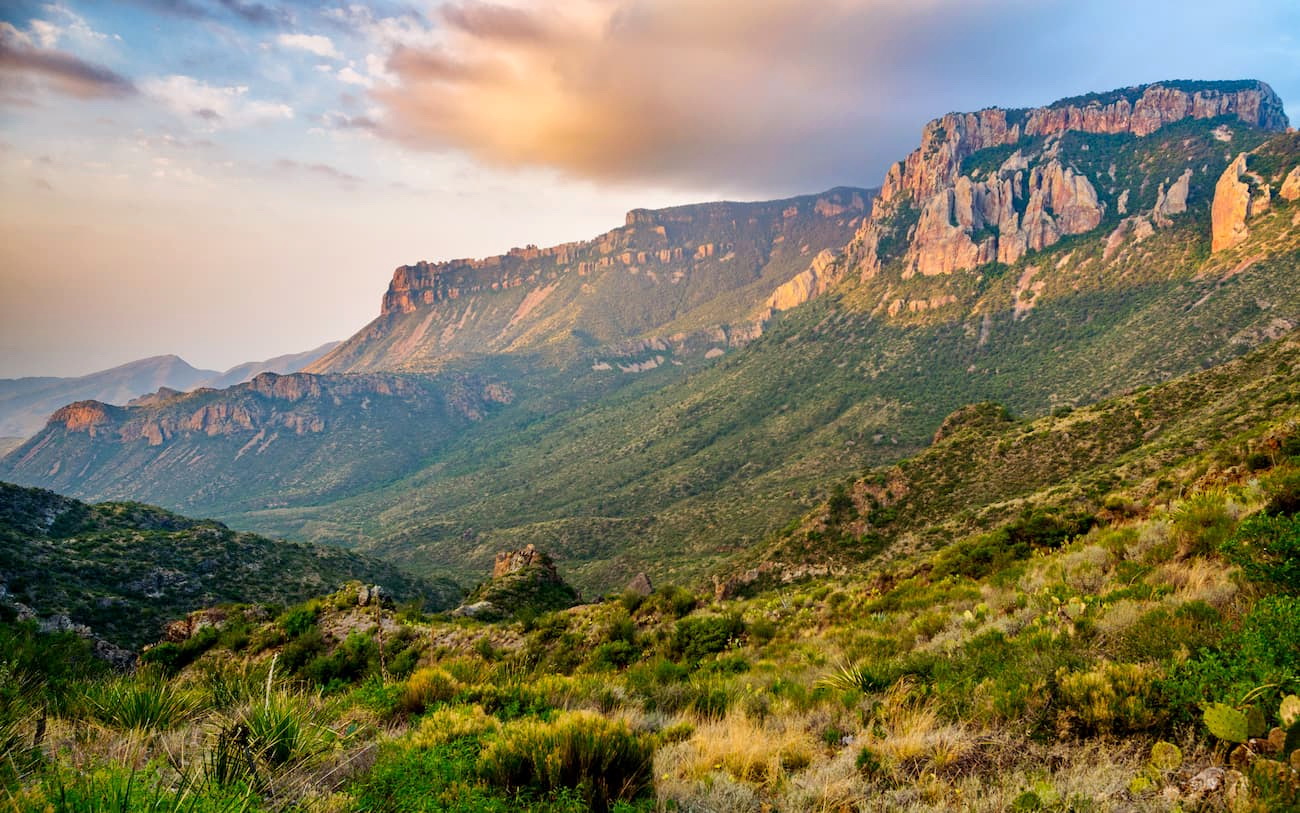
Dispelling the Myth: A Mountainous Reality in West Texas
The existence of mountains in Texas is a fascinating geological story, largely concentrated in the Trans-Pecos region. This area, west of the Pecos River, is part of the vast Chihuahuan Desert and stands in stark contrast to the flatter, greener landscapes found elsewhere in the state. Here, ancient geological forces have uplifted impressive ranges, creating a rugged topography that beckons adventurers and nature enthusiasts alike.
The Trans-Pecos Region: A Geological Wonderland
The Trans-Pecos is a land of extremes and profound beauty. Its geological history includes volcanic activity, tectonic plate movements, and millions of years of erosion, all contributing to the creation of the distinct mountain ranges we see today. These mountains are not mere hills; they are significant peaks, some exceeding 8,000 feet in elevation, offering cooler climates and unique ecosystems compared to the surrounding desert floor. The stark beauty of the landscape, with its dramatic changes in elevation, makes it a prime spot for photography, stargazing, and simply soaking in the vastness of the Texas wilderness.
Big Bend National Park: A Crown Jewel of the Chihuahuan Desert
Undoubtedly, the most famous mountain region in Texas is home to Big Bend National Park. Spanning over 800,000 acres, this colossal national park encapsulates an entire mountain range, the Chisos Mountains, alongside vast desert expanses and a significant portion of the Rio Grande. The Chisos Mountains are the only mountain range in the United States entirely contained within a single national park.
Big Bend National Park is a world-class destination for hiking, backpacking, and wildlife viewing. Its diverse ecosystems support an incredible array of species, from mountain lions and black bears in the higher elevations to roadrunners and javelinas in the desert valleys. The park’s dramatic landscapes include imposing peaks like Emory Peak, which stands at 7,825 feet, and scenic drives like the Ross Maxwell Scenic Drive offering panoramic views of the canyons and the Rio Grande. For a truly immersive experience, visitors can stay at the Chisos Mountain Lodge, nestled high in the mountains, providing unparalleled access to trails and breathtaking sunrises and sunsets.
Exploring Texas’ Iconic Mountain Ranges and Peaks
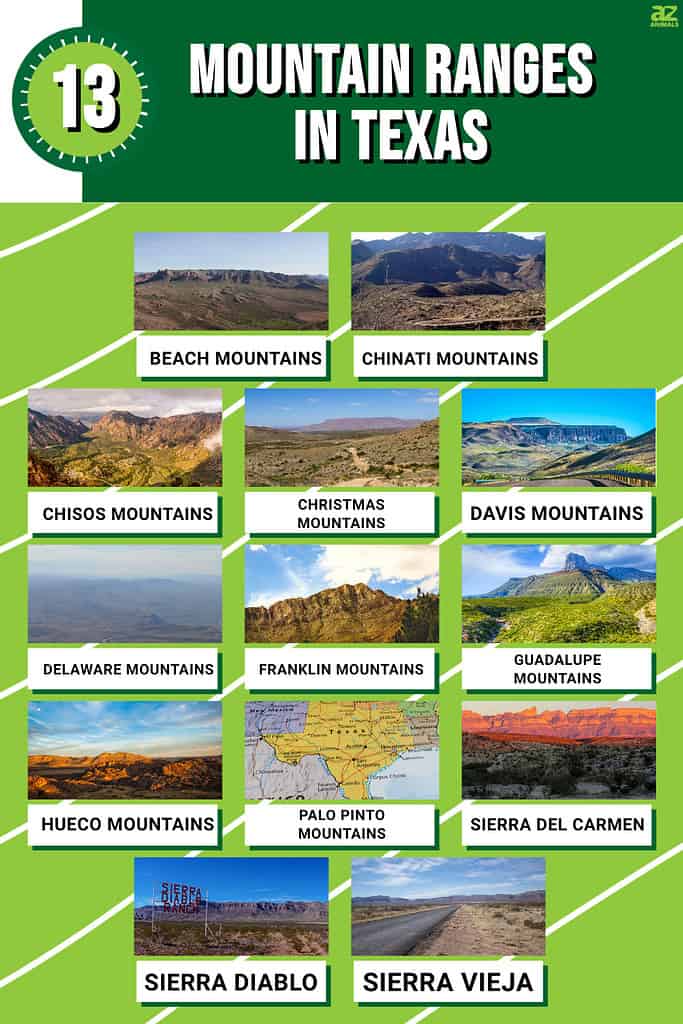
While Big Bend often takes center stage, several other impressive mountain ranges and landmarks contribute to Texas’ mountainous identity, each offering unique attractions and experiences.
The Chisos Mountains and Davis Mountains: High-Altitude Escapes
Beyond the Chisos Mountains within Big Bend, the nearby Davis Mountains present another significant highland area. Located north of Big Bend near the town of Fort Davis, this range is known for its cooler temperatures, lush vegetation (relative to the surrounding desert), and dark night skies. The Davis Mountains are part of an ancient volcanic uplift, resulting in rounded, forested peaks that feel distinctly different from the jagged, arid peaks of Big Bend.
A highlight of a visit to the Davis Mountains is the McDonald Observatory, a world-renowned astronomical research center and public education facility. Perched atop Mount Locke and Mount Fowlkes, the observatory offers incredible stargazing programs and solar viewing opportunities, making it a must-visit for anyone interested in the cosmos. The Davis Mountains Scenic Loop, a 75-mile drive, takes visitors through stunning landscapes, offering views of peaks like Mount Livermore, the second-highest mountain in Texas. Nearby, the historic Fort Davis National Historic Site provides a glimpse into the Old West cavalry life.
Guadalupe Mountains National Park and the Highest Point
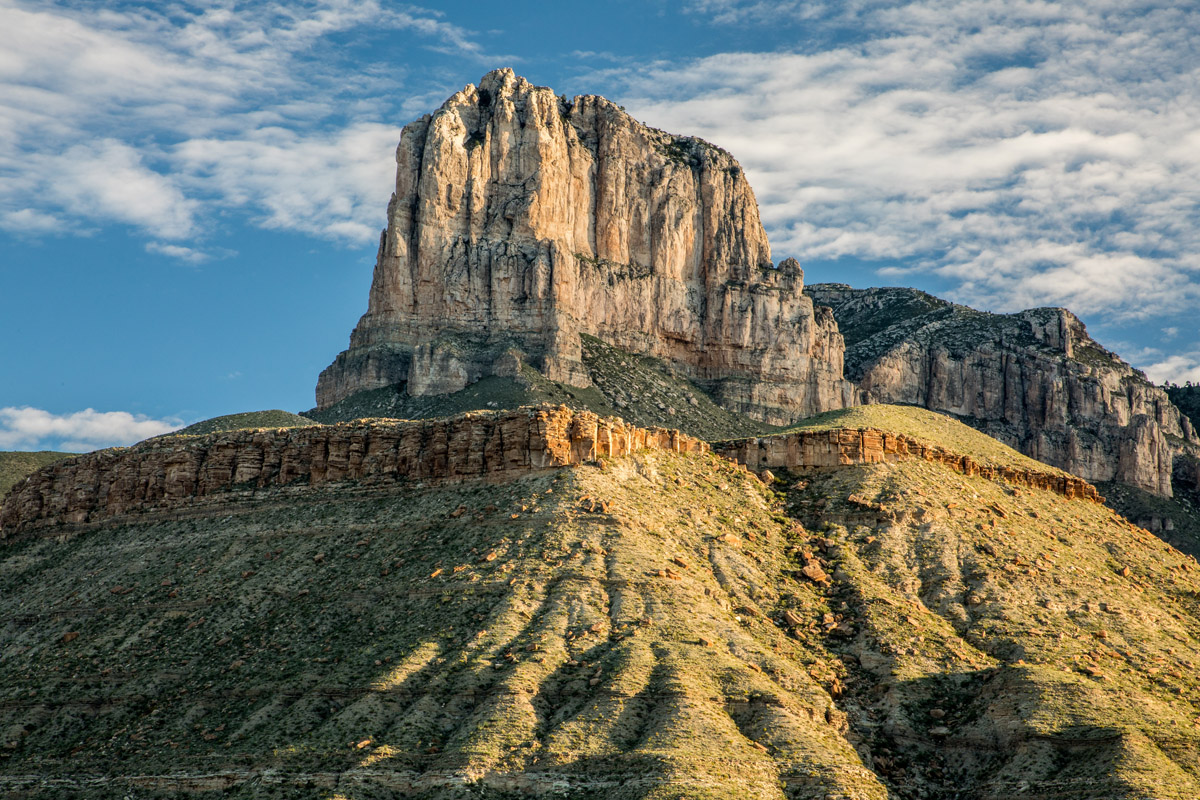
Further north, near the New Mexico border, lies Guadalupe Mountains National Park. This park is home to Guadalupe Peak, which, at 8,749 feet, is the highest point in Texas. The Guadalupe Mountains are a prime example of an ancient fossil reef, uplifted and exposed by geological processes, offering a unique glimpse into prehistoric marine life.
The park is a rugged wilderness, primarily for hikers and backpackers. The demanding, yet incredibly rewarding, trail to the summit of Guadalupe Peak offers unparalleled views across the Chihuahuan Desert. Another highlight is McKittrick Canyon, renowned for its stunning fall foliage, a rare and vibrant spectacle in the desert. Guadalupe Mountains National Park is less developed than Big Bend, making it ideal for those seeking solitude and a true wilderness experience. Camping is available, offering a chance to connect deeply with nature under brilliant dark skies.
The Franklin Mountains: Urban Peaks in El Paso
In a unique juxtaposition, the Franklin Mountains rise majestically within the city limits of El Paso, making it the largest urban state park in Texas. Franklin Mountains State Park offers an incredible opportunity for city dwellers and visitors to easily access hiking, mountain biking, and rock climbing trails just minutes from downtown.
These ancient mountains are composed primarily of Precambrian rock, offering a stark, rugged beauty. The Wyler Aerial Tramway, though currently closed for repairs and upgrades, historically offered panoramic views of El Paso, New Mexico, and Mexico from its summit. Even without the tramway, the park’s extensive trail system provides ample opportunities for exploration and enjoying the elevated perspectives of the city and surrounding desert landscape. It’s a testament to Texas’ diversity that such significant mountains can be found right on the edge of a major metropolitan area.
Beyond the Peaks: Activities, Attractions, and Experiences
The mountains of Texas are not just scenic backdrops; they are playgrounds for a multitude of activities and offer unique cultural experiences that enrich any travel itinerary.
Hiking, Camping, and Outdoor Adventures
For outdoor enthusiasts, the Texas mountains are a paradise.
- Hiking: Trails range from easy, scenic walks to strenuous, multi-day backpacking excursions. In Big Bend, popular trails include the South Rim Trail (offering incredible panoramic views), the Lost Mine Trail, and the challenging Emory Peak ascent. Guadalupe Peak trail is a bucket-list hike, while Franklin Mountains State Park offers accessible urban trails.
- Camping: All national and state parks offer designated campgrounds, from developed sites with amenities to primitive backcountry camping for seasoned adventurers. Camping under the exceptionally dark skies of West Texas is an unparalleled stargazing experience.
- Rock Climbing and Mountain Biking: The rugged terrain of the Franklin Mountains and parts of the Davis Mountains provide excellent opportunities for these adventurous sports.
- Birdwatching and Wildlife Viewing: The diverse ecosystems are home to unique species, including various raptors, desert birds, and larger mammals like mule deer, javelina, and even occasional black bears and mountain lions.
Stargazing and Scenic Drives
The remote nature of West Texas means minimal light pollution, making it one of the best places in North America for stargazing. The McDonald Observatory in the Davis Mountains is a premier location, but simply stepping outside on a clear night in Big Bend or Guadalupe Mountains reveals a spectacular display of stars.
Scenic drives are another highlight. The Davis Mountains Scenic Loop and the various roads within Big Bend National Park (such as the Ross Maxwell Scenic Drive and Paved Park Roads) offer breathtaking vistas around every bend, showcasing the vastness and dramatic beauty of the region.
Discovering Local Culture and Wildlife
Beyond the natural wonders, the towns surrounding these mountain regions offer a glimpse into the unique local culture of West Texas.
- Marfa: Known for its unexplained Marfa Lights and a thriving arts scene, Marfa offers a quirky, artistic contrast to the rugged wilderness. It’s home to contemporary art installations and boutique hotels.
- Alpine: A charming town with a university, Alpine serves as a good base for exploring both the Davis Mountains and Big Bend, offering a range of accommodation and dining options.
- Terlingua: A historic ghost town near Big Bend, Terlingua offers a taste of the Old West with its unique frontier atmosphere, chili cook-offs, and rustic charm.
The mountains and deserts of West Texas are a crucial habitat for various wildlife. Keep an eye out for diverse bird species, javelinas, mule deer, and with luck, a glimpse of a black bear or mountain lion. Respecting these creatures and their habitats is a cornerstone of responsible tourism in the region.
Planning Your Mountain Getaway: Accommodation and Travel Tips
Embarking on a mountain adventure in Texas requires thoughtful planning, especially concerning accommodation and preparedness, to ensure a safe and enjoyable trip.
Hotels, Resorts, and Unique Stays
Accommodation options in West Texas cater to various lifestyles and budgets:
- National Park Lodges: The Chisos Mountain Lodge in Big Bend National Park is the only lodge within the park, offering convenient access to trails and stunning views. Book well in advance, especially during peak seasons.
- Hotels and Motels: Nearby towns like Alpine, Fort Davis, and Marfa offer a range of hotels, from budget-friendly options to charming boutique hotels. El Paso provides extensive hotel choices for those visiting the Franklin Mountains.
- Vacation Rentals and Cabins: For a more private or long-term stay, consider renting a cabin or vacation home in areas surrounding the parks. This is particularly popular in Terlingua or near Marfa.
- Camping: For the most immersive nature experience, national and state parks provide both developed and primitive campsites. Always check park regulations and make reservations if available.
Essential Packing and Safety Advice
The West Texas mountains are beautiful but can be challenging. Proper preparation is key:
- Hydration: Carry plenty of water, far more than you think you’ll need. The desert climate is extremely dehydrating.
- Sun Protection: Wide-brimmed hats, sunglasses, and sunscreen are essential year-round.
- Layers: Temperatures can fluctuate dramatically between day and night, and between elevations. Pack layers of clothing.
- Navigation: While trails are marked, a map, compass, or GPS device is highly recommended, especially for longer hikes. Cell service can be spotty to non-existent.
- Footwear: Sturdy hiking boots are a must for rocky, uneven terrain.
- Wildlife Awareness: Be aware of rattlesnakes, scorpions, and other desert creatures. Give wildlife space.
- Leave No Trace: Pack out everything you pack in, and respect the natural environment.
- Seasonal Considerations: Summers are intensely hot, making spring and fall the most pleasant seasons for hiking. Winters can bring freezing temperatures to higher elevations.
In conclusion, the answer to “Are There Mountains In Texas?” is an resounding yes, and these mountains offer some of the most unique and rewarding travel experiences in the United States. From the vast wilderness of Big Bend and the highest peak at Guadalupe Mountains to the accessible urban peaks of El Paso, Texas’ mountains are a testament to the state’s incredible geographical diversity. They invite visitors to embark on an adventure, challenge their perceptions, and discover a wild, untamed beauty that stands proudly among the nation’s most impressive natural landmarks. So, pack your bags, lace up your boots, and prepare to be amazed by the majestic peaks of the Lone Star State.
LifeOutOfTheBox is a participant in the Amazon Services LLC Associates Program, an affiliate advertising program designed to provide a means for sites to earn advertising fees by advertising and linking to Amazon.com. Amazon, the Amazon logo, AmazonSupply, and the AmazonSupply logo are trademarks of Amazon.com, Inc. or its affiliates. As an Amazon Associate we earn affiliate commissions from qualifying purchases.