
When we think of Las Vegas, images of dazzling lights, towering resorts, and a never-ending party often come to mind. It’s a city synonymous with excess, entertainment, and a certain kind of modern, almost fantastical, American dream. But beneath the glitz and the glamour, a question often lingers for those who visit or even contemplate its history: just how old is this iconic metropolis? The answer, like the city itself, is more complex and layered than a simple number. Las Vegas, as we know it today, is a relatively young city, but its roots stretch back further than many might assume, intertwined with a history of exploration, a strategic railroad stop, and a unique embrace of a particular kind of future.
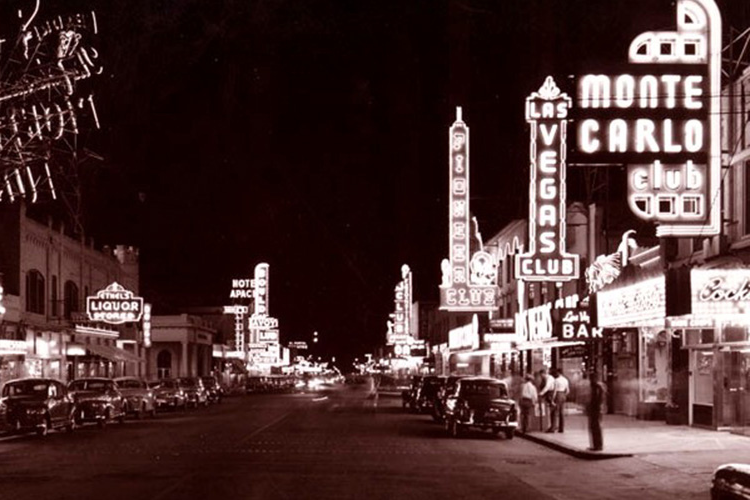
From Desert Outpost to Gambling Haven: The Genesis of “The Meadows”
The story of Las Vegas begins not with neon signs, but with water. The name itself, “Las Vegas,” is Spanish for “The Meadows,” a testament to the natural springs that made this valley a vital oasis for travelers traversing the harsh desert landscape of the American Southwest. Long before it became a household name for entertainment, this region was a stopping point for Spanish explorers in the 18th century and later for American pioneers venturing west.
Early Explorations and the Spanish Trail
The area that would eventually become Las Vegas was first explored by Spaniards in the early 1800s. As part of their expeditions into what is now the state of Nevada, explorers discovered fertile valleys with abundant water, thanks to underground springs. This discovery marked the Las Vegas Valley as a crucial watering hole and resting spot along the Old Spanish Trail, a vital trade route connecting Santa Fe, New Mexico with settlements in Southern California. Imagine weary travelers, their wagons laden with goods, finding solace and replenishment in these “meadows” after arduous journeys across arid plains.
The Mormon Settlement and a Brief Interlude
A more formal settlement began to take shape in the mid-19th century. In 1855, a group of Mormon missionaries, led by William Bringhurst, established a small fort and agricultural community in the Las Vegas Valley. They saw the potential for farming and sought to bring their faith to the region. However, this early settlement proved challenging. The harsh environment, coupled with conflicts with Native American tribes and the eventual withdrawal of the Mormons in 1858, meant that the community was short-lived. While this was an early attempt at organized habitation, it was a far cry from the bustling city that would emerge decades later. The land was largely left to ranching and mining interests for a period.
The Arrival of the Railroad and the Birth of a Town
The true catalyst for the development of Las Vegas as a modern settlement was the arrival of the railroad. In the early 20th century, the San Pedro, Los Angeles & Salt Lake Railroad (later the Union Pacific Railroad) recognized the strategic importance of the Las Vegas Valley as a stopping point. Land was purchased, and in 1905, a townsite was formally laid out and auctioned off. This event is widely considered the official birth of the city of Las Vegas. At this point, Las Vegas was primarily a railroad town, a place for supplies, services, and a brief respite for passengers and crew. The population was small, consisting mainly of railroad workers, ranchers, and merchants. The “city” was little more than a collection of tents and modest buildings clustered around the train depot.
The Rise of the Entertainment Capital: From Prohibition to the Mob
The transformation of Las Vegas from a dusty railroad stop into the “Entertainment Capital of the World” is a story of a unique confluence of factors, most notably its relaxed legal environment and the eventual influx of capital and ambition.
Legalizing Gambling: A Strategic Advantage
One of the most pivotal moments in Las Vegas’s history, and one that directly fueled its meteoric rise, was the legalization of gambling. In 1931, Nevada passed legislation to legalize most forms of gambling. This was a significant move, especially as it came during the Great Depression. While other states struggled economically, Nevada offered a legal avenue for entertainment and revenue generation. For a fledgling town like Las Vegas, this was an unprecedented opportunity. The initial gambling halls were modest, often located in saloons and smaller establishments, but they laid the groundwork for the mega-casinos that would dominate the landscape.
The Post-War Boom and the Dawn of Mega-Resorts
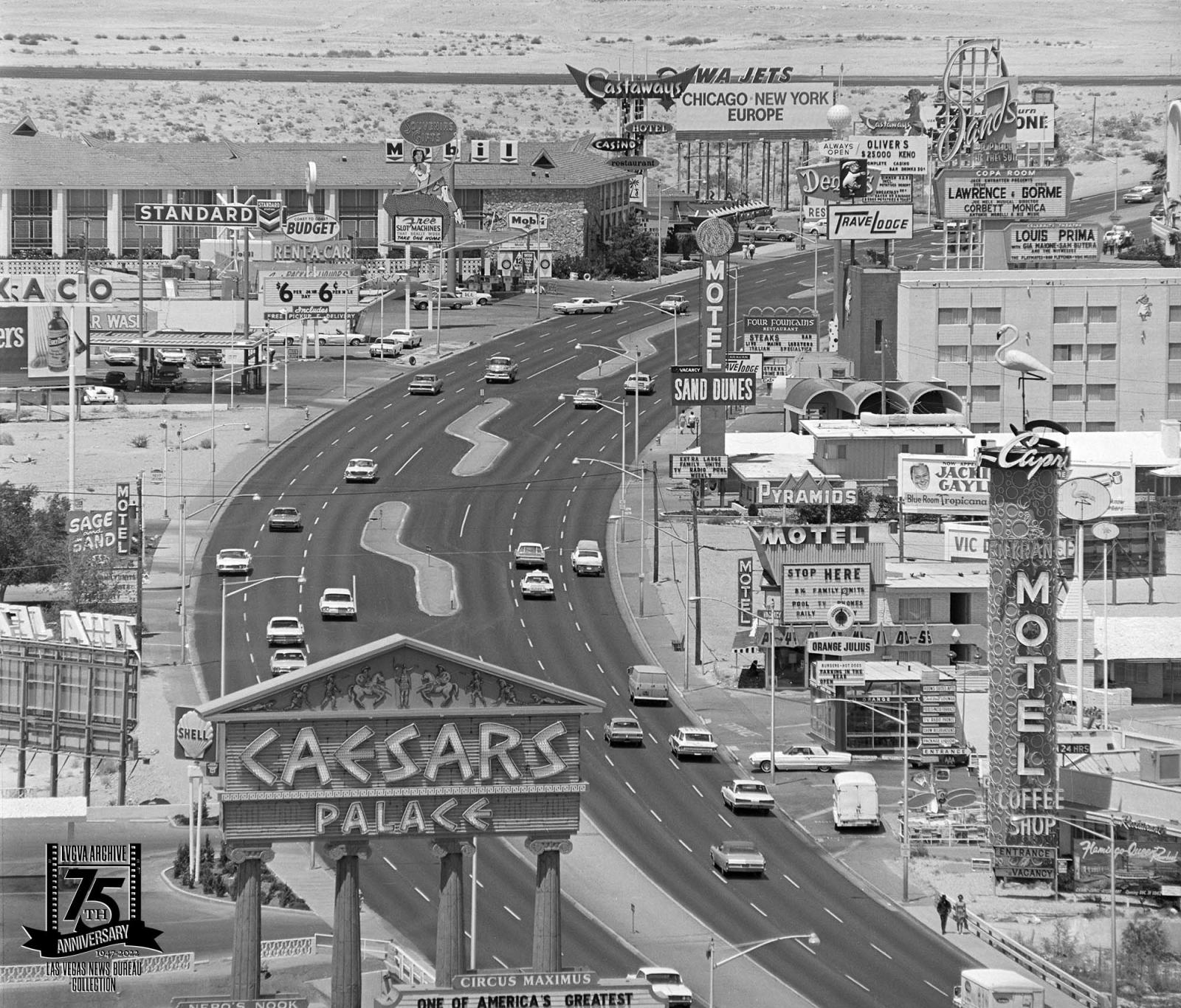
The true explosion in Las Vegas’s development came in the decades following World War II. The city’s reputation as a gambling destination began to grow, attracting visitors from across the United States. It was during this era that the iconic Las Vegas Strip began to take shape. Visionaries and entrepreneurs saw the immense potential for creating larger, more elaborate entertainment complexes.
The late 1940s and 1950s witnessed the construction of many of the early mega-resorts that defined the modern Las Vegas experience. Hotels like the Flamingo Hotel, opened in 1946 by the notorious gangster Bugsy Siegel, were more than just places to gamble; they were integrated entertainment venues, featuring elaborate shows, fine dining, and luxurious accommodations. This era also saw the rise of the “Rat Pack,” a group of entertainers including Frank Sinatra, Dean Martin, and Sammy Davis Jr., whose performances in Las Vegas became legendary, further cementing the city’s image as a playground for the rich and famous.
The Mob’s Influence and the Glittering Empire
It is impossible to discuss the early growth of Las Vegas without acknowledging the significant, albeit controversial, role of organized crime. During the mid-20th century, mobsters from across the country invested heavily in Las Vegas casinos. They saw the potential for enormous profits and used their influence and capital to build some of the most famous resorts. While this period is often romanticized, it’s important to remember the illicit nature of these investments. Nevertheless, their ambition and willingness to spend lavishly on construction, entertainment, and luxurious amenities were instrumental in shaping the opulence and scale of the Las Vegas experience. They were pioneers in creating the integrated resort model – a place where you could eat, sleep, gamble, and be entertained all under one roof.
Las Vegas Today: A Evolving City of Entertainment and Beyond
While its history is rooted in a century of development, the Las Vegas of today is a dynamic and ever-evolving entity, constantly reinventing itself. Its age, by the standards of ancient civilizations or even older American cities, is relatively young, but its impact on tourism and entertainment is immense.
From Gaming Hub to Diversified Destination
For decades, Las Vegas was almost exclusively known for its casinos. However, in recent years, the city has made a concerted effort to diversify its offerings. While gaming remains a cornerstone, there has been a significant push to attract convention business, major sporting events, and a broader spectrum of entertainment. The opening of venues like the Allegiant Stadium, home to the Las Vegas Raiders, and the T-Mobile Arena, which hosts the Vegas Golden Knights hockey team, has transformed the city into a major sports destination. The convention industry also thrives, with facilities like the Las Vegas Convention Center drawing millions of visitors annually for trade shows and business events.
A Culinary and Cultural Crossroads
Beyond the casinos and sports arenas, Las Vegas has also emerged as a significant culinary and cultural hub. The city boasts an impressive array of world-class restaurants, from celebrity-chef establishments to diverse international cuisines. You can find everything from Michelin-starred dining to authentic ethnic eateries, reflecting the global nature of its visitors and workforce. Furthermore, Las Vegas offers a rich tapestry of cultural experiences, including impressive art collections at places like the Bellagio Gallery of Fine Art, vibrant live music venues, and a burgeoning theater scene. Attractions like the High Roller Observation Wheel and the Fremont Street Experience offer unique perspectives and entertainment options that go beyond traditional gambling.
The Enduring Allure: Luxury, Budget, and Everything In Between
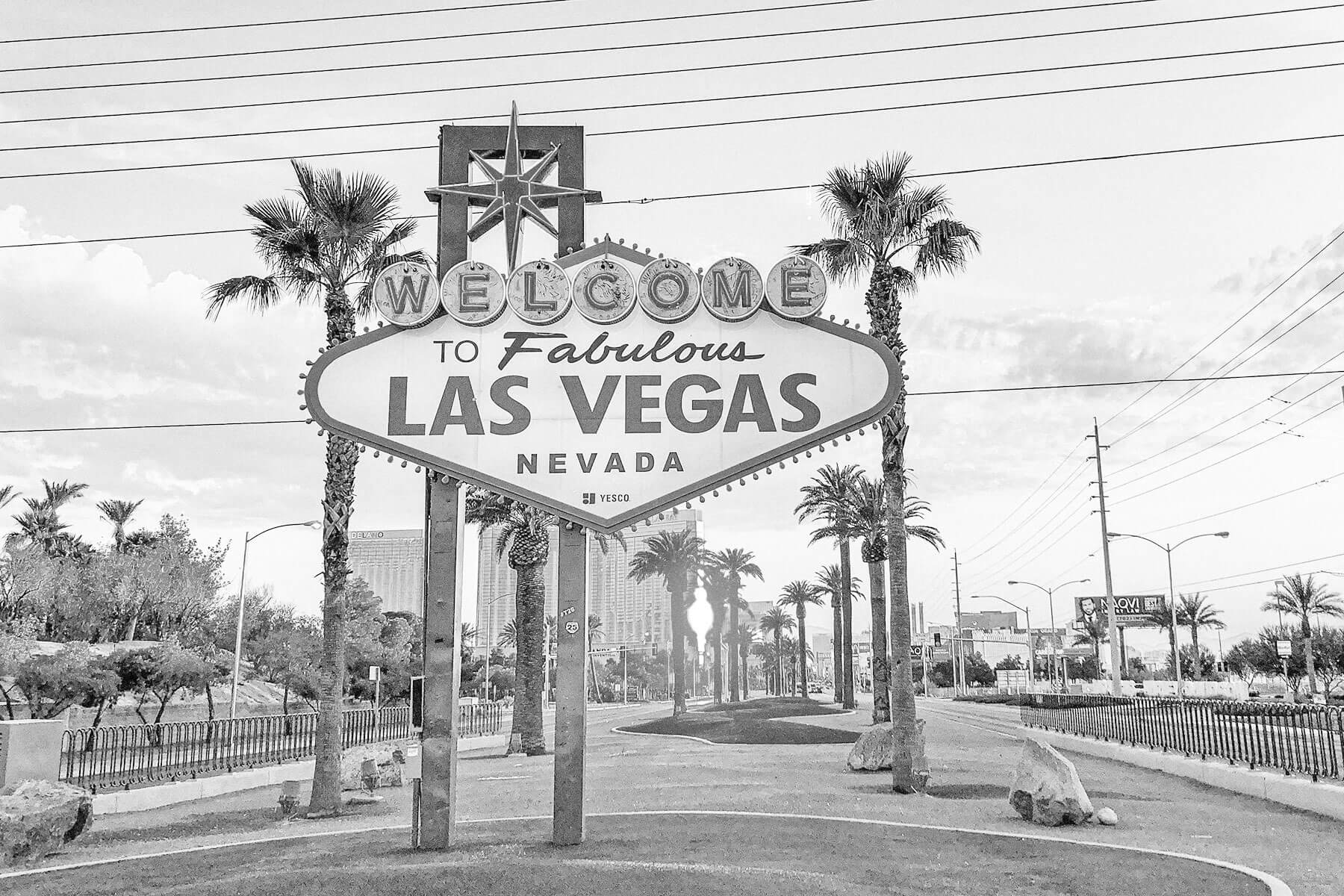
Las Vegas continues to appeal to a wide range of travelers. It’s a prime destination for luxury travel, with opulent hotels and high-end experiences catering to those seeking the finer things. Think of the extravagant suites at the Wynn Las Vegas or the personalized service at the Four Seasons Hotel Las Vegas. Yet, it also remains accessible for budget travelers, with numerous accommodation options and a plethora of free entertainment and activities. Whether you’re looking for a lavish honeymoon, a thrilling family vacation, or a productive business stay, Las Vegas has an experience tailored to your needs. Its ability to cater to such diverse lifestyles is a testament to its adaptability and its enduring appeal as a unique American landmark.
In conclusion, while the physical city of Las Vegas might not boast centuries of history like Rome or Paris, its story is one of rapid, dramatic evolution. Founded as a railroad town in 1905, it officially celebrated its centennial in 2005. However, its true essence as a vibrant, dynamic, and globally recognized entertainment capital blossomed most significantly in the mid-to-late 20th century. Las Vegas is a testament to human ingenuity, ambition, and the creation of an artificial oasis that draws millions to its electrifying embrace, making it a relatively young, yet eternally ageless, marvel of modern tourism.
LifeOutOfTheBox is a participant in the Amazon Services LLC Associates Program, an affiliate advertising program designed to provide a means for sites to earn advertising fees by advertising and linking to Amazon.com. Amazon, the Amazon logo, AmazonSupply, and the AmazonSupply logo are trademarks of Amazon.com, Inc. or its affiliates. As an Amazon Associate we earn affiliate commissions from qualifying purchases.