
Navigating the financial landscape of any travel destination can feel like deciphering a complex map, and when it comes to the Golden State, understanding its tax structure is no exception. While the allure of California’s diverse attractions—from the sun-drenched beaches of Southern California to the majestic redwood forests of the north, and the vibrant cultural hubs of Los Angeles and San Francisco—draws millions of visitors annually, it’s prudent for both travelers and residents to have a grasp of the tax implications. This is particularly true when considering accommodation, local purchases, and various activities that contribute to the rich tapestry of tourism in California.
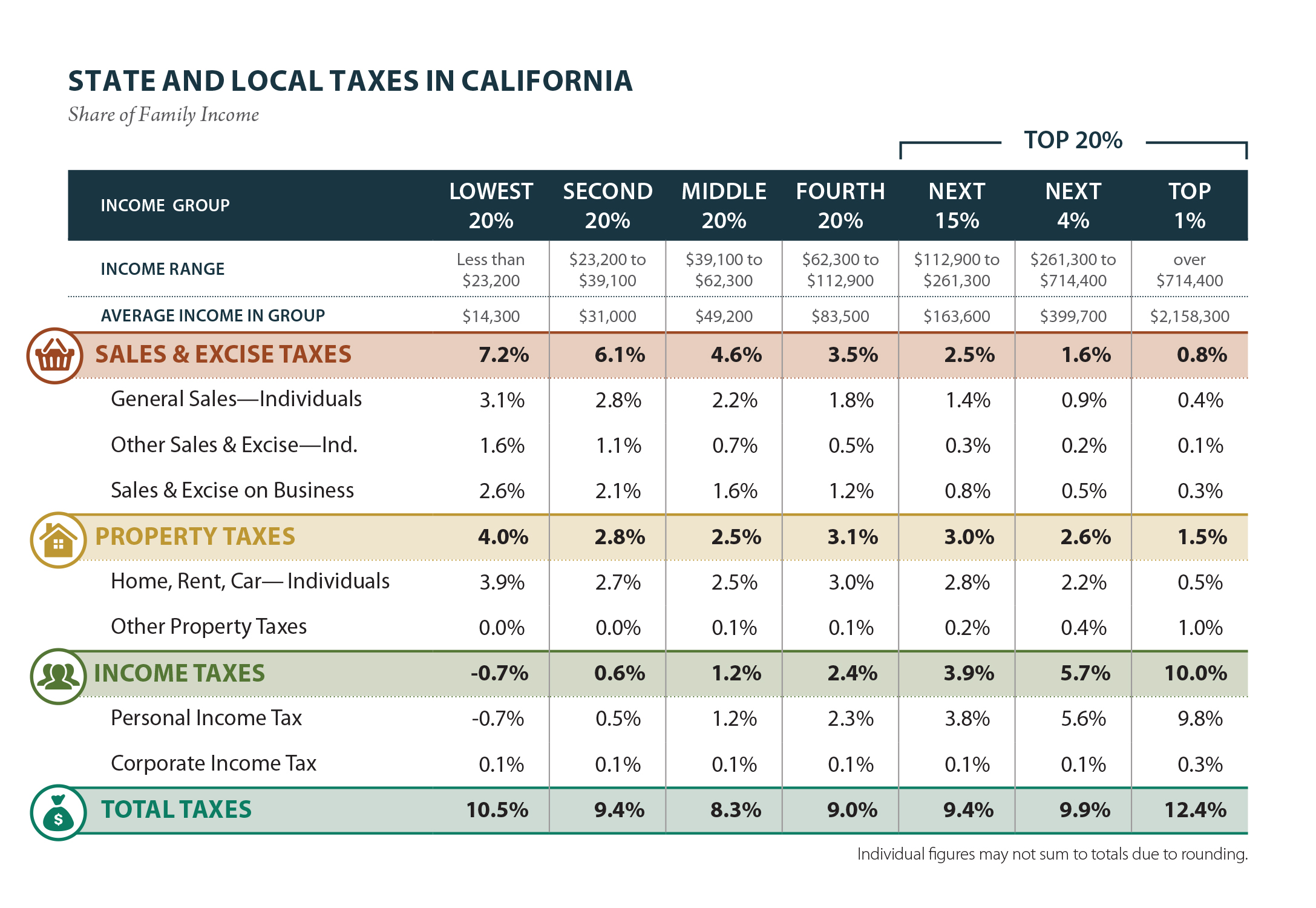
The question of “What are California State Tax Rates?” is multifaceted, extending beyond a single percentage. It encompasses sales tax, income tax, and even specific taxes levied on certain goods and services. For the discerning traveler planning a trip, or for someone considering a long-term stay in a Californian apartment or villa, understanding these rates can significantly impact the overall budget. This knowledge empowers informed decisions, whether you’re booking a luxurious stay at a resort in Napa Valley or simply enjoying a meal at a local eatery in San Diego.
Understanding California’s Sales Tax Structure
At its core, California’s sales and use tax is a significant component of the state’s revenue, funding essential public services. It’s a tax applied to the retail sale of tangible personal property, as well as specific services. However, what often complicates this is that the statewide rate is just the foundation; local jurisdictions—counties and cities—have the authority to impose additional district taxes, often referred to as local option taxes. This means the actual sales tax rate you encounter can vary considerably depending on where you are within the state.
The Statewide Base Rate and Its Application
The statewide portion of the California sales tax rate is currently 7.25%. This rate is applied to most retail transactions. It’s crucial to remember that this base rate is a constant across the entire state, but it’s rarely the final figure you’ll see at the checkout. When you purchase souvenirs at a gift shop near the Golden Gate Bridge, dine at a restaurant in Hollywood, or rent a car for an adventure along the Pacific Coast Highway, this 7.25% forms the bedrock of the sales tax.
The “use tax” is the counterpart to the sales tax. It applies when you purchase items outside of California but bring them into the state for use, storage, or consumption. This is intended to prevent residents from evading sales tax by shopping out of state. For instance, if you order goods online from an out-of-state vendor that doesn’t collect California sales tax, you are generally required to remit the use tax directly to the state. The rate for use tax is the same as the sales tax rate in your locality.
Local Option Taxes: The Variable Factor
The significant variability in the total sales tax rate stems from these local option taxes. These are voter-approved taxes that can be added to the base state rate. They are typically levied to fund specific local projects, such as public transportation, parks and recreation, or infrastructure improvements within a particular county or city. Consequently, as you travel from one Californian city to another, the sales tax rate can fluctuate.
For example, a purchase made in Los Angeles County will likely have a different total sales tax rate than a purchase in San Francisco County, even though both are major tourist destinations. Some of the highest combined sales tax rates can be found in areas with multiple district taxes. This is a critical piece of information for anyone planning to make significant purchases, rent accommodation for an extended period, or engage in a multitude of paid activities during their travels. Understanding these local nuances ensures accurate budgeting for your California lifestyle experience. The California Department of Tax and Fee Administration (CDTFA) publishes detailed information on these district taxes, which is an invaluable resource for precise rate lookups by location.
Beyond Sales Tax: Income Tax Considerations
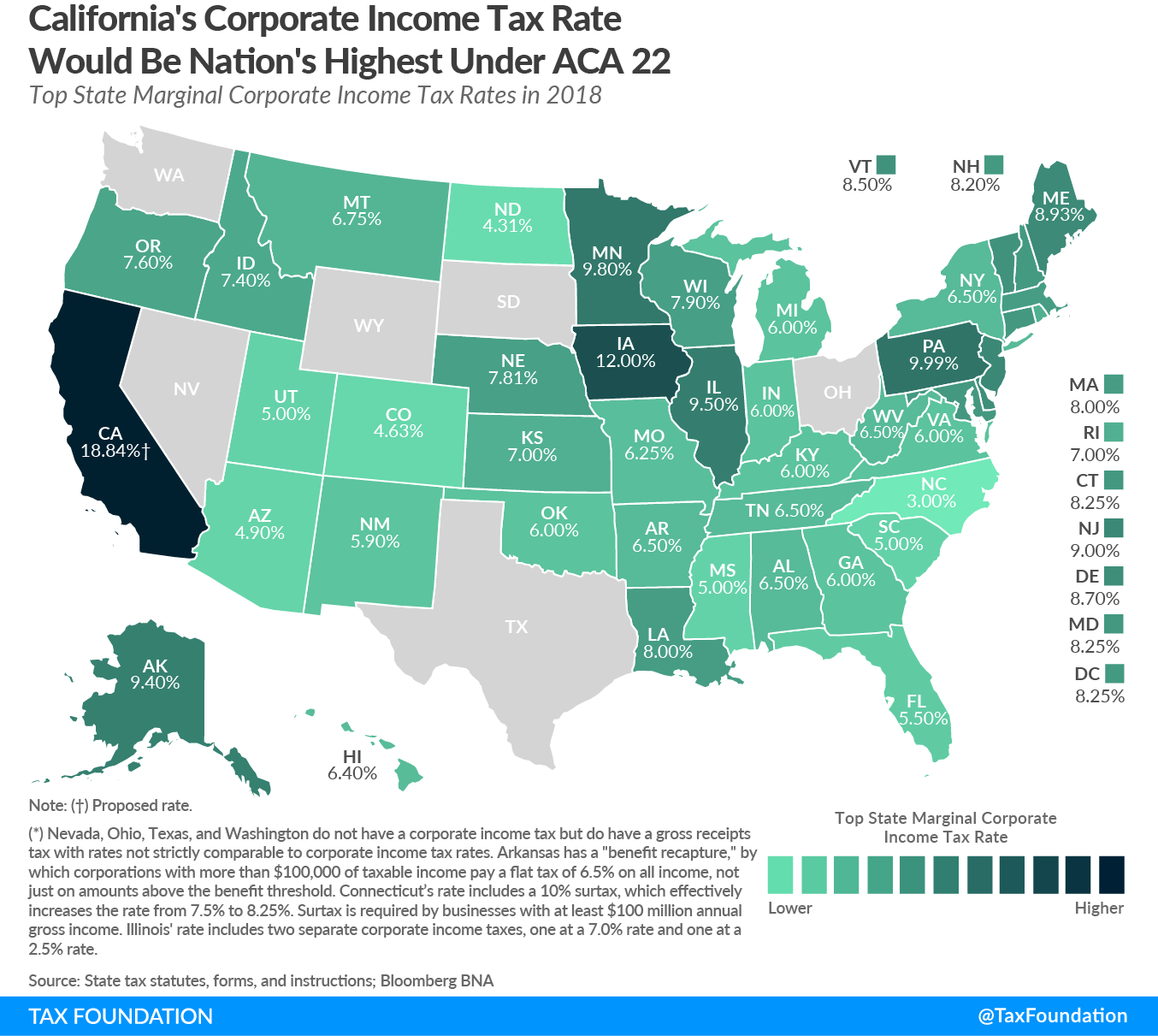
While sales tax is immediately noticeable on everyday purchases, California’s state income tax is a major fiscal consideration, especially for residents, those earning income within the state, or individuals engaged in long-term stays that might blur the lines of residency. California operates under a progressive income tax system, meaning that higher earners are subject to higher tax rates. This progressive structure is designed to ensure that those with a greater ability to pay contribute more to state revenues.
Progressive Income Tax Brackets
The income tax rates in California are divided into several brackets, with rates ranging from a low of 1% to a high of 13.3% for the highest earners. These brackets are adjusted annually for inflation, so the exact income thresholds for each bracket can change. For individuals, married couples filing jointly, and heads of household, the calculation of taxable income involves several steps, including subtracting deductions and exemptions from gross income.
For example, if you are a digital nomad working remotely from a Californian city like Santa Monica for an extended period, you may become subject to the state’s income tax laws, depending on the duration of your stay and the source of your income. Similarly, if you own property in California and derive rental income from it, that income will be taxed at the state level. Understanding these progressive brackets is vital for financial planning, whether you’re a temporary visitor enjoying the lifestyle or a permanent resident.
Franchise Tax for Businesses
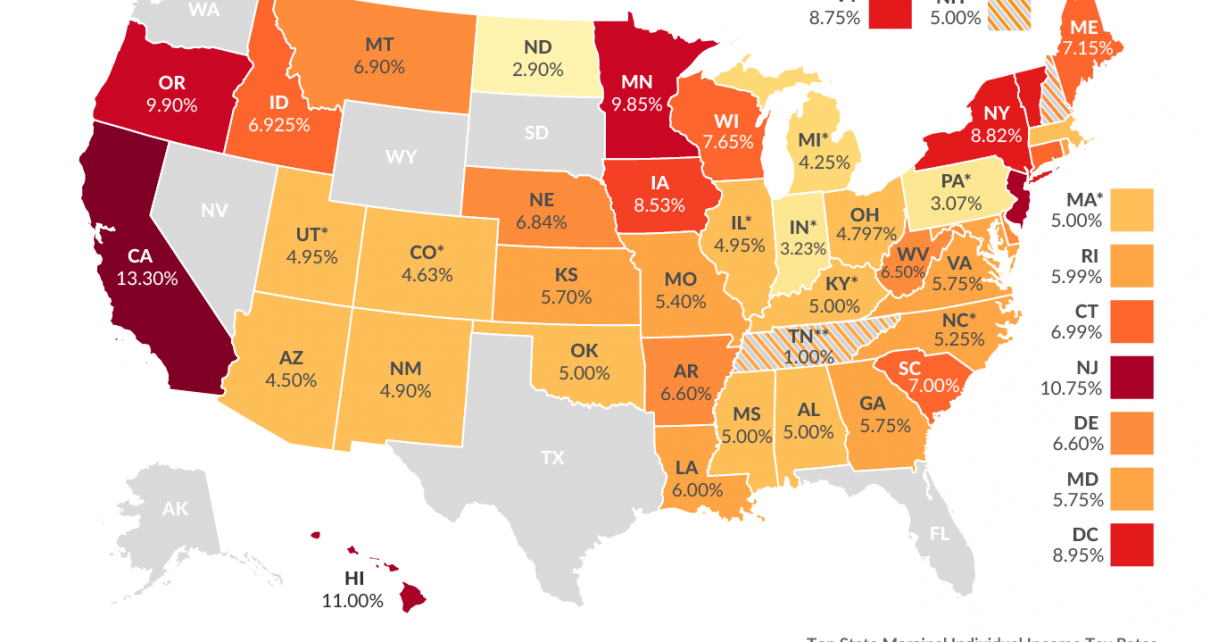
In addition to individual income tax, businesses operating in California are subject to a franchise tax. This tax is based on a business’s net income. The standard franchise tax rate for most corporations is 8.84%. This applies to a wide range of entities, including many hotels and tourism-related businesses that form the backbone of the state’s economy. For certain entities, like S corporations and partnerships, there are also annual minimum franchise taxes. This tax is a crucial aspect for any business considering establishing operations or expanding their presence within the state, impacting their overall profitability and operational costs.
Specific Taxes and Fees in California Tourism
Beyond the broad strokes of sales and income tax, California imposes several other taxes and fees that are particularly relevant to the tourism sector and the experiences it offers. These can affect the cost of travel, accommodation, and specific activities, providing additional layers to the “What are California State Tax Rates?” query.
Taxes on Accommodation and Lodging
When you book a hotel suite, a luxurious resort, or even an apartment for a longer stay in California, you’ll encounter taxes specifically levied on lodging. These are typically a combination of state, county, and city taxes. The Transient Occupancy Tax (TOT), also known as a hotel tax or bed tax, is common across the state. The rates for TOT vary significantly by location. For instance, cities like San Francisco and Los Angeles have their own TOT rates, often in addition to state sales tax. These taxes are paid by individuals occupying hotel rooms for less than a certain period, typically 30 days. For those considering a long-term stay, understanding the distinction between short-term occupancy taxes and potential rental income tax obligations is important.
Taxes on Specific Goods and Services
California also levies taxes on specific goods and services that are often part of the travel experience. For example, gasoline is subject to state excise taxes, which contribute to road maintenance and infrastructure. Alcoholic beverages and tobacco products also carry excise taxes. Furthermore, certain recreational activities or specific industries might have unique taxes or fees associated with them. While these might not always be as prominent as sales tax, they contribute to the overall cost of enjoying California’s many attractions, from theme parks to wineries.
Environmental and Tourism-Related Fees
In an effort to promote sustainability and manage the impact of tourism, California has introduced various environmental initiatives and fees. While not always classified as “taxes” in the traditional sense, they function similarly by adding to the cost of certain activities or amenities. For example, fees for state park admissions, certain conservation efforts, or the use of specific recreational areas can be considered part of the overall financial landscape of visiting California. These often directly support the preservation of the state’s natural beauty, ensuring landmarks like Yosemite National Park and the redwood forests remain for future generations to explore.
In conclusion, the answer to “What are California State Tax Rates?” is not a simple figure but a composite of various levies. From the base sales tax, amplified by local options, to progressive income taxes and specific fees on accommodation and services, understanding these rates is fundamental for anyone engaging with the Californian economy, whether for leisure, business, or a new beginning. This comprehensive awareness allows for more accurate budgeting and a more enjoyable experience of all that California has to offer.
LifeOutOfTheBox is a participant in the Amazon Services LLC Associates Program, an affiliate advertising program designed to provide a means for sites to earn advertising fees by advertising and linking to Amazon.com. Amazon, the Amazon logo, AmazonSupply, and the AmazonSupply logo are trademarks of Amazon.com, Inc. or its affiliates. As an Amazon Associate we earn affiliate commissions from qualifying purchases.