
When planning a trip to the dazzling and dynamic metropolis of Las Vegas, a common question that arises, often overlooked amidst the allure of casinos and entertainment, is its precise geographical location. More specifically, “What county is Las Vegas in?” Understanding this administrative division is not just a trivia point; it can subtly influence your travel experience, from understanding local regulations to appreciating the broader context of the Nevada landscape. While the city of Las Vegas itself is a vibrant entity, it exists within a larger administrative framework, and pinpointing its county is essential for a comprehensive grasp of the region.
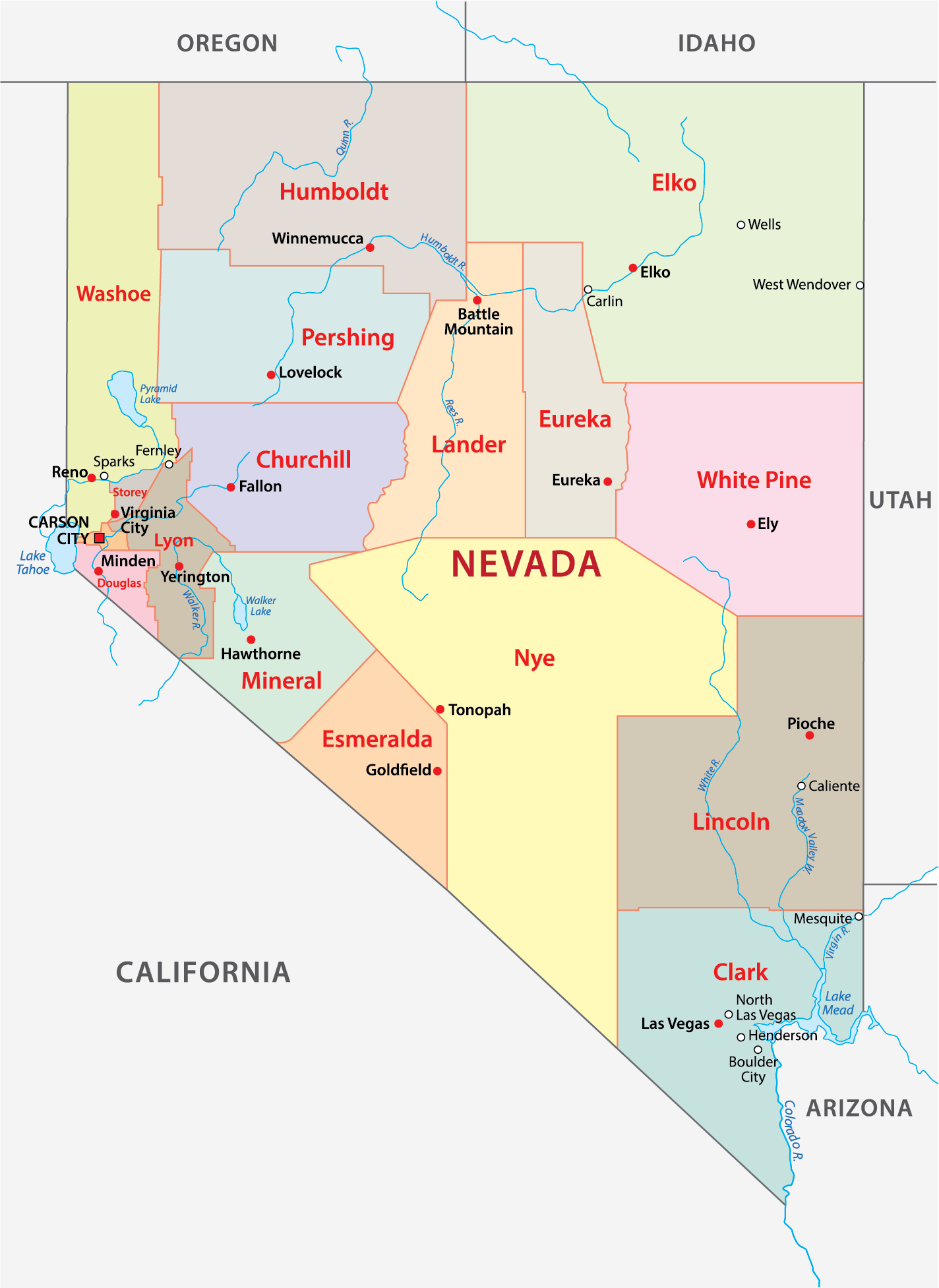
The answer is straightforward yet important: Las Vegas is located in Clark County, Nevada. This county is the most populous in the state and is synonymous with the iconic Las Vegas Strip, a global epicenter of entertainment and a magnet for millions of tourists annually. Clark County encompasses not only the bustling city of Las Vegas but also other significant communities like Henderson, North Las Vegas, and Boulder City, each contributing to the unique character of Southern Nevada.
The geographical boundaries of Clark County are extensive, stretching across a significant portion of southeastern Nevada. It is bordered by California to the southwest and Arizona to the southeast, with the mighty Colorado River serving as a natural demarcation for much of its southern and eastern edge. This strategic location has played a pivotal role in the development of the region, facilitating trade, tourism, and access to vital resources. The presence of the Colorado River is particularly noteworthy, as it is the lifeblood of the desert Southwest and the source of water for the rapidly growing communities within Clark County. The famous Hoover Dam, a marvel of engineering and a significant landmark, is situated on the border between Nevada and Arizona, within Clark County, underscoring the county’s importance in managing and harnessing this critical water resource.
Understanding that Las Vegas resides within Clark County provides a crucial context for your visit. It means that local laws, services, and even the general administrative policies that govern the region originate from the Clark County government. This layer of governance is in addition to the municipal government of the city of Las Vegas itself. For travelers, this might translate into understanding different regulations regarding alcohol consumption, public conduct, or even specific event permits. While the city of Las Vegas has its own mayor and city council, Clark County Commissioners oversee broader regional issues that affect all residents and visitors within the county’s jurisdiction.
Exploring the Gems of Clark County
The allure of Las Vegas extends far beyond its famous casinos and extravagant shows. Clark County is a treasure trove of diverse attractions, catering to every type of traveler, from the thrill-seeker to the history buff, the nature enthusiast to the luxury seeker. Its landscape is as varied as its entertainment options, offering a compelling blend of urban excitement and natural wonders.
Beyond the Strip: Unveiling Clark County’s Natural and Historical Wonders
While the Las Vegas Strip is undeniably the most recognized attraction, Clark County offers a wealth of experiences that delve into the region’s natural beauty and rich history. These lesser-known, yet equally captivating, destinations provide a deeper understanding of the area and offer a welcome respite from the constant buzz of the city.
Natural Landscapes and Outdoor Adventures
The stark beauty of the desert is a defining characteristic of Clark County, and several natural landmarks offer breathtaking vistas and opportunities for outdoor recreation.
-
Red Rock Canyon National Conservation Area: Just a short drive west of Las Vegas, Red Rock Canyon is a spectacular geological formation showcasing vibrant red sandstone cliffs, desert flora, and diverse wildlife. Its scenic loop drive offers unparalleled views, and numerous hiking trails cater to all fitness levels, from leisurely strolls to challenging climbs. The area is also a popular destination for rock climbing and horseback riding, allowing visitors to immerse themselves in the raw beauty of the Mojave Desert. The visitor center provides valuable information about the geology, flora, and fauna of the region, enhancing the educational aspect of the visit.
-
Valley of Fire State Park: Located about an hour northeast of Las Vegas, Valley of Fire is Nevada‘s oldest and largest state park. It is renowned for its stunning Aztec sandstone outcroppings that have been sculpted by wind and water into fantastical shapes. The vibrant colors, ranging from deep reds to oranges and pinks, make it a photographer’s paradise. Popular activities include hiking through the park’s canyons, exploring ancient petroglyphs left by the Moapa Paiute people, and simply enjoying the panoramic desert scenery. The park’s dramatic landscapes have also served as a backdrop for numerous Hollywood films.
-
Lake Mead National Recreation Area: Created by the construction of the Hoover Dam, Lake Mead is a vast reservoir offering a wide array of water-based activities. Visitors can enjoy boating, swimming, fishing, and kayaking on the pristine waters. The surrounding landscape is equally engaging, with opportunities for hiking, camping, and exploring hidden coves. The Lake Mead Visitor Center provides insights into the history of the dam and the ecological significance of the lake. Its sheer scale makes it a vital recreational hub for the region and a testament to human ingenuity in harnessing natural resources.
Historical Sites and Cultural Insights
Clark County‘s history is deeply intertwined with the development of the American West, the construction of monumental infrastructure, and the evolution of its unique identity.
- Hoover Dam: This iconic landmark, straddling the border of Nevada and Arizona, is a testament to engineering prowess and a significant historical site. Tours of the dam offer a fascinating glimpse into its construction, operation, and the immense power it generates. Standing on the dam and gazing out at the vast expanse of Lake Mead is an awe-inspiring experience, offering a profound sense of scale and accomplishment. The dam not only provides hydroelectric power but also plays a crucial role in water management for several states in the Southwest.
-
Old Las Vegas Mormon Fort State Historic Park: This humble adobe fort, located in downtown Las Vegas, represents the earliest permanent settlement in the Las Vegas Valley. Established by a group of Mormon missionaries in 1855, it served as a religious outpost and a stopping point for travelers along the Mormon Trail. Visiting the fort provides a tangible connection to the pioneering spirit of the region and offers a stark contrast to the modern city that grew around it. It’s a quiet reminder of the humble beginnings from which the vibrant Las Vegas emerged.
-
Neon Museum: For a vibrant and nostalgic journey into Las Vegas‘s past, the Neon Museum is an absolute must-visit. This open-air museum preserves iconic neon signs from the city’s historic casinos and businesses. Walking through the “Boneyard” of these dazzling relics is like stepping back in time, offering a unique perspective on the evolution of Las Vegas‘s visual identity and its cultural impact. Each sign tells a story, reflecting different eras of glamour, ambition, and innovation.
Accommodation and Lifestyle Choices in Clark County
Clark County, with Las Vegas at its heart, offers an unparalleled spectrum of accommodation options and lifestyle choices, catering to every budget and preference. Whether you’re seeking opulent luxury, budget-friendly practicality, or a long-term home base, the county delivers.
From Luxury Resorts to Budget-Friendly Stays
The Las Vegas Strip is synonymous with world-class hotels, boasting amenities that redefine the concept of hospitality.
-
The Bellagio Hotel & Casino: Famous for its iconic fountains, exquisite art collection, and luxurious accommodations, The Bellagio offers a quintessential Las Vegas experience. Its opulence and impeccable service are hallmarks of the high-end resort industry.
-
The Venetian Resort Las Vegas: Mimicking the charm of Venice, The Venetian offers elaborate suites, gondola rides, and a plethora of dining and entertainment options. It exemplifies the immersive themed experiences that Las Vegas is known for.
-
MGM Grand Hotel & Casino: One of the largest hotels in the world, the MGM Grand provides a vast array of rooms, suites, entertainment venues, and dining establishments, catering to a wide range of visitors.
Beyond these iconic establishments, Clark County offers a diverse range of lodging. In neighboring cities like Henderson and North Las Vegas, you can find more budget-friendly hotel chains and motels that still provide convenient access to the city’s attractions. For those seeking a more intimate or residential experience, serviced apartments and villas are increasingly available, offering the comforts of home with the flexibility to explore at your own pace. These options are particularly appealing for longer stays or for families who prefer more space and self-catering facilities. The rise of vacation rentals also provides unique opportunities to stay in local neighborhoods, offering a different perspective on Clark County living.

Tailoring Your Las Vegas Experience
The beauty of Clark County lies in its ability to cater to diverse lifestyles.
-
Luxury Travel: For those seeking the pinnacle of indulgence, Las Vegas offers Michelin-starred dining, designer boutiques, world-class spas, and exclusive VIP experiences. Many resorts on the Strip provide presidential suites and personalized concierge services to cater to the most discerning guests.
-
Budget Travel: Las Vegas is surprisingly accessible for budget-conscious travelers. Beyond affordable hotels, there are numerous free attractions, like the Bellagio fountains and the street performers on the Strip. Exploring local eateries away from the main tourist drag can also significantly reduce dining costs. Many off-Strip casinos offer competitive room rates and gambling options.
-
Family Trips: While often perceived as an adult playground, Las Vegas has significantly expanded its family-friendly offerings. Attractions like the Shark Reef Aquarium at Mandalay Bay, the High Roller Observation Wheel, and various theme park-like attractions within resorts make it a viable destination for families. Many hotels offer kids’ clubs and family suites.
-
Business Stays: Las Vegas is a major convention and trade show hub, with extensive convention centers like the Las Vegas Convention Center. Hotels are well-equipped to handle business travelers, offering business centers, meeting rooms, and high-speed internet. The proximity of many hotels to these venues makes them ideal for corporate travelers.
In essence, understanding that Las Vegas resides within Clark County, Nevada, is the first step to unlocking the full potential of this extraordinary destination. It’s a place where the glitz and glamour of the entertainment capital seamlessly blend with the rugged beauty of the desert, the rich tapestry of its history, and the diverse needs of its visitors. Whether you’re drawn by the bright lights of the Strip or the serene landscapes of the surrounding natural areas, Clark County promises an unforgettable experience, shaped by its unique administrative identity and its boundless offerings.
LifeOutOfTheBox is a participant in the Amazon Services LLC Associates Program, an affiliate advertising program designed to provide a means for sites to earn advertising fees by advertising and linking to Amazon.com. Amazon, the Amazon logo, AmazonSupply, and the AmazonSupply logo are trademarks of Amazon.com, Inc. or its affiliates. As an Amazon Associate we earn affiliate commissions from qualifying purchases.