
Colorado, often called the Centennial State, is a land of breathtaking contrasts, where majestic mountains give way to expansive plains, and verdant forests transition into high deserts. For travelers and residents alike, understanding the diverse plant life that flourishes across its varied terrain is a key part of appreciating its unique beauty. But when it comes to gardening and horticulture, a fundamental question arises: “What plant hardiness zone is Colorado?” The answer, much like Colorado itself, is far from simple, encapsulating a mosaic of microclimates and elevations that range from temperate zones perfect for a wide array of garden favorites to extreme alpine environments where only the toughest native species can survive.
This intricate tapestry of plant zones not only dictates what can be grown in backyard gardens and urban landscapes but also shapes the very scenery that draws millions of tourists to Colorado each year. From the high-altitude splendor of Rocky Mountain National Park to the arid beauty surrounding Grand Junction, each region offers a distinct botanical experience. For those considering a move, a long-term stay, or simply planning a visit, understanding these zones enriches the entire experience, offering insight into the local environment, culture, and the lifestyle of those who call this remarkable state home. This article will delve into the complexities of Colorado’s plant hardiness zones, exploring how they are determined, what they mean for gardening and landscaping, and how they contribute to the state’s allure as a premier travel destination.
Unpacking Colorado’s Diverse Plant Hardiness Zones
The concept of plant hardiness zones is crucial for anyone interested in gardening or simply appreciating the flora of a region. These zones provide a standard for determining which plants are most likely to thrive in a particular location, primarily based on the average annual extreme minimum winter temperature. In Colorado, however, this standard is just the beginning of a much more nuanced story.
The Science Behind the Zones: Elevation, Microclimates, and Geography
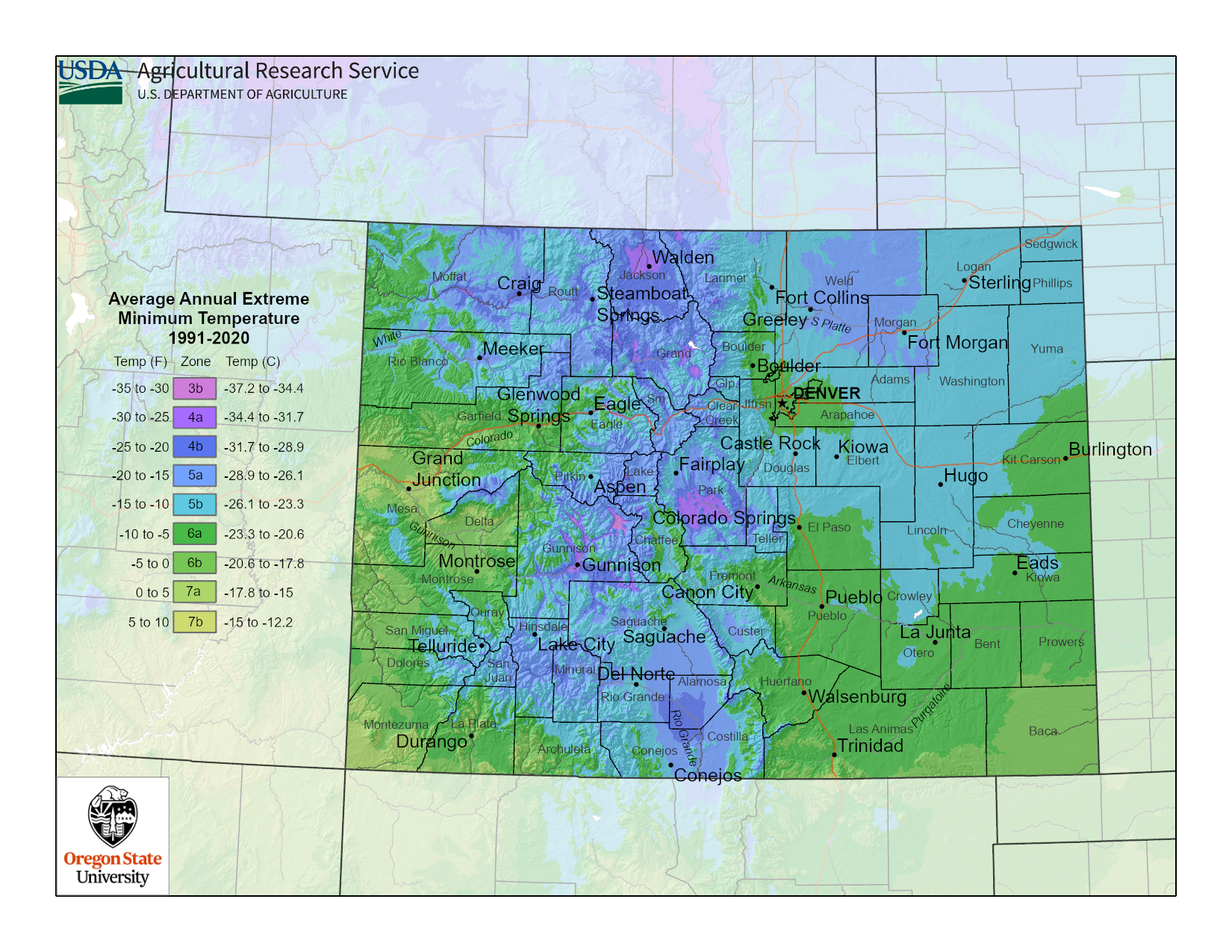
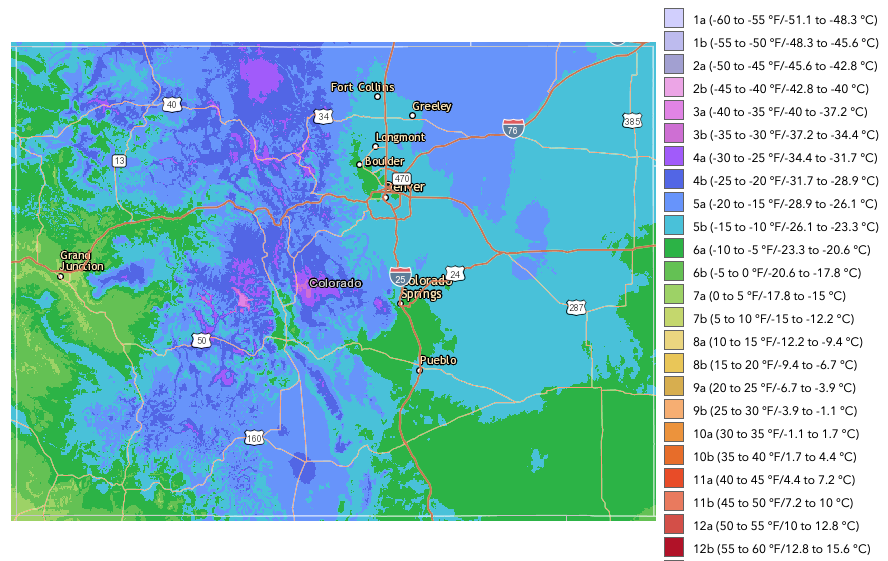
The USDA Plant Hardiness Zone Map is the universally accepted benchmark for gardeners, dividing North America into zones based on the lowest winter temperatures. These zones range from 1 (the coldest) to 13 (the warmest), each representing a 10-degree Fahrenheit difference, further subdivided into ‘a’ and ‘b’ for finer distinctions. Colorado’s topography, however, introduces layers of complexity that make a single zone designation impossible.
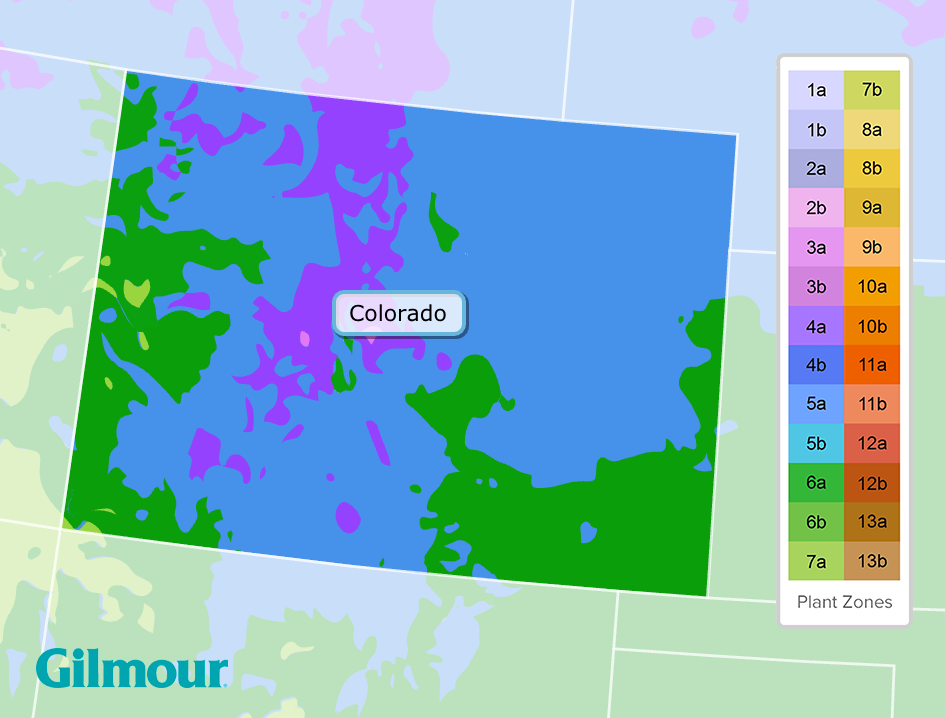
The state’s elevation varies dramatically, from a low of around 3,350 feet on the eastern plains to over 14,000 feet at the summits of its highest peaks, such as Mount Elbert. This vast elevation range directly impacts temperatures, precipitation, and growing seasons. As a general rule, higher elevations correspond to colder temperatures and shorter growing seasons, thus placing them in lower hardiness zones. For instance, while much of the Front Range urban corridor, including Denver, typically falls within Zone 5b to 6a, areas in the high mountains can dip into Zone 3a or even lower.
Beyond elevation, Colorado is characterized by distinct geographical regions, each with its own climate patterns:
- The Front Range Urban Corridor: This heavily populated area, stretching from Fort Collins south to Colorado Springs and Pueblo, generally experiences Zones 5a to 6b. Its proximity to the mountains offers some protection from extreme arctic air, but it’s also prone to sudden temperature swings.
- The High Plains: Extending eastward from the Front Range, this region typically ranges from Zone 4b to 5b. It experiences colder winters and hot, dry summers, with a higher susceptibility to extreme winds.
- The Mountains: The vast mountainous regions, including the Continental Divide, are predominantly Zone 3a to 5a. These areas have very short growing seasons, intense winter cold, and significant snowfall, limiting plant choices to extremely hardy species.
- The Western Slope: West of the Continental Divide, this region, encompassing cities like Grand Junction, often enjoys milder winters and longer growing seasons, placing it in Zones 6a to 7a. The climate here is influenced by moisture from the Pacific and can be semi-arid, favoring different types of plants.
- The San Luis Valley: A high-altitude desert valley in south-central Colorado, this region is surprisingly cold, often dipping into Zone 4a or 3b due to its basin topography that traps cold air.
These variations mean that a single plant species suitable for Denver might perish in Aspen or struggle in Grand Junction. Microclimates, localized variations in climate due to specific features like hills, buildings, or bodies of water, further complicate matters, allowing for successful gardening even in marginal areas.
A Traveler’s Guide to Colorado’s Zonal Mosaic
For visitors exploring Colorado, these distinct hardiness zones translate into a breathtaking and ever-changing botanical landscape. The journey itself becomes an immersive experience in ecological diversity.
Imagine driving from the bustling urban centers of the Front Range, where meticulously manicured parks and gardens boast a mix of resilient perennials and annuals, westward into the high country. As elevation increases, the landscape transforms. The relatively diverse flora of the foothills (Zone 5-6) gradually gives way to dense conifer forests and then, above the tree line, to the sparse, hardy vegetation of the alpine tundra (Zone 3a-4b), a sight often encountered within Rocky Mountain National Park. Here, resilient wildflowers bloom in a brief summer window, a testament to nature’s tenacity.
Conversely, a trip to the Western Slope reveals a different palette. Areas around Grand Junction, with their warmer zones (6a-7a), support vineyards, peach orchards, and a fascinating array of desert-adapted plants that thrive in the semi-arid conditions. This regional variation not only offers diverse scenic beauty but also influences local agriculture, cuisine, and the types of outdoor activities available. Tourists might find themselves hiking through forests of towering Aspen (tree) in the central mountains, marveling at vibrant high-desert cacti and succulents near Palisade, or picnicking amidst the carefully curated xeriscapes of Denver Botanic Gardens. Each destination offers a unique window into Colorado’s botanical identity, directly shaped by its varied hardiness zones.
Cultivating Beauty: Gardening in Colorado’s Unique Climates
While the wide range of hardiness zones might seem daunting, it also fosters a rich and resilient gardening culture in Colorado. Residents and horticulturalists have learned to work with nature, embracing native plants and developing innovative techniques to cultivate beauty in challenging conditions.
Thriving Flora: Native Plants and Popular Choices
The best way to ensure gardening success in Colorado is often to “go native.” Colorado’s indigenous plants are perfectly adapted to the local climate, soils, and water availability, requiring less intervention and contributing to the ecological balance. Iconic examples include the stately Colorado Blue Spruce, the vibrant state tree, which thrives across many zones, and groves of trembling Aspen (tree), famous for their golden autumn display in the mountains.
For gardeners seeking color and texture, numerous native perennials flourish. Penstemon, with its striking tubular flowers, comes in a variety of hues and is incredibly drought-tolerant. The delicate yet resilient Columbine, Colorado’s state flower, adds a touch of grace to shaded garden spots. Other popular native choices include coneflowers, blanket flowers, and various sages, all contributing to a vibrant, low-maintenance landscape.
Beyond natives, many introduced species have proven to be excellent choices for Colorado gardens, particularly in the milder Front Range and Western Slope zones. Beloved classics like Lilacs and Peonies thrive with proper care, as do many varieties of roses, hostas, and daylilies. Vegetable gardens can be highly productive, especially in regions with longer growing seasons, yielding everything from high-altitude potatoes to juicy tomatoes. The key lies in selecting varieties suited to the specific hardiness zone and microclimate, often relying on advice from local nurseries and experienced gardeners who have mastered the art of Colorado horticulture.
Overcoming Horticultural Hurdles: Resilience and Innovation
Gardening in Colorado is not without its challenges. The state’s climate is characterized by several factors that demand resilience and innovation from gardeners:
- Dramatic Temperature Swings: Even in spring or fall, it’s not uncommon for temperatures to drop by 40 degrees Fahrenheit or more in a single day, or for late-season frosts to occur well into June. These sudden changes can be detrimental to less hardy plants.
- Intense UV Radiation: The high altitude means stronger sunlight and increased UV radiation, which can scorch plant leaves, especially during the dry summer months.
- Hailstorms: Colorado is known for its intense, often sudden, hailstorms, which can shred leaves, damage flowers, and even destroy entire gardens in minutes.
- Arid Conditions and Water Scarcity: Much of Colorado is semi-arid, necessitating water-wise gardening practices. Xeriscaping, the practice of landscaping that reduces or eliminates the need for supplemental water from irrigation, is widely adopted and promoted. This involves selecting drought-tolerant plants, using efficient irrigation systems, and applying mulch to retain soil moisture.
- Alkaline Soils: Most Colorado soils are alkaline (high pH), which can make it difficult for acid-loving plants to absorb essential nutrients. Gardeners often amend their soils with organic matter to improve fertility and pH balance.
- Short Growing Seasons: Especially at higher elevations, the window for planting and harvesting is significantly shorter than in many other parts of the country. This requires careful planning and selection of fast-maturing plant varieties.
Despite these hurdles, Colorado gardeners exhibit remarkable ingenuity. Raised beds help warm the soil faster and extend the growing season. Greenhouses and cold frames protect tender plants from late frosts. Drought-tolerant landscaping is not just a practical choice but a celebrated aesthetic, creating beautiful and sustainable environments that reflect the state’s natural character. This resourceful approach to gardening is a testament to the lifestyle embraced by many Colorado residents, blending a love for nature with a commitment to sustainable living.
Experiencing Colorado’s Botanical Wonders: From Trails to Terraces
For travelers, the varied plant zones of Colorado are more than just an academic curiosity; they are an integral part of the state’s appeal, shaping its iconic landscapes, influencing its tourism offerings, and even determining the ambiance of its accommodations.
Iconic Landscapes and Natural Attractions
Colorado’s natural beauty is world-renowned, and its diverse flora plays a starring role. Many of the state’s most famous landmarks and attractions are living showcases of its plant hardiness zones:
- Rocky Mountain National Park: As mentioned, this park is a microcosm of Colorado’s elevation-driven zones. Visitors can hike through montane forests (Zones 4-5) of ponderosa pines and Douglas firs, ascend into subalpine zones featuring Engelmann spruce and subalpine fir, and finally reach the tundra (Zone 3a-4b) with its cushion plants and lichens, all within a few hours. The park’s Trail Ridge Road offers one of the most accessible ways to experience these dramatic changes.
- Denver Botanic Gardens: Located in Denver (Zone 5b-6a), this internationally recognized institution is a master class in Colorado horticulture. It showcases plants from diverse global ecosystems adapted to similar conditions, alongside extensive collections of native Colorado flora and innovative xeriscaping displays. It’s a must-visit for anyone interested in plants, offering inspiration for urban gardeners and a tranquil escape for all.
- Garden of the Gods: Near Colorado Springs (Zone 5a-6a), this stunning natural landmark features dramatic red rock formations juxtaposed with pinyon pines, junipers, and various cacti and wildflowers, representing the transitional zone between the plains and the mountains. Its unique flora adds another layer of beauty to the already impressive geological features.
- Mesa Verde National Park: In southwestern Colorado (Zone 5a-6a), this park is famous for its Ancestral Puebloan cliff dwellings, but its high desert mesa environment is also home to resilient plants like sagebrush, Utah juniper, and various grasses, which played crucial roles in the lives of its ancient inhabitants.
These attractions, along with countless hiking trails, state parks, and scenic drives, allow visitors to witness firsthand how Colorado’s hardiness zones dictate the natural beauty on display, offering unique photographic opportunities and educational insights.
Accommodation and Lifestyle: How Plant Zones Influence Your Stay
The choice of plants in a region significantly impacts the aesthetics and offerings of local hotels, resorts, and various accommodation options. In Colorado, this connection is particularly evident, blending the concepts of travel, accommodation, and lifestyle.
Luxury resorts and mountain lodges throughout Colorado often pride themselves on landscaping that harmonizes with the natural environment. Consider a stay at The Broadmoor in Colorado Springs, where lush gardens and meticulously maintained grounds reflect a blend of classic elegance and resilient high-altitude planting, creating an oasis of beauty for guests. In mountain towns like Aspen (city) or Vail, where hardiness zones are much lower, accommodations often feature alpine-inspired landscaping, with native evergreens, hardy shrubs, and seasonal wildflowers that thrive in colder conditions, enhancing the rustic charm and luxury mountain experience.
Even urban hotels in Denver or Boulder integrate drought-tolerant and zone-appropriate plants into their courtyards, rooftops, and street-level planters, contributing to the city’s green initiatives and offering visually pleasing environments for guests. Vacation rentals and long-term stay apartments also showcase the local flora, from potted Aspen (tree) saplings to xeriscaped front yards, offering guests an authentic taste of the Colorado lifestyle.
For those considering investing in a property or enjoying a long-term stay in Colorado, understanding plant hardiness zones becomes even more personal. It influences everything from curb appeal and garden maintenance to water consumption and potential landscaping costs. A property with a thoughtfully designed xeriscape or native plant garden not only looks beautiful but also aligns with a sustainable lifestyle, reflecting a respect for the region’s natural resources. Whether it’s the vibrant annuals gracing a hotel balcony in Vail or the hardy evergreens framing a mountain lodge, the flora is an intrinsic part of the guest experience, contributing to the unique character and ambiance of each destination.
In conclusion, “What zone is Colorado for plants?” is a question that unlocks a deeper appreciation for this diverse state. It’s not a single zone but a captivating spectrum, influenced by elevation, geography, and climate. This botanical complexity shapes Colorado’s iconic landscapes, inspires its resilient gardening culture, and enriches the travel and lifestyle experiences of all who visit or reside within its borders. From the highest peaks to the lowest plains, the plant life of Colorado is a testament to nature’s adaptability and an enduring source of beauty and wonder.
LifeOutOfTheBox is a participant in the Amazon Services LLC Associates Program, an affiliate advertising program designed to provide a means for sites to earn advertising fees by advertising and linking to Amazon.com. Amazon, the Amazon logo, AmazonSupply, and the AmazonSupply logo are trademarks of Amazon.com, Inc. or its affiliates. As an Amazon Associate we earn affiliate commissions from qualifying purchases.