
The vibrant, sprawling metropolis of Los Angeles, often abbreviated as LA, is a global epicenter of entertainment, culture, and innovation. Its allure draws millions of visitors each year, seeking everything from sun-drenched beaches and iconic theme parks to world-class museums and cutting-edge culinary experiences. For any traveler planning a trip to this iconic Californian city, understanding the local time is a fundamental aspect of seamless planning and enjoyable exploration. This leads to a straightforward, yet essential, question: Is Los Angeles in the Pacific Time Zone? The answer, unequivocally, is yes.
Navigating Time Zones for Your Los Angeles Adventure
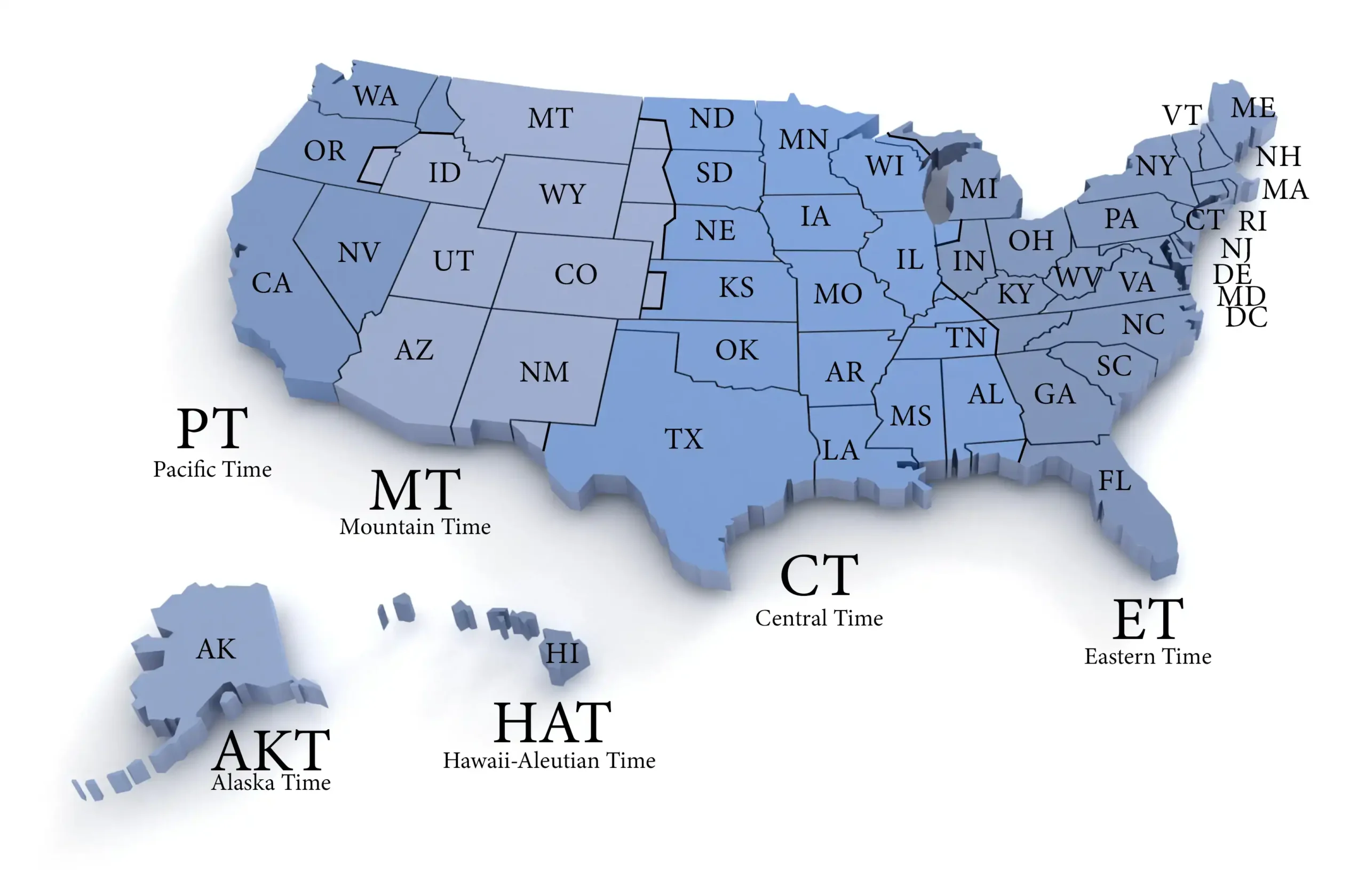
The Pacific Time Zone (PT) is one of the four standard time zones in North America, encompassing the westernmost contiguous states of the United States. It is a crucial element for anyone planning travel, business, or even just keeping in touch with friends and family in this region. Los Angeles proudly resides within this zone, meaning its clocks align with the rest of the Pacific coast.

Understanding Pacific Time: PST and PDT
The Pacific Time Zone observes two distinct periods throughout the year: Pacific Standard Time (PST) and Pacific Daylight Time (PDT). This shift, commonly known as Daylight Saving Time, is a practice aimed at maximizing daylight hours during warmer months.
Pacific Standard Time (PST)
During the fall and winter months, Los Angeles operates on Pacific Standard Time (PST). This is the standard time for the zone, typically UTC-8 (Coordinated Universal Time minus 8 hours). PST comes into effect on the first Sunday in November and concludes on the second Sunday in March. This period is characterized by shorter days and cooler temperatures, offering a different, yet equally captivating, experience of Southern California. From exploring indoor attractions to enjoying coastal walks with crisp air, PST offers its own unique charm.
Pacific Daylight Time (PDT)
As spring arrives, Los Angeles, like much of the United States and Canada, springs forward into Pacific Daylight Time (PDT). This shift occurs on the second Sunday in March and lasts until the first Sunday in November. PDT is UTC-7, effectively shifting the clocks forward by one hour. The purpose of PDT is to make better use of daylight, extending the evening hours and offering more opportunities for outdoor activities. This is the time when many of LA‘s renowned outdoor attractions truly shine, from the bustling streets of Hollywood to the serene beauty of Griffith Observatory. Visitors during PDT can enjoy longer days for sightseeing, exploring theme parks like Disneyland or Universal Studios Hollywood, and savoring the sunset over the Pacific Ocean.
The transition to and from PDT can sometimes cause minor confusion, especially for international travelers. It’s always advisable to double-check the current time in Los Angeles closer to your travel dates, as the exact dates for the time change can be a subject of discussion and occasional minor adjustments in legislation. However, for the vast majority of the year, Los Angeles will be observing PDT during the spring and summer, and PST during the fall and winter.
Practical Implications for Travelers
Knowing that Los Angeles is in the Pacific Time Zone has several practical implications for travelers, influencing everything from flight bookings to scheduling activities and coordinating with local contacts.
Coordinating Travel and Business
For those flying into Los Angeles International Airport (LAX) or any other LA-area airport, understanding the time zone is paramount. Flight schedules are listed in local time, so if you’re traveling from a different time zone, you’ll need to factor in the difference to accurately gauge your arrival time. For instance, a flight departing from New York (Eastern Time, UTC-5 or UTC-4 during DST) to Los Angeles will arrive later than the flight duration might initially suggest due to the 3-hour difference.
Business travelers will find this knowledge indispensable. Scheduling meetings, conference calls, and coordinating with LA-based colleagues requires a clear understanding of the 3-hour difference between Eastern Time and Pacific Time. A 9 AM meeting in New York is a 6 AM meeting in Los Angeles, and vice-versa for meetings originating in LA. This is particularly important for international business, where the difference can be even more significant.
Planning Your Itinerary
The longer daylight hours during PDT can be a boon for maximizing your exploration of Los Angeles. Imagine starting your day with a sunrise jog along Santa Monica Beach, spending the afternoon exploring the film studios, and then enjoying a leisurely dinner with ocean views as the sun sets. PDT allows for this extended enjoyment of the city’s diverse offerings.
Conversely, during PST, while the days are shorter, the cooler temperatures can make it ideal for visiting indoor attractions like the Getty Center, the Los Angeles County Museum of Art (LACMA), or exploring the historic architecture of Downtown Los Angeles. The evening hours under PST can be just as magical, with the city’s vibrant nightlife and illuminated landmarks offering a different kind of charm.
Accommodation and Booking
When booking accommodations in Los Angeles, whether it’s a luxurious suite at The Beverly Hills Hotel, a family-friendly resort in Anaheim near Disneyland, or a charming apartment in West Hollywood, the local time is always relevant. Check-in and check-out times are governed by the local LA time. This is also true for booking tours and activities. Many tours, especially those focused on outdoor experiences or evening entertainment, will specify start times in Pacific Time. Understanding this ensures you don’t miss out on crucial parts of your planned LA experience.
For those considering a longer-term stay, understanding PST and PDT helps in planning daily routines, especially if they involve outdoor activities or require syncing with work or study schedules that might be based in other time zones.
Beyond Los Angeles: The Pacific Time Zone’s Reach
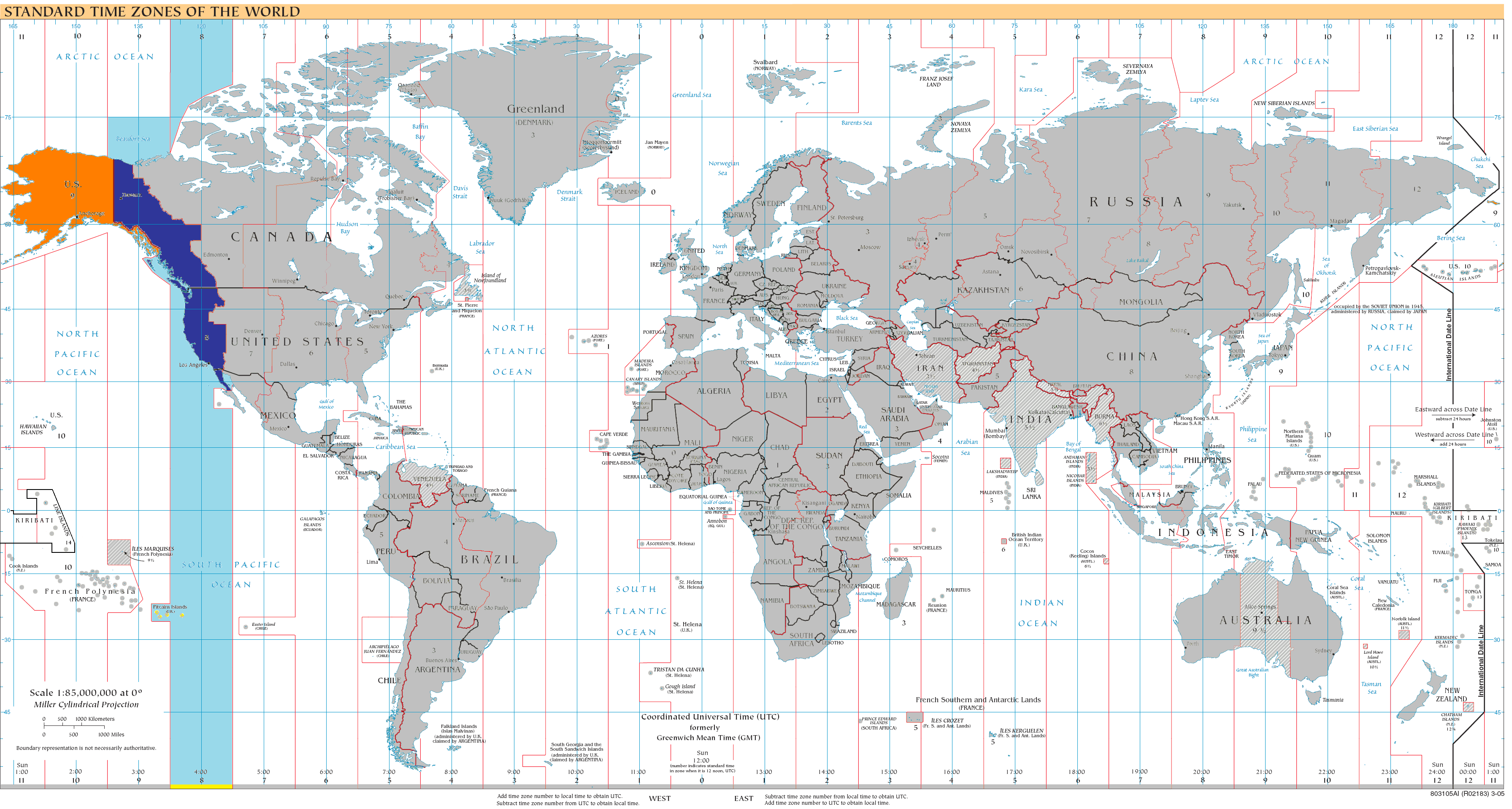
It’s important to note that Los Angeles is not alone in observing the Pacific Time Zone. This time zone stretches across a significant portion of the western United States, including states like California, Oregon, Washington, Nevada, and parts of Idaho and Arizona (which notably does not observe Daylight Saving Time, adding a minor complexity). Major cities within this zone include San Francisco, Seattle, Portland, and Las Vegas. This uniformity makes travel between these destinations relatively straightforward in terms of timekeeping.
Understanding the Pacific Time Zone is more than just a logistical detail; it’s an integral part of planning a successful and enjoyable trip to Los Angeles. Whether you’re drawn by the glitz of Hollywood, the artistic treasures of Museum Row, the natural beauty of the surrounding mountains, or the iconic beaches of Malibu, knowing that Los Angeles is in the Pacific Time Zone will help you navigate your journey with ease and confidence. So, when you’re packing your bags for the City of Angels, remember to set your watch – or more likely, your phone – to Pacific Time, and prepare for an unforgettable experience.
LifeOutOfTheBox is a participant in the Amazon Services LLC Associates Program, an affiliate advertising program designed to provide a means for sites to earn advertising fees by advertising and linking to Amazon.com. Amazon, the Amazon logo, AmazonSupply, and the AmazonSupply logo are trademarks of Amazon.com, Inc. or its affiliates. As an Amazon Associate we earn affiliate commissions from qualifying purchases.