
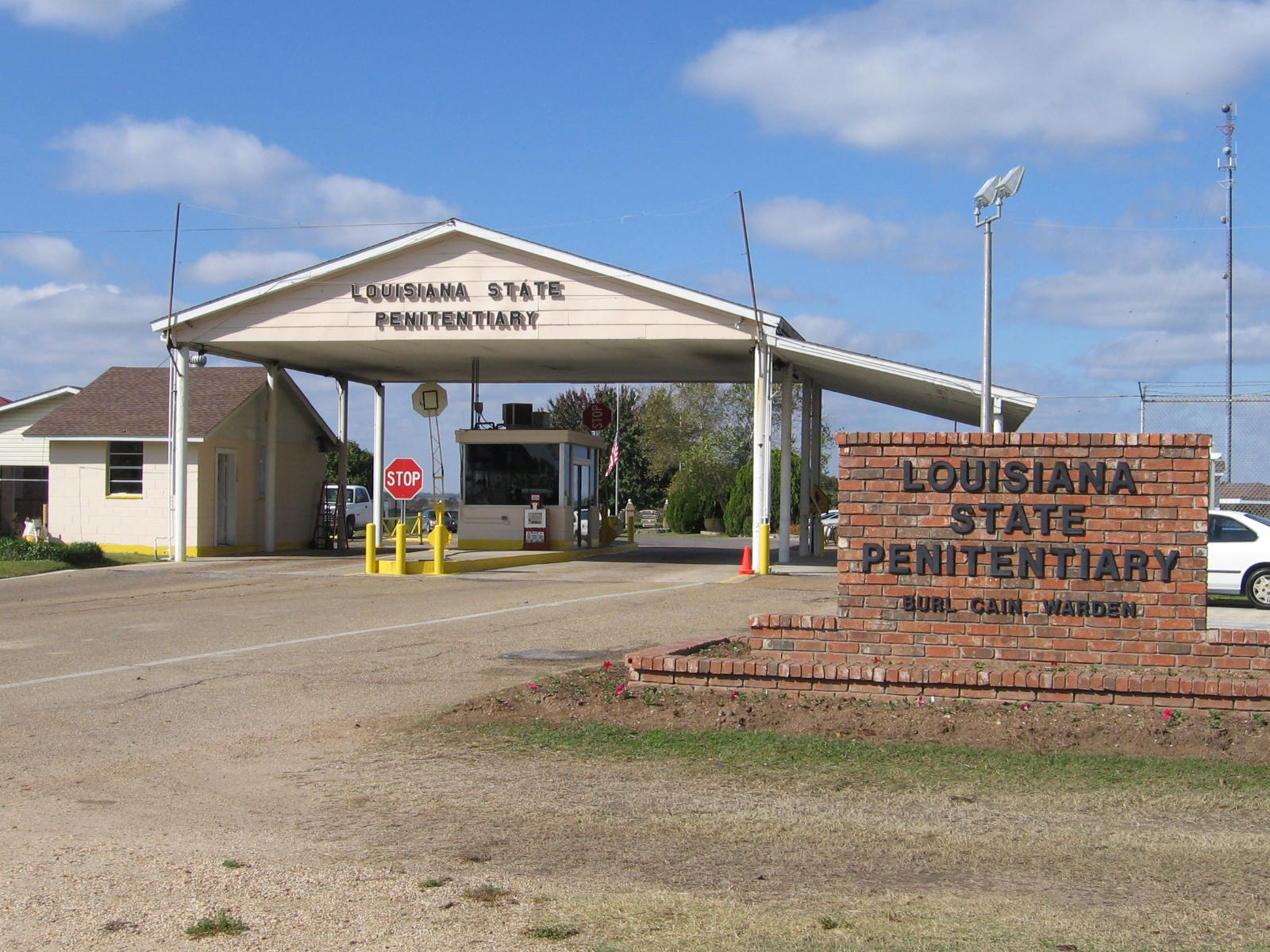
The imposing maximum-security facility known as Angola Prison, officially the Louisiana State Penitentiary, stands as a significant landmark in the American South, though its primary function is correctional rather than tourism. Understanding its location is key to comprehending its historical and geographical context within the state of Louisiana. Situated on the west bank of the Mississippi River, Angola Prison occupies a vast expanse of land, historically a fertile agricultural region, which plays a dual role in its operations and its very identity.
Geographical Placement and Surrounding Landscape
Angola Prison is nestled deep within West Feliciana Parish, a parish in the Florida Parishes region of Louisiana. Its remote location contributes to its reputation and the logistical challenges associated with managing such a large institution. The Louisiana State Penitentiary sprawls across approximately 18,000 acres, making it one of the largest prisons in the United States by land area. This immense acreage allows for extensive agricultural operations, which have been a cornerstone of Angola’s economy and inmate labor for decades. The land itself is characterized by the rolling hills and lush vegetation typical of the Baton Rouge metropolitan area’s periphery, with the fertile soil owing much to its proximity to the Mississippi River.
The Mississippi River’s Influence
The Mississippi River is not merely a geographical feature near Angola Prison; it has profoundly shaped the area’s history and the prison’s development. The river provided the fertile alluvial soil that once made this region a prime location for cotton and sugarcane plantations, a history that casts a long shadow over Louisiana’s penal system. In fact, the prison’s name, “Angola,” is believed to be derived from the former slave plantation that occupied this land prior to the Civil War, named after the country of origin of many of the enslaved people. The river also historically served as a natural boundary, adding another layer of security to the sprawling prison complex. While not a direct tourist attraction, the presence of the mighty Mississippi River is an undeniable element of the Angola Prison landscape, contributing to the region’s unique character.
Accessibility and Proximity to Major Hubs
Reaching Angola Prison requires a deliberate journey, as it is not situated near major urban centers or direct public transportation routes. The closest significant city is Baton Rouge, the capital of Louisiana, which lies approximately 40-50 miles to the southeast of the prison. Visitors and staff typically drive to reach the facility. The route often involves navigating state highways that wind through the picturesque, yet somewhat isolated, countryside of West Feliciana Parish. This isolation, while a security feature, means that planning transportation is a crucial aspect for anyone intending to visit the prison, whether for official business, family visits, or, historically, to attend its now-defunct public events. The nearest major airport would be in Baton Rouge, requiring further ground transportation to the prison itself.
Historical Context and the Land it Occupies
The story of Angola Prison is inextricably linked to the history of Louisiana itself, particularly its antebellum past. The land upon which the Louisiana State Penitentiary stands has a deep and complex history rooted in the plantation system.

From Plantation to Penitentiary
Before becoming a state penitentiary, the vast tract of land was owned by various individuals and entities, most notably as a large cotton plantation. The name “Angola” directly evokes this painful past, referencing the African nation from which enslaved people were forcibly brought to work the land. After the abolition of slavery, the land’s agricultural potential continued to be exploited, eventually transitioning into its current role as a penal farm. This transformation highlights a continuity of labor exploitation, albeit under a different system, which has been a subject of critical examination in the study of Louisiana’s history and its correctional facilities. The sheer scale of the land allowed for the development of a self-sufficient agricultural operation, a model that persisted for many years and is still a significant part of the prison’s identity.
Agricultural Operations and Prison Economy
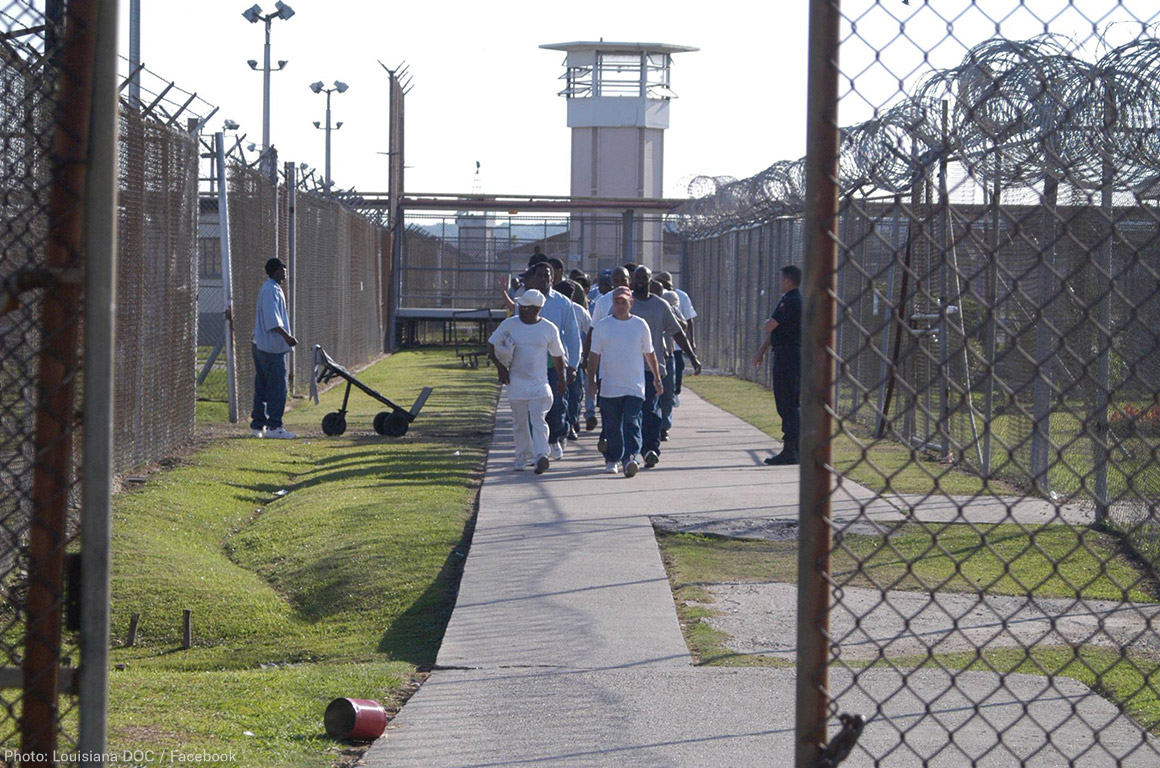
A defining characteristic of Angola Prison is its extensive agricultural program. The fertile soil of West Feliciana Parish, irrigated by the nearby Mississippi River, has historically supported large-scale cultivation of crops such as sugarcane, cotton, and corn. This agricultural enterprise has served multiple purposes: providing employment and vocational training for inmates, contributing to the prison’s self-sufficiency, and generating revenue for the state. The success of these operations, under the supervision of correctional officers, has been remarkable, transforming the prison into one of the largest agricultural producers in Louisiana. This focus on farming has shaped the daily lives of inmates and the very landscape of the penitentiary, with fields of crops stretching as far as the eye can see, a stark contrast to the typical image of a correctional facility. The Louisiana State Penitentiary Museum, located on the grounds, often details the history of these agricultural endeavors.
Surrounding Environment and Local Geography
The geographical setting of Angola Prison is crucial to understanding its isolation and its integration into the natural landscape of Louisiana. The Florida Parishes, where it is located, are known for their distinct topography compared to the more alluvial plains of southern Louisiana.
The Florida Parishes Region
West Feliciana Parish is part of the Florida Parishes, a region of Louisiana that was once part of Spanish West Florida. This area is characterized by its rolling hills, sandy soils, and pine forests, distinguishing it from the delta region of the Mississippi River further south. The terrain around Angola Prison is more varied than the flat, marshy areas common in other parts of the state. This geographical distinctiveness influences the types of flora and fauna found in the region, contributing to the natural beauty of West Feliciana Parish, though this beauty is largely overshadowed by the prison’s primary function. The proximity to the Mississippi River imbues the area with a rich ecological diversity, supporting various plant and animal species.
Natural Beauty and Conservation Efforts
Despite its imposing presence, the land surrounding Angola Prison possesses a natural allure. The rolling hills and woodlands of West Feliciana Parish are part of the Baton Rouge area’s natural charm, offering opportunities for outdoor activities in other parts of the parish. While direct access to the prison grounds for tourism is highly restricted, the general region is known for its scenic drives and natural landscapes. In recent years, there have been efforts to highlight the natural beauty of Louisiana, and the West Feliciana region is a part of that. However, the overriding identity of this particular site remains the Louisiana State Penitentiary, a place that, while geographically defined by the beauty of Louisiana, is far removed from typical travel destinations. Any exploration of the area would need to be mindful of the sensitive nature of the Angola Prison location.
In conclusion, Angola Prison is strategically situated in West Feliciana Parish, Louisiana, on a vast tract of land historically shaped by agriculture and the Mississippi River. Its location in the Florida Parishes region, roughly 40-50 miles northwest of Baton Rouge, underscores its isolation and its deep historical ties to the state’s complex past. While not a destination for leisure travel, understanding its geographical placement provides crucial context to its history, operations, and enduring significance as a landmark within Louisiana.
LifeOutOfTheBox is a participant in the Amazon Services LLC Associates Program, an affiliate advertising program designed to provide a means for sites to earn advertising fees by advertising and linking to Amazon.com. Amazon, the Amazon logo, AmazonSupply, and the AmazonSupply logo are trademarks of Amazon.com, Inc. or its affiliates. As an Amazon Associate we earn affiliate commissions from qualifying purchases.