
The vast and diverse landscapes of Texas are often associated with cowboys, vast ranches, and iconic cities like Houston and Dallas. However, for those with a keen interest in wildlife and nature, a more intriguing question arises: does Texas have bears? The answer, perhaps surprisingly to some, is a resounding yes. While not as ubiquitous as in some other North American regions, bears do inhabit certain parts of the Lone Star State, primarily in its wilder, more remote western territories. This exploration delves into the presence of bears in Texas, focusing on the species present, their habitats, and the conservation efforts underway to protect them.
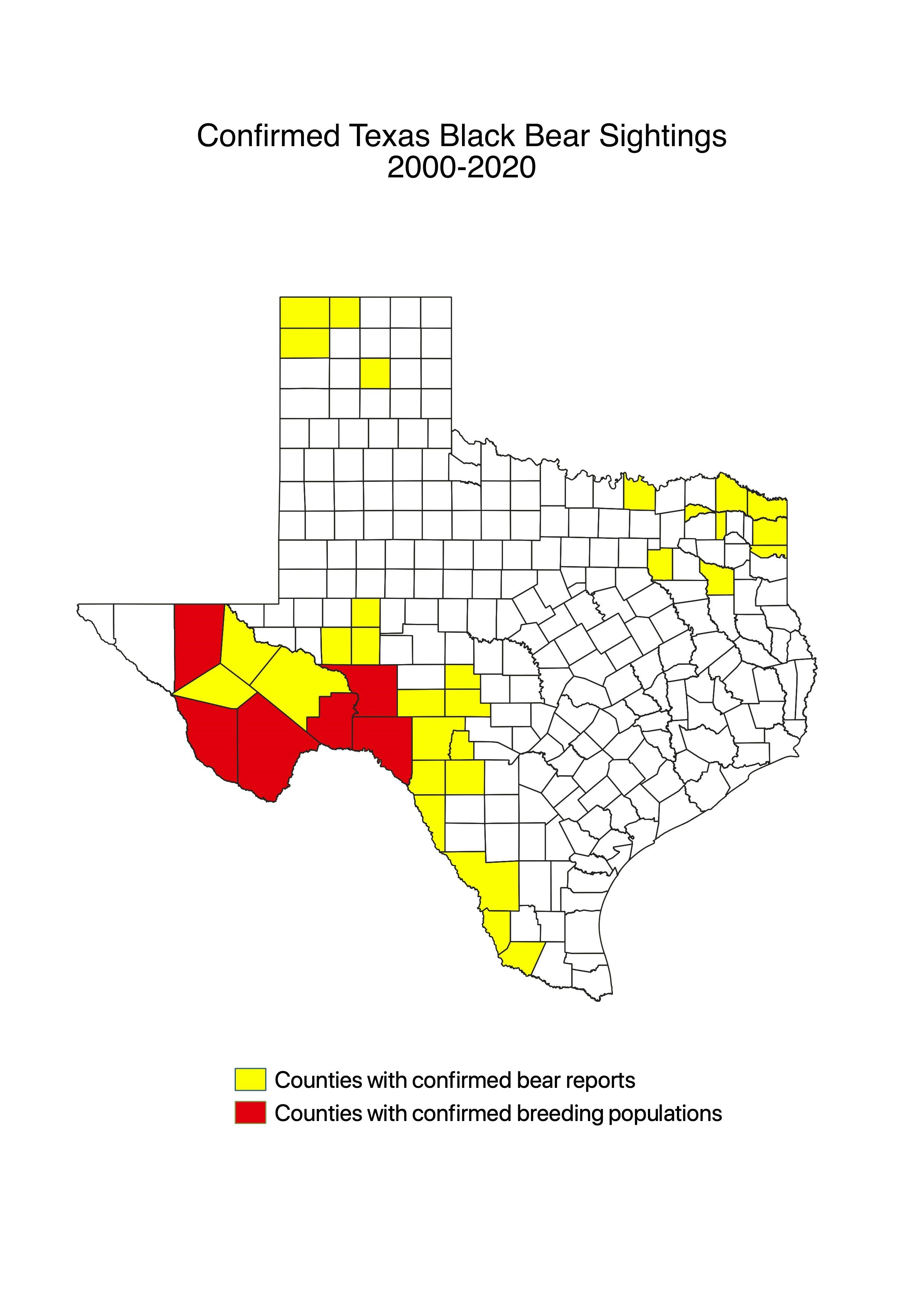
The Elusive Texans: Black Bears and the Lone Star State
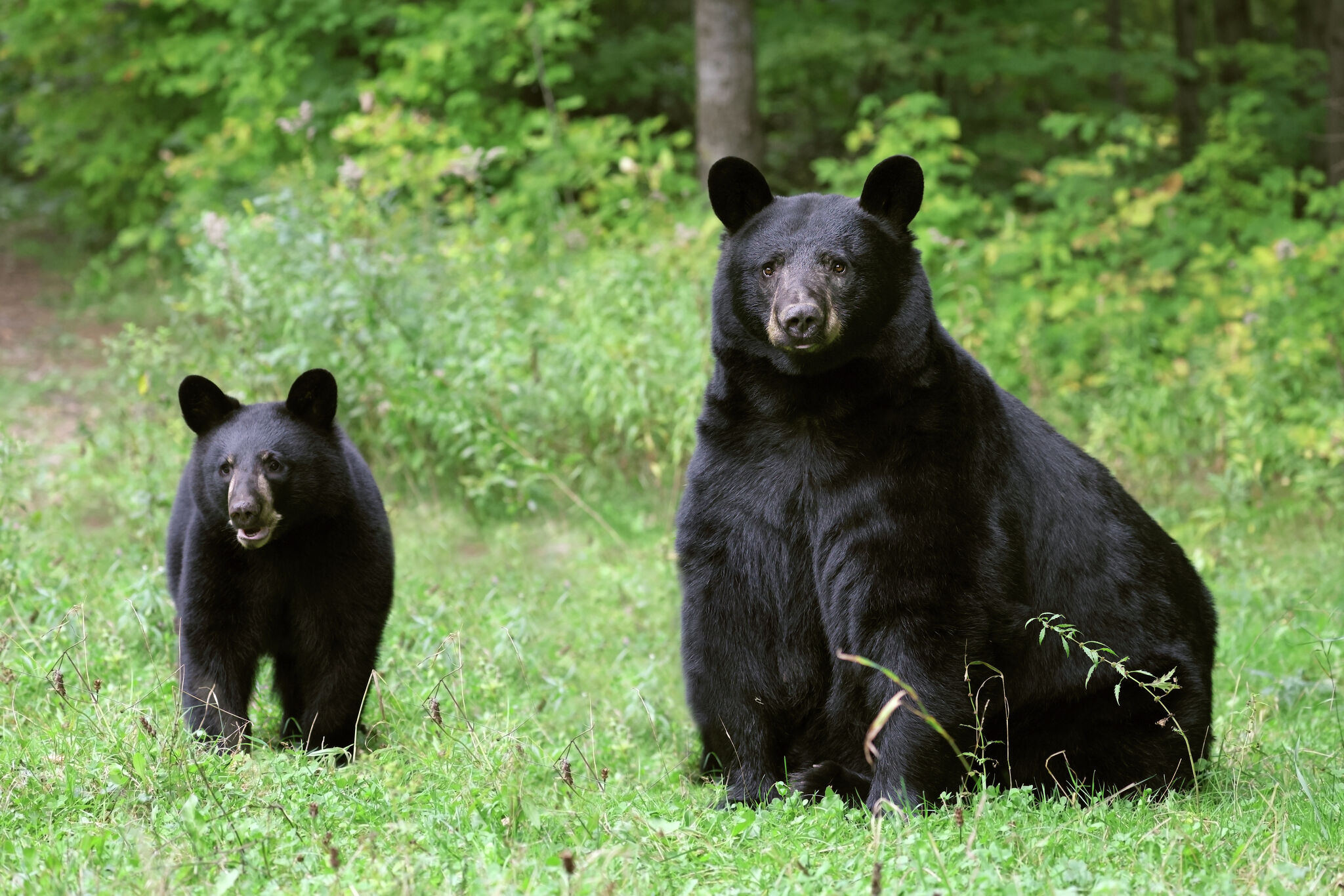
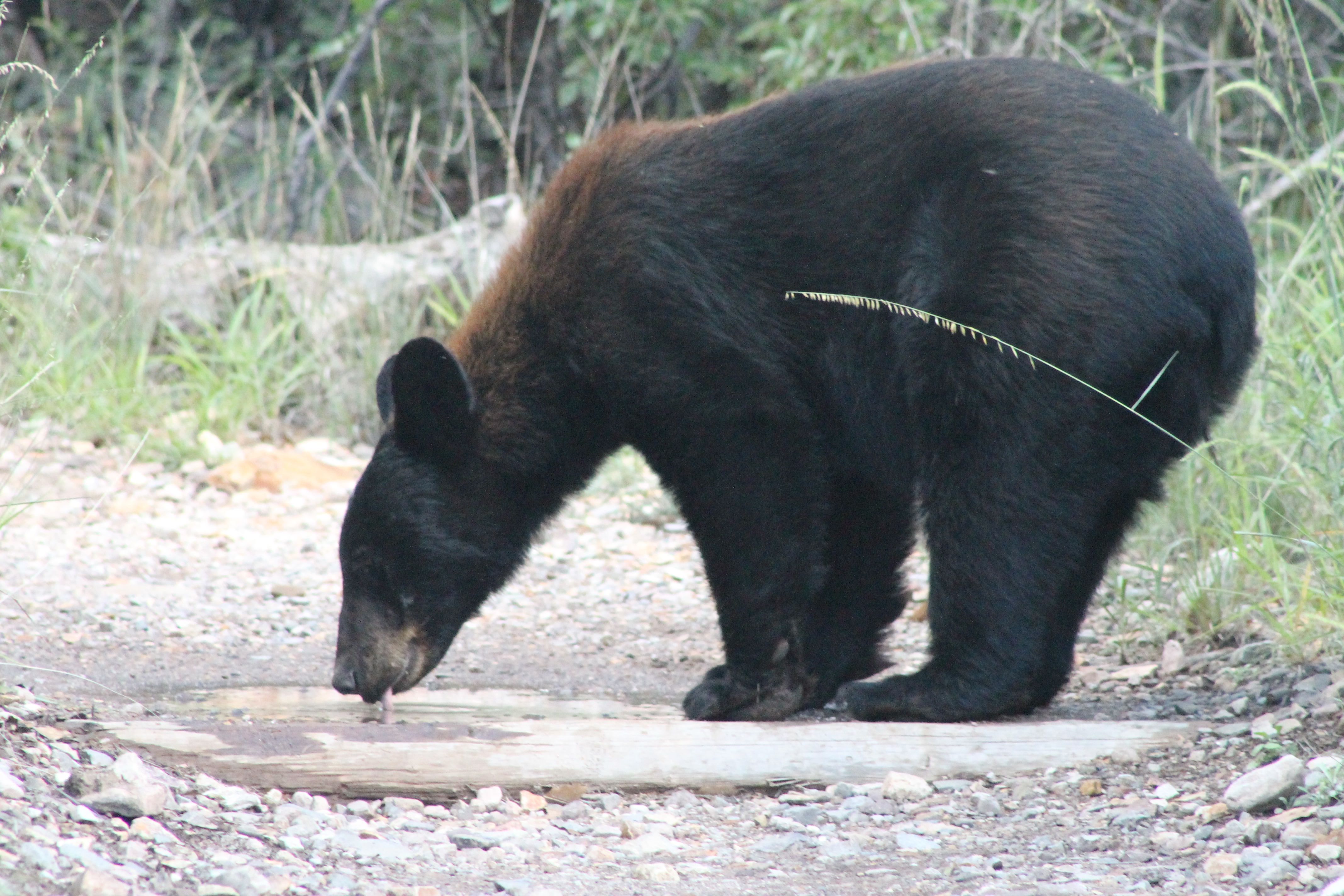
The primary bear species found in Texas is the American black bear (Ursus americanus). These intelligent and adaptable creatures are the most common bears in North America, and their presence in Texas is largely concentrated in the western mountainous regions. Unlike their larger, more formidable cousins, the grizzly bear, American black bears are generally smaller and more reclusive, preferring dense forests and rugged terrain.
Habitats Where Bears Roam
The natural range for black bears in Texas is predominantly in the Trans-Pecos region, a vast area characterized by rugged mountains, deserts, and canyons. This part of the state offers the ideal combination of food sources and secluded denning sites necessary for bear survival. Key areas include:
-
Chisos Mountains: Within Big Bend National Park, the Chisos Mountains provide a crucial habitat for black bears. The higher elevations offer cooler temperatures and more abundant vegetation, including berries and acorns, which form a significant part of their diet. The park’s extensive wilderness areas offer the solitude bears need to thrive.
-
Guadalupe Mountains: Similar to the Chisos Mountains, the Guadalupe Mountains National Park boasts a rugged and mountainous terrain that supports a black bear population. These mountains, with their ancient geological formations and diverse ecosystems, offer a sanctuary for these elusive animals.
-
Davis Mountains: This range, west of Fort Davis, also provides suitable habitat. The mix of pine-oak woodlands and riparian areas offers both food and shelter for black bears. This region, while less visited by tourists compared to national parks, is vital for maintaining a healthy bear population in western Texas.
-
Sierra Diablo Wildlife Management Area: This protected area is another critical stronghold for black bears in the Trans-Pecos. Managed for wildlife conservation, it offers extensive undeveloped land that is essential for the species’ long-term survival.
The presence of bears in these areas is a testament to the conservation efforts and the preservation of these wild spaces. For travelers interested in experiencing the natural wonders of western Texas, these locations offer the potential for observing wildlife, though sightings are rare and require patience and a bit of luck. Understanding their habits and respecting their space is paramount for both the bears’ well-being and the safety of visitors.
Black Bear Behavior and Diet in Texas
American black bears in Texas exhibit behaviors and dietary preferences that are typical of their species, adapted to the specific environment of the Trans-Pecos. They are omnivores, meaning their diet consists of both plant matter and animal matter, and it can vary significantly depending on the season and available resources.
Seasonal Dietary Shifts
-
Spring and Summer: During warmer months, bears actively forage for a variety of foods. This includes berries, such as blackberries and dewberries, which are abundant in riparian areas and forest edges. They also consume insects, particularly ants and grubs, and will raid bird nests for eggs. Green vegetation, such as grasses and roots, also forms a substantial part of their diet.
-
Fall: As autumn approaches, bears focus on high-energy foods to build up fat reserves for winter. This is the peak season for acorns, a highly nutritious food source found in oak woodlands. They will also continue to seek out remaining berries and may opportunistically prey on small mammals or scavenge carcasses.
-
Winter: While black bears in northern climates hibernate for extended periods, Texas black bears in the Trans-Pecos often experience less severe winters. They may enter a state of torpor, a reduced metabolic state, during the coldest periods, but they are known to remain active on warmer days. During this time, their diet is significantly limited, and they rely heavily on stored body fat. They may scavenge for carcasses or consume available roots and late-season berries.
Social Behavior and Activity Patterns
American black bears are generally solitary animals, with the exception of mothers with cubs and during the mating season. They are most active during the crepuscular hours, meaning dawn and dusk, which helps them avoid the heat of the day and also positions them for foraging when their prey is most active.
-
Mothers and Cubs: Female bears typically give birth to one to three cubs in a den during the winter months. The cubs will remain with their mother for about 18 months, learning essential survival skills before venturing out on their own. This maternal bond is crucial for the survival of young bears.
-
Territoriality: While black bears do not defend large, fixed territories in the same way as some other carnivores, they do roam over considerable home ranges. These ranges are influenced by the availability of food and water, and males generally have larger ranges than females. Encounters between adult bears are usually brief, and aggressive interactions are uncommon unless related to competition for resources or during mating.
Understanding these behavioral patterns is key for anyone venturing into bear country in Texas. While black bears are not typically aggressive towards humans, respecting their space, properly storing food, and being aware of your surroundings can prevent encounters and ensure a safe and enjoyable experience in nature.
Conservation and Coexistence: Protecting Texas Bears
The presence of American black bears in Texas is a valuable ecological asset, and their conservation is a priority for wildlife management agencies. Several challenges exist, but ongoing efforts aim to ensure the long-term survival of this species within the state.
Threats to Bear Populations
-
Habitat Loss and Fragmentation: As human populations grow and development expands, the natural habitats available to bears can shrink and become fragmented. This can limit their ability to find food, denning sites, and mates, leading to population decline. The rugged and remote nature of the Trans-Pecos helps mitigate this to some extent, but it remains a significant concern.
-
Human-Wildlife Conflict: Encounters between bears and humans can occur, especially when bears are attracted to human food sources. This can lead to bears becoming habituated to human settlements, which can result in property damage or, in rare cases, pose a safety risk. Such conflicts can sometimes result in bears being euthanized, impacting population numbers.
-
Illegal Hunting and Poaching: While illegal hunting is a concern for many wildlife species, it can be particularly detrimental to smaller, more localized populations like the black bears in Texas. Strict enforcement of hunting regulations and public awareness are crucial in combating this threat.
Conservation Efforts and Strategies
The Texas Parks and Wildlife Department (TPWD) plays a crucial role in the conservation of black bears. Their efforts include:
-
Monitoring and Research: TPWD conducts surveys and research to monitor bear population numbers, distribution, and health. This data is essential for understanding the status of the bears and informing conservation strategies. Researchers use various methods, including camera traps, scat analysis, and direct observations, to gather information.
-
Habitat Protection and Restoration: Efforts are made to protect existing bear habitats and, where possible, restore degraded areas. This includes working with landowners to promote wildlife-friendly land management practices in areas adjacent to bear habitat. Conservation easements and land acquisitions are also tools used to preserve critical areas.
-
Public Education and Outreach: Raising public awareness about black bears and how to coexist with them is a vital component of conservation. TPWD provides educational materials and outreach programs to inform residents and visitors about bear behavior, safety tips, and the importance of bears in the ecosystem. This includes guidance on proper food storage in bear country and how to avoid attracting bears to homes and campgrounds.
-
Interstate Cooperation: Black bear populations do not recognize state borders. Therefore, collaboration with neighboring states, particularly New Mexico, is important for effective management and ensuring the genetic connectivity of bear populations across the region.
For tourists visiting the western parts of Texas, understanding and respecting the presence of black bears is part of the adventure. By adhering to park guidelines, practicing responsible outdoor ethics, and appreciating these magnificent animals from a safe distance, visitors contribute to their long-term survival. The continued presence of bears in the Lone Star State is a promising sign for the health of its wild spaces and a compelling reason to explore its rugged western frontiers.
LifeOutOfTheBox is a participant in the Amazon Services LLC Associates Program, an affiliate advertising program designed to provide a means for sites to earn advertising fees by advertising and linking to Amazon.com. Amazon, the Amazon logo, AmazonSupply, and the AmazonSupply logo are trademarks of Amazon.com, Inc. or its affiliates. As an Amazon Associate we earn affiliate commissions from qualifying purchases.