
The allure of South Florida is undeniable, with its sun-drenched beaches, vibrant cultural scenes, and diverse landscapes. For many travelers, the question isn’t if they should visit both Miami, FL and Naples, FL, but how to best connect these two distinct yet complementary destinations. While geographically close, separated by the vast expanse of the Everglades, the distance between these two Florida gems offers a compelling journey, whether by car, bus, or even a scenic flight. Understanding the travel time and options is crucial for crafting the perfect South Florida itinerary, allowing you to maximize your exploration of attractions, accommodations, and local experiences.

This guide delves into the practicalities of traveling between Naples, FL and Miami, FL, exploring the most common transportation methods, estimated travel times, and what to expect along the way. We’ll also touch upon how this distance influences the kind of experiences you can have in each city, from the bustling energy of Miami to the sophisticated tranquility of Naples. Whether you’re planning a luxurious getaway, a family adventure, or a budget-conscious exploration, this information will equip you to navigate the South Florida landscape with ease.
Understanding the Distance and Travel Options
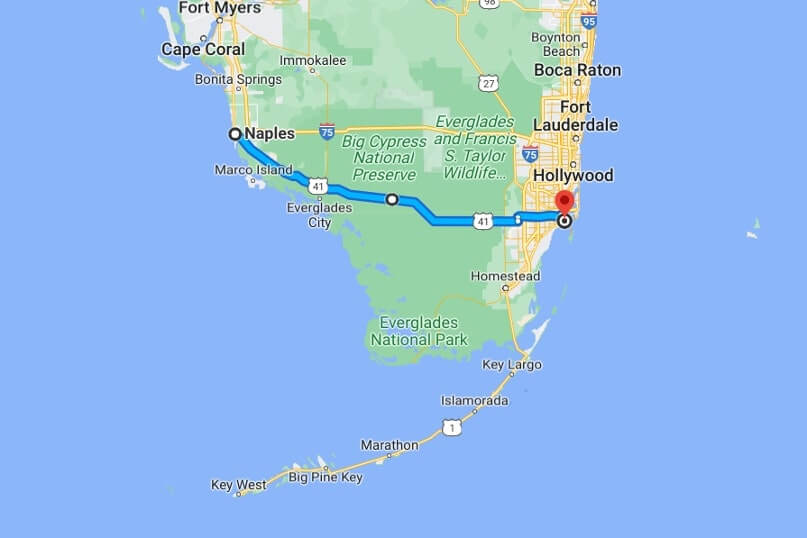
The approximately 100-mile stretch of Florida separating Naples, FL from Miami, FL is more than just a number; it represents a transition from the urban dynamism of Miami to the refined coastal charm of Naples. This journey is most commonly undertaken by car, offering flexibility and the opportunity to witness the diverse scenery that characterizes this region of the Sunshine State. However, other transportation methods are available, each with its own advantages and disadvantages.
Driving: The Most Popular Route
The most common and often preferred way to travel between Naples, FL and Miami, FL is by car. This method provides unparalleled flexibility, allowing you to set your own schedule, make spontaneous stops, and explore the surrounding areas at your leisure. The primary route typically involves taking Alligator Alley (I-75), a highway that cuts directly through the heart of the Everglades National Park.
Driving Time:
Under ideal conditions, the drive from Naples, FL to Miami, FL typically takes around 1 hour and 45 minutes to 2 hours. This estimate assumes minimal traffic, good weather, and adherence to posted speed limits. However, it’s essential to factor in potential variables that can significantly impact travel time.
Factors Affecting Driving Time:
- Traffic: Miami is a bustling metropolis, and traffic congestion, particularly during peak hours (morning and evening commutes), can dramatically increase travel time. Likewise, approaching Naples can also experience some delays, especially during tourist season. Weekends, especially Friday afternoons and Sunday evenings, can see heavier traffic as locals and tourists move between the cities.
- Road Construction: As with any major thoroughfare, I-75 and connecting roads can be subject to construction projects, leading to lane closures and detours that can add minutes or even hours to your journey. It’s advisable to check local traffic reports before departing.
- Weather: South Florida is known for its dramatic weather patterns, including sudden downpours, thunderstorms, and even hurricanes during certain seasons. Heavy rain can significantly reduce visibility and driving speeds, making the journey longer and potentially more hazardous.
- Stops: This estimate does not include any stops you might choose to make. The drive across the Everglades offers opportunities for unique experiences, such as visiting the Shark Valley Observation Tower or stopping at one of the airboat tour operators located along the highway. These diversions will, of course, add to your overall travel time.
Navigating the Route:
The most direct route from Naples to Miami is to head east on I-75 (Alligator Alley). You’ll travel approximately 80 miles across the Everglades. Once you reach the eastern side of the state, you’ll likely connect to other major highways depending on your specific destination in Miami. For example, if you’re heading to downtown Miami, you might transition to I-595 and then to I-95 South. If your destination is further north in Miami-Dade County, you might continue on I-75 and then take I-75 South or other connecting routes.
Pros of Driving:
- Flexibility: Stop whenever and wherever you like.
- Scenery: Experience the unique landscape of the Everglades.
- Convenience: Direct transport of luggage and personal belongings.
- Exploration: Ability to detour to lesser-known attractions.
Cons of Driving:
- Traffic: Can be unpredictable and time-consuming.
- Fuel Costs: An additional expense to consider.
- Parking: Finding parking in Miami can be challenging and expensive.
Alternative Transportation: Bus and Air Travel
While driving is the most common method, other transportation options exist for those who prefer not to drive or are looking for different travel experiences.
Bus Services
Several bus companies operate routes between Naples, FL and Miami, FL, offering a more budget-friendly alternative to driving or flying. Companies like Greyhound and FlixBus often provide services connecting these two major South Florida cities.
Travel Time:
Bus journeys typically take longer than driving, usually ranging from 3 to 4 hours, depending on the number of stops and the specific route taken. Some routes may involve transfers, which will further extend the travel time.
Advantages of Bus Travel:
- Cost-Effective: Generally cheaper than flying or the cost of gas and potential car rental.
- Relaxing: You can sit back, relax, and enjoy the ride without the stress of driving.
- Environmentally Friendly: A more sustainable option compared to individual car travel.
Disadvantages of Bus Travel:
- Longer Travel Time: Significantly slower than driving directly.
- Limited Flexibility: Fixed schedules and routes, with limited opportunities for spontaneous stops.
- Comfort: Can vary depending on the bus company and seating.
Air Travel
While not a direct or common route for this short distance, it is technically possible to fly from Naples to Miami. This would typically involve flying from Naples Municipal Airport (APF) to one of Miami’s major airports, such as Miami International Airport (MIA) or Fort Lauderdale-Hollywood International Airport (FLL), which is often more convenient for destinations north of Miami.
Travel Time:
The actual flight time is very short, often less than an hour. However, when you factor in travel time to and from airports, check-in procedures, security screening, and potential delays, the total travel time can easily equal or exceed driving time.
Considerations for Air Travel:
- Cost: Airfare can be significantly more expensive than driving or taking a bus, especially when considering the short distance.
- Logistics: The inconvenience of airport procedures for such a short trip might not be worthwhile for many travelers.
- Limited Direct Flights: Direct flights between Naples and Miami may be infrequent or non-existent, often requiring connections.
Experiencing the Journey: Through the Everglades
The approximately 100 miles that separate Naples, FL and Miami, FL are not merely a distance to be covered, but a landscape to be experienced. The primary route, I-75 (Alligator Alley), transects the iconic Everglades National Park, a vast subtropical wilderness that defines much of South Florida. This journey offers a unique glimpse into a natural environment unlike any other in the United States.
Alligator Alley: A Gateway to the Wild
Alligator Alley is more than just a highway; it’s a vital artery connecting the Gulf Coast of Florida with the Atlantic coast. As you drive east from Naples, the landscape gradually transforms. The urban and suburban sprawl of Naples gives way to the vast, sawgrass-covered wetlands characteristic of the Everglades. The highway itself is elevated in many sections, offering panoramic views of this unique ecosystem.
What to See and Do Along the Way:
- Wildlife Spotting: The Everglades are teeming with wildlife, and Alligator Alley provides ample opportunities for viewing. Keep an eye out for American alligators basking in the sun or swimming in the canals that run alongside the highway. You’ll also likely see a variety of wading birds, including egrets, herons, and ibis.
- Airboat Tours: Several airboat tour operators have established themselves along Alligator Alley, offering visitors an exhilarating way to explore the shallow waters and dense vegetation of the Everglades. These tours provide a closer look at the natural habitat and can often lead to more intimate wildlife encounters.
- Rest Stops and Observation Points: There are designated rest stops and parking areas along I-75 that allow you to pull over, stretch your legs, and take in the surroundings. Some of these may offer informational signage about the Everglades’ ecosystem and history.
- Shark Valley: While not directly on I-75, the Shark Valley entrance to Everglades National Park is accessible from the highway (off Exit 25). This is a popular spot for those who want to delve deeper into the park, offering a tram tour and a bicycle path that circles a 15-mile loop, providing excellent opportunities for wildlife viewing, including alligators and birds.
The Everglades Ecosystem:
The Everglades are a complex and fragile ecosystem, often referred to as the “River of Grass.” This slow-moving river flows from Lake Okeechobee southward to the Florida Bay. The unique combination of fresh and saltwater, coupled with the subtropical climate, supports an incredible diversity of plant and animal life. Driving through it offers a stark contrast to the bustling cities of Miami and Naples, providing a moment of natural immersion.
Transitioning to Miami
As you approach the eastern side of Florida, the landscape begins to shift once again. The dense wetlands of the Everglades gradually transition into more developed areas as you get closer to Miami-Dade County. The highway infrastructure becomes more complex, with interchanges and exits leading to various parts of Miami and its surrounding communities.
Navigating Miami’s Entrances:
The specific route you take into Miami will depend on your final destination.
- Downtown Miami and South Beach: Continuing on I-75 East will eventually lead you to I-595 East, which can then connect you to I-95 South, the main north-south artery through Miami. From I-95, you can access numerous exits for downtown Miami, Brickell, Coconut Grove, and South Beach (via the MacArthur Causeway or other routes).
- North Miami and Fort Lauderdale: If your destination is further north in Miami-Dade County or into Broward County (home to Fort Lauderdale), you might stay on I-75 longer or utilize highways like the Ronald Reagan Turnpike which can also lead you north.
- West Miami-Dade: For areas like Doral or Kendall, you’ll likely use connecting routes from I-75 that lead south and west into Miami-Dade County.
The transition from the wild beauty of the Everglades to the vibrant energy of Miami is a swift one, highlighting the diverse experiences that South Florida has to offer within a relatively short geographical span.
Planning Your Stay: Accommodations and Activities in Naples and Miami
The distance between Naples, FL and Miami, FL is not just a geographical measurement, but also a delineator of distinct travel experiences. Each city boasts its own unique charm, attractions, and accommodation options, catering to different preferences and travel styles. Understanding these differences can help you plan a more fulfilling trip, whether you choose to focus on one city or explore both.
Naples: Upscale Coastal Living
Naples, situated on the southwestern coast of Florida, is renowned for its sophisticated atmosphere, pristine beaches, and upscale lifestyle. It offers a more relaxed and tranquil experience compared to the bustling energy of Miami.
Accommodation in Naples:
Naples offers a wide range of accommodation options, from luxurious resorts and boutique hotels to private villas and charming vacation rentals.
- Luxury Resorts: Properties like The Ritz-Carlton, Naples, and LaPlaya Beach & Golf Resort offer world-class amenities, including private beach access, fine dining, and exquisite spa services. These are ideal for travelers seeking a pampered experience.
- Boutique Hotels: For a more intimate feel, consider the many boutique hotels scattered throughout the city, often offering personalized service and unique charm.
- Vacation Rentals and Villas: For longer stays or families, renting a villa or apartment provides more space and the flexibility of a home away from home. Websites specializing in vacation rentals can help you find properties in desirable neighborhoods.
- Apartments and Long-Term Stays: For those considering an extended visit, Naples has options for apartment rentals and longer-term accommodation solutions, allowing you to truly immerse yourself in the local lifestyle.
Attractions and Activities in Naples:
- Beaches: Naples is famous for its soft, white-sand beaches. Naples Pier is an iconic landmark, perfect for sunset viewing, fishing, and observing local life. Lowdermilk Park and Vanderbilt Beach are also popular choices.
- Shopping and Dining: Fifth Avenue South and Third Street South are the heart of Naples’ upscale shopping and dining scene, offering designer boutiques, art galleries, and a variety of culinary experiences.
- Nature and Outdoors: Explore the Naples Botanical Garden, a stunning horticultural display, or take a boat tour to Keewaydin Island for a more secluded beach experience. The nearby Corkscrew Swamp Sanctuary offers boardwalk trails through ancient bald cypress forests, a stark contrast to the coastal scenery.
- Cultural Experiences: Visit the Artis—Naples, which houses the Baker Museum and the Hayes Hall for performing arts, offering a dose of culture and entertainment.

Miami: The Vibrant Metropolis
Miami, on the southeastern coast, is a global city known for its dynamic culture, art deco architecture, Latin influences, and energetic nightlife. It’s a destination that pulsates with energy and offers an endless array of experiences.
Accommodation in Miami:
Miami caters to every budget and travel style, from lavish oceanfront resorts to trendy boutique hotels and affordable apartments.
- Luxury Hotels and Resorts: Areas like South Beach, Brickell, and Miami Beach are dotted with iconic luxury hotels such as The Setai, Miami Beach, and the Four Seasons Hotel Miami. These offer stunning views, world-class amenities, and proximity to the city’s most sought-after attractions.
- Boutique Hotels: Wynwood and Midtown are home to a growing number of stylish boutique hotels, reflecting the city’s artistic and creative spirit.
- Apartments and Vacation Rentals: For longer stays or those seeking more space, Miami offers a vast selection of apartments and vacation rentals in various neighborhoods, including downtown, Edgewater, and the surrounding communities.
- Budget-Friendly Options: While known for luxury, Miami also offers more budget-conscious accommodation, particularly in areas slightly outside the prime tourist zones.
Attractions and Activities in Miami:
- South Beach: Famous for its Art Deco Historic District, beautiful beaches, and vibrant atmosphere.
- Wynwood Walls: An outdoor museum showcasing vibrant murals by renowned street artists from around the globe.
- Little Havana: Immerse yourself in Cuban culture, from the music and art to the delicious food and cigars.
- Bayside Marketplace: A lively waterfront hub with shops, restaurants, and boat tours offering views of the Miami skyline and celebrity homes.
- Museums and Arts: The Pérez Art Museum Miami (PAMM) and the Phillip and Patricia Frost Museum of Science are major cultural institutions.
- Nightlife: Miami is legendary for its nightlife, with an array of clubs, bars, and lounges catering to diverse tastes.
By understanding the unique character of both Naples and Miami, travelers can strategically plan their journey, ensuring they experience the best of what this diverse and captivating region of Florida has to offer, making the distance between them a bridge to unforgettable experiences.
LifeOutOfTheBox is a participant in the Amazon Services LLC Associates Program, an affiliate advertising program designed to provide a means for sites to earn advertising fees by advertising and linking to Amazon.com. Amazon, the Amazon logo, AmazonSupply, and the AmazonSupply logo are trademarks of Amazon.com, Inc. or its affiliates. As an Amazon Associate we earn affiliate commissions from qualifying purchases.