
Nestled along the Arkansas River at the confluence of the high plains and the Rocky Mountains Front Range, the vibrant city of Pueblo, Colorado, holds a unique place in the heart of the United States. For travelers curious about its location, the answer is straightforward: Pueblo, Colorado is proudly the county seat of Pueblo County. This central fact, however, is merely the beginning of understanding a destination rich in history, culture, outdoor adventure, and a distinctive local flair that sets it apart from other Colorado cities.
Pueblo County itself is a sprawling expanse of diverse landscapes, stretching from the eastern plains to the foothills of the Sangre de Cristo Mountains. It serves as a vital economic, cultural, and transportation hub for Southern Colorado. Once renowned as a major steel-producing city, earning it the moniker “Steel City,” Pueblo has gracefully evolved into a modern urban center that retains its industrial heritage while embracing tourism, education, and innovative new industries. This article will delve into what makes Pueblo County a fascinating destination for travelers, exploring its attractions, unique cultural elements, accommodation options, and practical tips for planning your visit.
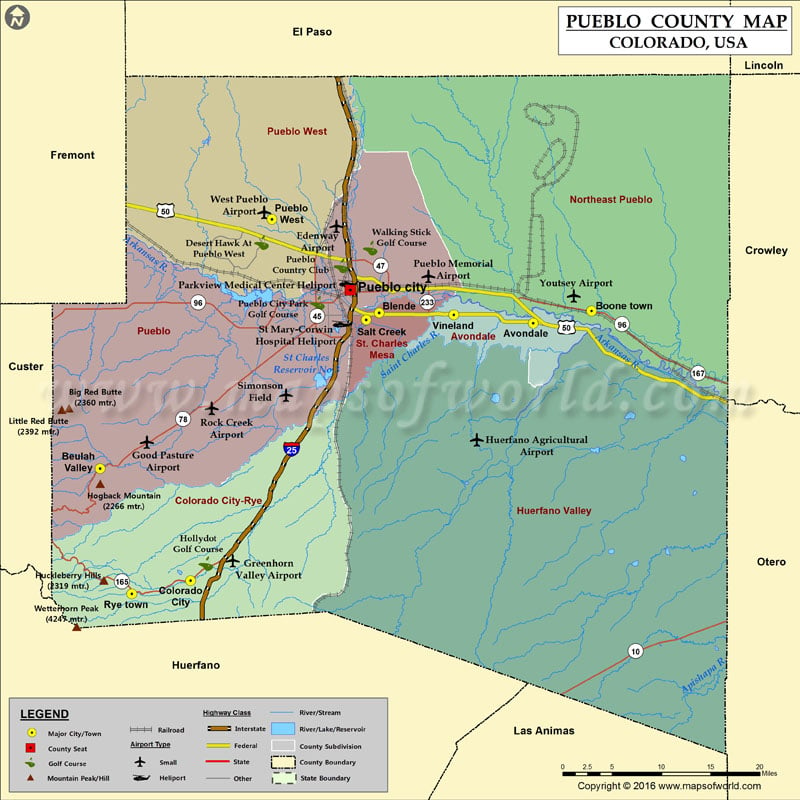
Pueblo County: A Gateway to Southern Colorado’s Charm
Pueblo County encompasses more than just the city of Pueblo; it’s a region defined by its significant geographical position, historical depth, and a climate that offers ample sunshine year-round. Understanding the county is key to appreciating the city itself, as the two are inextricably linked in their development and identity.
Understanding Pueblo’s Geographic Heart
As the county seat, Pueblo sits strategically at the intersection of major highways, making it an accessible gateway to various parts of Colorado. Its location on the Arkansas River was fundamental to its early growth, providing water for agriculture and power for industry. The river, a significant waterway in the United States, has shaped not only the city’s physical layout but also its historical narrative, including devastating floods that led to engineering marvels like the rerouting of the river through the city center.
Pueblo County’s boundaries stretch to include a variety of smaller communities and vast open spaces. To the north, it shares borders with El Paso County, home to Colorado Springs. To the west, it meets Fremont County, famous for the Royal Gorge Bridge and Park. Its eastern expanse touches the flatlands, while its southwestern reaches climb towards the foothills of the majestic Sangre de Cristo Mountains. This diverse geography means that within a relatively short drive, visitors can transition from urban exploration to serene lake activities, and from historical immersion to rugged outdoor adventures.
The county’s history is deeply intertwined with that of the American West. From its origins as a fur trading post in the mid-19th century, through its boom as a railroad and industrial powerhouse, Pueblo County has witnessed and shaped critical periods of Colorado’s development. This legacy is preserved in its architecture, museums, and the resilient spirit of its communities.
The Diverse Landscape and Climate
Pueblo County enjoys a semi-arid climate, characterized by abundant sunshine, low humidity, and distinct seasons. Summers are warm and dry, often reaching into the 90s Fahrenheit (30s Celsius), perfect for water sports on the lake or exploring the city’s outdoor attractions. Winters are generally mild compared to other Colorado locales, with moderate snowfall that rarely lingers for long, making it an accessible destination even in colder months. Spring and autumn offer pleasant temperatures, ideal for hiking, biking, and enjoying the changing colors of the landscape.
The topography of Pueblo County is incredibly varied. The city of Pueblo itself sits on the plains, gradually rising towards the west. The Arkansas River flows through the heart of the county, fed by tributaries like Fountain Creek and the Purgatoire River further south. To the west, the landscape becomes more rugged, with mesas and canyons leading into the foothills. This diversity supports a range of ecosystems and provides a playground for outdoor enthusiasts. From fishing and boating on large reservoirs to birdwatching, hiking, and rock climbing, the natural environment of Pueblo County invites exploration and adventure, perfectly aligning with the “Travel” and “Lifestyle” aspects of a robust travel website.
Unveiling Pueblo’s Rich Tapestry: Attractions and Experiences
For any traveler, the allure of a destination lies in its ability to offer memorable experiences, from iconic landmarks to unique cultural encounters. Pueblo, Colorado, does not disappoint, providing a captivating blend of history, natural beauty, and vibrant local life that caters to diverse interests, whether you’re a history buff, an outdoor adventurer, or a foodie.
The Heart of the City: Historic Arkansas Riverwalk of Pueblo (HARP)
Perhaps the most prominent jewel in Pueblo’s crown is the Historic Arkansas Riverwalk of Pueblo (HARP), commonly known as the Pueblo Riverwalk. This beautifully redeveloped section of the Arkansas River runs through the heart of downtown Pueblo and is a prime example of urban revitalization done right. Inspired by the famous San Antonio Riverwalk, HARP offers a lively pedestrian promenade lined with restaurants, shops, and public art installations.
Visitors can enjoy leisurely gondola rides, take a water taxi, or simply stroll along the paths, soaking in the atmosphere. The Riverwalk is also a hub for events and festivals throughout the year, adding a dynamic energy to the downtown area. It’s an ideal spot for a romantic evening, a family outing, or simply enjoying a meal with a view. The surrounding Union Avenue Historic District complements the Riverwalk with its beautifully preserved Victorian-era buildings, now housing unique boutiques, galleries, and eateries, inviting visitors to explore Pueblo’s past while enjoying its present.
Natural Wonders and Outdoor Adventures
Beyond the urban core, Pueblo County truly shines as an outdoor recreation paradise. Lake Pueblo State Park stands out as the crown jewel for nature lovers. This expansive state park, fed by the Arkansas River, boasts two marinas and provides unparalleled opportunities for boating, fishing, swimming, and various water sports. Its 60 miles of shoreline and extensive trail system also make it perfect for hiking, mountain biking, and picnicking. Wildlife viewing is abundant, with a chance to spot deer, eagles, and various waterfowl. The park’s natural beauty, coupled with its recreational offerings, makes it a destination in itself for both day-trippers and those looking for a longer stay in one of its numerous campsites.
For those seeking more rugged adventures, the foothills and plains surrounding Pueblo offer scenic drives, challenging hiking trails, and rock climbing opportunities. The sunny climate ensures that outdoor activities are enjoyable for most of the year, providing a refreshing contrast to the often cooler and snowier conditions found closer to the higher Rocky Mountains.

Delving into History and Culture
Pueblo’s story is deeply etched in its cultural institutions and events. The Pueblo Zoo, one of the oldest zoos in the United States, provides a fantastic family-friendly attraction with a diverse collection of animals and engaging exhibits. It’s a wonderful place to spend an afternoon, combining education with entertainment.
History buffs will revel in the Rosemount Museum, an exquisite 37-room Victorian mansion often referred to as “Colorado’s Downton Abbey.” This meticulously preserved home offers a fascinating glimpse into the opulent lifestyle of a prominent Pueblo family at the turn of the 20th century, complete with original furnishings and artifacts.
To truly understand Pueblo’s industrial past, a visit to the Steelworks Center of the West is essential. Located on the historic site of the Colorado Fuel and Iron Company, this museum tells the compelling story of steelmaking, labor history, and the immigrant communities that built Pueblo. It’s a powerful and educational experience that underscores the city’s nickname, “Steel City,” and its significant contribution to American industry.
Culturally, Pueblo is famous for hosting the Colorado State Fair every August. This annual event is a celebration of Colorado’s agricultural heritage, featuring rodeos, concerts, carnival rides, and delicious fair food. It draws visitors from across the state and beyond, offering a quintessential American fair experience.
No discussion of Pueblo’s culture would be complete without mentioning its culinary claim to fame: the Pueblo green chile. Distinct from New Mexico’s Hatch chile, Pueblo’s own variety is celebrated with festivals, farmer’s markets, and can be found in virtually every restaurant, from casual diners to upscale establishments. Sampling green chile stew, chile rellenos, or a green chile cheeseburger is a must-do for any visitor, embodying the rich flavors of local agriculture and heritage.
Planning Your Pueblo Stay: Accommodation and Travel Tips
Visiting Pueblo, Colorado, is an enriching experience that combines urban amenities with natural beauty and historical insights. To make the most of your trip, thoughtful planning regarding accommodation, transportation, and timing is key.
Where to Stay in Pueblo
Pueblo offers a range of accommodation options to suit various preferences and budgets, from well-known hotel chains to charming local establishments and vacation rentals. Travelers focused on enjoying the Pueblo Riverwalk and downtown attractions will find several excellent hotels in the city center. For instance, the Courtyard by Marriott Pueblo Downtown and the SpringHill Suites by Marriott Pueblo Downtown offer modern amenities and convenient access to the Riverwalk, dining, and cultural sites.
For those preferring a slightly different location or specific brand, options like Hyatt Place Pueblo or Hampton Inn & Suites Pueblo-North provide comfortable stays with easy access to major roads and shopping areas. Budget-conscious travelers can find reliable options such as Days Inn by Wyndham Pueblo or other similar motels located along the city’s main thoroughfares.
Families or groups seeking more space and a home-away-from-home experience might consider vacation rentals or apartments, which are increasingly available in and around Pueblo. These options often come with kitchens and multiple bedrooms, providing flexibility and comfort for longer stays. For outdoor enthusiasts planning to spend significant time at Lake Pueblo State Park, camping within the park is a popular and immersive choice, offering various sites from basic tent spots to full RV hookups.
Navigating Pueblo and Beyond
Getting to Pueblo is relatively straightforward. While Pueblo Memorial Airport offers regional service, most visitors fly into larger airports like Denver International Airport (DIA) or Colorado Springs Airport (COS) and then drive to Pueblo. A rental car is highly recommended for exploring Pueblo County and surrounding areas, as public transportation options are more limited for tourist exploration outside the immediate downtown area.
Once in Pueblo, driving is the most convenient way to get around. However, the downtown area, especially around the Riverwalk and Union Avenue Historic District, is very walkable, making it easy to explore on foot.
Pueblo’s central location also makes it an excellent base for day trips. Popular excursions include:
- Colorado Springs (approximately 45 minutes north): Explore attractions like Pikes Peak, Garden of the Gods, and the United States Olympic & Paralympic Museum.
- Cañon City (approximately 40 minutes west): Home to the spectacular Royal Gorge Bridge and Park and excellent white-water rafting opportunities on the Arkansas River.
- Great Sand Dunes National Park and Preserve (approximately 2 hours southwest): A truly unique natural wonder where towering sand dunes meet the Sangre de Cristo Mountains.

Best Time to Visit and Local Tips
The best time to visit Pueblo largely depends on your interests. Summer (June-August) is perfect for enjoying Lake Pueblo State Park and attending the Colorado State Fair. Spring (April-May) and Fall (September-October) offer pleasant weather for exploring outdoor attractions and the Riverwalk without the peak summer crowds. Even winter (November-March) can be appealing for its mild days and fewer tourists, allowing for cozy exploration of museums and indoor attractions.
When in Pueblo, be sure to:
- Embrace the Green Chile: Seek out local restaurants and farmer’s markets to savor the authentic Pueblo green chile.
- Check Local Event Calendars: Pueblo hosts numerous festivals and events throughout the year beyond the State Fair, including car shows, art walks, and concerts.
- Support Local Businesses: From unique shops in the Union Avenue Historic District to family-owned restaurants, local establishments contribute significantly to Pueblo’s distinct charm.
In conclusion, Pueblo, Colorado, firmly rooted in Pueblo County, offers travelers a captivating journey through history, nature, and authentic Colorado culture. Whether you’re drawn by the serene waters of Lake Pueblo, the vibrant energy of the Riverwalk, or the compelling stories within its museums, Pueblo promises an engaging and memorable travel experience.
LifeOutOfTheBox is a participant in the Amazon Services LLC Associates Program, an affiliate advertising program designed to provide a means for sites to earn advertising fees by advertising and linking to Amazon.com. Amazon, the Amazon logo, AmazonSupply, and the AmazonSupply logo are trademarks of Amazon.com, Inc. or its affiliates. As an Amazon Associate we earn affiliate commissions from qualifying purchases.