
Navigating the financial aspects of travel, especially when it comes to taxes, can often feel like a complex maze. For many travelers planning a getaway to the vibrant and diverse landscapes of the United States, understanding sales tax is a crucial part of budgeting. When the spotlight turns to the unique allure of the Silver State, also known as Nevada, a common question arises: “Does the State of Nevada have sales tax?” The answer is a resounding yes, but the nuances of this tax are what make it an important topic for any visitor, whether you’re planning a luxurious stay in Las Vegas, exploring the natural wonders near Reno, or indulging in the diverse lifestyle offerings that Nevada presents. This exploration will delve into how sales tax operates in Nevada, its implications for travelers, and how it intertwines with the state’s thriving tourism industry.
Understanding Nevada’s Sales Tax Landscape
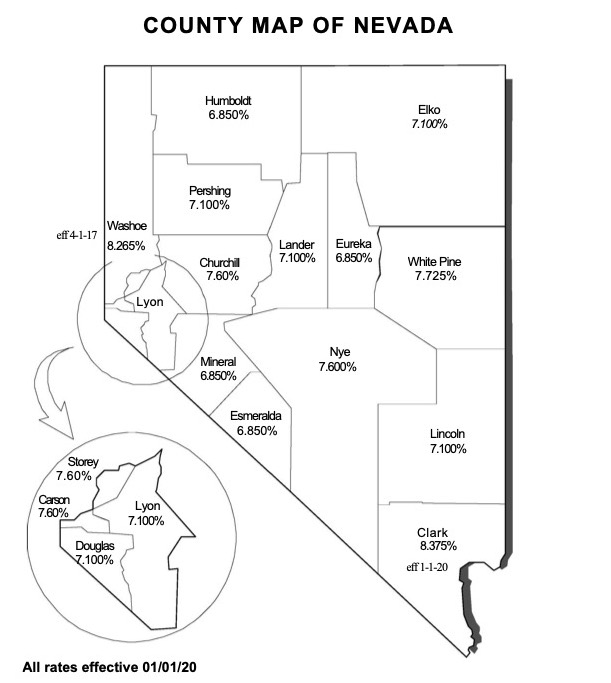
At its core, Nevada does indeed levy a statewide sales tax, but its structure is more layered than a simple, uniform rate. The state imposes a base rate, but this is significantly augmented by local taxes levied by individual counties. This means that the final sales tax rate you’ll encounter can vary considerably depending on your specific destination within Nevada. This variability is a key factor for travelers, as it directly impacts the cost of goods and services, from your hotel room at a famous Las Vegas resort to souvenirs purchased in a charming mountain town.
The Base State Rate and Its Local Augmentation
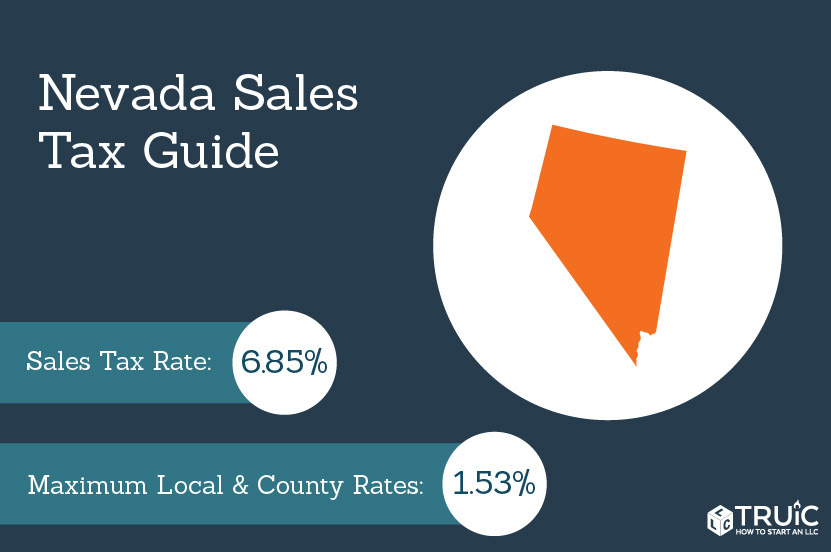
The State of Nevada has a base state sales tax rate. However, this rate alone is rarely what consumers actually pay. The majority of the sales tax revenue generated in Nevada comes from a combination of state and local taxes. Counties are authorized to impose their own sales taxes, often referred to as district taxes or local option taxes. These taxes are typically voted on by the residents of a particular county and are designed to fund local services, infrastructure projects, and public safety initiatives.
For instance, a traveler staying in Clark County, home to the iconic Las Vegas Strip, will experience a different combined sales tax rate than someone visiting Washoe County, where Reno is located. The Nevada Department of Taxation oversees the collection and distribution of these taxes, ensuring that both state and local mandates are met. The primary goal of this system is to provide a significant revenue stream for the state and its localities, funding essential public services without relying solely on property taxes or income taxes, which Nevada famously does not have.
What is Subject to Sales Tax in Nevada?
Generally, most tangible personal property sold at retail within Nevada is subject to sales tax. This includes a wide array of items that a traveler might purchase, such as clothing, electronics, souvenirs, and even food and beverages consumed on the premises of a restaurant or bar. The tax is levied at the point of sale, meaning the price you see on the shelf often does not include the sales tax, which will be added at the register.
However, there are certain exemptions and specific rules that apply to various goods and services. For example, groceries intended for home consumption are typically exempt from sales tax. This distinction is important for travelers opting for accommodation with kitchen facilities or those stocking up for a road trip. Services are also a significant component of Nevada‘s economy and tax structure. Many services are taxable, including but not limited to:
- Hotel accommodations: This is a critical area for tourists, as the lodging you choose will be subject to sales tax, often at a rate that includes both state and local components.
- Car rentals: If you’re exploring Nevada by car, the rental fees will incur sales tax.
- Repair services: Services performed on tangible personal property are generally taxable.
- Admissions and entertainment: Tickets to shows, attractions, and sporting events are typically subject to sales tax.
It is crucial for travelers to be aware that the taxability of services can be complex and may vary by county. For example, a specific type of professional service might be taxed in one county but not another, further emphasizing the importance of checking local regulations.
Understanding the Tax on Hotel Stays and Accommodation
For anyone planning a trip to Nevada, particularly to its world-renowned tourist destinations, the tax on hotel stays is a significant consideration. Hotels, resorts, and other lodging establishments are subject to Nevada‘s sales tax. This tax is usually calculated based on the room rate and is collected by the hotel at the time of checkout.
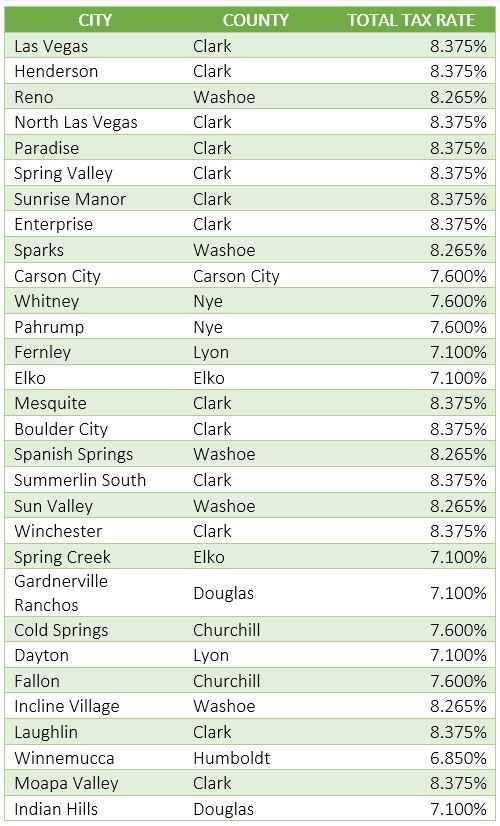
The rate applied to hotel stays is a combination of the state sales tax and any applicable local taxes imposed by the city and county where the hotel is located. For instance, a stay at a luxurious resort on the Las Vegas Strip in Clark County will have a higher combined tax rate than a more modest motel in a rural Nevada town. These rates can fluctuate, so it’s always advisable to check the most current tax rates for your specific destination.
Beyond the standard sales tax, hotels in some areas of Nevada, particularly in high-traffic tourist zones like Las Vegas and Reno, may also impose additional occupancy taxes or resort fees. While not strictly “sales tax,” these fees function similarly by increasing the overall cost of your accommodation. Resort fees, in particular, are often mandatory and cover amenities like Wi-Fi, gym access, or pool use, regardless of whether you utilize them. It’s wise to factor these additional costs into your accommodation budget when booking your stay at properties like the Bellagio Las Vegas, the Caesars Palace Las Vegas, or the The Venetian Las Vegas.
Sales Tax Implications for Travelers
The presence and variability of sales tax in Nevada have direct and tangible implications for travelers. Understanding these implications can help you budget more effectively and avoid any unwelcome surprises.
Budgeting for Your Nevada Trip
The most immediate impact of sales tax is on your overall trip budget. While the state sales tax rate might seem manageable, when coupled with local taxes, the final percentage can add a noticeable sum to your expenses. For a significant purchase, like electronics or high-end fashion, the added tax can equate to a considerable amount. Similarly, for a multi-day trip involving frequent dining out, car rentals, and hotel stays, these taxes accumulate quickly.
Travelers should factor in an estimated sales tax percentage when planning their spending. A good rule of thumb is to add 8-10% to the advertised price of goods and services, although it’s advisable to check the specific rates for your destination for a more accurate calculation. For example, when planning a family trip to Lake Tahoe or a romantic getaway to the wineries of Pahrump, researching the local sales tax rates in those specific counties will provide a more precise budget. This proactive approach ensures that you have sufficient funds for your planned activities and purchases, from enjoying the nightlife in Las Vegas to exploring the historic Hoover Dam.
Avoiding Unnecessary Tax Burdens
While sales tax is generally unavoidable on purchases within Nevada, there are strategies travelers can employ to manage its impact. One of the most straightforward ways is to be mindful of your spending. Prioritizing essential purchases and being selective with discretionary spending can help mitigate the overall tax burden.
Furthermore, understanding which goods and services are exempt from sales tax can also be beneficial. As mentioned earlier, groceries for home consumption are typically exempt. If your accommodation includes kitchen facilities, preparing some of your own meals can lead to savings not only on food costs but also on the sales tax that would have been applied to restaurant meals.
For business travelers, understanding tax regulations related to business expenses can also be important for reimbursement purposes. While individual travelers may not have this concern, it’s a factor for those undertaking work-related travel.
Nevada’s Tax Structure and Tourism
Nevada‘s tax structure, particularly its reliance on sales tax and gaming revenue, is intrinsically linked to its identity as a premier tourist destination. The state has strategically leveraged these revenue streams to fund public services and invest in infrastructure that supports its robust tourism industry.
The Role of Sales Tax in Funding Public Services
Sales tax is a vital source of revenue for the State of Nevada and its local governments. These funds are crucial for maintaining public services such as education, transportation, law enforcement, and parks and recreation. Without the significant revenue generated from sales tax, particularly in highly populated and tourist-heavy areas like Las Vegas and Reno, the state would need to find alternative, potentially less desirable, funding mechanisms. This reliance on sales tax makes the tourism industry, which drives consumer spending, a critical component of the state’s financial health. The money collected from tourists contributes directly to the very services and infrastructure that enhance the visitor experience.
Tourism as a Driver of Tax Revenue
The success of Nevada‘s tourism industry is directly proportional to its ability to generate tax revenue. World-famous attractions like the Grand Canyon (though primarily in Arizona, Nevada has portions of it accessible), the vibrant Las Vegas Strip with its iconic hotels such as the Wynn Las Vegas and the Encore at Wynn Las Vegas, the natural beauty of Valley of Fire State Park, and the historical significance of places like Virginia City draw millions of visitors annually. These visitors spend money on accommodation, dining, entertainment, shopping, and transportation, all of which are subject to sales tax.
The state and its counties actively invest in marketing and promoting Nevada as a travel destination, understanding that increased tourism translates directly into increased sales tax revenue. This creates a symbiotic relationship: the state’s efforts to boost tourism benefit the economy through tax collections, and these tax revenues, in turn, are reinvested into improving the state’s appeal and infrastructure, further attracting visitors. This cycle is fundamental to the economic prosperity of Nevada, making the question of sales tax not just a consumer concern but a core element of the state’s economic strategy. Therefore, when you plan your next adventure to experience the unique lifestyle Nevada offers, from its bustling cities to its serene natural landscapes, remember that a portion of your expenditure contributes to the very fabric of the state you are visiting.
LifeOutOfTheBox is a participant in the Amazon Services LLC Associates Program, an affiliate advertising program designed to provide a means for sites to earn advertising fees by advertising and linking to Amazon.com. Amazon, the Amazon logo, AmazonSupply, and the AmazonSupply logo are trademarks of Amazon.com, Inc. or its affiliates. As an Amazon Associate we earn affiliate commissions from qualifying purchases.