
The question of when the St. Louis Rams moved to Los Angeles marks a significant turning point in the history of the National Football League (NFL) and the urban identities of two distinct American cities. This pivotal relocation officially occurred in January 2016, when NFL owners approved the team’s move back to Southern California after a two-decade absence. Beyond merely shifting a sports franchise, this event profoundly impacted the travel, tourism, accommodation, and lifestyle landscapes of both St. Louis, Missouri, and Los Angeles, California. For fans, residents, and visitors alike, understanding this transition involves delving into the compelling narratives of stadium development, civic pride, and the ever-evolving dynamics of professional sports as a cultural and economic engine.
The departure of the Rams from St. Louis not only left a void in the hearts of football enthusiasts in the Midwest but also spurred a reevaluation of the city’s identity, prompting a renewed focus on its other vibrant attractions and cultural offerings. Simultaneously, the return of the Rams to Los Angeles signaled a grand re-entry for the NFL into one of the largest media markets in the world, catalyzing massive investments in state-of-the-art facilities and creating unparalleled opportunities for tourism, luxury travel, and unforgettable experiences centered around the game. This article will explore the journey of the Rams, from their vibrant tenure in St. Louis to their ambitious return to Los Angeles, examining the implications for travel and lifestyle in both iconic locations.
A Tale of Two Cities: The Rams’ Journey Back West
The story of the St. Louis Rams is intrinsically linked to the narrative of two distinct American cities, each offering unique travel experiences and cultural tapestries. The franchise’s journey, punctuated by periods of glory and challenges, reflects broader trends in urban development, sports tourism, and the high-stakes world of professional sports.
The St. Louis Era: A Golden Age of Football and City Pride
The Rams originally arrived in St. Louis in 1995, relocating from Anaheim, California. Their tenure in the Gateway City was marked by a thrilling period of success, culminating in a historic victory in Super Bowl XXXIV in 1999. This era, affectionately remembered as “The Greatest Show on Turf,” created an indelible bond between the team and its passionate fanbase. For those who traveled to St. Louis during these years for a game, the experience extended far beyond the confines of the Edward Jones Dome.
A trip to St. Louis offered a rich blend of history, culture, and culinary delights. Visitors could explore the iconic Gateway Arch, a breathtaking stainless steel monument symbolizing westward expansion and offering panoramic views of the city and the Mississippi River. Sports enthusiasts might also visit Busch Stadium, home to the beloved St. Louis Cardinals, immersing themselves in the city’s deep-seated baseball tradition. Accommodation options ranged from luxury stays like the Four Seasons Hotel St. Louis, providing exquisite views and amenities, to centrally located options such as the Hyatt Regency St. Louis at The Arch, perfect for accessing downtown attractions. The city’s vibrant food scene, famous for its St. Louis-style BBQ and gooey butter cake, added a flavorful dimension to any visit. This period cemented the idea that attending an NFL game was often a gateway to discovering a city’s unique charm, making sports tourism a significant component of local economies and cultural identity. The lively atmosphere of game days, with fans gathering at local pubs and restaurants, created a communal lifestyle that was truly unique to St. Louis.
The Decision to Depart: Financial Realities and Stadium Woes
Despite the strong fan base and a history of success, the relationship between the Rams and St. Louis began to fray over issues surrounding the team’s home stadium. The Edward Jones Dome, once state-of-the-art, became increasingly outdated compared to the modern facilities being built across the league. Efforts to secure public funding for renovations or a new stadium proved challenging, leading to a protracted dispute between the team’s ownership and city officials.
Stan Kroenke, owner of the Rams, began to explore opportunities to move the franchise back to the lucrative Los Angeles market, which had been without an NFL team since 1994. The allure of a new, privately funded stadium and a vast market with significant corporate sponsorship potential ultimately tipped the scales. In January 2016, after extensive deliberations, NFL owners voted overwhelmingly to approve the Rams’ relocation to Los Angeles. This decision was a bitter blow for St. Louis and its loyal fans, highlighting the profound impact sports franchises have on civic identity and local pride.
In the aftermath of the departure, St. Louis has continued to thrive by emphasizing its rich cultural heritage, diverse culinary scene, and a growing number of attractions. The city has redoubled its efforts to promote its world-class museums, beautiful parks like Forest Park, and vibrant neighborhoods, positioning itself as a prime destination for cultural tourism and family experiences. While the game-day bustle of the NFL may be missed, the city has successfully redirected its focus, offering a compelling array of travel and lifestyle options for visitors seeking an authentic Midwestern experience.

The Return to the City of Angels: A New Era for the Los Angeles Rams
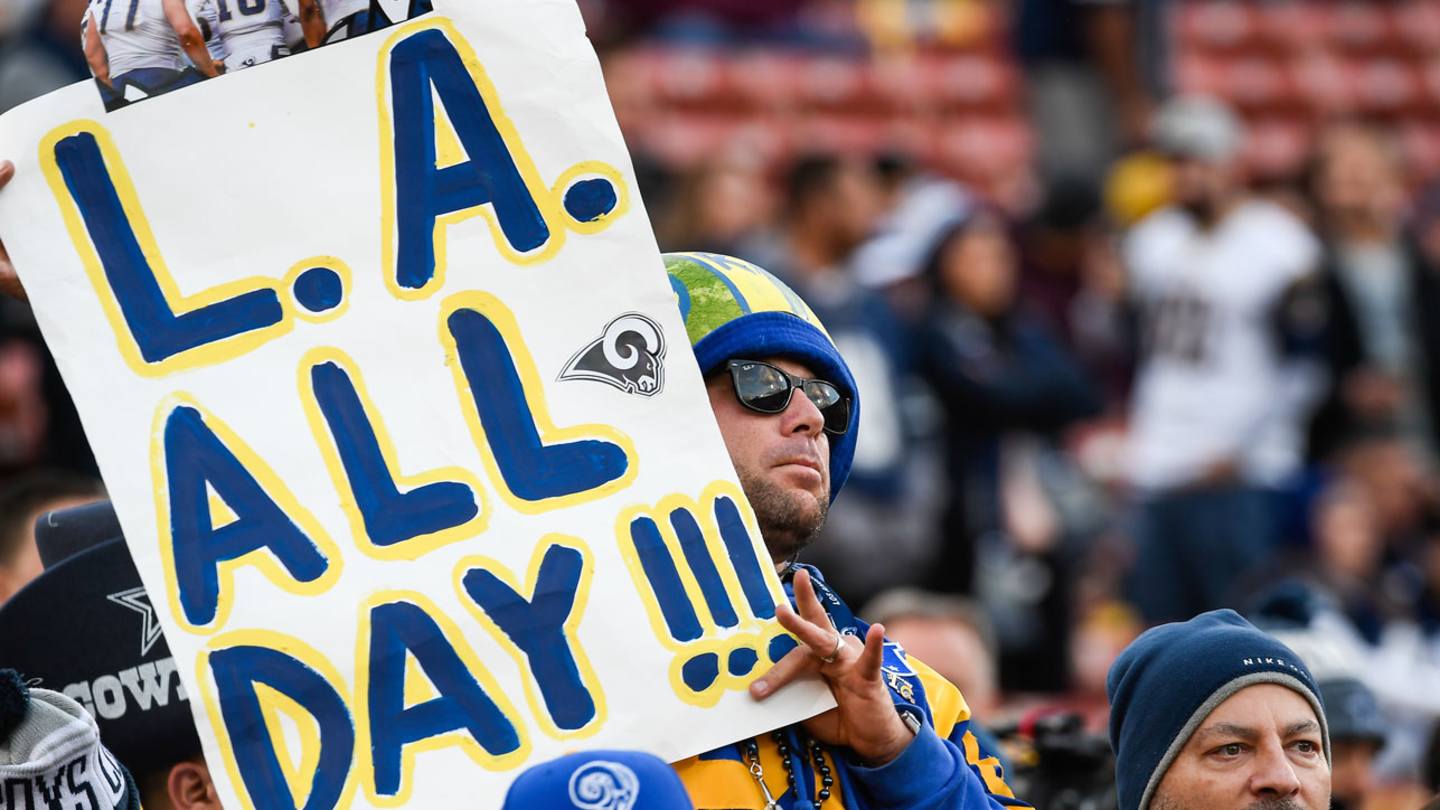
The return of the Rams to Los Angeles was met with immense anticipation, marking the end of a two-decade absence of professional football in one of America’s largest and most dynamic cities. This homecoming heralded a new chapter for the franchise and created a fresh landscape for sports tourism and luxury lifestyle experiences in Southern California.
The Homecoming and SoFi Stadium’s Grand Vision
The official announcement of the Rams’ move in January 2016 kicked off an exciting period of transition. For their initial seasons, the team played at the historic Los Angeles Memorial Coliseum, a landmark venue that had hosted two Olympic Games and countless iconic sporting events. This temporary arrangement built excitement while the ambitious cornerstone of their permanent return took shape: SoFi Stadium.
Opened in 2020, SoFi Stadium in Inglewood is more than just a football venue; it is a sprawling, state-of-the-art entertainment complex and a modern architectural marvel. As a landmark, it instantly became a major draw for both sports fans and architecture enthusiasts. Its translucent, cable-net roof and the colossal 360-degree Oculus videoboard define a new standard for stadium design and fan experience. The stadium is not only home to the Rams (and later the Los Angeles Chargers) but also a premier destination for concerts, major events, and even the Super Bowl LVI, which the Rams famously won on their home turf.

The development of SoFi Stadium has had a transformative impact on Inglewood and the wider Los Angeles area. It has spurred significant investment in infrastructure, new businesses, and job creation, establishing itself as a vital economic engine and a new hub for tourism in LA. Visitors traveling to witness a Rams game now have the opportunity to experience a facility that redefines what a sports venue can be, seamlessly integrating cutting-edge technology with unparalleled fan comfort and amenities.
Experiencing Los Angeles: Beyond the Game Day
For those planning a trip to Los Angeles to catch a Rams game, the city offers an astonishing array of travel, accommodation, and lifestyle experiences that extend far beyond the football field. Los Angeles is a global hub for entertainment, culture, and innovation, ensuring every visitor finds something to captivate them.
When it comes to travel and logistics, navigating LA requires some planning. Many visitors opt for car rentals to explore the vast metropolitan area, while ride-sharing services and an expanding public transportation system offer convenient alternatives. For accommodation, Los Angeles boasts an unparalleled selection, catering to every budget and preference. Luxury travelers might indulge in the legendary glamour of The Beverly Hills Hotel or the serene exclusivity of Hotel Bel-Air, while options near SoFi Stadium or in Downtown LA provide proximity to game-day excitement and a variety of dining and entertainment. From boutique hotels in West Hollywood to long-term stay apartments in Santa Monica, the choices are diverse and abundant.
Tourism in Los Angeles is a mosaic of iconic landmarks and vibrant cultural experiences. Visitors can stroll along the Hollywood Walk of Fame, gaze at the stars from the Griffith Observatory, or relax on the sun-drenched beaches of Santa Monica and Malibu. The city’s culinary scene is a world-class attraction in itself, ranging from Michelin-starred fine dining in Beverly Hills to authentic ethnic cuisines in diverse neighborhoods like Koreatown or Little Ethiopia. Beyond the glamour, LA offers endless opportunities for outdoor activities, from hiking in the Hollywood Hills to surfing along the coast. A trip for a Rams game becomes an immersive lifestyle experience, blending the thrill of professional sports with the unparalleled attractions of one of the world’s most dynamic urban environments.
The Broader Impact: NFL Migration and Urban Identity
The relocation of the St. Louis Rams to Los Angeles in 2016 was not an isolated incident but rather part of a broader trend within the NFL and professional sports in general. This era saw several high-profile franchise shifts, including the Oakland Raiders moving to Las Vegas and the San Diego Chargers also relocating to Los Angeles. These movements underscore the increasing influence of market size, stadium infrastructure, and financial incentives in shaping the landscape of professional sports.
Each relocation sparks intense debate about the role of sports teams in urban identity, local economies, and civic pride. For cities losing a team, there is often a period of introspection and a renewed focus on other cultural assets and tourism drivers. St. Louis, for instance, has continued to champion its rich history, vibrant arts scene, and established attractions like the Gateway Arch and its diverse neighborhoods, ensuring its appeal as a destination for travelers seeking authentic American experiences.
Conversely, cities gaining a team often embark on ambitious development projects, with new stadiums becoming modern landmarks and economic engines. These colossal structures, such as SoFi Stadium, are designed not just for sports but as multi-purpose entertainment complexes, drawing visitors for a variety of events year-round. They become catalysts for new hotels, restaurants, and retail spaces, significantly boosting local tourism and creating a new lifestyle around these venues. For traveling fans, planning an away game trip now involves considering these new mega-venues as part of their destination experience. Booking accommodation, exploring local culinary scenes, and discovering historical or recreational landmarks all become part of the broader journey.
The phenomenon of NFL migration highlights how intimately sports franchises are woven into the fabric of a city. They represent more than just a game; they embody a collective identity, provide communal gathering points, and serve as powerful magnets for tourism. The experience of following a team, whether at home or on the road, transforms into a comprehensive travel and lifestyle adventure, encompassing everything from booking the perfect hotel suite to sampling local delicacies and immersing oneself in the unique culture of a new destination.
In conclusion, the move of the St. Louis Rams to Los Angeles in January 2016 was a defining moment for both the franchise and the cities involved. While it marked a poignant end to an era for St. Louis football, it ushered in a new, exciting chapter for Los Angeles, establishing SoFi Stadium as a premier landmark and boosting the region’s already thriving tourism industry. For travelers and sports enthusiasts, this relocation has created new opportunities to explore diverse destinations, experience world-class amenities, and partake in the vibrant intersection of sports, travel, and lifestyle that defines modern urban culture.
LifeOutOfTheBox is a participant in the Amazon Services LLC Associates Program, an affiliate advertising program designed to provide a means for sites to earn advertising fees by advertising and linking to Amazon.com. Amazon, the Amazon logo, AmazonSupply, and the AmazonSupply logo are trademarks of Amazon.com, Inc. or its affiliates. As an Amazon Associate we earn affiliate commissions from qualifying purchases.