The question “What Time Is Texas Now?” might seem straightforward, but it hints at a deeper complexity that defines the vast and diverse landscape of the Lone Star State. Far from being a simple check of the clock, understanding the nuances of time in Texas opens a gateway to appreciating its immense geographical span, its distinct regions, and the myriad of experiences it offers to travelers. From the bustling urban centers to the serene desert plains, Texas beckons with a wealth of destinations, attractions, and accommodations that cater to every lifestyle and travel preference.
This article delves into the actual time zones that govern Texas and then transcends the temporal, exploring how this geographical expanse translates into a rich tapestry of tourism opportunities. We’ll journey through the various regions, uncover iconic landmarks, recommend diverse hotel options, and provide guides for an unforgettable Texas adventure, proving that no matter “what time it is,” it’s always the right time to visit Texas.
Understanding Texas Time Zones: A Traveler’s Guide
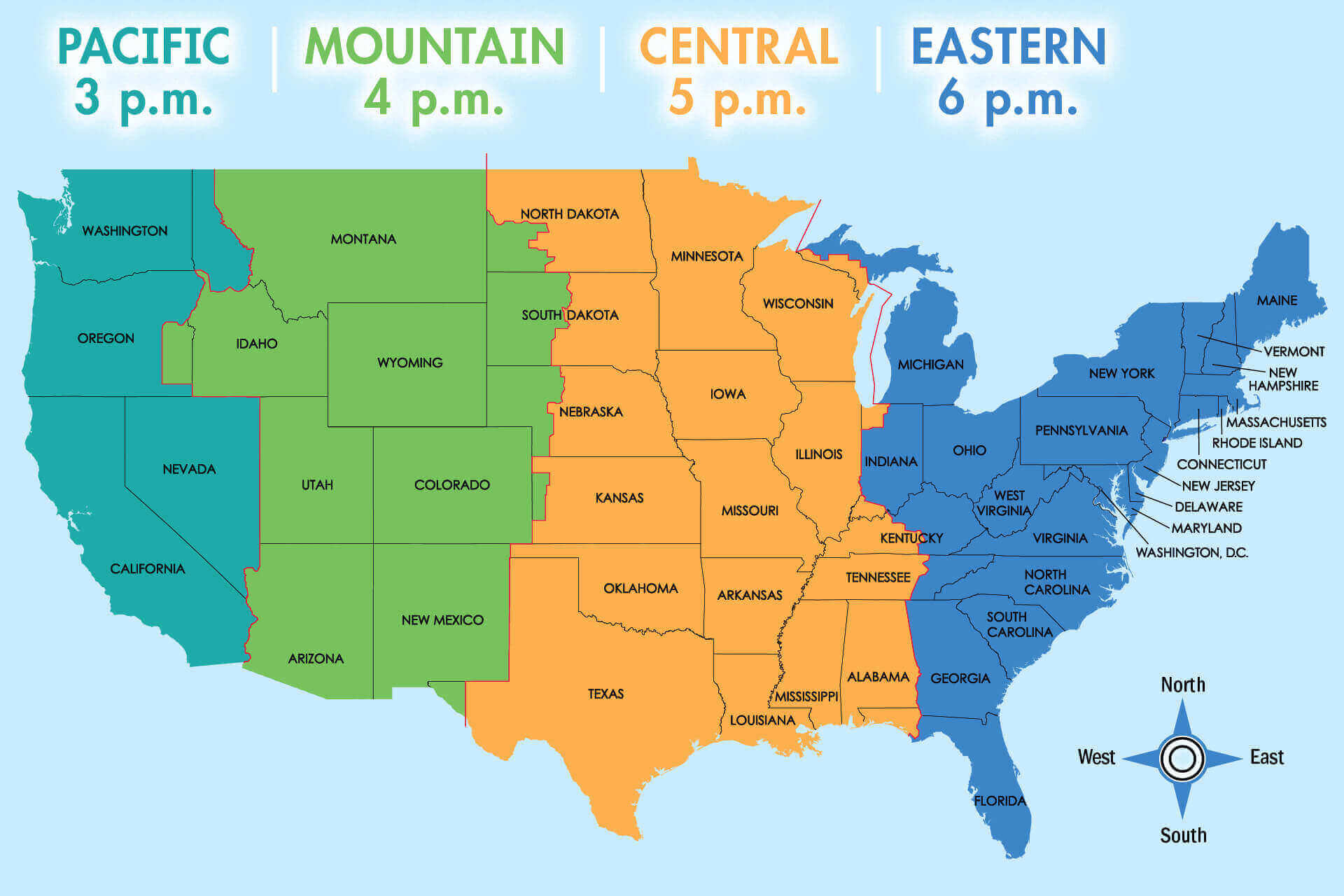
Before embarking on any grand Texas adventure, a fundamental understanding of its time zones is crucial for seamless travel planning, especially if your itinerary involves traversing the state from east to west. Texas is primarily governed by one time zone, but a small, significant portion operates on another, creating an intriguing geographical and temporal dynamic.
Central Time Zone (CT) Dominance
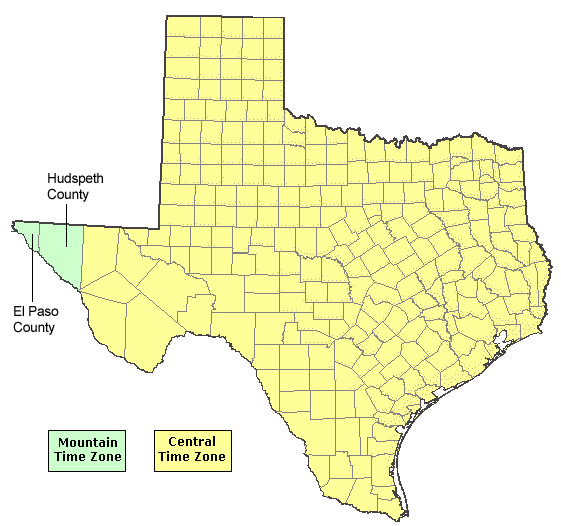
The vast majority of Texas, encompassing its major metropolitan areas and most of its population centers, observes the Central Time Zone (CT). This includes major cities like Houston, Dallas, Fort Worth, Austin, and San Antonio. During standard time, it’s referred to as Central Standard Time (CST), which is UTC-6. When Daylight Saving Time is in effect, it switches to Central Daylight Time (CDT), which is UTC-5. For most visitors planning trips to iconic destinations such as the River Walk in San Antonio, the Houston Space Center Houston, or the vibrant Live Music Capital of the World in Austin, the Central Time Zone will be their primary time reference.
El Paso and Hudspeth: Mountain Time Zone (MT) Anomaly
The exception to Texas’s Central Time Zone rule lies in its far western reaches. The city of El Paso and the entirety of Hudspeth County observe the Mountain Time Zone (MT). This puts them an hour behind the rest of the state. So, if it’s 3:00 PM in Dallas, it would be 2:00 PM in El Paso. During standard time, it’s Mountain Standard Time (MST), which is UTC-7, and during Daylight Saving Time, it’s Mountain Daylight Time (MDT), which is UTC-6. This distinction is vital for travelers exploring the rugged beauty of West Texas, including magnificent landmarks like Big Bend National Park and Guadalupe Mountains National Park, which are often accessed via El Paso or within Hudspeth County.
Practical Implications for Travelers
Understanding these time zones has practical implications for planning your Texas itinerary. When booking flights, arranging meetings, or simply planning your day, always confirm which time zone your specific destination adheres to. This is especially true for road trips that span the entire state, as the time change between Central and Mountain Time can affect travel times, dinner reservations, and attraction opening hours. Whether you’re flying into Dallas/Fort Worth International Airport or driving along the U.S.-Mexico border near El Paso, being aware of the time will ensure a smooth and enjoyable experience, allowing you to maximize every moment in this incredible state.
Beyond the Clock: Experiencing Texas’s Diverse Landscapes and Cultures
The vastness that necessitates two time zones is precisely what makes Texas an unparalleled travel destination. Its geographical diversity translates into a rich mosaic of cultural experiences, natural wonders, and distinct regional identities. Each corner of the state offers a unique flavor of Texas tourism.
East Texas: Piney Woods and Southern Charm
Stepping into East Texas is like entering a different world, characterized by dense Piney Woods, serene lakes, and a distinct Southern charm. This region, bordering Louisiana and Arkansas, is known for its lush forests, making it a haven for outdoor enthusiasts interested in hiking, fishing, and camping. Towns like Nacogdoches, Texas’s oldest town, offer a glimpse into the state’s rich history with charming downtowns and historic landmarks. Tyler, the “Rose Capital of America,” bursts with color, especially during the annual Texas Rose Festival. This area provides a tranquil escape, a stark contrast to the bustling cities, perfect for those seeking relaxation and natural beauty.
Gulf Coast: Beaches, Bays, and Island Life
The Texas Gulf Coast stretches for hundreds of miles, offering sandy beaches, vibrant port cities, and abundant wildlife. Galveston Island is a popular destination with its historic Pleasure Pier, Victorian architecture, and the Moody Gardens pyramids. Further south, Corpus Christi boasts the USS Lexington Museum and provides access to Padre Island National Seashore, the longest undeveloped barrier island in the world, ideal for birdwatching and beachcombing. South Padre Island is famous for its vibrant spring break scene and year-round water sports. Houston, often called “Space City,” is a powerhouse of culture, cuisine, and innovation, home to the Johnson Space Center and a thriving arts scene. The Kemah Boardwalk offers family-friendly entertainment, delicious seafood, and thrilling rides overlooking Galveston Bay.
Central Texas: Hill Country, Music, and History
Central Texas is arguably the heart and soul of the state for many visitors. The Texas Hill Country is renowned for its rolling hills, pristine rivers like the Guadalupe River, and charming small towns. Austin, the state capital, is a vibrant hub known for its live music, quirky culture, and outdoor activities around Lady Bird Lake and Barton Springs Pool. San Antonio is steeped in history, home to the iconic Alamo and the picturesque River Walk, as well as the five Spanish colonial missions of San Antonio Missions National Historical Park, a UNESCO World Heritage Site. Towns like Fredericksburg offer a taste of German heritage, award-winning wineries, and abundant peach orchards. Waco, popularized by Magnolia Market at the Silos, offers a blend of historic charm and modern appeal, while New Braunfels is famous for tubing on the Comal and Guadalupe Rivers and the legendary Schlitterbahn Waterpark.

North Texas: Urban Hubs and Frontier Heritage
North Texas is dominated by the sprawling Dallas-Fort Worth Metroplex, a dynamic region that seamlessly blends sophisticated urbanity with authentic Western heritage. Dallas is a center for fashion, business, and arts, featuring world-class museums in the Dallas Arts District, the Dallas World Aquarium, and the historical significance of the Sixth Floor Museum at Dealey Plaza. Fort Worth embraces its “Cowtown” roots, most famously at the Fort Worth Stockyards National Historic District, where visitors can experience cattle drives, rodeos, and Western-themed shops. The two cities offer distinct personalities but together provide an exhaustive array of attractions, from theme parks like Six Flags Over Texas to professional sports venues. Beyond the urban core, smaller towns like Grapevine offer charming historic main streets and annual festivals.
West Texas: Deserts, Mountains, and Big Sky Country
West Texas is where the landscape transforms into dramatic deserts, towering mountains, and seemingly endless skies, evoking a true sense of the American frontier. This region is home to some of Texas’s most stunning natural wonders. Big Bend National Park, where the Rio Grande carves a path through vast canyons, offers incredible hiking, stargazing, and river activities. The Guadalupe Mountains National Park is home to Guadalupe Peak, the highest point in Texas. Palo Duro Canyon State Park, near Amarillo, is the second-largest canyon in the U.S., often called the “Grand Canyon of Texas.” The enigmatic art town of Marfa attracts artists and curiosity-seekers with its minimalist art installations and the mysterious Marfa Lights. For those interested in astronomy, the McDonald Observatory near Fort Davis offers public programs under pristine dark skies. This region is for the adventurous, the contemplative, and anyone seeking the untamed beauty of the American Southwest.
Where to Stay: Accommodations Across the Lone Star State
No matter where your Texas adventures take you, finding the perfect accommodation is key to a memorable stay. Texas offers an incredible array of hotels, resorts, apartments, and villas, catering to every budget and lifestyle.
Luxury Retreats and Urban Stays
For those seeking the pinnacle of comfort and service, Texas’s major cities boast world-class luxury hotels and resorts. In Dallas, establishments like the Hotel ZaZa Dallas or the Omni Dallas Hotel offer sophisticated urban experiences with top-tier amenities. Houston features the opulent Post Oak Hotel and the serene Houstonian Hotel, Club & Spa, providing a peaceful retreat within the bustling city. Austin is home to the historic Driskill Hotel and the modern Four Seasons Hotel Austin with stunning lake views. In San Antonio, the Hotel Emma at the Pearl Brewery offers a unique blend of industrial chic and luxury, while the JW Marriott San Antonio Hill Country Resort & Spa provides a sprawling resort experience amidst the Hill Country. These properties often come with exceptional dining, spa services, and prime locations near key attractions.
Boutique Hotels and Unique Experiences
Texas also excels in offering charming boutique hotels and distinctive stays for travelers seeking character and a personalized touch. From the artistic hideaways in Marfa to the historic inns nestled in Fredericksburg, these accommodations often reflect the local culture and provide a more intimate experience. Many small towns across the Hill Country and East Texas feature bed and breakfasts housed in beautifully restored historic homes, offering a taste of Southern hospitality. For a truly unique stay, consider glamping experiences near Big Bend National Park or cozy cabins by one of Texas’s many lakes.
Budget-Friendly Options and Family Accommodations
Travelers on a budget will find a wide range of reliable and comfortable options across Texas. National chains like Hilton, Marriott, Best Western, and La Quinta Inn are widely available, offering consistent quality and amenities. For family trips, many hotels offer suites with extra space, pools, and complimentary breakfasts. Great Wolf Lodge in Grapevine and Grand Prairie provides an all-in-one resort experience with indoor water parks, perfect for keeping children entertained. Additionally, campgrounds and state parks offer economical options for those who enjoy the outdoors, with facilities for tents, RVs, and cabins.
Long-Term Stays and Vacation Rentals
For those planning extended visits, long-term stay options are plentiful. Apartments and villas available through platforms like Airbnb and Vrbo offer the comforts of home, often with kitchens and multiple bedrooms, ideal for families or groups. Corporate apartments and extended-stay hotels provide amenities like laundry facilities and pet-friendly options, catering to business travelers or those relocating. These options are particularly popular in major cities where proximity to work or specific neighborhoods is desired. The flexibility and space offered by vacation rentals make them a popular choice for deeper immersion into local communities and longer explorations of Texas’s diverse regions.
Planning Your Texas Adventure: Tips for Every Lifestyle
With its vastness and variety, Texas truly has something for everyone. Planning your trip around specific interests and lifestyles will ensure you make the most of your time.
Culinary Journeys and Local Flavors
Texas cuisine is an experience in itself, a delightful fusion of Southern, Mexican, and cowboy influences. No visit is complete without indulging in authentic Texas BBQ, with legendary joints found across the state, from Franklin Barbecue in Austin to Pecan Lodge in Dallas. Tex-Mex is another staple, offering flavorful dishes ranging from sizzling fajitas to cheesy enchiladas. Beyond these classics, cities like Houston and Austin boast innovative culinary scenes with diverse international restaurants, farm-to-table experiences, and trendy food trucks. Don’t forget to explore the burgeoning wine industry in the Hill Country or sample craft beers from local breweries. Food festivals, such as Wurstfest in New Braunfels, celebrate these rich culinary traditions.
Outdoor Activities and Natural Wonders
For adventurers and nature lovers, Texas Parks and Wildlife Department oversees a spectacular network of state parks and natural areas. Hike the rugged trails of Big Bend Ranch State Park, paddleboard on Lake Travis in Central Texas, or rock climb at Enchanted Rock State Natural Area. The Guadalupe River and Comal River offer popular tubing and rafting experiences, especially during the warmer months. Coastal destinations like Port Aransas and Mustang Island State Park are perfect for fishing, birdwatching, and enjoying the beach. Even urban areas offer green spaces like Zilker Park in Austin or Klyde Warren Park in Dallas, providing outdoor respite.
Arts, Culture, and Historical Landmarks
Texas’s history is as grand as its landscape. Explore the battlegrounds of the Alamo and San Jacinto to understand its fight for independence. Visit the Texas State Capitol in Austin, an architectural marvel. Delve into presidential history at the Lyndon B. Johnson Presidential Library or the George W. Bush Presidential Center. The state’s art scene is equally vibrant, with world-class museums such as the Museum of Fine Arts, Houston and the Kimbell Art Museum in Fort Worth. For music lovers, the Austin City Limits Music Festival and South by Southwest (SXSW) are global magnets for talent and fans. The Stockyards National Historic District in Fort Worth offers a living history experience of the Old West.
Family Fun and Kid-Friendly Attractions
Texas is an excellent choice for family trips, offering a plethora of kid-friendly attractions. Beyond Six Flags Over Texas and Schlitterbahn, cities provide abundant entertainment. San Antonio features SeaWorld San Antonio and Morgan’s Wonderland, the world’s first ultra-accessible theme park. In Houston, Space Center Houston is a must-visit, along with the Houston Museum of Natural Science and Discovery Green park. Dallas offers the Dallas World Aquarium and Legoland Discovery Center Dallas. For a unique blend of education and fun, Dinosaur Valley State Park allows visitors to walk in real dinosaur footprints. The wide range of accommodations with pools, suites, and family amenities ensures comfortable stays for families of all sizes.
Ultimately, “What Time Is Texas Now?” is more than a question about time zones; it’s an invitation to explore a state where every hour brings new discoveries and every region offers a distinct experience. From the Mountain Time of El Paso to the Central Time of Houston, Texas promises a journey through diverse landscapes, rich history, vibrant cultures, and unparalleled hospitality. So, set your clock, pack your bags, and prepare for an unforgettable adventure in the Lone Star State. Every moment spent here is time well invested.