
New Orleans. The very name conjures images of vibrant street parades, the soulful strains of jazz music echoing through historic streets, and the tantalizing aromas of Creole cuisine. This enigmatic city, perched on the banks of the mighty Mississippi River, is a destination that pulses with a unique energy year-round. But for the discerning traveler, the question isn’t just if to visit, but when. The answer, as with many things in New Orleans, is beautifully nuanced, dependent on what you seek from your experience. Whether you’re drawn by the fervor of festivals, the allure of milder weather, or the desire to delve into its rich history and culture with fewer crowds, understanding the seasonal rhythms of the Crescent City is key to unlocking its magic.

The city’s calendar is punctuated by a series of electrifying events, each offering a distinct flavor of New Orleans. From the world-renowned spectacle of Mardi Gras to the soulful sounds of Jazz Fest, these periods can be incredibly rewarding, but also bring larger crowds and higher prices. Conversely, visiting during the shoulder seasons or off-peak times can offer a more intimate and budget-friendly encounter with the city’s timeless charm. This guide will help you navigate the temporal landscape of New Orleans, ensuring your visit aligns perfectly with your travel aspirations.
Navigating the Seasons: From Festive Frenzy to Serene Sojourns
The best time to visit New Orleans is a deeply personal choice, dictated by the specific experiences you hope to gather. The city’s atmosphere shifts dramatically with the seasons, influencing everything from the weather and crowd levels to the availability of accommodations and the cost of your trip. Understanding these shifts is paramount to crafting your ideal New Orleans itinerary.
Spring: The Season of Celebrations and Ideal Climates
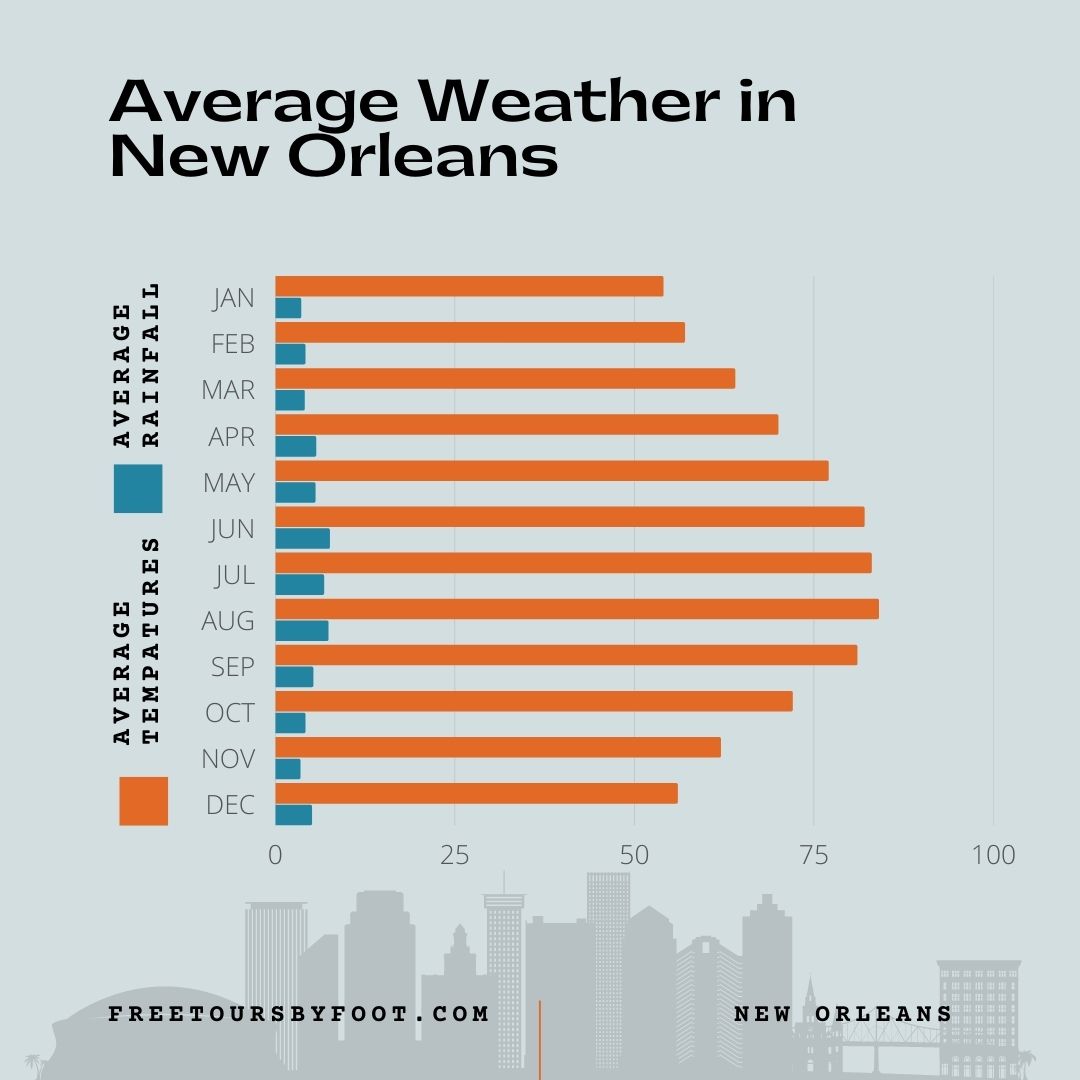
Spring in New Orleans is arguably the most sought-after period for many visitors, and for good reason. The weather is typically at its most pleasant, offering a welcome respite from the sweltering summer heat and the occasional chill of winter. Days are often sunny and mild, perfect for exploring the charming streets of the French Quarter on foot, enjoying leisurely meals at outdoor cafes, and soaking in the vibrant atmosphere without the oppressive humidity.
Mardi Gras and Beyond: Embracing the Festive Spirit
The undisputed highlight of spring is Mardi Gras. This world-famous carnival season, culminating on Fat Tuesday, transforms the city into a kaleidoscope of parades, costumes, and revelry. While the peak of Mardi Gras is an unforgettable experience, the entire season leading up to it, beginning on Epiphany (January 6th), is filled with excitement. If Mardi Gras is your primary draw, be prepared for immense crowds, booked-up hotels, and significantly higher prices for everything from accommodation at places like the Hotel Monteleone to souvenirs. Advance booking for flights and lodging is not just recommended; it’s essential.
However, spring offers more than just Mardi Gras. The latter half of April is home to the renowned New Orleans Jazz & Heritage Festival (often referred to as Jazz Fest). This multi-day celebration of music, food, and culture draws international stars and local talent alike to the Fair Grounds Race Course & Slots. Jazz Fest is another period of high demand, with a palpable energy permeating the city. Even outside of these major events, spring sees numerous other festivals and cultural happenings, making it a dynamic and engaging time to visit. The mild weather encourages outdoor exploration, from strolling through the picturesque Garden District to enjoying a steamboat cruise on the Mississippi.
Pros of visiting in Spring:
- Pleasant Weather: Mild temperatures, lower humidity, and sunny days are ideal for sightseeing and outdoor activities.
- Vibrant Festivals: Mardi Gras and Jazz Fest are iconic experiences that define the New Orleans spirit.
- Lush Scenery: The city’s flora is at its peak, with blooming flowers and verdant landscapes.
Cons of visiting in Spring:
- High Crowds: Major festivals attract enormous numbers of tourists.
- Increased Costs: Accommodation and flight prices skyrocket during peak festival times.
- Booking Challenges: Popular hotels and restaurants require booking far in advance.
Summer: Embracing the Heat and the Local Vibe
Summer in New Orleans, which typically runs from June through August, is synonymous with heat and humidity. Daytime temperatures often soar into the 90s Fahrenheit, and the humidity can make it feel even hotter. For many, this might sound daunting, but for those who can tolerate or even embrace the warmth, summer offers a different, perhaps more authentic, slice of New Orleans life.
Escaping the Sun and Savoring Local Delights
The biggest advantage of visiting during the summer is the dramatically lower crowd levels and more affordable prices for accommodations and flights. You can often find deals on hotels, making it a great option for budget travelers or those seeking a more relaxed pace. The heat encourages a slower, more deliberate approach to exploration. Mornings and evenings become prime time for outdoor activities, while the midday heat is perfect for ducking into air-conditioned museums like the National WWII Museum, exploring the art galleries of the Arts District, or indulging in the city’s legendary culinary scene.
Summers in New Orleans are also characterized by frequent, though usually brief, afternoon thunderstorms that can offer a refreshing cool-down. The city’s vibrant indoor nightlife continues to thrive, with live music venues, bars, and restaurants offering lively atmospheres. The Essence Festival of Culture, held in late June or early July, is a major event focused on Black music, culture, and empowerment, drawing a significant crowd but often at a different demographic than Mardi Gras. While the heat is undeniable, the reduced crowds and costs can make summer a surprisingly appealing time for a visit, especially if your focus is on experiencing the city’s rich food and music scene at a more leisurely pace. Consider staying in a hotel with a great pool, like the Windsor Court Hotel, to help beat the heat.
Pros of visiting in Summer:
- Fewer Crowds: Enjoy popular attractions with less competition.
- Lower Prices: Find more affordable rates for hotels and flights.
- Vibrant Indoor Scene: Experience the city’s music clubs and restaurants without the overwhelming numbers.
Cons of visiting in Summer:
- Intense Heat and Humidity: Be prepared for hot, sticky weather.
- Afternoon Thunderstorms: Expect regular rain showers, usually in the afternoon.
- Limited Outdoor Comfort: Midday activities may be uncomfortable due to the heat.
Autumn: The Reign of Pleasant Weather and Cultural Immersion
As the oppressive heat of summer begins to recede, autumn emerges as another prime time to experience New Orleans. From September through November, the city transitions into a period of comfortable temperatures and lower humidity, often rivaling the pleasantness of spring. This makes it an ideal time for extensive exploration and enjoying the city’s outdoor offerings.
Fall Festivals and a More Relaxed Pace
Autumn in New Orleans is characterized by a delightful climate that beckons visitors to wander through its historic neighborhoods. The Oak Street Po-Boy Festival in November celebrates one of the city’s iconic culinary creations, and various other smaller festivals and events pop up throughout the season, offering diverse cultural experiences without the overwhelming scale of Mardi Gras or Jazz Fest. The Voodoo Music + Arts Experience typically takes place around Halloween weekend, adding a spooky and energetic element to the late fall calendar.
The shoulder months of September and October, in particular, offer a fantastic balance of good weather and manageable crowds. You can enjoy a steamboat ride on the Mississippi River or a ghost tour of the French Quarter without feeling rushed. This is also an excellent time to explore the tranquil beauty of the nearby Jean Lafitte National Historical Park and Preserve and its bayous. For those interested in delving deeper into the city’s rich history and architecture, from the grand mansions of the Garden District to the historic cemeteries, autumn provides comfortable conditions for leisurely discovery. Hotel rates tend to be more reasonable than during peak spring, and the city buzzes with a lively yet less frenetic energy.
Pros of visiting in Autumn:
- Ideal Weather: Comfortable temperatures and lower humidity make for pleasant outdoor activities.
- Manageable Crowds: Fewer tourists than during major spring festivals.
- Affordable Options: More competitive pricing for accommodations and flights compared to spring.
- Cultural Events: A good selection of festivals and local happenings.
Cons of visiting in Autumn:
- Potential for Fall Festivals: Some major events like Voodoo Fest can still draw significant crowds and increase prices.
- Hurricane Season: While less active later in the fall, the official hurricane season runs through November, posing a slight risk.
Winter: A Quieter Charm and Festive Holiday Spirit
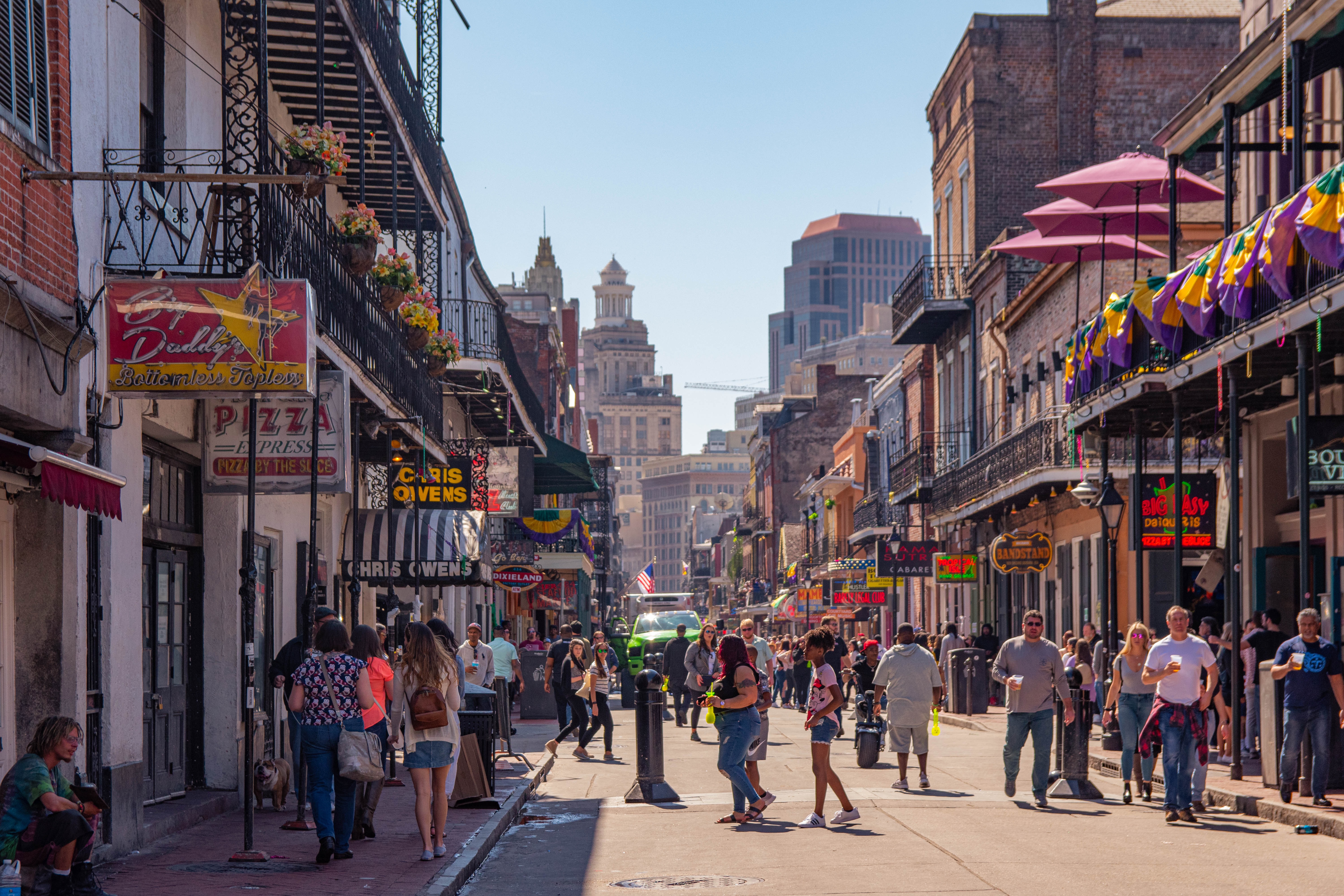
Winter in New Orleans, from December to February, offers a unique and often overlooked charm. The city sheds some of its summer humidity, and while it can occasionally be chilly, the temperatures are generally mild compared to many other parts of the country. This period presents an opportunity to experience New Orleans with fewer crowds and a more intimate feel.
Holiday Magic and Off-Season Advantages
The holiday season in New Orleans is magical. The city is beautifully decorated, with twinkling lights adorning the French Quarter and festive events filling the calendar. Christmas New Orleans offers a variety of celebrations, including the iconic “Celebration in the Oaks” at City Park, a spectacular display of holiday lights. The city also observes Réveillon dinners, a tradition of elaborate holiday meals served by many of its renowned restaurants, providing a culinary experience that’s both festive and deeply rooted in local tradition. New Year’s Eve in the French Quarter is a lively affair, though not as overwhelmingly crowded as Mardi Gras.
Beyond the holiday period, January and February offer a chance to experience New Orleans at its most serene. This is the off-peak season, meaning you’ll likely encounter the smallest crowds and potentially the best deals on accommodations, making it an excellent choice for budget-conscious travelers or those seeking a more laid-back experience. You can explore landmarks like the St. Louis Cathedral or wander through the historic streets with more ease. While it might not boast the same level of outdoor activity as spring or fall, winter allows for a deeper appreciation of the city’s architecture, its museums, and its enduring cultural heritage. For a luxurious winter escape, consider a stay at the The Roosevelt New Orleans, A Waldorf Astoria Hotel, known for its stunning holiday decorations.
Pros of visiting in Winter:
- Fewest Crowds: Experience the city with a more relaxed atmosphere.
- Best Prices: Off-peak season often yields the most significant savings on travel and accommodation.
- Festive Holiday Atmosphere: Enjoy charming Christmas decorations and traditions.
- Mild Temperatures: Pleasant weather for exploring, especially compared to colder climates.
Cons of visiting in Winter:
- Occasional Cold Snaps: While generally mild, temperatures can drop.
- Limited Outdoor Events: Fewer large-scale festivals compared to spring and fall.
Ultimately, the “best” time to visit New Orleans is when it aligns with your personal priorities. If the thrill of a major festival and the energy of huge crowds are what you crave, then Mardi Gras or Jazz Fest in the spring are unparalleled. If you prioritize pleasant weather for extensive exploration and a good balance of events and crowds, autumn offers a sweet spot. For those seeking to escape the heat, find budget-friendly options, and immerse themselves in the local scene, summer can be surprisingly rewarding. And if you desire a quieter, more intimate experience with a touch of holiday magic or off-season deals, winter presents a compelling case. No matter when you choose to go, New Orleans promises an unforgettable journey into a city that dances to its own rhythm.
LifeOutOfTheBox is a participant in the Amazon Services LLC Associates Program, an affiliate advertising program designed to provide a means for sites to earn advertising fees by advertising and linking to Amazon.com. Amazon, the Amazon logo, AmazonSupply, and the AmazonSupply logo are trademarks of Amazon.com, Inc. or its affiliates. As an Amazon Associate we earn affiliate commissions from qualifying purchases.