
Florida, the “Sunshine State,” is synonymous with warm weather, vibrant beaches, and a lifestyle that often revolves around the outdoors. But the question of “What is temperature in Florida?” is more nuanced than a simple blanket answer. The Sunshine State experiences a diverse range of climates across its expansive territory, influenced by its unique geography, proximity to the ocean, and seasonal shifts. Understanding these variations is crucial for anyone planning a trip, considering a move, or simply curious about this beloved destination. From the balmy breezes of the Florida Keys to the sometimes cooler, yet still mild, temperatures further north, Florida offers a spectrum of weather experiences throughout the year.
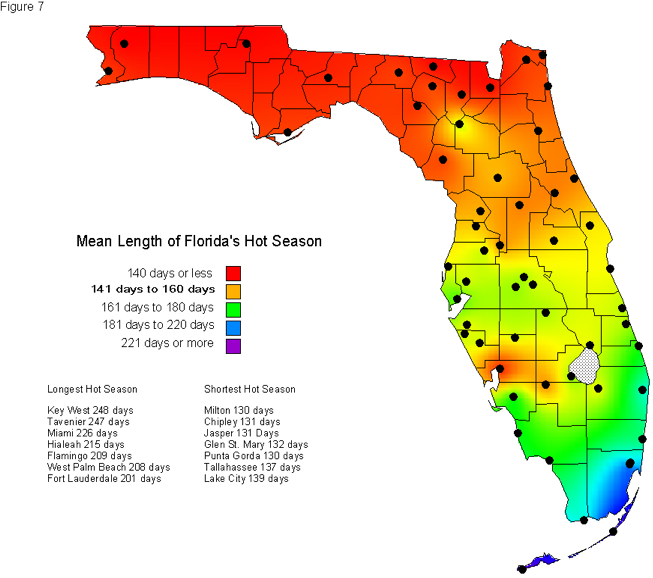
The state’s subtropical to tropical climate means that high temperatures are a frequent visitor, especially during the summer months. However, it’s not just about the mercury rising; humidity plays a significant role in how that heat is perceived. Furthermore, the presence of distinct seasons, albeit milder than in many other parts of the United States, means that the temperature in Florida does fluctuate, offering a varied experience for residents and tourists alike. This article delves into the typical temperature ranges, seasonal patterns, and regional differences that define the climate of Florida, providing valuable insights for a fulfilling travel or lifestyle experience.
Understanding Florida’s Climate Zones
Florida’s distinct geographical shape, stretching from the panhandle down to the southern tip, encompasses a variety of microclimates. While often perceived as uniformly hot, the state can be broadly divided into two primary climate zones: subtropical in the northern two-thirds and tropical in the southern third. This distinction is key to understanding the temperature variations experienced throughout the year.
Subtropical Florida: A Tale of Four Seasons
The northern and central parts of Florida, including popular destinations like Orlando, Tampa, and Jacksonville, experience a subtropical climate. This means they have hot, humid summers and mild winters.
Summer in Subtropical Florida (June – August)
Summers in this region are characterized by high temperatures and significant humidity. Daily highs typically hover between 85°F and 95°F (29°C to 35°C), with the heat index often pushing the perceived temperature higher, sometimes into the low 100s°F (around 38°C). Afternoon thunderstorms are a common occurrence, providing brief, albeit intense, bursts of rain and a temporary cooling effect. These storms are a natural part of the summer weather pattern, often fueled by the intense solar radiation and abundant moisture in the air. Despite the heat, many visitors flock to Orlando for theme park adventures and to Tampa for its vibrant cultural scene, embracing the warm weather as part of the quintessential Florida experience.
Autumn in Subtropical Florida (September – November)
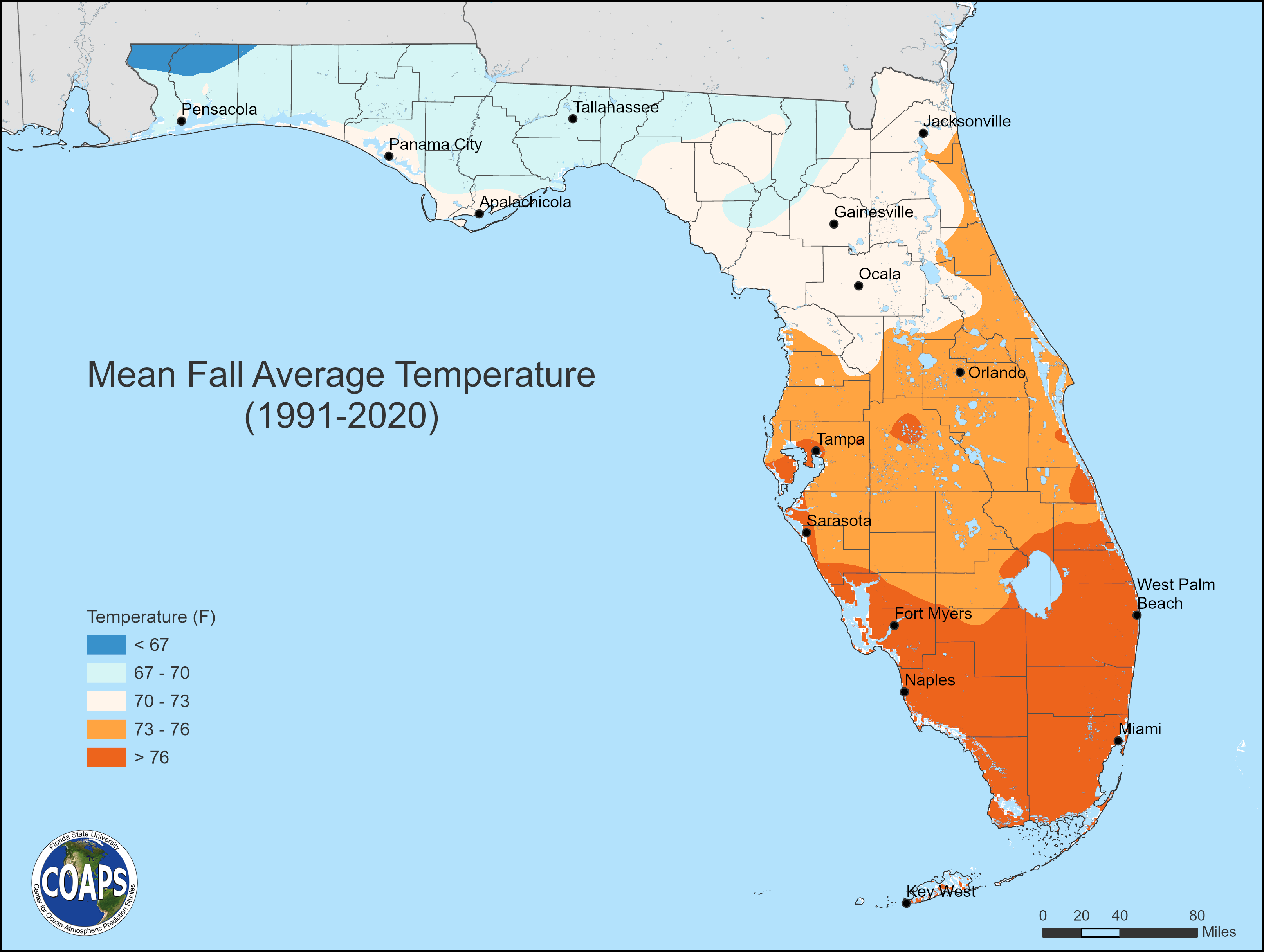
As summer gives way to fall, temperatures begin to moderate. September can still be quite warm, with average highs in the upper 80s°F (around 31°C), but as October and November progress, the temperatures become more pleasant. Average highs in these months typically range from the mid-70s°F to the low 80s°F (24°C to 27°C). This is often considered one of the best times to visit Florida, with lower humidity and comfortable conditions perfect for exploring attractions like Disney World or enjoying the beaches. The risk of hurricanes also decreases significantly as the season progresses.
Winter in Subtropical Florida (December – February)
Winters in subtropical Florida are generally mild, offering a welcome escape from colder climates. Average highs during the day are usually in the 60s°F and low 70s°F (15°C to 22°C). Freezing temperatures are rare, but occasional cold snaps can occur, especially in the northernmost parts of the state, where lows might dip into the 30s°F and 40s°F (0°C to 9°C). This makes it an ideal season for outdoor activities and for those seeking a warmer winter getaway. Many snowbirds from the northern United States and Canada choose to spend their winters in Florida to enjoy the pleasant weather.
Spring in Subtropical Florida (March – May)
Spring brings a gradual warming trend to subtropical Florida. March and April typically see average highs in the 70s°F and low 80s°F (21°C to 27°C). May begins to heat up significantly, with highs often reaching the mid-80s°F (around 29°C) and humidity starting to increase. This season is characterized by sunny days and comfortable evenings, making it another popular time for tourism, particularly for those looking to enjoy the beaches and outdoor attractions before the peak summer heat arrives.
Tropical Florida: Year-Round Warmth
The southern tip of Florida, including Miami, Fort Lauderdale, and the Florida Keys, enjoys a tropical climate. This means consistently warm temperatures throughout the year, with less distinct seasonal temperature variations compared to the subtropical north.
Summer in Tropical Florida (June – September)
Summers in tropical Florida are hot, humid, and wet. High temperatures are consistently in the upper 80s°F and low 90s°F (31°C to 33°C), with the heat index often feeling much higher due to humidity. Like the north, afternoon thunderstorms are a daily feature, offering some respite from the heat. This region is a prime destination for those who love the heat and the lively atmosphere that comes with it. Exploring the vibrant streets of Miami or enjoying the turquoise waters of the Florida Keys are popular summer activities.
Autumn in Tropical Florida (October – November)
While the term “fall” might not evoke images of falling leaves in tropical Florida, the season does bring a subtle shift. Temperatures begin to cool slightly, with average highs in the low 80s°F (around 27°C). Humidity levels also start to decrease, making outdoor activities more comfortable. The risk of hurricanes, while present throughout the hurricane season (which officially ends on November 30th), generally diminishes as the season progresses.
Winter in Tropical Florida (December – February)
Winter in tropical Florida is its most appealing season for many. Temperatures are pleasantly warm, with average highs in the mid-70s°F (around 24°C). Evenings can be cooler, occasionally dipping into the 60s°F (15°C to 20°C), but frost and freezing temperatures are extremely rare. This period offers ideal conditions for exploring the unique ecosystems of the Everglades National Park or enjoying a leisurely day at the beach without the intense summer heat and humidity.
Spring in Tropical Florida (March – May)
Spring in tropical Florida is a continuation of pleasant, warm weather. Highs are typically in the 80s°F (27°C to 32°C), with increasing humidity as May approaches. The sunshine is abundant, and the evenings remain warm, making it a fantastic time to experience the vibrant nightlife of South Beach or explore the charming canals of Fort Lauderdale.
Factors Influencing Florida’s Temperature
Several key factors contribute to the temperature patterns observed across Florida. Understanding these influences can provide a deeper appreciation for the state’s climate.
Proximity to Water: The Moderating Effect
As a peninsula surrounded by water, Florida benefits significantly from the moderating influence of the Atlantic Ocean and the Gulf of Mexico. Large bodies of water heat up and cool down more slowly than land. This means coastal areas tend to have more moderate temperatures, with less extreme highs and lows compared to inland regions. For instance, cities like Miami on the southeastern coast will often experience less drastic temperature swings than a city further inland, even at the same latitude. The ocean also contributes to the high humidity levels, particularly during the summer months.
Latitude: The North-South Divide
The north-south stretch of Florida is a primary driver of temperature differences. The panhandle, located at a more northerly latitude, experiences colder winters and a more pronounced four-season feel. Conversely, the southern tip of the state, closer to the equator, enjoys a tropical climate with year-round warmth. This latitudinal difference is why you might see occasional frost warnings in Tallahassee during winter, while Key West remains comfortably balmy.
Humidity and Heat Index: Feeling the Heat
While the thermometer may indicate a certain temperature, the perceived heat in Florida is often amplified by humidity. High humidity levels mean that the air is saturated with moisture, making it harder for the body to cool itself through perspiration. This is why a 90°F (32°C) day in Florida can feel significantly hotter than a 90°F day in a drier climate. The heat index, which combines temperature and humidity, provides a more accurate measure of how hot it actually feels. This is an important consideration for planning outdoor activities, especially during the summer months.
Seasonal Activities and Temperature Considerations
The temperature in Florida directly influences the types of activities that are most enjoyable throughout the year. Planning your visit or daily life around these seasonal temperature shifts can greatly enhance your experience.
Peak Tourist Seasons and Ideal Temperatures
The most popular times to visit Florida often coincide with its most pleasant weather. The winter months (December to February) are a major draw for those escaping colder climates, with mild temperatures perfect for exploring theme parks like Universal Orlando Resort, visiting Everglades National Park, or enjoying the beaches of Clearwater. Spring (March to May) also sees a surge in tourism, particularly during spring break, as temperatures are warm and sunny, ideal for outdoor adventures.
Summer Heat and Afternoon Showers
Summer in Florida is undeniably hot and humid, but it doesn’t deter millions of visitors. The heat is a part of the experience, and many activities are designed to accommodate it. Water parks, beaches, and indoor attractions offer respite from the midday sun. The frequent afternoon thunderstorms, while sometimes intense, are often short-lived and can provide a welcome cooling effect. Many travelers embrace this season for its vibrant energy and the lush, green landscape.
Fall and Winter: The “Sweet Spot”
For many, autumn and winter represent the “sweet spot” for experiencing Florida‘s temperature. The humidity drops, and the temperatures become more moderate, making it ideal for exploring historical sites in St. Augustine, enjoying the cultural offerings of Miami, or golfing on one of the state’s many renowned courses. The slightly cooler temperatures also make it a prime time for outdoor festivals and events.
Planning for Temperature Variations
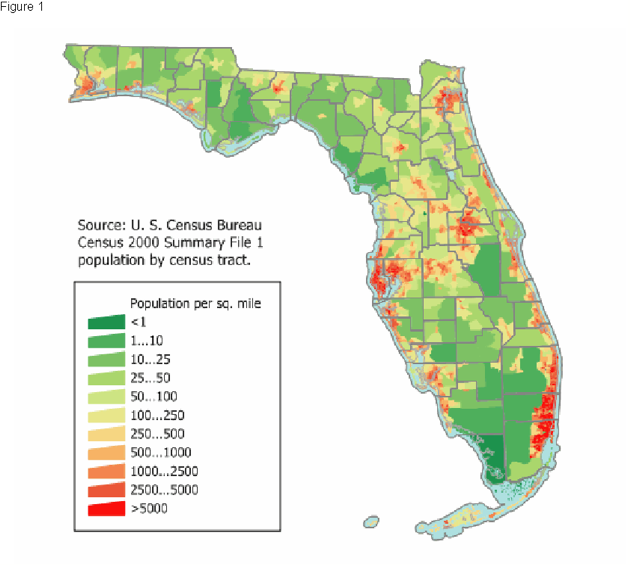
When planning a trip to Florida, it’s essential to check the specific weather forecasts for the region you intend to visit and the time of year. Temperatures can vary by 10-20°F (5-11°C) or more between the northern and southern parts of the state, and even within cities, localized microclimates can exist. Packing appropriate clothing, staying hydrated, and being mindful of the heat index are crucial for a comfortable and enjoyable experience, regardless of whether you’re staying at a luxury resort like the Ritz-Carlton, Naples, or a budget-friendly apartment. The diversity of Florida’s temperatures ensures there’s a perfect time and place for every kind of traveler.
LifeOutOfTheBox is a participant in the Amazon Services LLC Associates Program, an affiliate advertising program designed to provide a means for sites to earn advertising fees by advertising and linking to Amazon.com. Amazon, the Amazon logo, AmazonSupply, and the AmazonSupply logo are trademarks of Amazon.com, Inc. or its affiliates. As an Amazon Associate we earn affiliate commissions from qualifying purchases.