
Navigating the Empire State, whether for leisure or business, often involves hitting the open road. From the bustling streets of New York City to the scenic drives upstate, understanding the local laws is paramount for a smooth and enjoyable journey. One common question that arises for drivers, especially those accustomed to different regulations, concerns the legality of radar detectors. This article delves into the specifics of whether radar detectors are legal in New York, providing clarity for travelers planning their trips and considering their driving companion.
The appeal of a radar detector for many drivers is understandable. The idea of being alerted to the presence of speed-measuring devices can offer a sense of security and potentially help avoid costly fines. However, the legal landscape surrounding these devices varies significantly from state to state. For visitors to New York, whether they’re planning a stay at a luxurious resort in the Adirondacks or a family adventure exploring the attractions of Niagara Falls, it’s crucial to be informed. This guide aims to provide a comprehensive answer to the question of radar detector legality in New York, ensuring you can travel with peace of mind.
Understanding Radar Detectors and Their Role in Driving
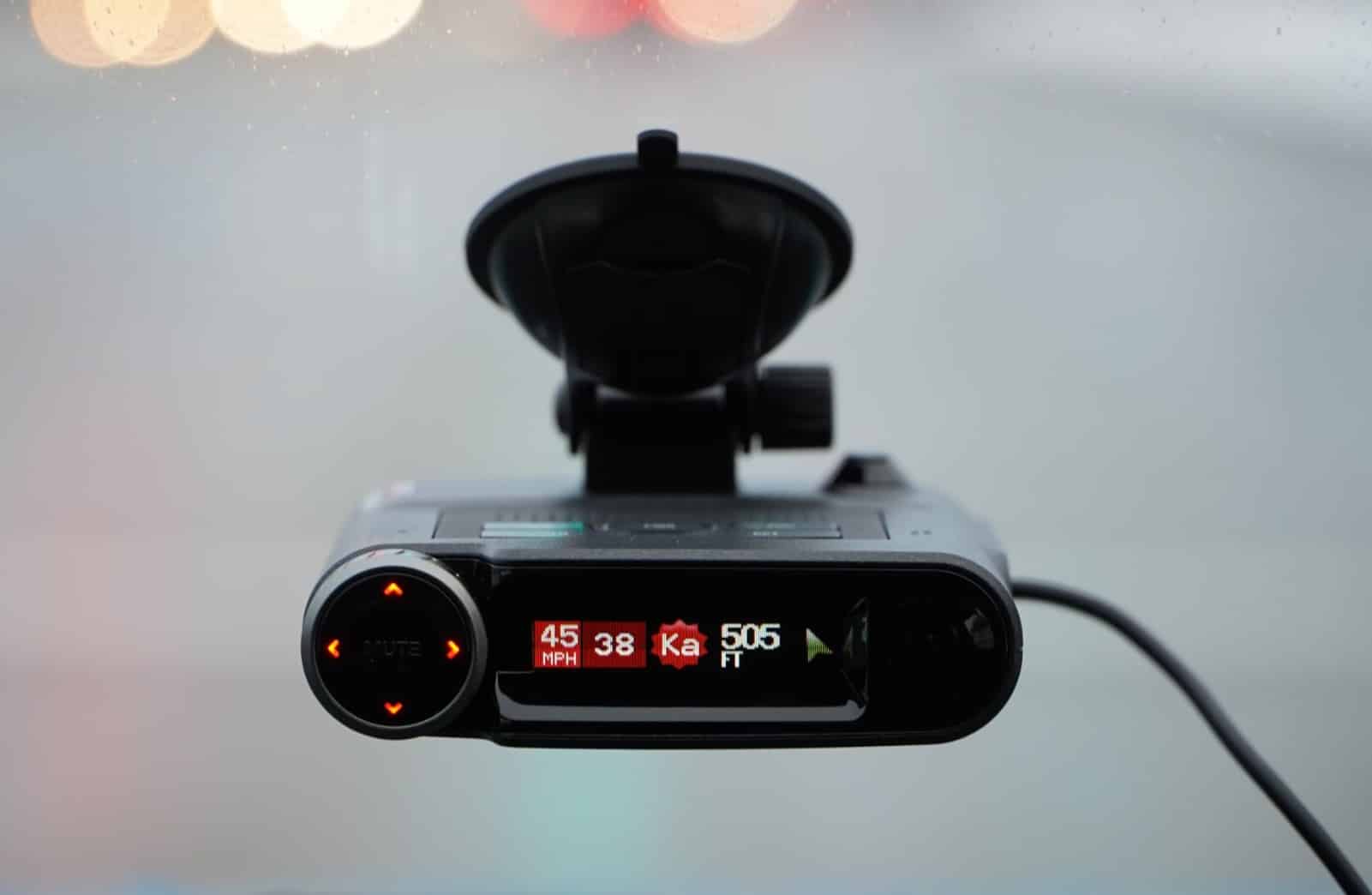
Before we dive into the specifics of New York law, it’s beneficial to understand what radar detectors are and why their legality is a point of discussion. Radar detectors are electronic devices designed to alert drivers to the presence of radar beams commonly used by law enforcement to measure vehicle speed. They work by scanning for the specific radio frequencies emitted by police radar guns.
The primary purpose of a radar detector, from the user’s perspective, is to provide an early warning of potential speed traps. This allows drivers to adjust their speed and comply with the posted limits, thus avoiding tickets. However, from a law enforcement and legislative standpoint, radar detectors are sometimes viewed as tools that encourage or facilitate speeding, potentially undermining traffic safety efforts. This duality is at the heart of why different jurisdictions have adopted varying stances on their legality.
The technology behind radar detectors has evolved over the years, with modern devices offering sophisticated features like GPS integration, which can map known speed camera locations and alert drivers to stationary hazards. They can also differentiate between various types of radar signals, reducing false alarms. Despite these advancements, the fundamental debate remains: are they a helpful tool for responsible drivers, or do they pose a risk to public safety by enabling reckless behavior?
The Legal Status of Radar Detectors in New York
The question of “Are Radar Detectors Legal In New York?” has a relatively straightforward answer for most drivers. In the state of New York, the possession and use of radar detectors by private passenger vehicles are legal. This means that if you are driving your personal car, truck, or SUV through New York, you are generally free to have and use a radar detector without fear of legal repercussions. This is a welcome piece of information for many travelers who might be coming from or going to states with stricter laws.
However, there’s a crucial distinction to be made, particularly for those operating commercial vehicles. For drivers of commercial vehicles, including trucks and buses, the use of radar detectors is prohibited in New York. This prohibition is in line with federal regulations that aim to enhance safety for large vehicles that often carry significant loads and have a greater impact on road conditions. Therefore, if your travel plans involve operating a commercial vehicle within New York, you must ensure that no radar detection device is present or in use. This distinction is vital and applies to anyone driving for professional purposes, regardless of whether they are local residents or visitors.
The reasoning behind this distinction often stems from the increased potential for danger associated with speeding in larger, heavier vehicles. Commercial drivers are held to a higher standard of care due to the nature of their work and the vehicles they operate. Allowing them to use devices that might encourage exceeding speed limits is seen as a greater risk to public safety.
It’s also worth noting that while possession and use are legal for private vehicles, the use of a radar detector does not exempt a driver from obeying speed limits. Law enforcement officers can still issue tickets for speeding, regardless of whether a radar detector is active or not. The detector is simply a tool, and its presence does not grant immunity from traffic laws.
Key Considerations for Private Vehicle Owners
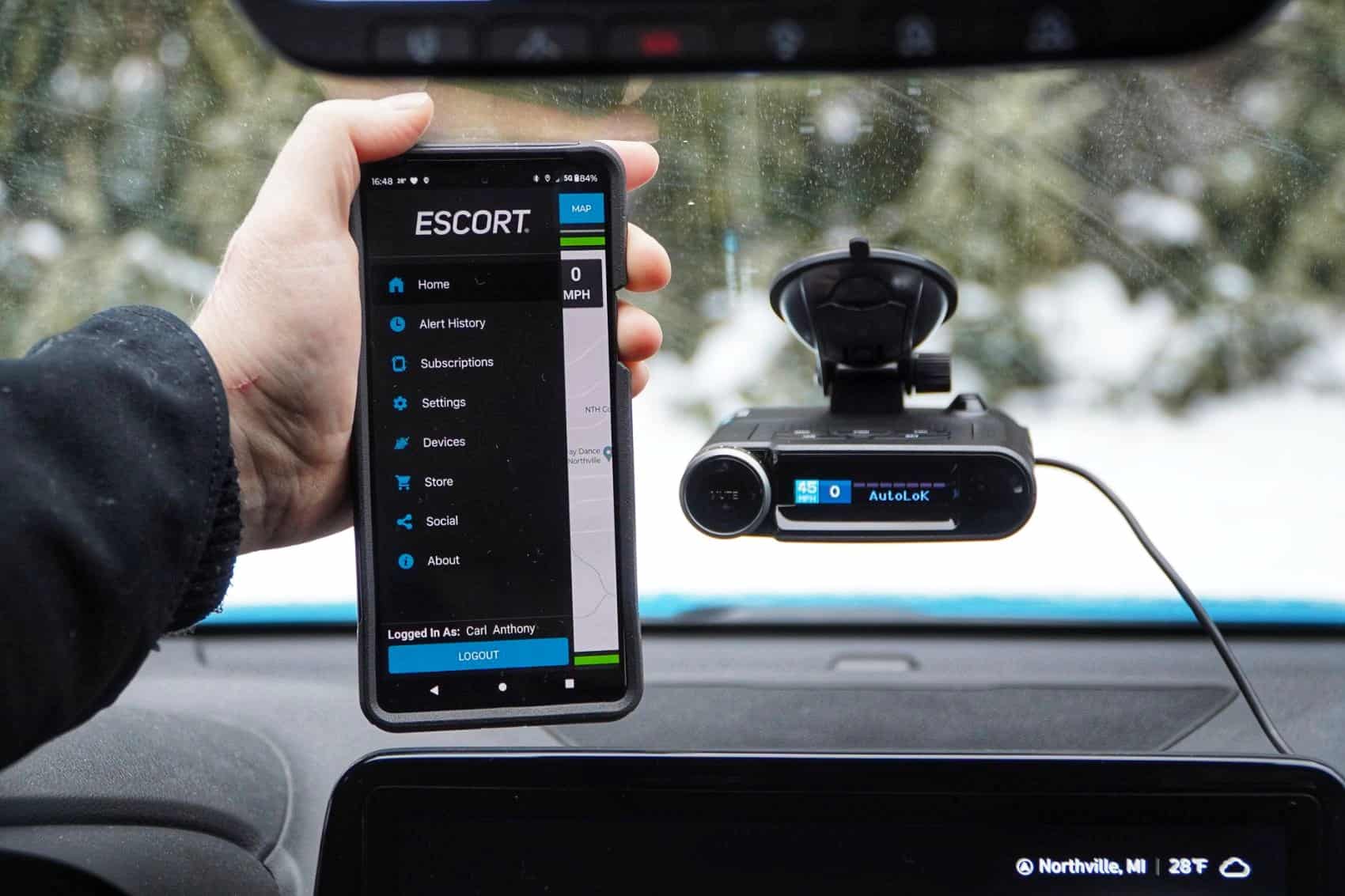
For individuals driving their private passenger vehicles, the legality of radar detectors in New York means you can travel with a clear conscience regarding this particular device. This allows you to focus on enjoying your journey, whether you’re exploring the historic sites of the Hudson Valley, seeking adventure in the Catskill Mountains, or visiting famous landmarks like the Statue of Liberty in New York Harbor.
When traveling through New York with a radar detector, it’s wise to consider how you mount and use the device. While legal to possess, an officer might still pull you over if the device is mounted in a way that obstructs your view of the road. Ensure it is positioned safely and securely, and does not impede your vision.
Furthermore, it’s always a good practice to familiarize yourself with general traffic laws in any state you visit. This includes understanding speed limits, seatbelt requirements, and rules regarding distracted driving. Being a well-informed and responsible driver is the best way to ensure a safe and pleasant trip.
If you’re planning a road trip that involves multiple states, remember that laws can change. A device that is legal in New York might be illegal in a neighboring state. It’s recommended to research the laws of each state you intend to drive through to avoid any unexpected legal issues. For instance, while legal in New York, radar detector use is prohibited in the District of Columbia and Virginia.
Exploring New York with Confidence: Travel Tips and Legal Awareness
The freedom to travel is a cornerstone of exploring diverse cultures, breathtaking landscapes, and unique experiences. New York, with its vast array of attractions, from the cosmopolitan energy of Times Square to the serene beauty of the Finger Lakes region, offers something for every traveler. Understanding the legal nuances, such as the legality of radar detectors for private vehicles, contributes to a stress-free journey.
When planning your accommodation, whether it’s a chic boutique hotel in SoHo, a family-friendly resort near Lake Placid, or a luxurious villa in the Hamptons, ensure you book through reputable platforms that offer comparison and reviews to secure the best deals and amenities. Similarly, when exploring local tourism opportunities, from the historic streets of Albany to the vibrant arts scene in Buffalo, staying informed about local customs and regulations enhances your experience.

Beyond Radar Detectors: General Driving Laws in New York
While the legality of radar detectors for private vehicles in New York is established, a comprehensive approach to driving laws ensures a safer and more compliant journey. Understanding these regulations is an integral part of responsible travel, especially when exploring various destinations and attractions across the state.
Speed limits are strictly enforced throughout New York. Adhering to posted speed limits is crucial, not only to avoid fines but also for the safety of yourself and others. These limits vary depending on the type of road, whether it’s a highway, a local street in Rochester, or a scenic route through the countryside.
Seatbelt usage is mandatory for all occupants in a vehicle in New York. Ensure everyone in your vehicle, including passengers in the back seat, is properly buckled up.
Distracted driving laws are also rigorously enforced. This includes prohibitions against using handheld mobile devices while driving. Texting, calling without a hands-free device, or any other activity that takes your attention away from the road can lead to significant penalties. When navigating unfamiliar areas, it’s best to use a GPS or have your passenger handle navigation.
Drunk driving laws are among the strictest in the nation. New York has a zero-tolerance policy for drivers under 21 and severe penalties for all drivers found to be operating a vehicle while under the influence of alcohol or drugs. Always designate a sober driver or utilize ride-sharing services if you plan to consume alcohol.
Understanding these fundamental driving laws ensures that your road trips, whether you are visiting landmarks like the Eiffel Tower (though this is in Paris, the principle of being aware of local laws applies universally) or exploring the natural beauty of Letchworth State Park, are not only enjoyable but also legally compliant. By being informed and responsible, you can fully immerse yourself in the experiences New York has to offer, from its vibrant urban centers to its tranquil natural wonders.
LifeOutOfTheBox is a participant in the Amazon Services LLC Associates Program, an affiliate advertising program designed to provide a means for sites to earn advertising fees by advertising and linking to Amazon.com. Amazon, the Amazon logo, AmazonSupply, and the AmazonSupply logo are trademarks of Amazon.com, Inc. or its affiliates. As an Amazon Associate we earn affiliate commissions from qualifying purchases.