
The allure of Hawaii is undeniable. With its balmy breezes, volcanic landscapes, turquoise waters, and rich Polynesian culture, it’s a dream destination for travelers seeking paradise. Whether you’re planning a romantic getaway to Maui, an adventurous trek through Kauai, a vibrant exploration of Oahu, or a serene escape to the Big Island, understanding the financial aspects of your trip is crucial for a smooth and enjoyable experience. One of the most common questions that arises for visitors, especially those considering longer stays or business trips, is about state taxes. So, does Hawaii have state tax? The answer is a resounding yes, and understanding how it impacts your travel expenses can help you budget effectively and avoid any unwelcome surprises.
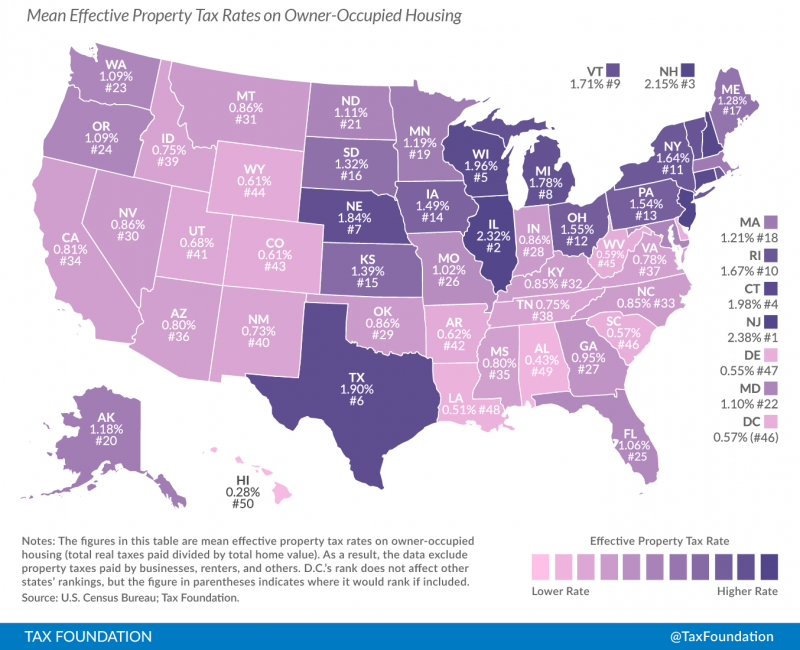
This guide will delve into the various forms of state taxation in Hawaii, focusing on how they might affect tourists and those considering a more extended stay. We’ll explore the general excise tax, the transient accommodations tax, and how these can influence the cost of your Hawaiian accommodation and other purchases. By shedding light on these financial details, we aim to equip you with the knowledge to make informed decisions, whether you’re booking a luxurious suite at the Four Seasons Resort Maui at Wailea, a charming villa in Kailua-Kona, or simply looking forward to enjoying the local cuisine and attractions.
Understanding Hawaii’s Tax Structure for Travelers
When you think about Hawaii, images of pristine beaches, lush rainforests, and iconic landmarks like Diamond Head likely come to mind. While the natural beauty and unique culture are primary draws, it’s also important to be aware of the financial framework that supports this island paradise. Hawaii’s tax system is designed to generate revenue for public services, infrastructure, and the preservation of its natural environment. For visitors, this primarily translates into taxes levied on accommodations and general consumption.
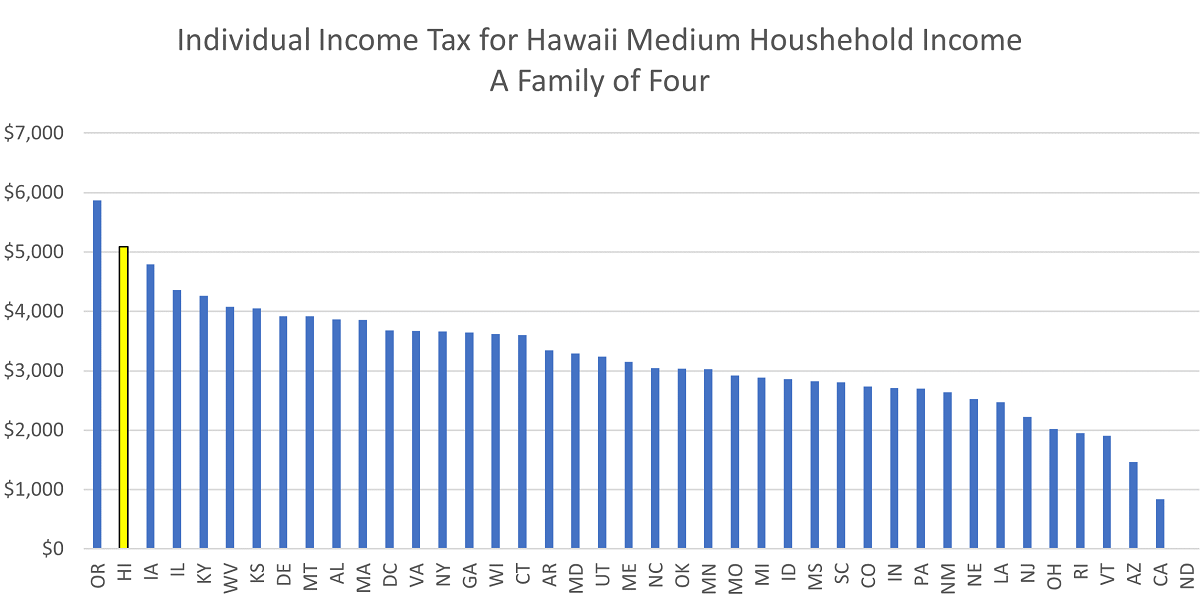
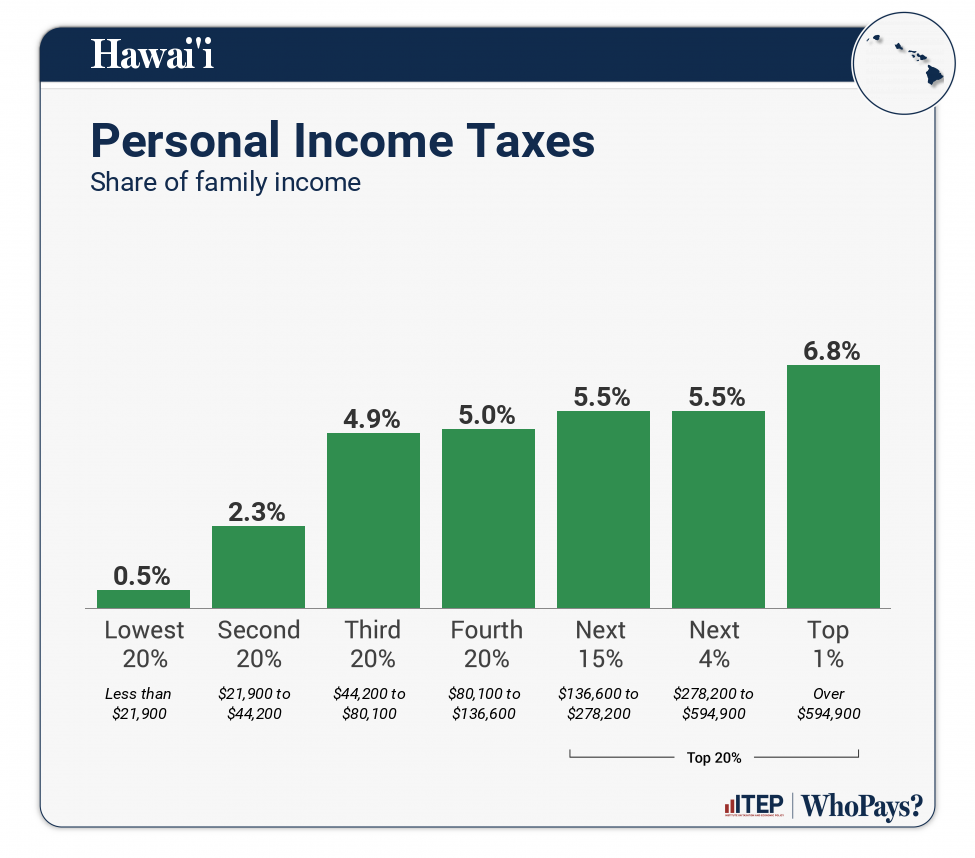
The two most significant taxes that directly impact travelers are the Hawaii General Excise Tax (GET) and the Transient Accommodations Tax (TAT). Understanding these will be key to budgeting for your trip, especially when factoring in the cost of hotels, car rentals, tours, and even dining out. While Hawaii doesn’t have a state income tax for short-term visitors in the traditional sense (unless you’re establishing residency or conducting business for an extended period), these transactional taxes are a constant presence.
The Hawaii General Excise Tax (GET): A Broad-Based Levy
The Hawaii General Excise Tax (GET) is the state’s primary business tax. It’s levied on gross receipts from virtually all business activities within the state, regardless of whether the business is a corporation, partnership, or sole proprietorship. This tax is paid by the business, but the cost is typically passed on to the consumer through higher prices.
For tourists, this means that the price of goods and services you purchase in Hawaii already includes the GET. This applies to everything from a cup of coffee at a local café to souvenirs bought in Lahaina to an admission ticket for a luau at the Old Lahaina Luau. The GET rate varies depending on the type of business and its location, but for most retail and service businesses, it ranges from 4% to 4.5%. For certain wholesale businesses, the rate can be lower.
It’s important to note that the GET is not a sales tax in the traditional sense. It is not levied at the point of sale on the consumer. Instead, it’s a tax on the business for the privilege of doing business in Hawaii. However, from a consumer’s perspective, the effect is similar: the price you pay for most goods and services will reflect this tax. This makes Hawaii one of the more expensive states in the United States for general consumption, so factoring in an extra few percentage points for everyday purchases is a wise budgeting strategy.
The Transient Accommodations Tax (TAT): A Direct Impact on Your Stay
The Transient Accommodations Tax (TAT) is specifically designed to tax short-term lodging. This tax is applied to the rent paid for transient accommodations, which includes hotels, condominiums, vacation rentals, and bed and breakfasts, for periods of less than six consecutive months. This is the tax that most directly affects visitors booking their stays.
The TAT rate in Hawaii is a significant factor in the overall cost of accommodation. It is currently set at 10.25% across the state, but it’s important to be aware that this rate can be in addition to county taxes, which can further increase the total tax burden on your lodging. For example, if you’re staying in a hotel in Honolulu, you will likely see both the GET and the TAT applied to your room rate, along with any applicable county taxes.
The TAT revenue is earmarked for specific purposes, including the marketing and promotion of Hawaii as a tourist destination through the Hawaii Tourism Authority, as well as for the maintenance and improvement of public infrastructure and services that benefit the tourism industry. This means that while you are paying this tax, a portion of it is reinvested into ensuring the continued beauty and appeal of the islands.
How TAT Affects Your Hotel Bookings
When you book a hotel, resort, or vacation rental in Hawaii, the price you see initially might not be the final price you pay. Most booking platforms and hotel websites will clearly itemize the taxes and fees, but it’s always a good practice to look for this breakdown. The TAT, combined with the GET and potentially other local fees, can add a substantial percentage to your nightly rate.
For instance, if you’re looking at a room that costs $300 per night, and the TAT is 10.25%, that’s an additional $30.75 per night. When you add the GET (which is typically applied to the base rate and sometimes the TAT itself, depending on the business structure and specific regulations), the total tax on your accommodation can easily reach 15-20% or more of the base room rate.
This is particularly relevant when considering luxury accommodations like the Grand Wailea, A Waldorf Astoria Resort, or budget-friendly apartments. While the dollar amount of the tax will be higher for more expensive options, the percentage impact is consistent. For those considering longer stays, such as booking a villa or apartment for a month, it’s crucial to confirm whether the TAT still applies or if a different tax structure comes into play based on the duration of your stay. Generally, stays over six months are not subject to TAT, but it’s always best to clarify with the property owner or management.
Beyond Accommodation: Other Tax Considerations for Visitors
While the GET and TAT are the most prominent taxes affecting tourists, there are a few other financial considerations to keep in mind, particularly if your trip involves activities beyond just staying in a hotel and dining.
Car Rentals and Transportation Taxes
If you plan to rent a car to explore the islands at your own pace, be aware that car rental companies are also subject to the GET. This means the rental rate you are quoted will likely have the GET added to it. Additionally, there might be specific taxes or fees associated with vehicle registration and operation that are passed on to the renter. While not a “state tax” in the same vein as GET or TAT, these fees contribute to the overall cost of your transportation.
Public transportation in Hawaii, such as the bus system on Oahu, is generally more affordable and often operates without direct per-ride taxes for local residents. However, for tourists utilizing these services for sightseeing, the cost of the fare is simply the fare itself, without additional state-level transactional taxes levied on the ticket price.
Purchasing Goods and Services: The Ever-Present GET
As mentioned earlier, the GET is pervasive. When you’re shopping for souvenirs in Waikiki, buying fresh pineapple from a roadside stand, or enjoying a guided tour of Pearl Harbor, the price you pay implicitly includes the GET. This applies to almost all goods and services purchased in Hawaii.
For those looking for ways to manage their spending, being mindful of the GET is important. While you can’t avoid it when making purchases, understanding that prices are generally higher due to this tax can help you set realistic expectations. Comparing prices and looking for deals can still yield savings, but always remember that the listed price is not the final price you’ll pay in most retail environments.
Making the Most of Your Hawaiian Vacation While Being Tax-Savvy
Understanding Hawaii’s state tax system doesn’t have to detract from the magic of your vacation. Instead, it empowers you to plan and budget more effectively, allowing for a more relaxed and enjoyable experience. By being aware of the GET and TAT, you can better estimate the total cost of your trip, from booking your flights and accommodation to enjoying the local attractions and dining.
When researching hotels, look beyond the base room rate and examine the total cost, including all taxes and fees. For instance, when comparing the Hyatt Centric Waikiki Beach with a boutique hotel in Kaanapali, factor in how TAT and GET might influence the final price for each. Similarly, when planning activities, such as a helicopter tour over the Napali Coast or a surfing lesson in Haleiwa, consider that the prices are generally inclusive of the GET.
Ultimately, the beauty, culture, and experiences that Hawaii offers are well worth the investment. By approaching your trip with a clear understanding of the financial landscape, you can fully immerse yourself in the Aloha spirit without any unexpected financial bumps. So, as you dream of your Hawaiian escape, remember that while taxes are a part of the equation, they are also integral to maintaining the pristine environment and vibrant culture that make these islands so extraordinary. Enjoy your journey to paradise, and let the peace and beauty of Hawaii wash over you!
LifeOutOfTheBox is a participant in the Amazon Services LLC Associates Program, an affiliate advertising program designed to provide a means for sites to earn advertising fees by advertising and linking to Amazon.com. Amazon, the Amazon logo, AmazonSupply, and the AmazonSupply logo are trademarks of Amazon.com, Inc. or its affiliates. As an Amazon Associate we earn affiliate commissions from qualifying purchases.